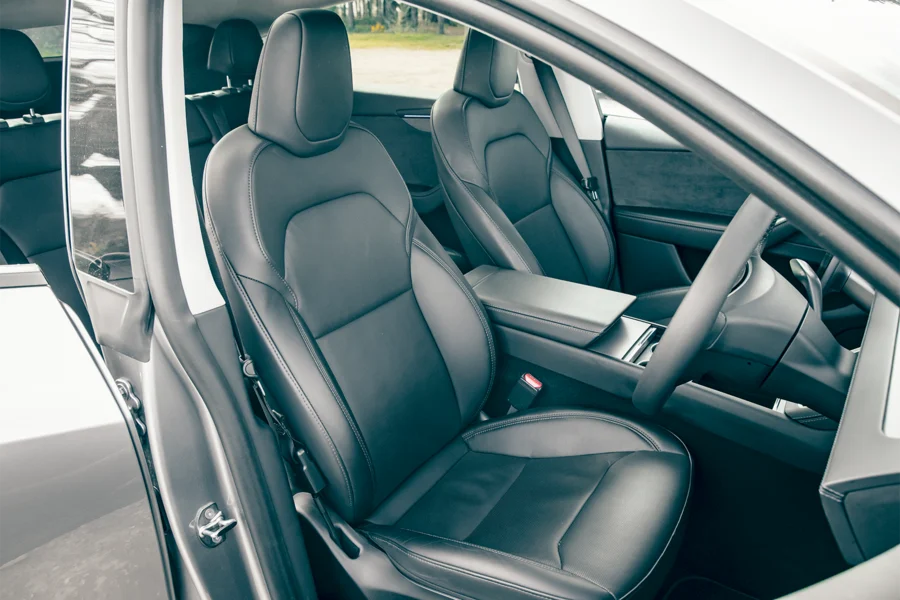
The Model Y proves driver safety technology can be effective without being overbearing.
The morning ritual of shuffling vehicles around Autocar’s headquarters parking lot, a labyrinth of concrete pillars and tightly packed vehicles, has become an increasingly fraught experience. This daily manoeuvre, often undertaken before the first cup of coffee has fully taken effect, is compounded by the cacophony of auditory alerts emanating from modern vehicles. These Advanced Driver Assistance Systems (ADAS), while designed for safety, frequently manifest as intrusive "beeps and bongs" that detract from, rather than enhance, the driving experience.
The recent encounter with an AI-voiced Changan, which greeted the author with an unsolicited "Hi, I’m Deepal," as they entered the vehicle, exemplifies this growing trend. This persistent, in-your-face auditory presence, often poorly implemented, represents a significant challenge for drivers attempting to focus on the task at hand. This article delves into the effectiveness and user experience of ADAS, specifically examining Tesla’s approach in its Model Y, contrasting it with the often overbearing systems found in other contemporary vehicles.
The Perils of Overzealous ADAS
The proliferation of ADAS in modern vehicles is undeniable. Mandates and consumer demand have accelerated the integration of technologies like lane keeping assist, automatic emergency braking, blind spot monitoring, and adaptive cruise control. While the intention behind these systems is unequivocally to improve road safety and reduce accidents, their implementation has varied wildly.
In many cases, manufacturers have opted for a strategy of extreme caution, leading to systems that are overly sensitive and prone to generating false positives. This can result in a barrage of auditory and visual warnings for situations that pose no genuine threat. For instance, a lane departure warning might trigger if a car drifts slightly towards a painted line on a clear road, or a pedestrian detection system might activate for a distant object that poses no risk.
Such constant, and often unnecessary, alerts can lead to driver fatigue and desensitization. When a driver is repeatedly subjected to false alarms, they may begin to ignore or even actively disable these safety features, thereby negating their intended purpose. This phenomenon, known as "alert fatigue," is a significant concern for the long-term effectiveness of ADAS.
Tesla’s Differentiated Approach to ADAS
Tesla, a company known for its disruptive approach to automotive technology, appears to have taken a more nuanced stance on ADAS implementation. While the Model Y, like all modern Teslas, is equipped with a comprehensive suite of driver assistance features, the author’s experience suggests a more refined and less intrusive user interface.
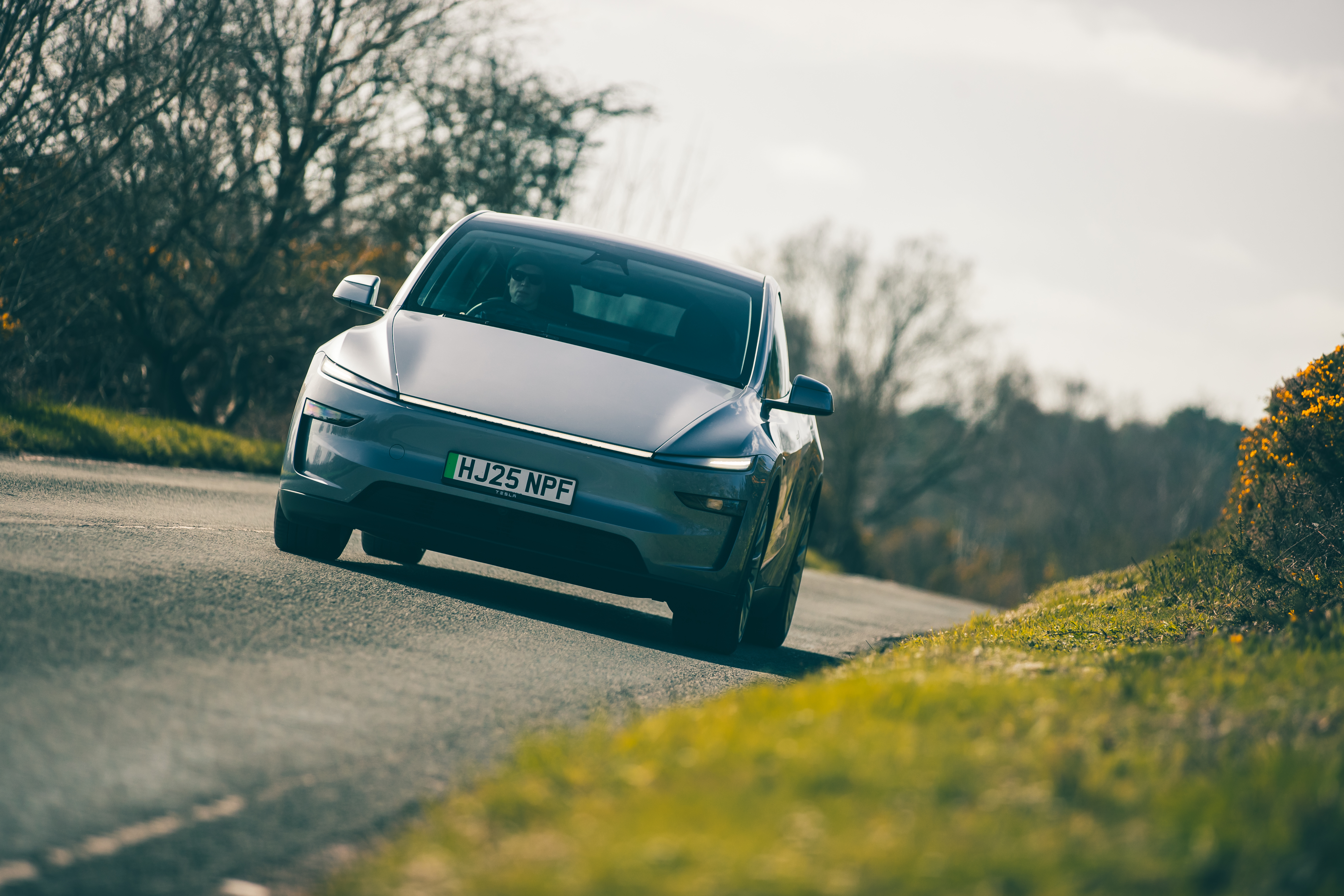
The core of Tesla’s ADAS philosophy seems to lie in its ability to provide timely and relevant information without overwhelming the driver. This is achieved through a combination of subtle auditory cues, intuitive visual displays, and a focus on proactive rather than reactive warnings.
For example, the lane keeping assist in the Model Y, often referred to as Autosteer, is designed to gently guide the vehicle back into its lane if it begins to drift. Unlike systems that emit loud beeps, Tesla’s system typically provides a subtle vibration in the steering wheel or a visual indicator on the central touchscreen. This allows the driver to correct their course without being startled or distracted.
Similarly, the Autopark feature, while capable of performing complex parking manoeuvres, is activated intentionally by the driver and provides clear on-screen instructions. It does not engage automatically in a way that could surprise or confuse the user.
The central role of the large touchscreen display in Tesla vehicles also plays a crucial part in their ADAS interface. Instead of relying solely on a cacophony of beeps, Tesla often uses visual representations of the car’s surroundings, highlighting potential hazards and the status of the ADAS features. This graphical approach can be more informative and less jarring than auditory alerts alone.
Supporting Data and Industry Trends
The effectiveness of ADAS is a subject of ongoing research and debate. According to the National Highway Traffic Safety Administration (NHTSA) in the United States, the adoption of advanced automatic emergency braking systems could significantly reduce crashes. Studies suggest that AEB systems, when properly implemented, can reduce rear-end crashes by up to 40%.
However, the issue of alert fatigue remains a critical factor. A study published in the journal Human Factors found that drivers exposed to frequent, non-critical alerts from ADAS were more likely to miss critical warnings when they did occur. This highlights the importance of a carefully calibrated system that prioritizes genuine threats.
The automotive industry is increasingly recognizing the need for more sophisticated ADAS interfaces. Manufacturers are investing in artificial intelligence and machine learning to develop systems that can better distinguish between critical and non-critical situations. The goal is to create systems that are not only effective but also contribute to a more relaxed and enjoyable driving experience.
Broader Impact and Implications
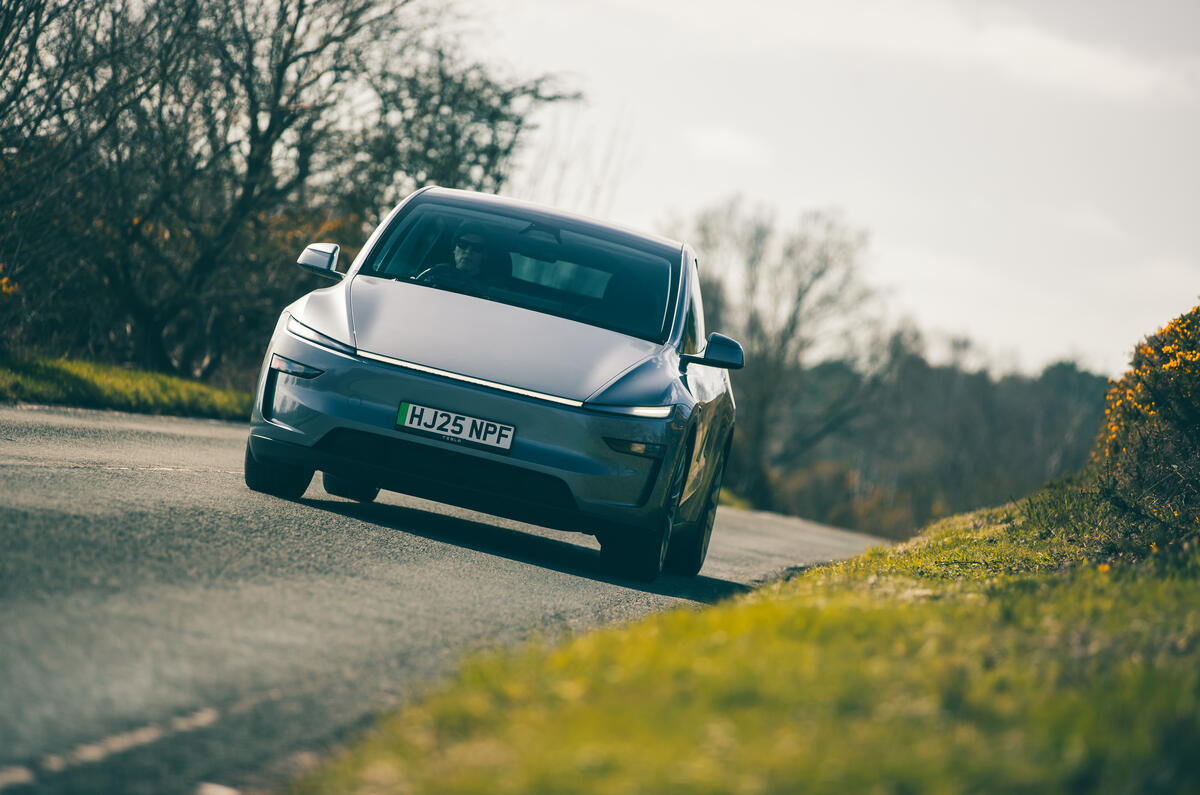
Tesla’s success in creating a less intrusive ADAS experience has significant implications for the future of automotive technology. It demonstrates that advanced safety features do not have to come at the expense of driver comfort and cognitive load.
This approach could pave the way for wider adoption and acceptance of ADAS. As these systems become more refined and user-friendly, they are likely to become a standard feature in all vehicles, contributing to a significant reduction in road accidents.
Furthermore, Tesla’s emphasis on a seamless integration of technology into the driving experience aligns with broader trends in the automotive industry. The focus is shifting from simply adding features to creating an intuitive and connected environment for the driver.
The implications extend beyond safety. A well-designed ADAS can reduce driver stress, improve fuel efficiency through smoother acceleration and braking, and ultimately enhance the overall enjoyment of driving. As autonomous driving technologies continue to develop, the ability to manage complex systems with minimal driver intervention will become even more critical.
Conclusion: A Benchmark for Future ADAS
The Tesla Model Y, in its current iteration, stands as a compelling example of how ADAS can be implemented effectively without becoming an annoyance. By prioritizing clear visual communication, subtle auditory cues, and intelligent threat assessment, Tesla has managed to create a system that enhances safety while respecting the driver’s need for focus and control.
As the automotive industry continues its relentless pursuit of technological advancement, other manufacturers would do well to learn from Tesla’s approach. The future of ADAS lies not in an endless barrage of beeps and alarms, but in intelligent, integrated systems that work in harmony with the driver, ultimately making our roads safer and our journeys more pleasant. The challenge remains to strike the delicate balance between robust safety interventions and the preservation of a serene driving environment, a balance that Tesla, with its Model Y, appears to have largely achieved.