In an era increasingly defined by the delicate balance between human expansion and natural preservation, Japan finds itself at the forefront of an innovative, yet challenging, solution to a pressing ecological dilemma: a dramatic surge in bear encounters within residential and agricultural areas. While nature traditionally offers solace and vital resources, its unpredictable power can also manifest as a direct threat, compelling communities to seek novel strategies for coexistence. In response to this escalating issue, a pioneering initiative in Japan is turning to advanced robotics, specifically the "Monster Wolf" robot, to deter these increasingly bold creatures and safeguard human populations. This strategic pivot highlights a broader global conversation about leveraging technology, including artificial intelligence and robotics, not merely for industrial advancement but as a crucial tool for environmental management and the intricate dance of human-wildlife relations.
The Unfolding Crisis: Japan’s Escalating Bear Problem
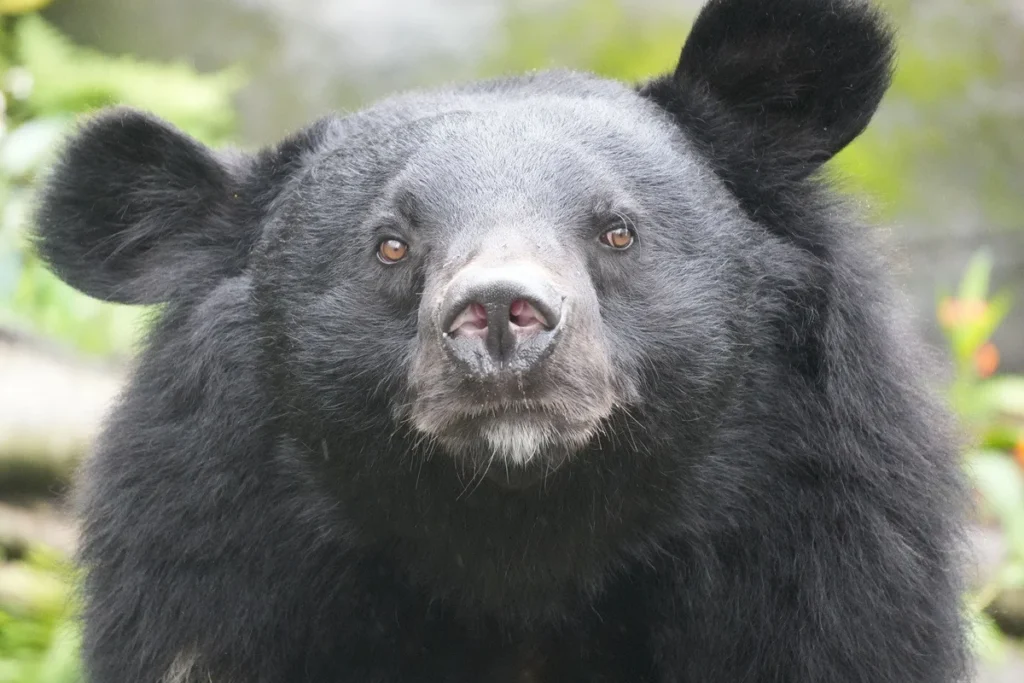
Over the past decade, Japan has experienced a marked and alarming increase in bear sightings and attacks, a trend that has intensified significantly in recent years. Traditionally confined to mountainous and forested regions, both the Asian black bear (Tsuki-no-wa-guma) and the Ussuri brown bear (Higuma), found predominantly in Hokkaido, are venturing with unprecedented frequency into urban fringes, agricultural lands, and residential neighborhoods. This shift poses a severe threat to public safety, resulting in injuries and, tragically, fatalities. According to data from the Ministry of Environment, the number of bear sightings and related incidents has reached record highs, with the fiscal year 2023 witnessing an exceptionally sharp spike in attacks across multiple prefectures, prompting urgent calls for effective intervention. Regions like Akita, Iwate, and Nagano have been particularly affected, recording dozens of incidents where bears have directly confronted humans, often in broad daylight and close to homes or schools.
The human cost of this escalation is profound. Beyond the immediate physical dangers, communities live in heightened anxiety, impacting daily routines, outdoor activities, and even local economies reliant on tourism. Farmers face substantial crop damage, while residents report property destruction and a pervasive sense of unease. Traditional deterrents, such as noisemakers, electric fences, and even regulated hunting, have proven insufficient to stem the tide of these increasingly bold incursions, necessitating a re-evaluation of current wildlife management strategies. The situation has underscored the urgent need for non-lethal, scalable solutions that can effectively keep bears at bay without resorting to widespread culling, which is often controversial and can disrupt delicate ecosystems.
The Rise of Robotic Deterrents: Introducing the Monster Wolf
Amidst this growing crisis, Japanese researchers and companies are pioneering a technological response, with the solar-powered "Monster Wolf" robot emerging as a prominent example. Developed by Ohta Seiki and tested extensively by the Hokkaido Research Organization, the Monster Wolf is not merely a static scarecrow but a sophisticated robotic deterrent designed to mimic the appearance and sounds of a formidable predator. Its most striking feature is its resemblance to a wolf, a species that once roamed Japan’s wilderness but is now extinct. By evoking the primal fear associated with wolves, the robot aims to exploit bears’ innate instinct to avoid larger, more dangerous carnivores.
Standing roughly 1.2 meters tall and covered in shaggy fur, the Monster Wolf features glowing red eyes, sharp fangs, and a menacing posture. Equipped with motion sensors, it activates when an approaching bear enters its detection zone. Upon activation, the robot unleashes a repertoire of intimidating actions: its head swivels, its body vibrates, and it emits a range of sounds, including wolf howls, growls, and even human voices. These sounds, amplified and varied, are specifically engineered to disorient and frighten bears, convincing them that a genuine threat is present. The strategic use of the extinct wolf’s howl is particularly ingenious, tapping into an ancient ecological memory that might still resonate with bears, even if their direct ancestors haven’t encountered a living wolf for over a century.
Each Monster Wolf unit costs approximately $4,000, a significant investment compared to a simple fence. However, its proponents argue that this cost is justified by its efficacy as a non-lethal alternative to lethal intervention, particularly in areas where human presence for direct confrontation would be too dangerous. The solar-powered design ensures autonomy and sustainability, allowing deployment in remote agricultural fields or forest edges without constant human oversight for power supply. Wolf Kamuy, the company responsible for commercializing the Monster Wolf, has reported a substantial increase in demand. Sales have reportedly doubled in response to the sharp rise in bear sightings around Japanese urban areas, particularly reflecting the urgency of the situation in the period leading up to and including 2023-2024. This surge in orders underscores the desperate need for practical solutions from affected communities and agricultural enterprises.
Expanding the Technological Frontier: Beyond the Fixed Installation
Recognizing the diverse scenarios in which human-bear encounters occur, the development of the Monster Wolf is not static. Wolf Kamuy is actively developing a much smaller, portable version known as the Monster Wolf Mini. At approximately eight inches tall, this compact robot is designed for individual use, offering a personal bear deterrent for people engaging in outdoor activities such as fishing, camping, hiking, or forestry work. The Mini aims to provide a proactive defense mechanism that individuals can carry with them, eliminating reliance on fixed installations. Testing for the Monster Wolf Mini is reportedly planned for the end of 2026, promising a future where personal safety in wilderness areas could be significantly enhanced by robotic companions.
However, these robotic deterrents are not envisioned as a standalone panacea for Japan’s complex bear problem. They are an integral component of a much broader, multi-faceted strategy. This comprehensive approach incorporates advanced AI-based monitoring systems that analyze movement patterns and predict bear activity, drone surveillance to track and guide bears away from populated zones, and the continued use of traditional methods such as trained bear dogs, which can safely deter bears without causing harm. The integration of these various technologies aims to create a robust, layered defense system that maximizes effectiveness while minimizing direct human intervention and lethal force. This holistic strategy acknowledges that no single solution can address the myriad factors contributing to the increased human-bear interface.
The Broader Context: Why the Surge in Bear Encounters?
The escalating frequency of bear encounters in Japan is a complex phenomenon driven by a confluence of ecological, social, and environmental factors. One primary contributor is habitat fragmentation and human encroachment. As urban areas expand and infrastructure projects penetrate deeper into forested regions, bear habitats shrink and become fragmented, pushing animals into closer proximity with human settlements in search of food and territory.
Climate change also plays a significant role. Warmer winters can reduce the length of bears’ hibernation periods, leading to longer active seasons and increased foraging time. Additionally, fluctuating weather patterns can affect the availability of natural food sources like acorns, chestnuts, and berries. When these natural food sources are scarce, bears, particularly younger or weaker individuals, are compelled to venture closer to human areas, where agricultural crops, household waste, and even pet food offer readily available, high-calorie alternatives.
Changes in rural demographics and agricultural practices also contribute. Depopulation in many rural Japanese areas means less human activity in traditional buffer zones between wilderness and towns. Abandoned farms and unharvested fields can become attractive foraging grounds for bears. Furthermore, a decline in traditional hunting practices, either due to fewer hunters or stricter regulations, can lead to localized increases in bear populations, further exacerbating the issue. These factors combine to create an environment where human-bear conflict becomes almost inevitable, challenging long-held notions of where human and wild spaces begin and end.

Challenges, Limitations, and Ethical Considerations
While promising, robotics is not a magic solution to Japan’s bear problem. These systems, particularly the larger Monster Wolf units, represent a significant financial investment at around $4,000 per unit. Beyond the initial purchase, they require regular maintenance, battery replacement, and potential software updates. Deploying and maintaining a sufficient number of these robots across the vast, diverse landscapes of Japan presents considerable logistical and financial hurdles.
Moreover, the long-term effectiveness of such deterrents is subject to debate. Wildlife experts caution against the potential for habituation. Bears are intelligent and adaptable creatures; repeated exposure to the same robotic deterrents could eventually lead them to recognize the robots as harmless, diminishing their fear response. This "habituation effect" has been observed with other wildlife deterrents and poses a significant challenge for any long-term technological solution. The effectiveness can also vary based on individual bear behavior, age, and previous experiences with humans. A young, inexperienced bear might be easily scared, while an older, bolder individual or a mother protecting cubs might react differently.
From an ethical standpoint, the use of robotic deterrents raises questions about human intervention in natural ecosystems. While non-lethal, these robots still actively alter animal behavior and movement patterns. Conservationists ponder whether it is truly sustainable to continually push wildlife away rather than addressing the root causes of their encroachment, such as habitat loss and food scarcity. There is a delicate balance between protecting human life and respecting the natural world, and technology must navigate this complex terrain carefully. The goal is not merely to "fight back bears" but to foster a sustainable coexistence, even if that coexistence is mediated by technology.
Official Responses and Expert Perspectives
Local and national authorities in Japan are actively engaged in addressing the bear crisis. The Ministry of Environment, in collaboration with prefectural governments, has intensified public awareness campaigns, advising residents on how to avoid encounters and what to do if one occurs. There is also a concerted effort to share best practices for waste management to prevent attracting bears to residential areas. While the government acknowledges the role of traditional methods, there is a clear interest in exploring and supporting innovative technological solutions like the Monster Wolf.
Wildlife experts, while cautiously optimistic about the potential of robotic deterrents, emphasize the need for integrated strategies. Dr. Akio Tanaka, a wildlife biologist specializing in bear behavior, notes, "Robots like the Monster Wolf offer a valuable tool in our arsenal, particularly for immediate deterrence in high-risk areas. However, they must be part of a broader conservation and management plan that includes habitat restoration, public education, and careful monitoring of bear populations. Relying solely on technology without addressing underlying ecological issues would be a short-sighted approach." He also stresses the importance of continuous research into bear responses to these technologies to prevent habituation.
Wolf Kamuy representatives express confidence in their products, highlighting the positive feedback received from agricultural communities where the Monster Wolf has reportedly reduced crop damage and sightings. A spokesperson stated, "Our goal is to provide a humane and effective way to protect both people and property. The Monster Wolf is designed to leverage a bear’s natural instincts, creating a psychological barrier rather than a physical one. We believe this approach fosters a safer environment for everyone." They underscore the company’s commitment to continuous improvement and diversification of their robotic solutions, including the upcoming Monster Wolf Mini.
The Future of Technology in Nature Preservation
The deployment of robotic deterrents in Japan represents a microcosm of a much larger, global discussion about the role of advanced technology in nature preservation. For decades, humanity’s technological drive has been perceived, often justifiably, as a primary antagonist to the environment, leading to pollution, habitat destruction, and species extinction. Yet, an emerging paradigm suggests that the very tools that have contributed to these challenges could, paradoxically, offer solutions for reversal and restoration.
Consider the evolution of energy technology: the shift from fossil fuels to renewable sources, and the potential future of practical fusion power, exemplifies how technological progression can mitigate the environmental damage caused by earlier, less sustainable innovations. The same principle applies to AI and robotics. Instead of being solely focused on resource extraction or industrial efficiency, increasingly capable machines can be harnessed for environmental monitoring, protection, and restoration.
The potential applications are vast and transformative. AI could analyze vast datasets to monitor animal populations, track biodiversity changes, and predict ecological shifts with unprecedented accuracy. Drones, equipped with thermal cameras and advanced sensors, could track endangered species, monitor remote habitats for illegal poaching activities, or even assist in reforestation efforts by precisely dropping seeds. Autonomous robots could patrol sensitive environments, collecting data, detecting environmental anomalies, and even removing invasive species without disturbing native wildlife. This allows humans to maintain a deep understanding of ecosystems while reducing their physical footprint and minimizing disruptive presence.
The true power lies in the synergistic combination of AI and robotics. Humans are inherently limited by physical endurance, data processing capacity, and the sheer scale of the natural world. A network of interconnected, autonomous systems, powered by AI, could potentially monitor vast forests, track ocean health, or safeguard remote nature reserves continuously, identifying problems – from poaching and illegal logging to disease outbreaks and pollution – long before human observers could. This constant, vigilant oversight could provide critical early warnings, enabling timely and targeted interventions.
As technological development accelerates, the vision of a future where nature and advanced technology coexist, and indeed, mutually support each other, becomes increasingly plausible. Robotics and AI are not merely tools for deterring bears in Japan; they are becoming essential instruments in humanity’s quest to understand, protect, and restore the planet’s invaluable biodiversity. This evolving relationship suggests that the most advanced technologies we develop might ultimately become some of the most important allies in ensuring the long-term health and survival of our natural world, offering a hopeful, albeit complex, path forward for human-wildlife coexistence.