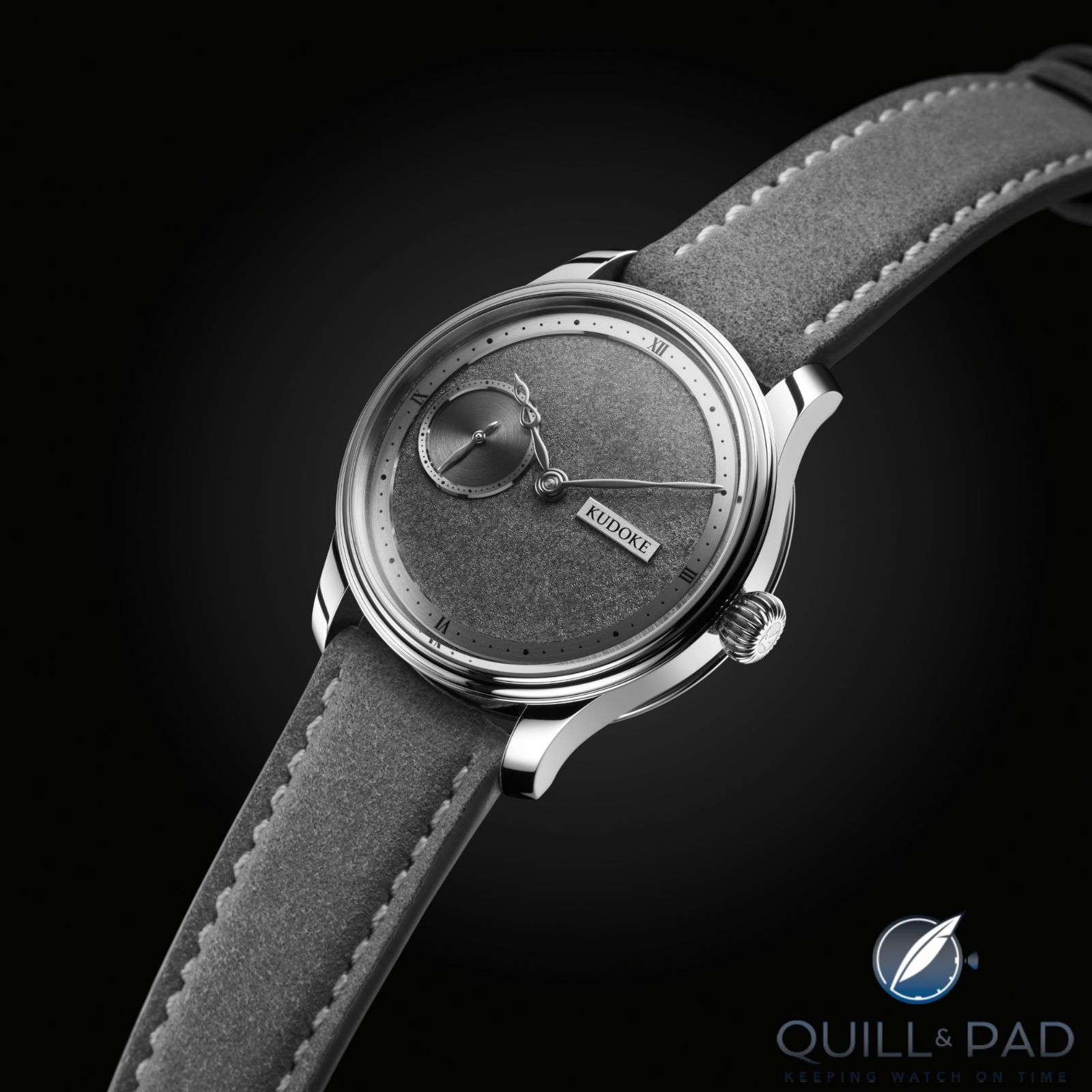
In early April 2026, Kudoke unveiled the Tremblage versions of its renowned Kudoke 1 and Kudoke 2 models, marking a significant expansion of its prestigious Handwerk collection. These new timepieces are distinguished by their captivating dials, meticulously adorned with traditional, centuries-old hand-engraving techniques, a hallmark of the brand’s commitment to artisanal craftsmanship. The introduction of tremblage, a highly specialized and labor-intensive decorative art form, elevates these watches into a league of severe decorative style, offering a unique aesthetic that blends austere elegance with intricate detail.
The Art of Tremblage: A Deep Dive into its Complexity
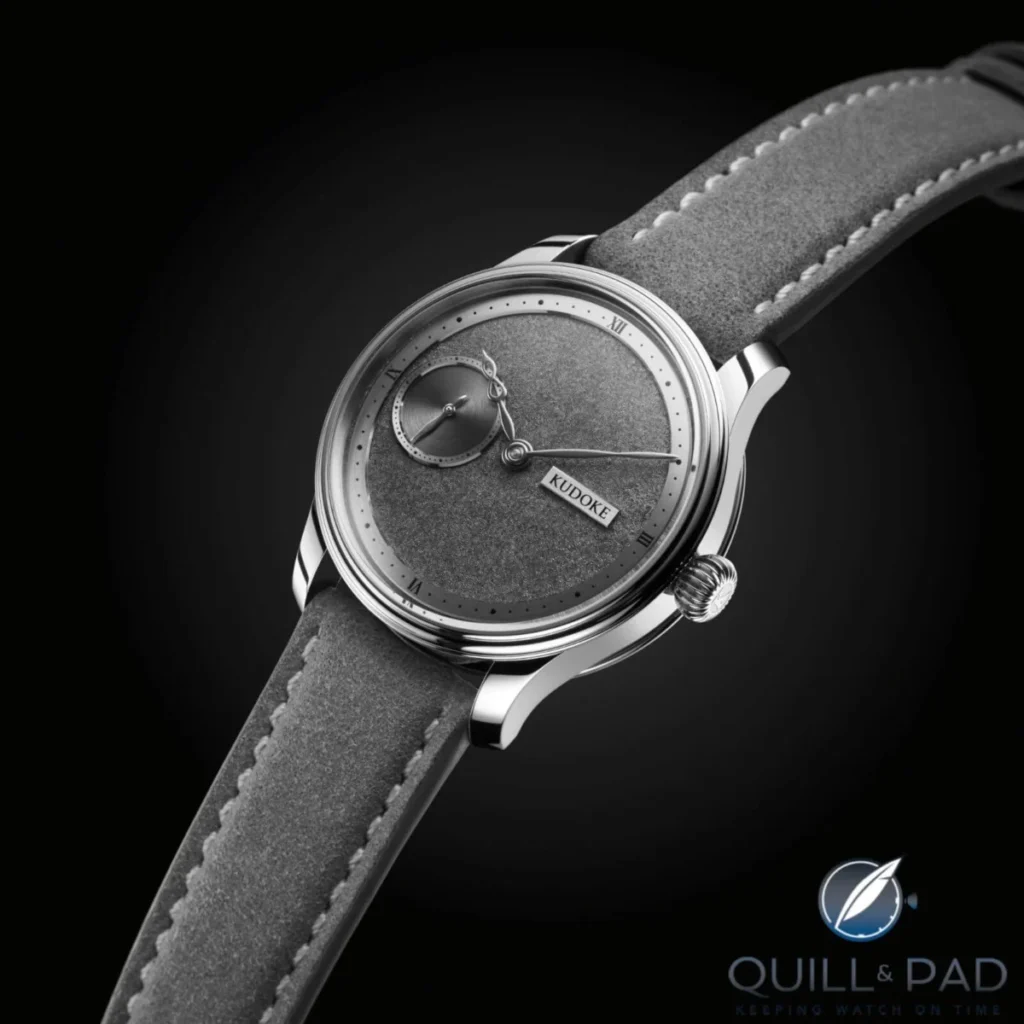
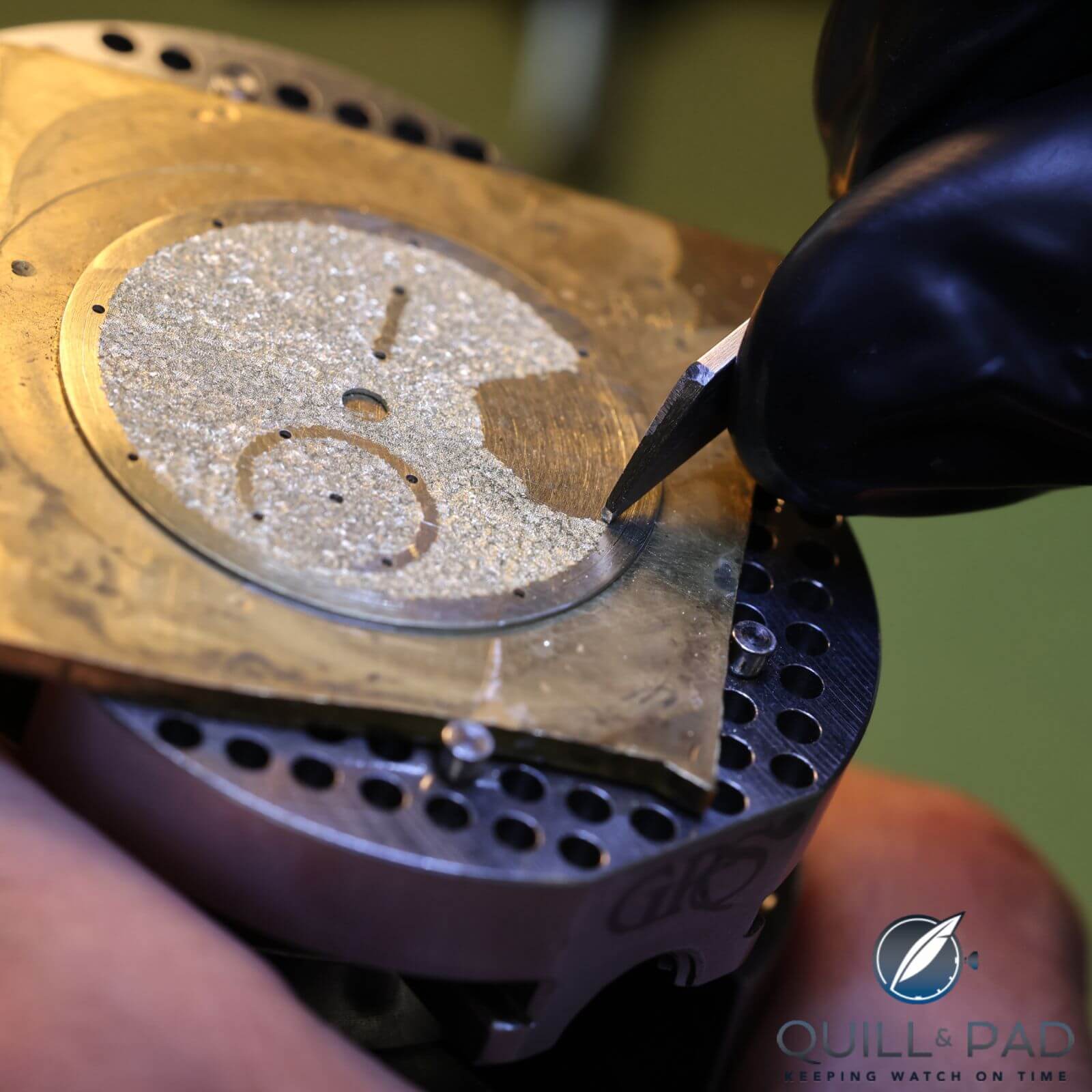
The defining characteristic of the tremblage technique, setting it apart from other engraving methods, lies in its creation of a uniform yet seemingly chaotic texture on the treated surface. Unlike engravings that produce clearly structured images – ranging from the figurative motifs of classical techniques to the precise geometric ornaments of guilloché – tremblage achieves its effect through the repeated, multi-directional application of a burin. To create this signature textured finish, each section of the surface is traversed numerous times in varying directions by an oscillating burin. This process is both the technique’s greatest strength and its most significant challenge. The creation of this seemingly modest texture demands exceptional skill from the engraver and an considerable investment of time. The oscillating movement of the burin creates a dense pattern of tiny, overlapping facets that catch and reflect light in a dynamic, almost dappled manner, imparting a unique depth and dimensionality to the dial.
This level of artisanal dedication means that only a select few watchmaking brands dare to practice this elaborate decoration. A. Lange & Söhne, a pioneer in bringing the tremblage technique into modern horology, first utilized it to adorn the dials of select models within its Handwerkskunst line, renowned for its extremely limited production quantities. The inaugural timepiece to feature this intricate dial decoration was the Richard Lange Tourbillon "Pour le Mérite" Handwerkskunst Ref. 761.050, introduced in 2011. A total of just 15 pieces of this extraordinary watch were produced, cementing its status as a highly coveted collector’s item.
A Growing Fraternity: Brands Embracing Tremblage
The allure of tremblage has since inspired other esteemed watchmakers. Moritz Grossmann, a neighboring manufacture in Glashütte, launched its own Tremblage series in 2021. These watches feature dials crafted from nickel silver, a material that, when subjected to tremblage engraving, develops a unique patina over time. This evolving surface treatment leads to unpredictable yet beautiful color shifts, adding another layer of individuality to each timepiece. Since its debut, Moritz Grossmann’s Tremblage line has expanded significantly, now encompassing at least four core designs: the Backpage Tremblage, the Tourbillon Tremblage, the Tremblage Gold (which notably includes a platinum variant), and the Tremblage Green. This sustained focus on the technique has proven successful, with Moritz Grossmann’s Tremblage models now appearing more frequently in online marketplaces than those of its pioneering predecessor, A. Lange & Söhne.
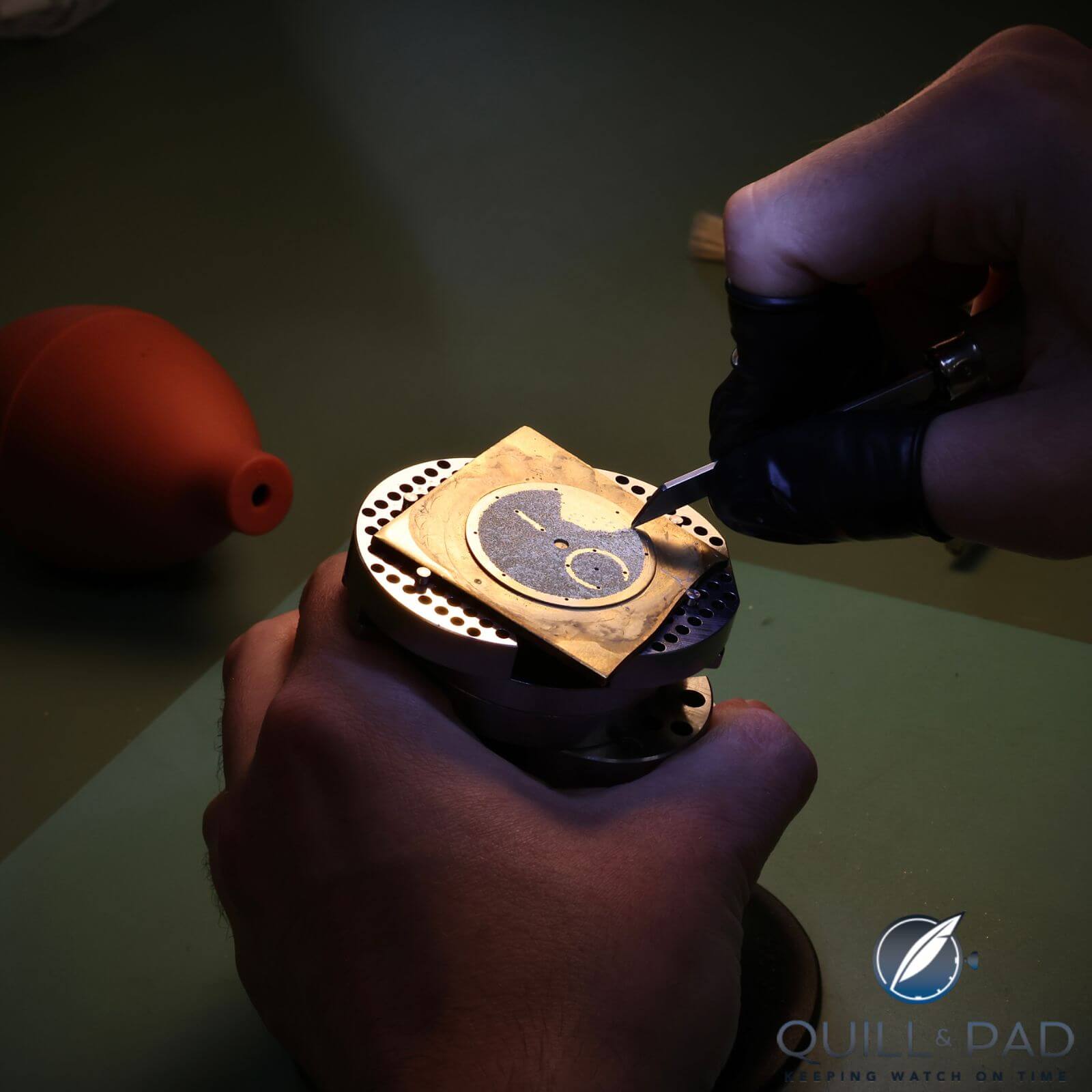
The "tremblage club" continued to grow in subsequent years. In 2024, Grönefeld, through its sub-brand Manueel One watches, introduced its own interpretation of tremblage. This was followed in 2025 by Armin Strom with its Armin Strom 1736 Revolution Dual Time GMT Resonance "Tremblage" watch, reportedly produced in a mere five examples. The most recent addition to this exclusive circle, as of early 2026, is Stefan Kudoke, with his new tremblage versions of the Kudoke 1 and Kudoke 2.
Stefan Kudoke’s Ingenious Approach to Tremblage
Stefan Kudoke, known for his consistent ability to deliver collector-grade watches at accessible price points, has approached the tremblage technique with characteristic ingenuity. His method for achieving the desired tremblage texture efficiently and economically involves several clever adaptations. Firstly, he opts for a brass plate as the dial base, rather than solid gold or German silver, which are more traditional but also more costly materials. Secondly, the dial design is based on a flat plate, which is subsequently electroplated and fitted with appliqués. This construction method simplifies the engraving process, as areas adjacent to the appliqués do not require precise finishing right up to the edge; the margins of the engraved area are discreetly hidden beneath the applied elements.
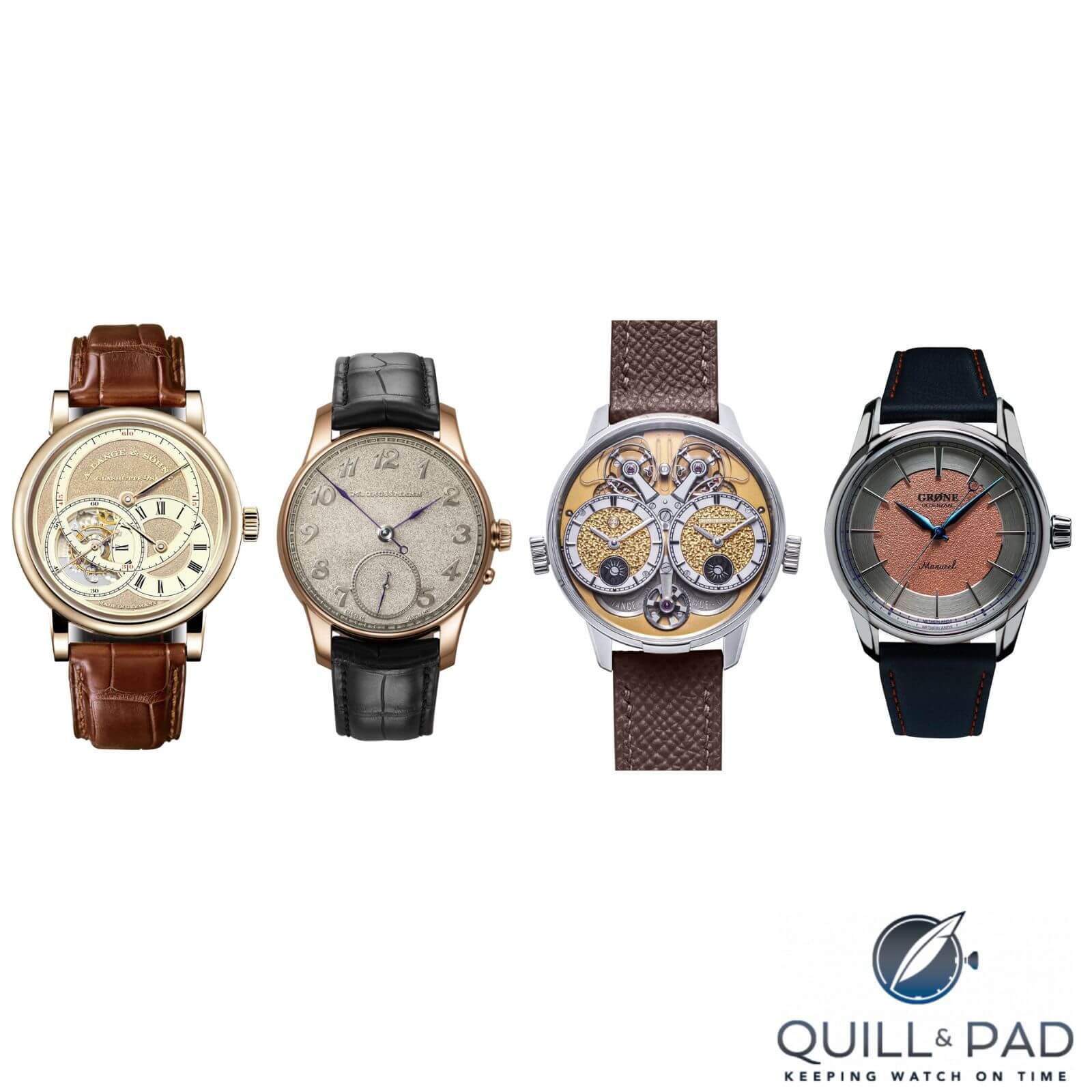
Perhaps the most significant innovation in Kudoke’s approach is the use of a serrated burin. This specialized tool allows him to achieve a consistent tremblage texture much more rapidly than would be possible with a traditional, finely pointed burin. By focusing on the maximum coverage and impact of the tremblage effect, Kudoke ensures that the dials possess the striking visual appeal that is the hallmark of this demanding technique.
Kudoke 1 and 2 Tremblage: A Fusion of Tradition and Modernity
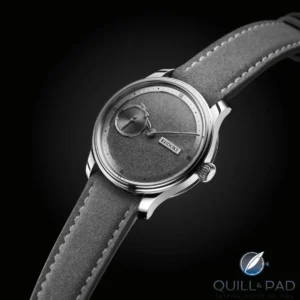
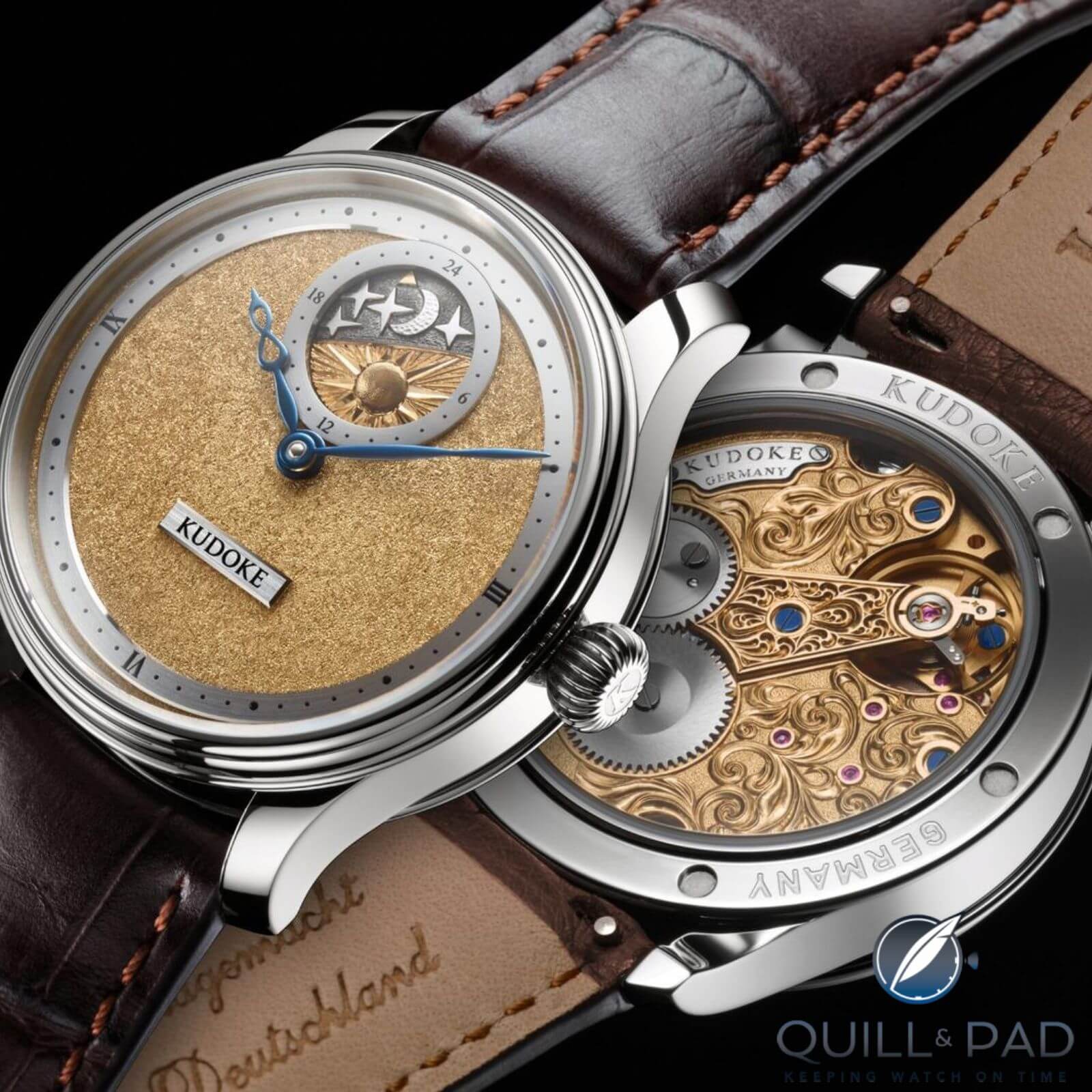
In the Kudoke 1 model, the main tremblage dial section is artfully integrated with a small seconds subdial positioned at the 9 o’clock mark. For the Kudoke 2 model, the tremblage dial serves as a sophisticated backdrop for a day/night indicator. The uniform, chaotic texture of the tremblage imbues these watches with a distinct aesthetic that transcends typical decorative timepieces. The matte finish achieved through this technique lends them a visual character that is somewhat reminiscent of military-inspired designs, presenting a style that is both austere and compelling, rather than overtly ornate.
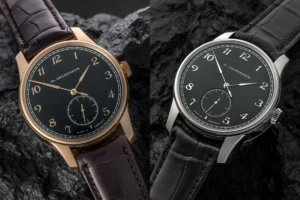
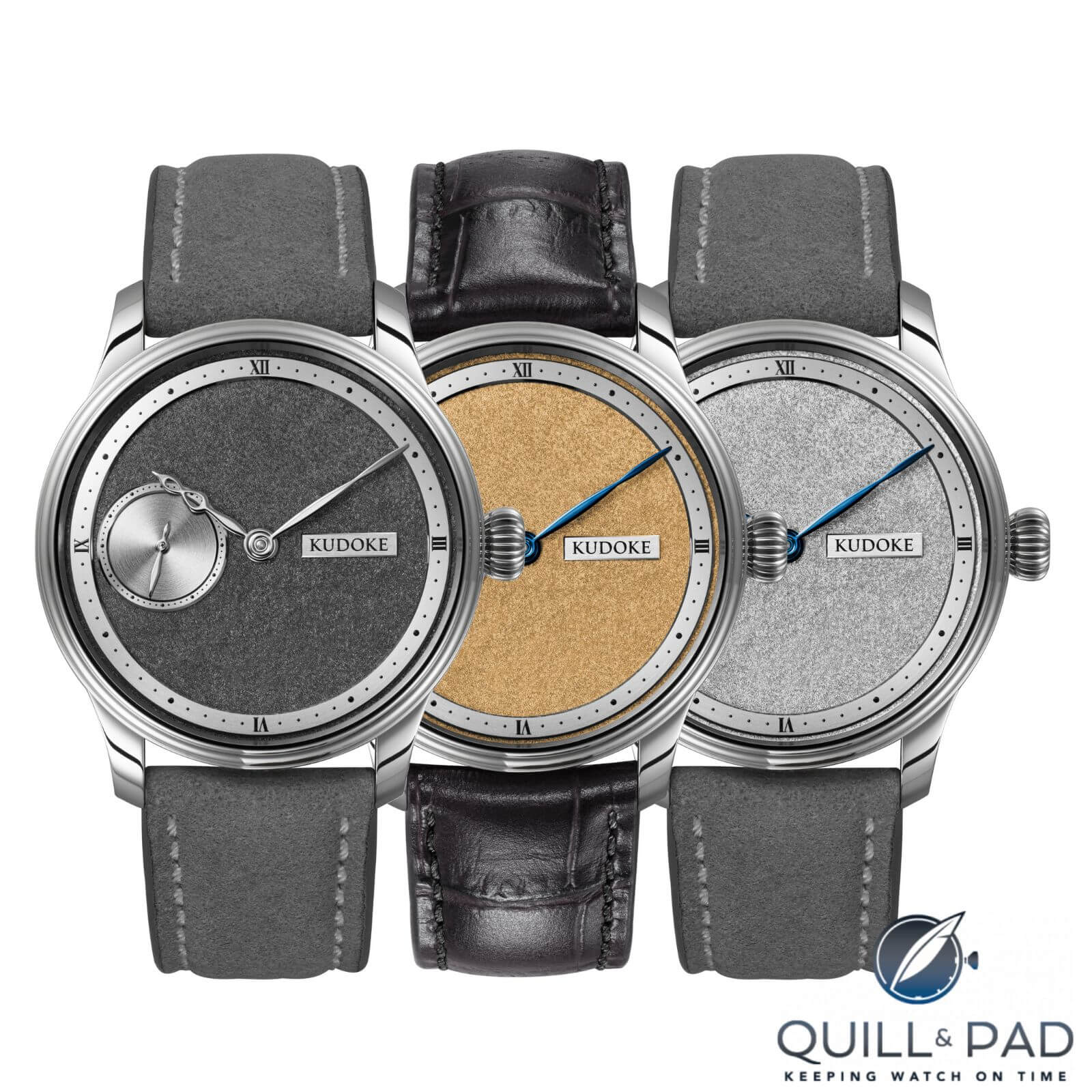
Stefan Kudoke offers the Kudoke 1 Tremblage in three distinct variations, each featuring a different dial finish: gold-plated, rhodium-plated, and black rhodium-plated. All three are visually convincing, but the versions with blued hands are particularly noteworthy. These blued hands add an additional, fitting archaic note, largely attributed to their well-chosen spade-and-whip shapes. These hand styles, coincidentally, first appeared in the late 18th century, with John Arnold being one of the earliest watchmakers to regularly employ them in the 1770s. Kudoke’s signature double-ended hour hand, designed to resemble a horizontal figure eight or infinity symbol, also evokes a connection to traditional half-hunter pocket watches, specifically their double-spade hour hands. This stylistic resonance suggests a thoughtful dialogue between historical horological elements and contemporary watch design.
The Heart of the Matter: Kudoke’s Kaliber 1 Movement
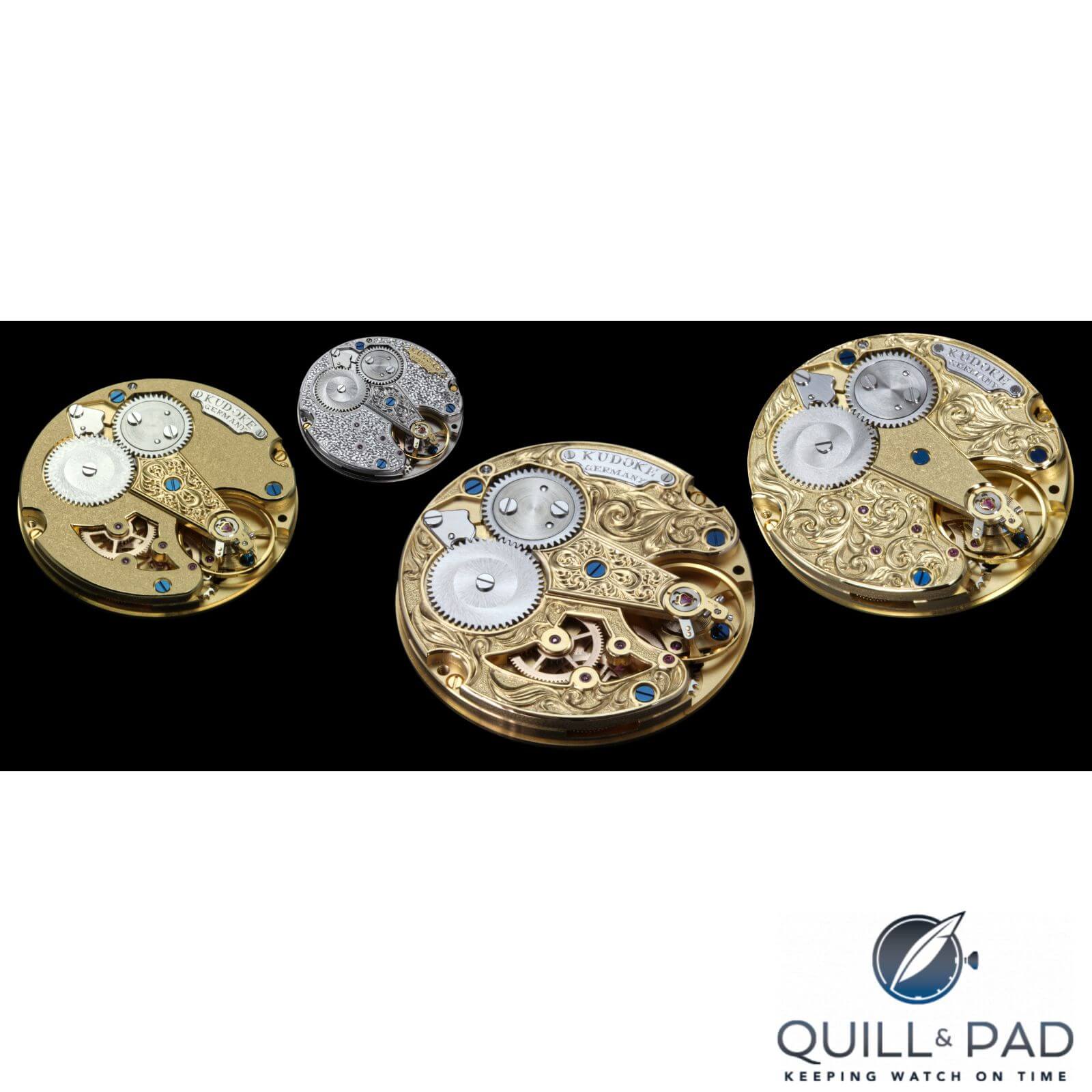
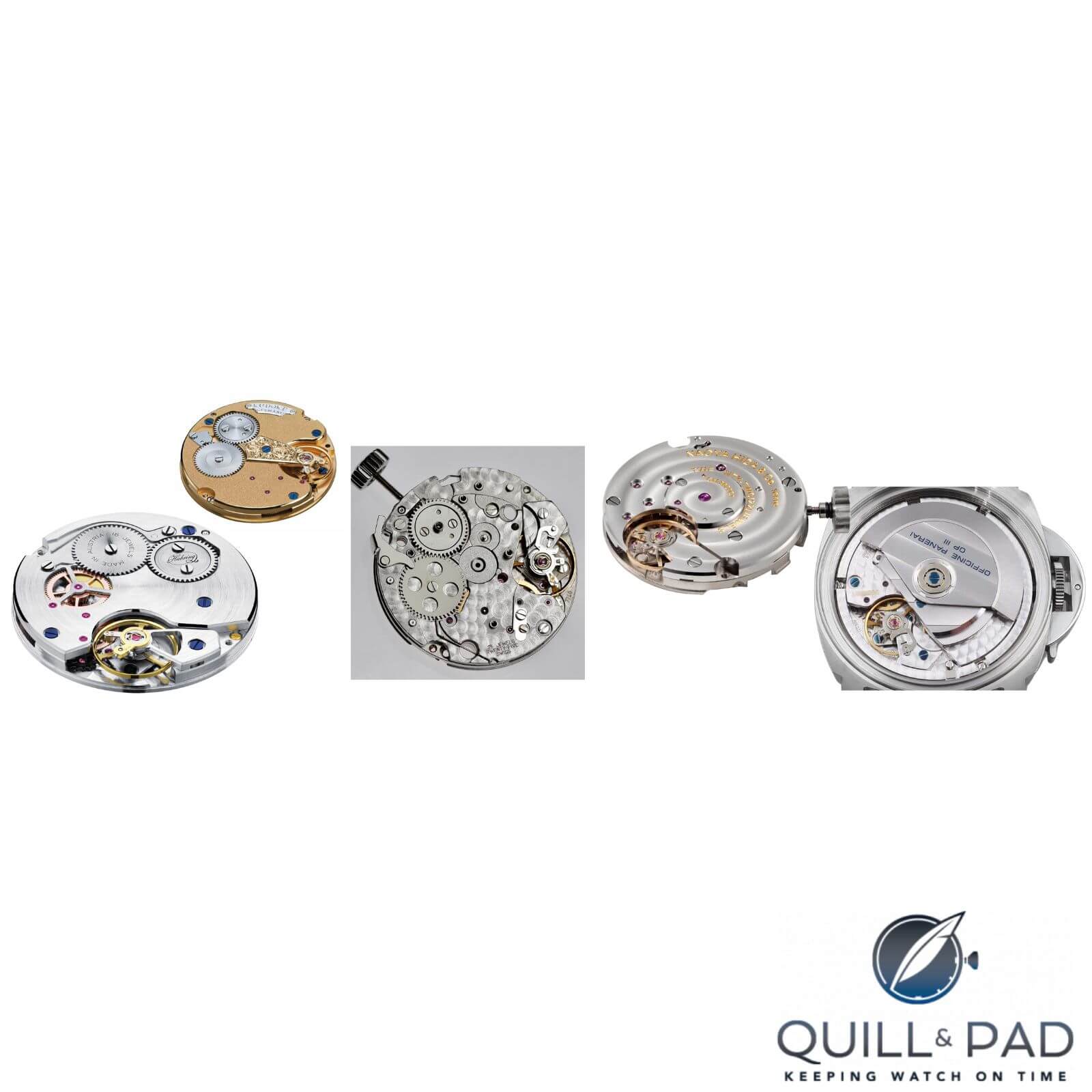
A crucial aspect of any independent watchmaker’s creation is the movement that powers it. When examining a watch from a small, independent, and creative brand like Kudoke, the natural inclination is to admire the craftsmanship visible through the sapphire caseback. It is always a rewarding experience to discover a special movement that sets a watch apart from those powered by more common, mass-produced calibers. Kudoke’s flagship Handwerk collection, including the new Tremblage models, is built around such a unique caliber, simply named Kaliber 1. This movement shares no commonality with industrial, mass-produced options.
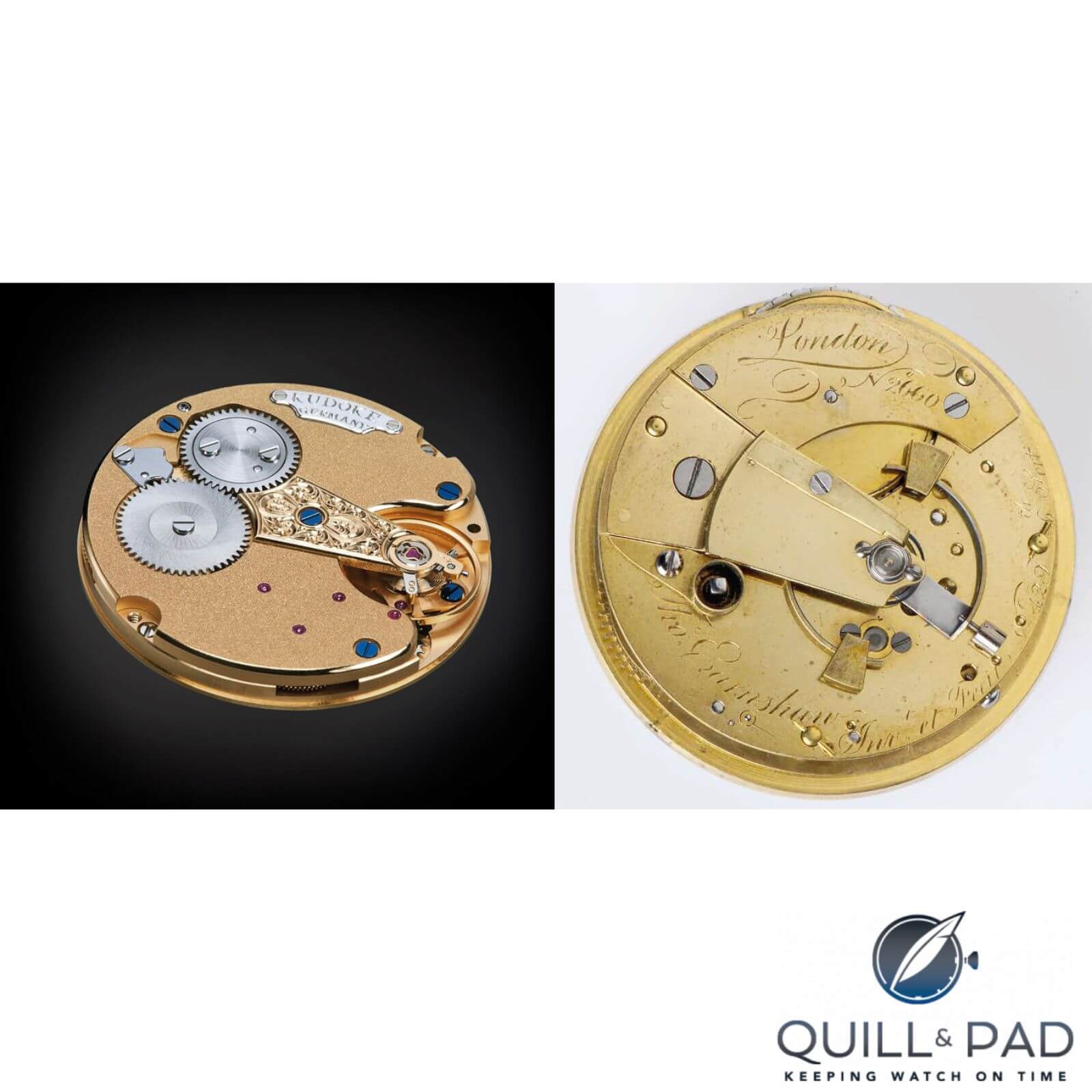
The design of Kaliber 1 is immediately striking and clearly unique. Stefan Kudoke himself acknowledges that its origins trace back to an antique English pocket watch caliber from the 19th century that he acquired. The design lineage of this type of movement can be traced to the final quarter of the 18th century. During that era, certain English watchmakers, including luminaries like John Arnold and Thomas Earnshaw, who maintained the innovative spirit characteristic of their nation’s horologists in the 17th and 18th centuries, began to move away from ornate Baroque balance cocks. They embraced the emerging aesthetics of the Industrial Revolution, equipping their movements with symmetrically positioned, simply shaped, stepped trapezoidal balance cocks.
The central balance cock of Stefan Kudoke’s Kaliber 1 movement, slightly elevated above the symmetrical backplate and flanked by the crown wheel and ratchet wheel, is a captivating feature. Its unusual design makes its historical antecedents somewhat elusive without specific guidance. Internet research is often required to uncover the fascinating history of this distinctive caliber.
The 7750 Legacy: A Foundation for Independent Horology
The story behind Kudoke’s Kaliber 1, and indeed the broader trend of independent watchmakers utilizing modified base calibers, is rooted in a challenge faced by many in the early 2000s. This challenge stemmed from Nicolas Hayek Sr.’s 2002 strategy for the Swatch Group, which included a decision to cease supplying ébauches (unfinished movements) to companies outside of his corporation. This move prompted Austrian independent watchmaker Richard Habring, who had built a reputation for adapting the ubiquitous Eta/Valjoux 7750 chronograph caliber for various complications, to develop his own base movement. He was able to do so by leveraging the fact that the intellectual property rights for the 7750, originally developed in 1972, had long since expired.
Technically, this approach involves utilizing the kinematic components of the base movement – essentially, the fundamental architecture of the 7750 stripped of its chronograph and automatic winding mechanisms. In 2011, Richard Habring successfully developed the A11 caliber, his own interpretation of the essential 7750 movement, conceived as it might have been if produced in its simplest form since the 1970s.
Richard Habring was not alone in this endeavor. Naoya Hida, a Japanese entrepreneur who founded his eponymous brand in 2018, also relies on the stripped-down 7750 caliber as the foundation for the movements in his collection. Around the same period, in 2018, Stefan Kudoke began a collaboration with Richard Habring, adapting the A11 caliber to his own design specifications, incorporating a symmetrical layout and a central balance cock.
Mr. Habring, Mr. Hida, and Mr. Kudoke are all justified in drawing upon the "preserved gold remnant" of the 7750. By the early 1970s, Swiss watchmakers had indeed perfected the art of creating simple manual-winding calibers with minimal functionality, typically comprising two or three hands, with a small seconds subdial adding little kinematic complexity to a basic two-hand movement. It is important to note, however, that from the perspective of the early 1970s, the automatic winding system was still considered an advanced feature. When combined with a chronograph, it represented a truly avant-garde technical development. To fully appreciate the evolution of self-winding chronographs, it is pertinent to recall that the first automatic Rolex Daytona was introduced in 1988, a full 16 years after the Valjoux 7750 entered production.
Panerai’s Strategic Use of the 7750 Foundation
Another notable example of leveraging the 7750’s foundational elements can be found with Panerai. For this brand, Soprod reportedly stripped down the 7750 movement to create its three-hand OP III self-winding caliber in the late 1990s. Panerai’s rationale for employing this caliber during the early and mid-Richemont era was straightforward: the brand capitalized on the caliber’s inherent characteristic – the small seconds subdial positioned at 9 o’clock (technically classified as a Lepine-type caliber). This layout allowed Panerai to recreate a rugged iteration of the military aesthetic, which, according to the brand’s official history, originated in 1956 with the Egiziano models featuring the 8-day Angelus cal. SF240 movement, which also had the small seconds at the 9 o’clock position. This particular feature provided a direct link to Panerai’s historical narrative and its rugged military image. As a tangential note, Panerai also extensively utilized the OP III in models of the Sealand line (originally Black Seal), launched in 2002 and continuing until approximately 2011. These watches, far from being austere, were often highly decorative, demonstrating a contrasting application of the same movement.
Kudoke’s Distinctive Contribution to Decorative Horology
Within the relatively niche field of watches featuring tremblage finishing, Kudoke’s creations stand out for their uniquely distinctive style, arguably one of their most significant qualities. Stefan Kudoke offers his personal vision of decorative watches, avoiding the excessive ornamentation that can sometimes overwhelm modern pieces in this genre. His approach emphasizes a refined elegance, where the intricate beauty of the tremblage technique serves to enhance, rather than dominate, the overall design.
The unveiling of the Kudoke 1 and Kudoke 2 Tremblage models in April 2026 underscores a growing appreciation for traditional artisanal techniques within contemporary watchmaking. By masterfully integrating the demanding tremblage engraving with his unique movement design and aesthetic sensibilities, Stefan Kudoke continues to solidify his reputation as a leading independent watchmaker, offering timepieces that are both technically sophisticated and artistically compelling. The enduring appeal of the tremblage technique, preserved and reinterpreted by artisans like Kudoke, ensures that these highly decorative watches will remain objects of fascination for collectors and enthusiasts alike.