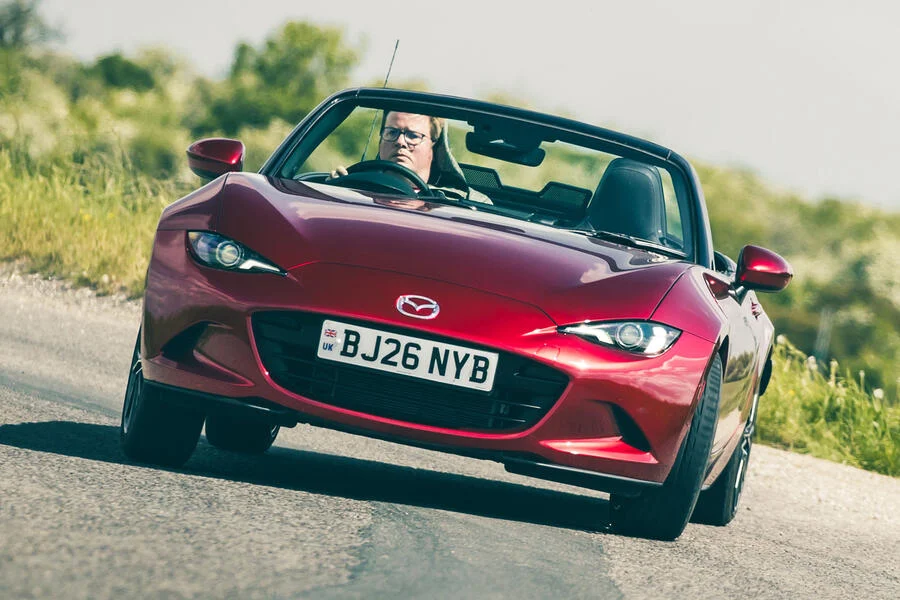
The iconic Mazda MX-5 in its 1.5-litre configuration is set to receive a subtle yet significant upgrade, with Mazda confirming a modest increase in power and the integration of new equipment. This strategic adjustment comes as the brand officially withdraws the more potent 2.0-litre engine option from the United Kingdom market, a move driven primarily by evolving emissions regulations. The updated 1.5-litre model is slated for a January arrival in the UK, signaling a new chapter for the beloved roadster.
Power Enhancement and Engineering Philosophy
The 1.5-litre Skyactiv-G engine, the heart of the revised MX-5, will now deliver a peak output of 134 brake horsepower (bhp) and 114 pound-feet (lb ft) of torque. This represents a marginal increase of 4 bhp and 3 lb ft over its predecessor. While this enhancement contributes to a livelier driving experience, it is important to note that this performance level remains considerably below the figures achieved by the now-discontinued 2.0-litre variant. The outgoing 2.0-litre engine boasted a more substantial 181 bhp and 151 lb ft of torque, positioning it as the performance-oriented choice for enthusiasts seeking more aggressive acceleration and top-end power.
Mazda, however, is keen to underscore that the 1.5-litre engine is the powerplant around which the current generation of the MX-5 was intrinsically designed. In a statement provided to Autocar, the Japanese automaker articulated its rationale, emphasizing that the 1.5-litre’s "light weight, responsive and accessible performance perfectly reflect [Mazda’s philosophy of] Jinba Ittai". This Japanese concept, translating to "horse and rider as one," encapsulates Mazda’s long-held commitment to creating vehicles that foster a seamless and intuitive connection between the driver and the machine. The 1.5-litre engine, with its characteristically nimble and engaging delivery, is seen as the purest embodiment of this philosophy, offering a driving experience that prioritizes agility and driver involvement over sheer brute force.
Beyond the power bump, Mazda has also undertaken revisions to the engine’s acoustic profile. The company claims these enhancements are aimed at delivering "better driver engagement," suggesting a more evocative and satisfying exhaust note that complements the spirited driving dynamics. Furthermore, these powertrain adjustments have resulted in a slight reduction in environmental impact, with the updated engine now emitting 1 gram per kilometre (g/km) less CO2 than before. This incremental improvement aligns with broader industry trends towards greater fuel efficiency and reduced emissions.
Equipment Upgrades and Handling Dynamics
The introduction of new equipment is another key aspect of the 1.5-litre MX-5’s update. The range-topping Homura and Homura Plus trim levels will now benefit from the inclusion of Bilstein dampers and a front strut brace. These components were previously exclusive to the 2.0-litre models and are renowned for their ability to significantly sharpen the roadster’s handling characteristics. The Bilstein dampers are engineered to provide superior damping control, allowing for more precise body movements and improved ride composure during spirited driving. The front strut brace, meanwhile, enhances chassis rigidity, reducing flex and further contributing to a more responsive steering feel and greater cornering stability.
However, the departure of the 2.0-litre engine also signifies the removal of a highly sought-after performance feature: the asymmetrical limited-slip differential (LSD). This advanced differential, which was standard on the 2.0-litre models, played a crucial role in optimizing traction and enabling more controlled power delivery, particularly when exiting corners. Its absence from the 1.5-litre lineup means that drivers seeking the ultimate in driving engagement and on-the-limit handling may find the updated model less appealing in this specific regard. The asymmetrical LSD was a significant contributor to the 2.0-litre MX-5’s reputation as a true driver’s car, and its removal marks a notable compromise in the pursuit of performance.
Market Context and Regulatory Pressures
The decision to discontinue the 2.0-litre MX-5 in the UK market is a direct consequence of increasingly stringent emissions regulations across Europe. As first reported by Autocar, these regulatory shifts have necessitated a reassessment of engine offerings by manufacturers worldwide. A spokesperson for Mazda UK elaborated on this point, stating, "The 2.0-litre was dropped from the European markets in 2024 due to changing emissions regulations. However, due to different derogation timings in the UK, we were able to continue with an extended sales period. This period has now ended and we will cease sales of the 2.0-litre Mazda MX-5 in the UK once the existing stock has been sold."
This timeline indicates that Mazda UK anticipates exhausting its remaining inventory of new 2.0-litre models around the same time the updated 1.5-litre variant arrives in January. The extended sales period in the UK was a benefit of specific national derogations, allowing the company to continue offering the more powerful engine for a limited duration after its discontinuation in the broader European market. The cessation of sales for the 2.0-litre model marks the end of an era for enthusiasts who favored its enhanced performance capabilities.
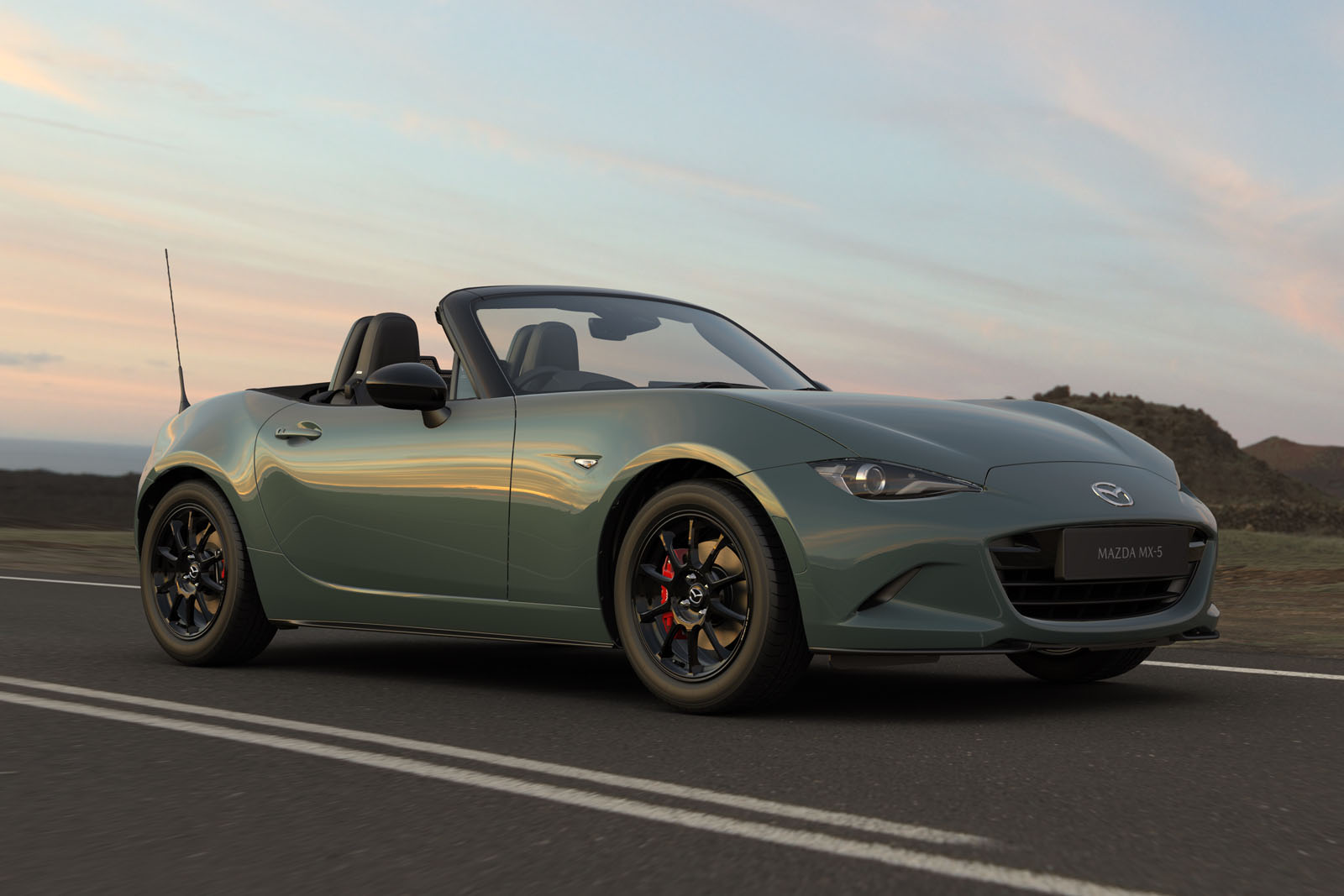
The future of the MX-5 in the UK, while seemingly secure with the updated 1.5-litre model, is also subject to broader market dynamics. The current generation of the MX-5 has been on the market for over a decade, and sales have seen a gradual decline in recent years. Data indicates a significant drop from approximately 4,000 units sold in 2019 to around 1,500 units in the subsequent years. Despite this trend, the MX-5 remains a halo model for Mazda in the UK, representing the brand’s dedication to sporty and engaging driving experiences.
Mazda has emphasized its commitment to the affordability of the MX-5, highlighting that it "is one of only three sub-£30,000 convertibles on sale in the UK." This positioning aims to ensure that the car remains accessible to a wide range of enthusiasts, further solidifying its appeal as a value-for-money sports car. Pricing for the updated 1.5-litre model is yet to be announced, but this statement suggests that Mazda will strive to maintain a competitive price point.
Legacy and Critical Acclaim
The Mazda MX-5 holds a revered position in automotive history, consistently lauded for its pure, unadulterated driving pleasure. Since its debut in 1989, it has become the best-selling two-seater sports car of all time, a testament to its enduring appeal. The current generation, known internally as the ND, has continued this legacy, receiving widespread critical acclaim for its lightweight construction, agile handling, and driver-focused design.
The critical praise for the 2.0-litre variant in particular was substantial. Autocar itself bestowed a rare five-star rating upon the 2.0-litre MX-5 in its road tests this year, eloquently describing it as the "definitive sports car." This accolade underscores the exceptional driving dynamics and overall package that the 2.0-litre model offered, cementing its status as a benchmark in the segment. The departure of this variant, therefore, represents a loss for those seeking the pinnacle of MX-5 performance.
Implications for the Market and Enthusiasts
The strategic shift by Mazda has several implications for the UK automotive market and for MX-5 enthusiasts. Firstly, the focus on the 1.5-litre engine reinforces Mazda’s commitment to its core Jinba Ittai philosophy, prioritizing a connected and engaging driving experience that is accessible to a broader audience. The power increase and equipment upgrades for the 1.5-litre model demonstrate an effort to enhance its appeal, even without the outright performance of the 2.0-litre.
Secondly, the withdrawal of the 2.0-litre engine due to emissions regulations highlights the pervasive influence of environmental legislation on the automotive industry. Manufacturers are increasingly under pressure to downsize engines, adopt electrification, or face significant penalties. The MX-5, with its relatively small displacement engines, has been more adaptable than many larger, more powerful vehicles, but even it is not immune to these pressures. This trend suggests that future iterations of sports cars, particularly those with internal combustion engines, may continue to face similar challenges in meeting ever-tightening emissions standards.
For existing and prospective MX-5 owners, the updated 1.5-litre model offers a compelling proposition. It retains the fundamental DNA of the MX-5 – lightweight, agile, and fun to drive – with added refinements. However, those who prioritized the extra performance and the unique driving characteristics imparted by the asymmetrical limited-slip differential will need to either seek out a used 2.0-litre model or adjust their expectations. The market for used 2.0-litre MX-5s may see increased demand from enthusiasts looking to acquire the most potent version of the current generation.
The enduring appeal of the Mazda MX-5, even in its more accessible 1.5-litre form, is likely to continue. Its status as a halo model for Mazda, coupled with its reputation for delivering pure driving enjoyment at an attainable price point, positions it well to navigate the evolving automotive landscape. The updated 1.5-litre model represents Mazda’s determined effort to keep the spirit of the MX-5 alive and thriving in the face of regulatory and market shifts, ensuring that the "little sports car that could" continues to bring smiles to drivers for years to come.