The automotive landscape is perpetually shifting, and the latest seismic tremor comes from Woking, England, as McLaren Automotive, a brand long synonymous with the purest distillation of motorsport-derived performance, has officially confirmed its foray into the sport utility vehicle (SUV) segment. This monumental decision marks a profound departure for the marque, which has historically championed a purist approach to sports car design, adhering to a philosophy that eschewed practicality for unadulterated driving exhilaration. The announcement signifies McLaren’s intent to broaden its appeal and financial footing, a strategic pivot that echoes the journeys of several other legendary sports car manufacturers before it.
A Paradigm Shift for a Racing Icon
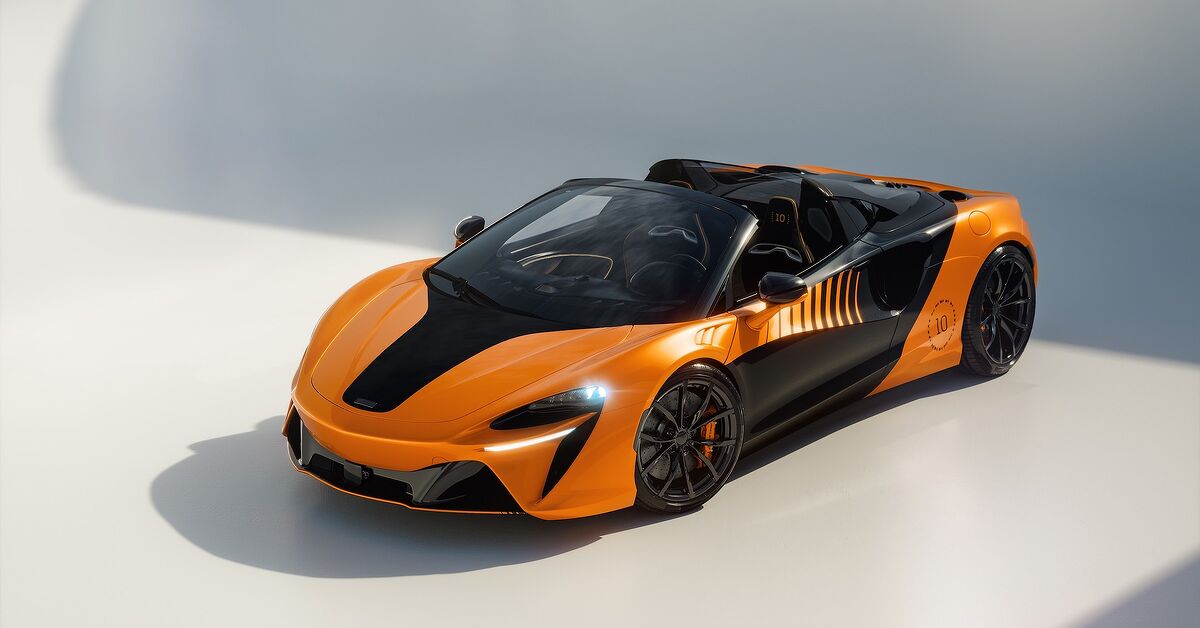
For 63 years, McLaren has built its formidable reputation on a foundation of cutting-edge engineering, aerodynamic prowess, and a relentless pursuit of speed, most famously demonstrated on the Formula 1 circuits. The company’s storied lineage includes iconic models like the McLaren F1, the legendary Mclaren P1, and more recently, the brutal yet beautiful Senna. These machines are designed for the track and the open road, prioritizing lightweight construction, driver engagement, and blistering acceleration. The very notion of a McLaren SUV, a vehicle category inherently associated with increased ride height, greater practicality, and often, a compromise in dynamic performance, would have seemed anathema to the brand’s core identity just a few years ago.
However, the automotive industry is a dynamic battlefield, and survival often necessitates adaptation. McLaren’s decision to embrace the SUV segment places it in esteemed, albeit controversial, company. Porsche blazed this trail in 2002 with the Cayenne, a move that was met with initial skepticism but ultimately proved to be a masterstroke, revitalizing the German marque and funding its continued development of sports cars. Since then, other storied performance brands have followed suit, including Jaguar with the F-Pace, Maserati with the Levante, Lotus with the Eletre, and most audaciously, Ferrari with the Purosangue. Each of these entries has navigated the delicate balance of retaining brand DNA while catering to evolving consumer demands for versatility and luxury.
The Strategic Blueprint: A $670 Million Investment
The confirmation of McLaren’s SUV comes hand-in-hand with a substantial $670 million (£500 million) investment, a significant financial injection spearheaded by McLaren shareholder L’IMAD, the sovereign investment company of the Government of Abu Dhabi. This substantial capital infusion underscores the strategic importance of this new venture. The overarching objective is clear: to transform McLaren from a niche supercar manufacturer into a more comprehensive luxury performance brand, capable of competing on a broader stage and securing its long-term future.
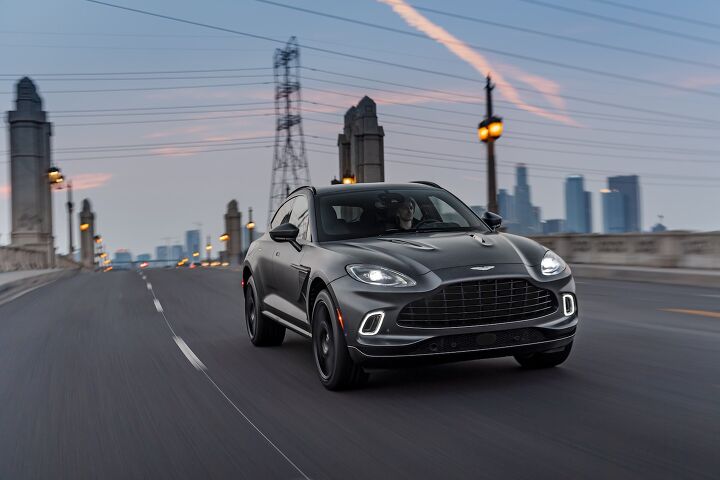
The SUV is positioned as the linchpin of this ambitious plan. McLaren executives have openly acknowledged that their new offering will directly compete with established luxury SUVs such as Aston Martin’s DBX, Bentley’s Bentayga, and Lamborghini’s Urus. The marketing strategy appears to be targeting a segment of the market that appreciates the performance credentials of brands like McLaren but desires the added practicality of a larger vehicle, potentially appealing to existing Formula 1 enthusiasts who might seek a more accommodating daily driver.
Currently, McLaren produces approximately 3,000 vehicles annually. The introduction of an SUV is expected to be a primary catalyst for significantly increasing this production volume. This expansion is not merely about volume; it is about broadening the brand’s appeal to a wider demographic and ensuring sustained financial health.
Expanding the Infrastructure for Growth
To support this ambitious expansion, McLaren is embarking on a significant upgrade and expansion of its manufacturing and development infrastructure within the United Kingdom. This includes plans for a new vehicle assembly facility, which will bolster its production capacity. Complementing this, operations at the existing Woking Production Centre, the heart of McLaren’s current manufacturing, will be expanded. Furthermore, the McLaren Composites Technology Centre (MCTC) in South Yorkshire, a hub for advanced composite material development, will see its role amplified.
The company has also been strategically investing in its broader operational footprint. Recent developments include the opening of a dedicated design center in Bicester and a vehicle testing facility situated in the Midlands. These expansions signal a commitment to controlling more aspects of its product development and manufacturing process within the UK, reinforcing its heritage and technical expertise.
Powertrain Innovation: Embracing Hybridization
Perhaps one of the most significant and revealing aspects of this new strategy is McLaren’s commitment to designing and building its own powertrains in-house. This marks a departure from relying on external suppliers for core engine and transmission components, asserting greater control over its technological future.
The company is developing two new hybrid engines and transmissions. This focus on hybridization, rather than an immediate leap to full battery-electric vehicles (BEVs), aligns with the stated preferences of its customer base and CEO Nick Collins’ recent pronouncements. Collins has indicated that current customer interest leans more heavily towards high-performance hybrids than pure electric offerings. McLaren frames its embrace of hybrid technology as a natural evolution of its pioneering work in the hypercar segment, citing the groundbreaking P1 as an early precursor to this electrified future. This approach allows McLaren to leverage the immediate torque benefits and power density of electric motors while mitigating the range anxiety and charging infrastructure concerns that can still be prevalent with full EVs.
A Vision for the Future
"This investment gives us the platform to grow, develop and build on what makes us distinctive, while investing in the people, technologies and products that will keep us competitive for decades to come," stated CEO Nick Collins, articulating a clear vision for the brand’s trajectory. The "distinctive" nature of McLaren, it appears, is now set to encompass a five-door configuration, a testament to the evolving definition of performance and luxury in the modern automotive era.
The implications of McLaren’s SUV move are far-reaching. Financially, it offers a crucial avenue for revenue growth and diversification, which is vital for any manufacturer in today’s competitive and rapidly changing automotive landscape. Technologically, the in-house development of hybrid powertrains signals a commitment to controlling its own destiny and innovating in a key area of future automotive development. From a brand perspective, it represents a calculated risk to broaden its appeal without alienating its core enthusiast base, a challenge that has been met with varying degrees of success by its rivals.
The success of this venture will hinge on McLaren’s ability to imbue its SUV with the same DNA of performance, handling, and driver engagement that has defined its sports cars. If they can successfully translate their racing pedigree and engineering prowess into a practical yet exhilarating SUV, it could usher in a new and prosperous era for the iconic British brand, solidifying its position as a true force in the luxury performance segment for decades to come. The automotive world will be watching with keen interest as this new chapter unfolds.