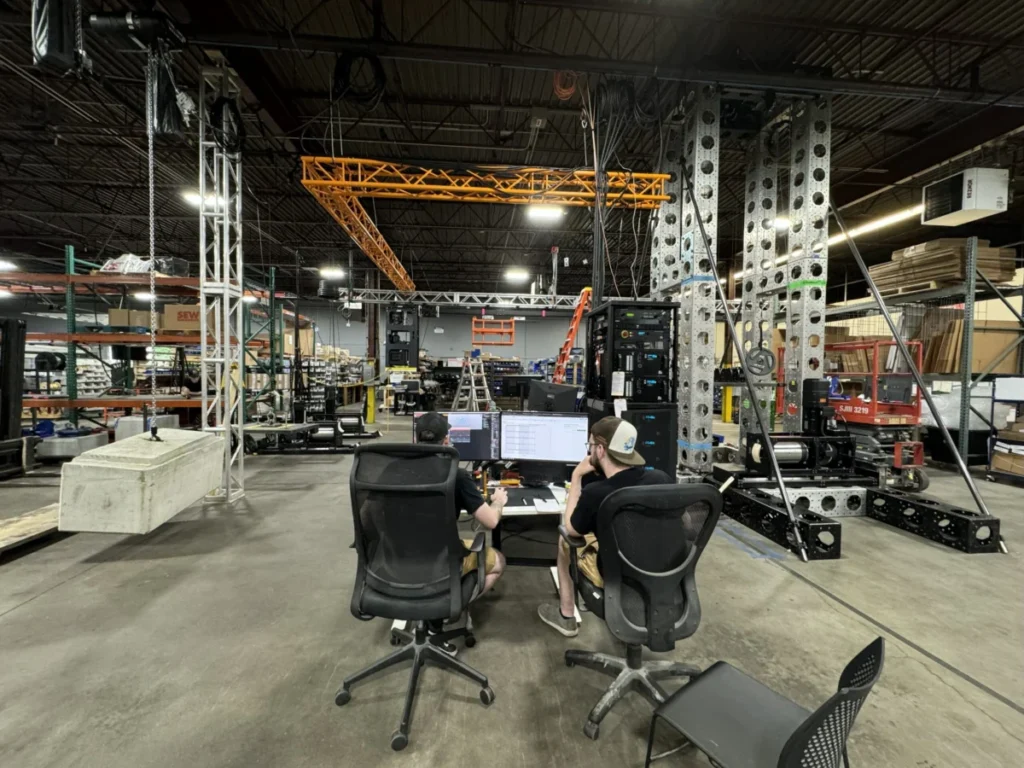
The dynamic spectacle of modern theater, elaborate concert tours, and immersive live events increasingly hinges on sophisticated motion control systems. These intricate technological frameworks enable everything from the seamless gliding and dramatic transformation of scenery and colossal LED walls to the breathtaking precision of performers soaring above stages in meticulously choreographed aerial displays. At the forefront of designing and manufacturing the advanced motion systems that bring these complex stage animations to life, ensuring both visual compellingness and paramount safety, stands Creative Conners. This industry leader, known for its innovative approach, has recently made a pivotal upgrade to its core control architecture, integrating Performance Motion Devices’ (PMD) Magellan MC58113 motion control IC into its new Stagehand control PCB, a move poised to redefine accessibility and performance in stage automation.
The Evolution of Stage Automation and Creative Conners’ Unique Position
Live entertainment has undergone a dramatic technological transformation over the past few decades. What was once achieved through manual labor and basic mechanical systems now relies heavily on precision engineering and digital control. The demand for ever-more elaborate and seamless transitions, the integration of massive video screens that move and reconfigure, and the ability to safely execute complex performer flying sequences has driven the need for highly reliable and flexible motion control solutions. This evolution is not just about spectacle; it’s about storytelling, enhancing emotional impact, and pushing the boundaries of artistic expression.
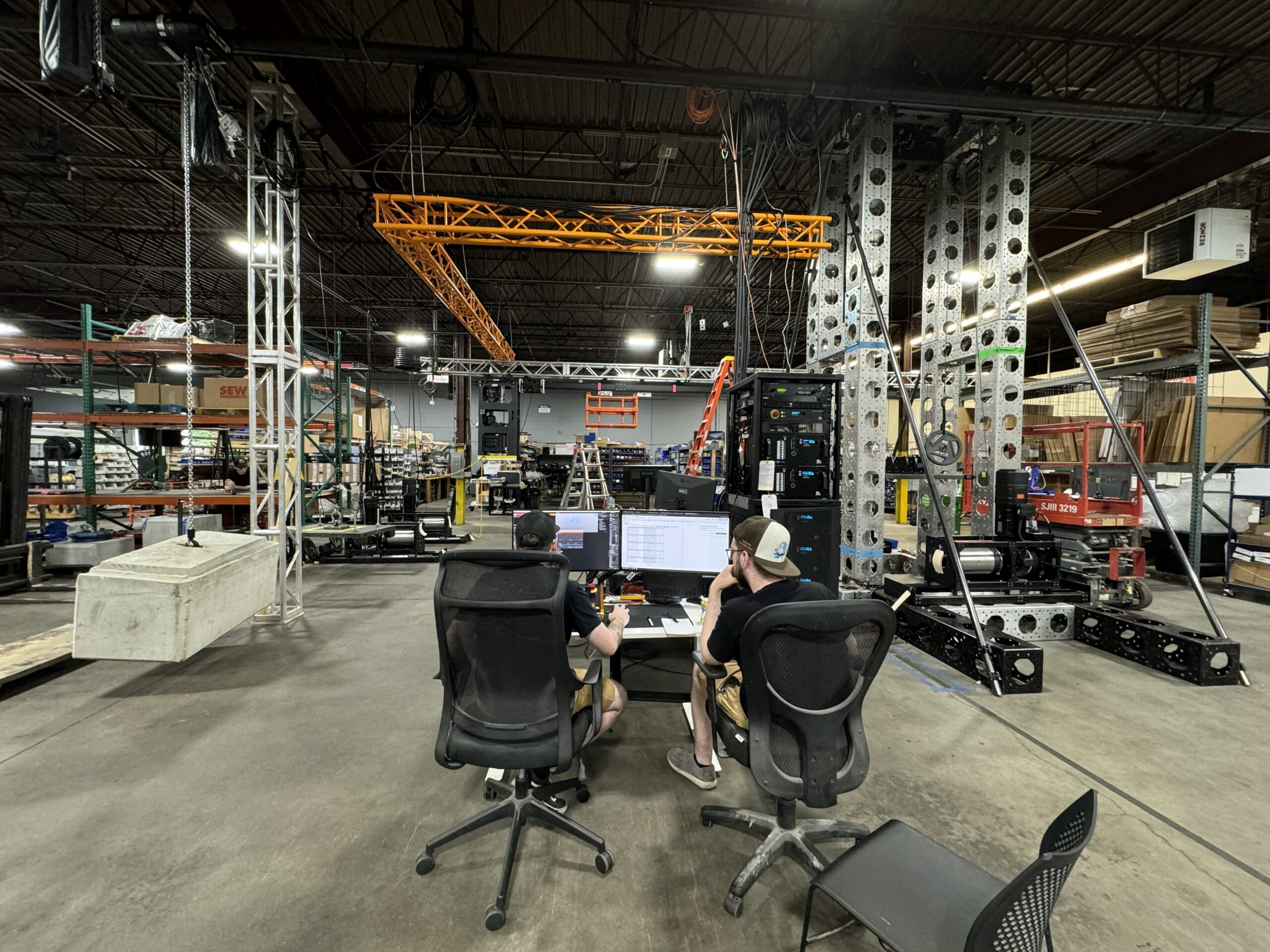
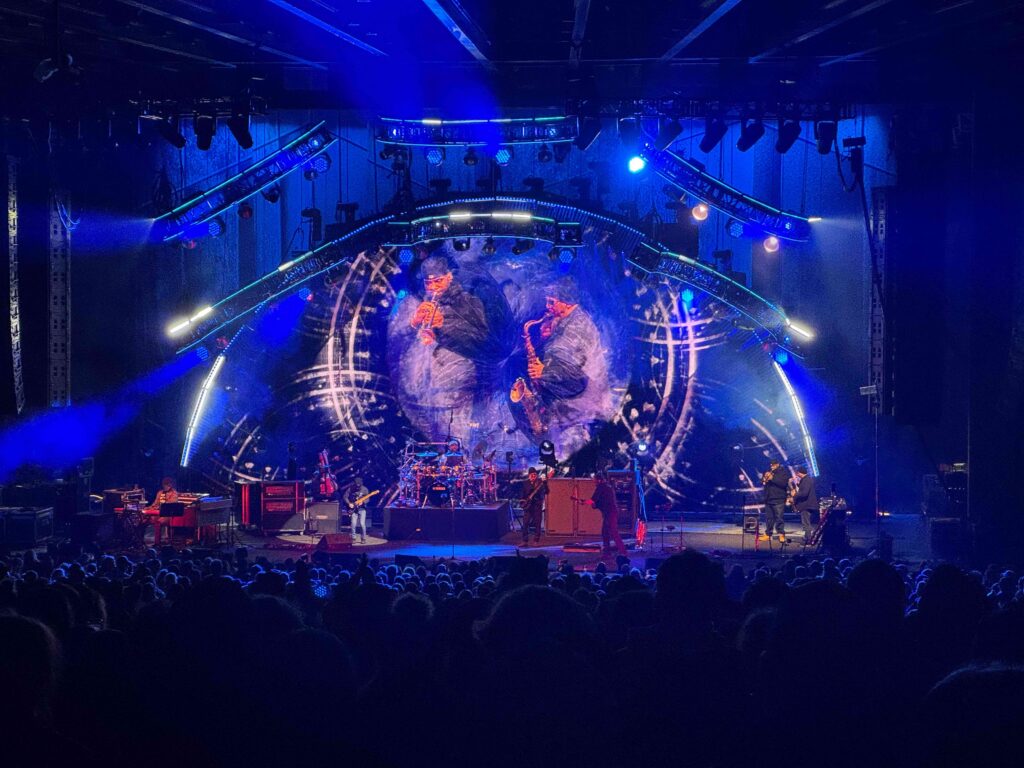
Creative Conners occupies a unique and critical niche within this evolving landscape. The company distinguishes itself through a vertically integrated approach, designing and manufacturing its modular machinery, standardized control hardware, and intuitive software platforms. This comprehensive strategy allows them to serve an unusually broad customer base, bridging the gap between the most demanding, high-budget productions and smaller-scale regional theaters or educational institutions. For instance, the same underlying technology employed to deliver the awe-inspiring movements for world-renowned productions like Cirque du Soleil and concerts for major artists such as the Dave Matthews Band is also readily available and rented to schools staging productions of classics like Les Misérables. This democratized access to sophisticated automation tools is central to Creative Conners’ brand philosophy, aiming to make advanced stagecraft approachable for a diverse range of production teams, from seasoned professionals to enthusiastic amateurs, whether for global touring shows or permanent installations.
The company’s commitment to making stage automation more accessible has profoundly influenced its strategic decisions, including the recent impetus to rethink and upgrade its fundamental motion control platform. This commitment led them to Performance Motion Devices, a recognized innovator in high-performance motion control solutions.
The Core of Control: Creative Conners’ Stagehand System
At the operational heart of most Creative Conners systems is a standardized control box known as the Stagehand. This controller is a testament to the company’s modular design philosophy; while the physical machinery for different applications might vary greatly, the Stagehand controller itself remains largely consistent. It acts as the crucial interface, connecting to variable-frequency drives (VFDs), encoders, and vital safety systems. More importantly, the Stagehand serves as the execution layer for complex cues meticulously crafted in Creative Conners’ proprietary Spike Mark software. These cues are the digital blueprint for a show, defining the precise trajectory, velocity, acceleration, and dwell times for moving elements, as well as their coordination with other actions unfolding on stage. Once triggered, these commands are executed locally by the controller, ensuring real-time responsiveness and reliability.
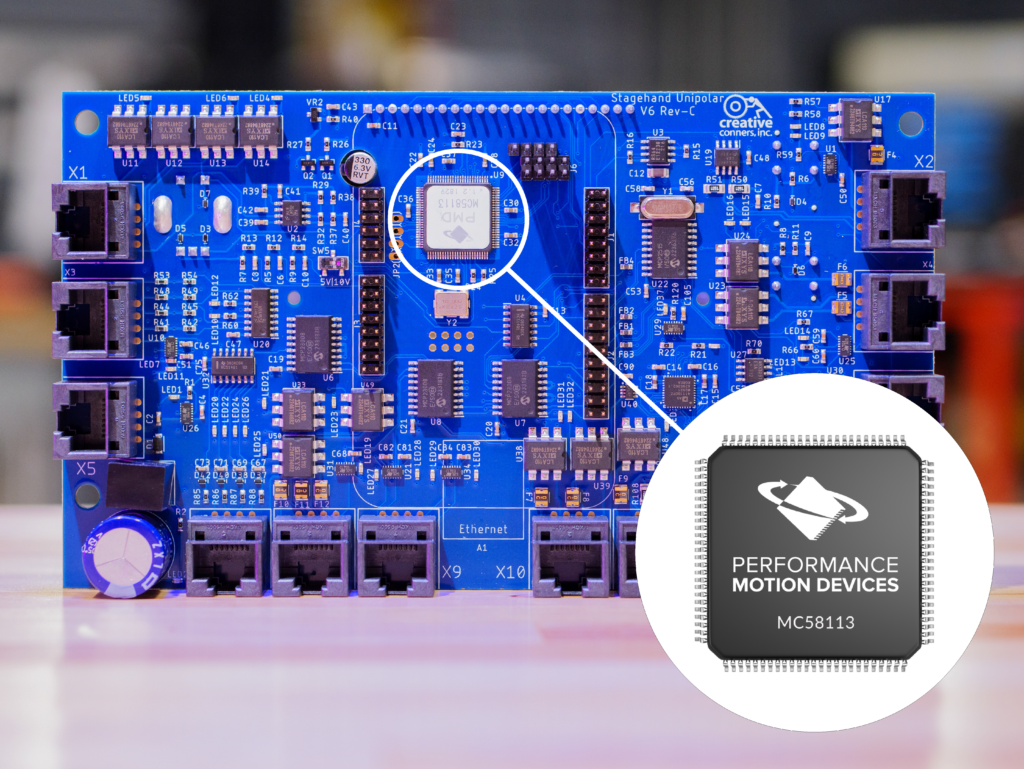
Given the Stagehand’s central role, sitting at the intricate intersection of hardware, software, and user interaction, the choice of its underlying motion controller IC is paramount. For many years, Creative Conners relied on legacy motion control chips from Texas Instruments. While these devices served their purpose for a time, technological advancements and evolving production demands eventually exposed their limitations, hindering the company’s ability to innovate and deliver the cutting-edge experiences expected in modern live entertainment.
The Imperative for Upgrade: Overcoming Legacy Limitations
The decision to transition to a new motion control platform was driven by a confluence of technical constraints and market pressures. The legacy Texas Instruments ICs, despite their past utility, had become a bottleneck for Creative Conners’ ambitious development roadmap. A primary limitation was the inability to achieve independent control over acceleration and deceleration profiles. As Christian Basse, Creative Conners’ senior controls engineer, articulated, "On the old IC, we were locked to symmetric accel/decel. Whatever you loaded for the acceleration you had to use for decelerate."
This technical constraint directly clashed with both the artistic and safety requirements inherent in stage motion. In the theatrical world, the visual quality of a movement is almost as important as its precision. Basse elaborated on this critical distinction: "We want to hurry up, get onto stage, get moving… but then we want a nice, smooth, deliberate-looking stop." Symmetric acceleration and deceleration profiles often result in abrupt, unnatural stops that can detract from the visual illusion and even pose safety concerns. The desire for a rapid entry followed by an elegant, controlled halt is a common artistic requirement that the legacy IC simply could not fulfill.
Even more problematic was the inability to change acceleration parameters dynamically, on the fly, during a cue. This inflexibility was particularly problematic for performer flying effects, where the motion characteristics often need to adapt in real-time based on the performer’s position, speed, and safety parameters. In such high-stakes scenarios, the ability to fine-tune motion profiles instantaneously is not just an aesthetic preference but a critical safety and performance requirement.
Beyond technical capabilities, the older motion controller faced growing issues of availability. As an aging component, it became increasingly difficult to source reliably, a challenge exacerbated by global supply-chain disruptions, particularly during the pandemic era. Creative Conners recognized the urgent need for a reliably procured solution that could seamlessly integrate into its established modular design philosophy without compromising performance or future scalability.
The Strategic Choice: PMD’s Magellan MC58113
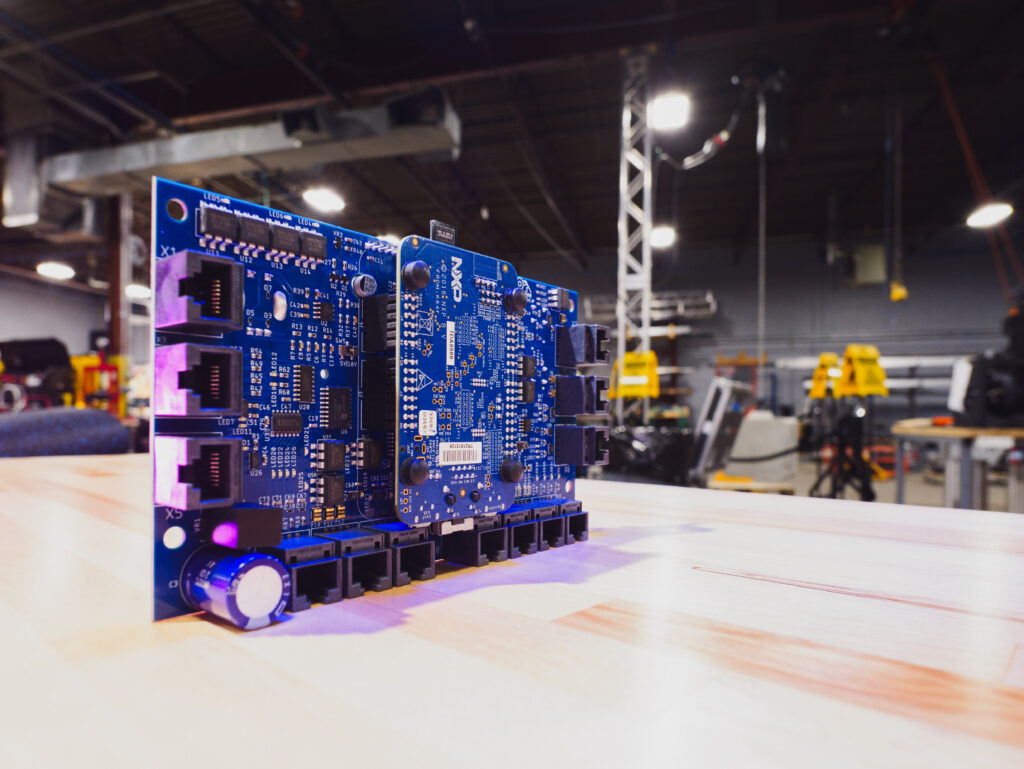
After a thorough evaluation process that involved assessing several alternative options, the Creative Conners team made the strategic decision to select Performance Motion Devices’ Magellan MC58113 motion control IC. This advanced IC was destined to be the cornerstone of a redesigned version of their Stagehand control PCB. Paired with a robust microprocessor and a local HMI (Human-Machine Interface) display, this new board now forms the sophisticated core of the updated Stagehand controller, ready to tackle the complexities of modern stage automation.
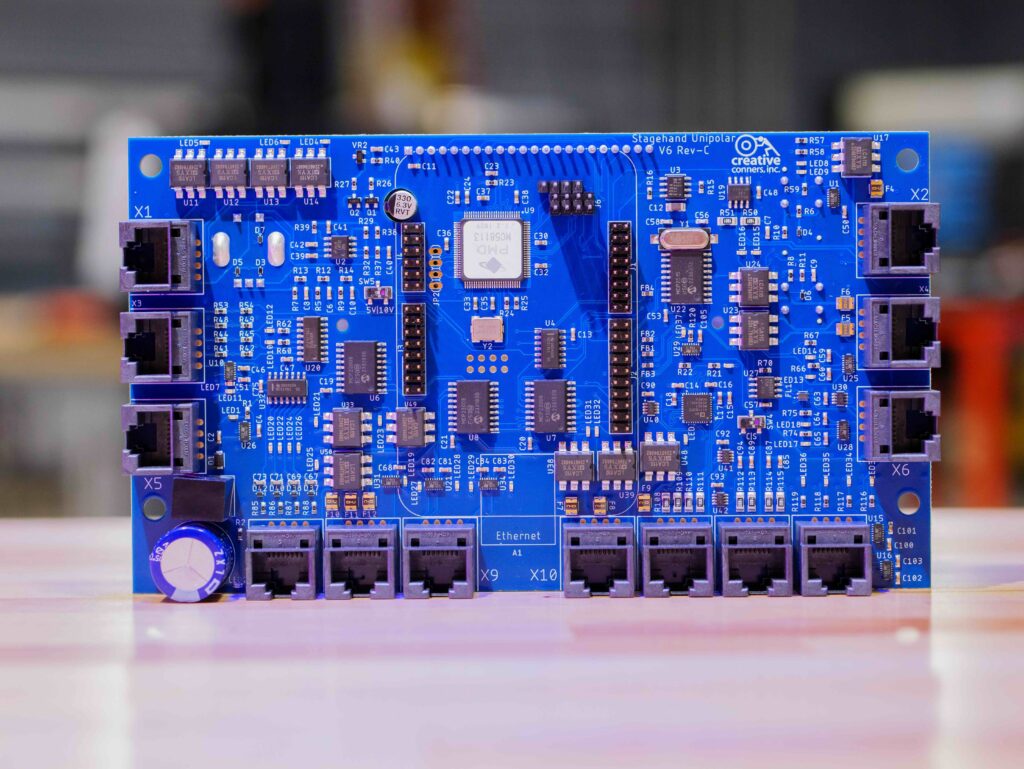
The integration of the MC58113 brought immediate and significant improvements, addressing the most pressing limitations of the previous system. The single biggest enhancement was the native support for asymmetric acceleration and deceleration profiles. This capability instantly unlocked new levels of artistic control and visual fluidity, allowing productions to achieve those desired "hurry up, get moving… nice, smooth, deliberate-looking stop" motions. This means scenery can swiftly enter the stage but then settle into its final position with a graceful, controlled deceleration, significantly enhancing the professional polish of any production.
Furthermore, the MC58113’s support for absolute encoders represented a major leap forward in system reliability and safety. Unlike incremental encoders, which lose their positional reference upon power loss, absolute encoders maintain their exact position regardless of power status. Basse underscored the importance of this feature: "If it’s going to move without the machine and the controls being powered, you’re not going to lose the position." This is a critical factor in emergency and rescue scenarios, such as when a performer might need to be manually lowered using mechanical brakes while the controller is powered off. With absolute encoders, once power is restored, the system immediately knows the precise location of the moving element, eliminating the need for re-homing procedures and significantly enhancing operational safety and recovery time. While not every application requires absolute encoders, they are indispensable for permanently installed infrastructure hoists and for the most demanding, high-end customers who are continually pushing the limits of stage automation.
Another crucial benefit was the MC58113’s ability to generate a ±10-V speed signal using an external Digital-to-Analog Converter (DAC). This capability is essential for controlling hydraulic valves, which typically interpret negative voltage as reverse motion and positive voltage as forward motion. Basse explained the restoration of this critical function: "When we moved to a newer TI controller, we lost that bidirectional signal. Moving to the PMD controller gave us the ability to throw in an external DAC and do a bidirectional signal again." This ensured that Creative Conners would not have to turn away specialized applications that rely on hydraulic systems, preserving their broad service capability.
Beyond these fundamental improvements, the PMD MC58113 offered a suite of advanced features that further elevated the Stagehand’s capabilities. Its built-in tracing and monitoring tools provide Creative Conners engineers with invaluable insights, allowing them to visualize motion behavior over time. This diagnostic capability is crucial for identifying and troubleshooting issues, as well as for meticulously fine-tuning performance to achieve optimal results. The controller’s highly tunable position filters also play a vital role in ensuring the system stays precisely on target. "We really care about the quality of motion… not just that it looks nice but that it’s where it’s supposed to be when it’s supposed to be," Basse emphasized. In the tightly choreographed world of live productions, where every movement must be synchronized and exact, positional accuracy is just as paramount as the smoothness and aesthetic appeal of the motion itself.
Accelerated Development and Collaborative Partnership
One unexpected but highly valuable benefit that Creative Conners discovered was PMD’s C-Motion C/C++ software library. In previous development cycles, the team often had to invest significant time and resources in writing low-level serial communication code and intricate message-packing routines from scratch. With the C-Motion library, they could leverage PMD’s command-driven Application Programming Interface (API), simplifying the entire process. Sending a command to the motion controller became as straightforward as making a call to a C-Motion function. "That saved so much time and has been invaluable to us," Basse stated, highlighting the dramatic increase in development efficiency. This acceleration in firmware development was particularly impactful for Creative Conners’ relatively small engineering team, allowing them to reallocate their focus from the laborious task of "reinventing motion control plumbing" to concentrating on higher-level functionality, innovative features, and enhancing the overall user experience within their Spike Mark software.
The partnership between Creative Conners and PMD also exemplified a strong spirit of collaboration. At one juncture, Creative Conners required a higher encoder resolution than what was supported by the standard implementation of the MC58113. PMD demonstrated exceptional responsiveness and customer commitment, working directly with the Creative Conners team to develop and deliver a custom firmware update that precisely met their specialized needs, all within an impressively short timeframe of approximately one week. This level of direct engineering support underscored the value of choosing a vendor deeply invested in its customers’ success.
Broader Implications and Future Horizons
The adoption of PMD’s Magellan MC58113 motion control IC represents more than just a component upgrade for Creative Conners; it signifies a strategic advancement that bolsters their competitive edge, enhances safety, and expands their capabilities across the diverse landscape of live entertainment. By overcoming technical limitations and streamlining development, Creative Conners is better positioned to meet the escalating demands of high-end productions while simultaneously sustaining its core mission of making sophisticated stage automation accessible to a broader audience, including regional theaters and educational institutions that historically lacked access to such advanced tools.
Looking ahead, Creative Conners is already exploring further innovations with PMD’s product portfolio. Their interest extends to PMD’s multi-axis motion controllers, which promise even more tightly coordinated and complex movements, opening doors for new creative possibilities in stage choreography. Furthermore, the team is keenly interested in integrated servo solutions, such as PMD’s ION/CME N-Series intelligent drives. One N-Series option, in particular, with its impressive 1000-W power output, has captured their attention. The prospect of an integrated, higher-power solution holds significant implications for the next generation of Creative Conners’ machinery. By enabling drive electronics to be mounted directly on the machines themselves, such solutions could significantly reduce the overall size and weight of equipment, while simultaneously increasing lifting capacity and operational speed. This would lead to more compact, powerful, and versatile automation systems, further solidifying Creative Conners’ position as an innovator in the dynamic field of stage technology.
The partnership between Creative Conners and Performance Motion Devices exemplifies how targeted technological advancements and strong vendor collaboration can drive innovation, enhance safety, and democratize access to sophisticated tools within the live entertainment industry, ultimately enriching the experiences of audiences worldwide.