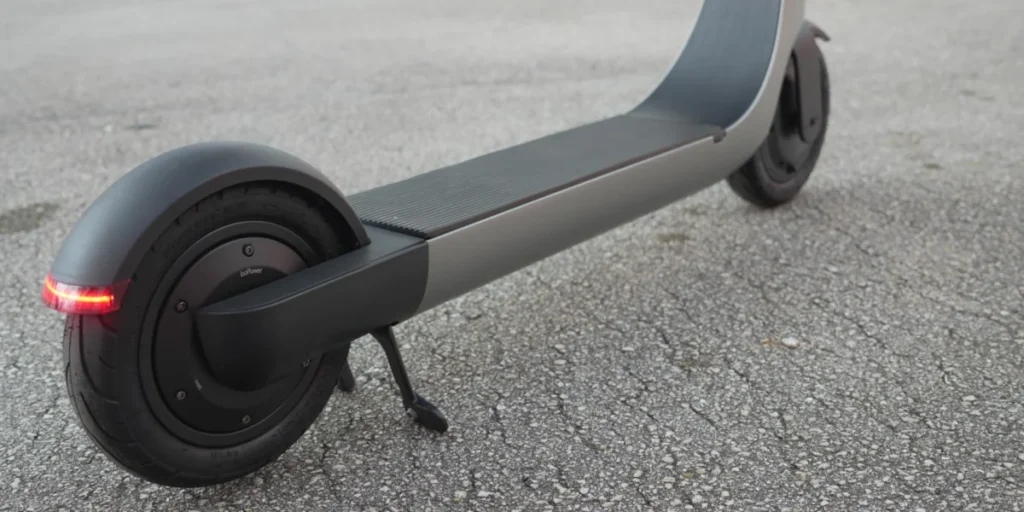
Paris is implementing stricter safety regulations for electric scooter users, mandating the use of helmets and high-visibility vests on public roads. This decisive action by French authorities comes in response to a significant surge in serious accidents involving these increasingly popular personal mobility devices. The new rules aim to enhance rider safety and mitigate the growing number of injuries and fatalities attributed to electric scooter use.
The clampdown reflects a concerning trend in road safety data. According to France’s national road safety observatory, the number of fatalities resulting from electric scooter crashes has more than doubled in the past year, climbing from 45 deaths in the preceding year to a stark 79 in the latest reporting period. Within the bustling metropolis of Paris alone, approximately 1,100 individuals sustained injuries in e-scooter-related incidents, marking a substantial year-over-year increase of 33%. This escalating casualty count has prompted urgent intervention from city and national officials.
Under the new regulations, riders found without an approved helmet will face a penalty of €135 (approximately $155 USD). For those failing to wear a reflective vest or other certified high-visibility gear, the fine will be €35 (approximately $40 USD). These penalties are designed to incentivize compliance and underscore the seriousness with which the authorities are treating this issue. The mandate extends beyond electric scooters to encompass other motorized personal transportation devices, including electric unicycles and hoverboards, further broadening the scope of enhanced safety measures.

An important distinction has been made in the application of these new rules, with electric bicycles appearing to be an exception. French law differentiates between pedal-assist e-bikes, which are largely regulated under existing bicycle laws, and what are termed "motorized personal mobility devices" (EDPMs). This latter category explicitly includes electric scooters, hoverboards, Segways, and similar vehicles. Consequently, the mandatory helmet and high-visibility requirements do not appear to apply to standard pedal-assist e-bikes that operate at speeds up to 25 km/h (15.5 mph), as these are governed by different legal frameworks.
This regulatory shift represents an escalation of Paris’s efforts to manage the proliferation and safety concerns surrounding e-scooters. The city has previously taken a firm stance, most notably by banning shared rental electric scooters in 2023 following a public referendum. While privately owned scooters were permitted to continue operating, existing regulations already prohibited riders under the age of 14, banned carrying passengers, and capped scooter speeds at 25 km/h (15.5 mph). Despite the ban on shared services, privately owned e-scooters have maintained significant popularity in France. The country boasts the highest rate of private e-scooter ownership in Europe, with an estimated 2.5 million privately owned scooters recorded in 2023, and projections indicating hundreds of thousands more sales since then.
The Growing E-Scooter Phenomenon and Escalating Safety Concerns
The surge in electric scooter popularity is a global phenomenon, driven by their convenience, affordability, and eco-friendliness as urban transportation solutions. In Paris, the appeal lies in their ability to navigate congested streets and offer a flexible alternative to public transport or private vehicles for short to medium distances. However, this rapid adoption has outpaced the development of comprehensive safety infrastructure and regulations, leading to a disproportionate increase in accidents.
The statistics paint a grim picture:
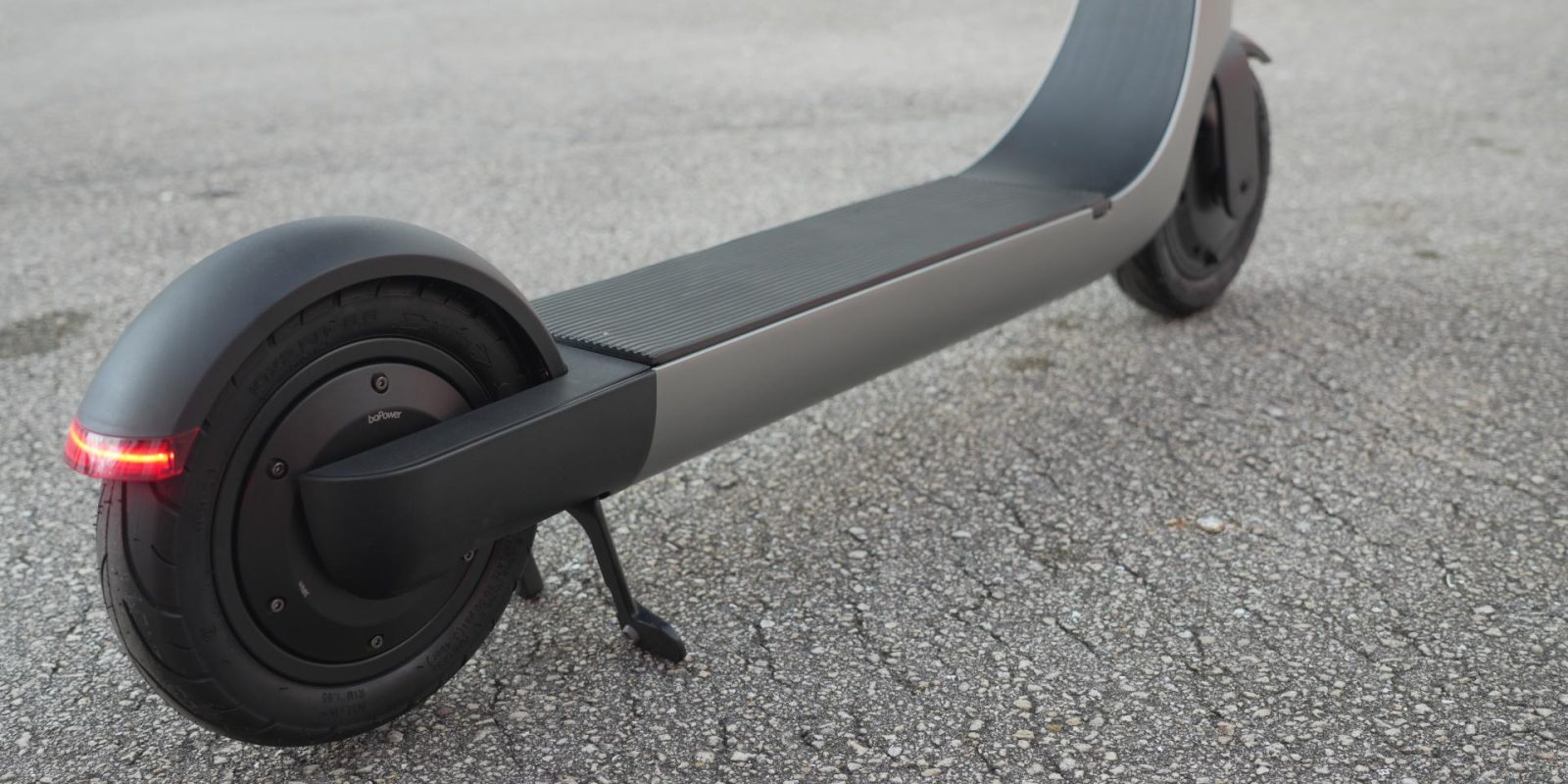
- Fatalities: A dramatic rise from 45 deaths in the previous year to 79 in the latest reporting period highlights a significant safety crisis.
- Injuries: Over 1,100 injuries in Paris alone in the last year, a 33% increase, underscore the daily risks faced by riders and other road users.
- Accident Types: While the original report does not detail specific accident causes, common factors contributing to e-scooter accidents include rider inexperience, high speeds, inadequate road infrastructure, and conflicts with other vehicles.
The French government’s response, focusing on mandatory protective gear, is a reactive measure designed to mitigate the severity of injuries when accidents do occur. This approach, however, has sparked debate about whether it adequately addresses the root causes of these incidents.
Background and Chronology of Regulatory Actions
The recent mandates are part of a broader evolution of e-scooter regulation in Paris and France.
- Pre-2023: Regulations were relatively light, with a focus on speed limits and age restrictions.
- April 2023: Paris held a referendum that led to a ban on shared rental e-scooters. This decision was largely driven by public frustration over sidewalk clutter, reckless riding, and safety concerns. The ban, however, did not extend to privately owned scooters.
- Late 2023/Early 2024: As accident statistics continued to rise, discussions intensified around the need for more stringent safety measures for privately owned e-scooters.
- Present Day: The introduction of mandatory helmets and high-visibility vests marks the latest significant regulatory intervention.
This timeline illustrates a gradual but increasing governmental response to the safety challenges posed by the growing e-scooter market. The shift from a relatively hands-off approach to a more prescriptive one reflects the escalating human cost of this urban mobility trend.
Official Statements and Stakeholder Reactions (Inferred)
While direct quotes from officials or specific stakeholder groups are not provided in the source material, the actions taken by the French authorities imply a clear consensus among relevant government bodies on the necessity of these new rules.
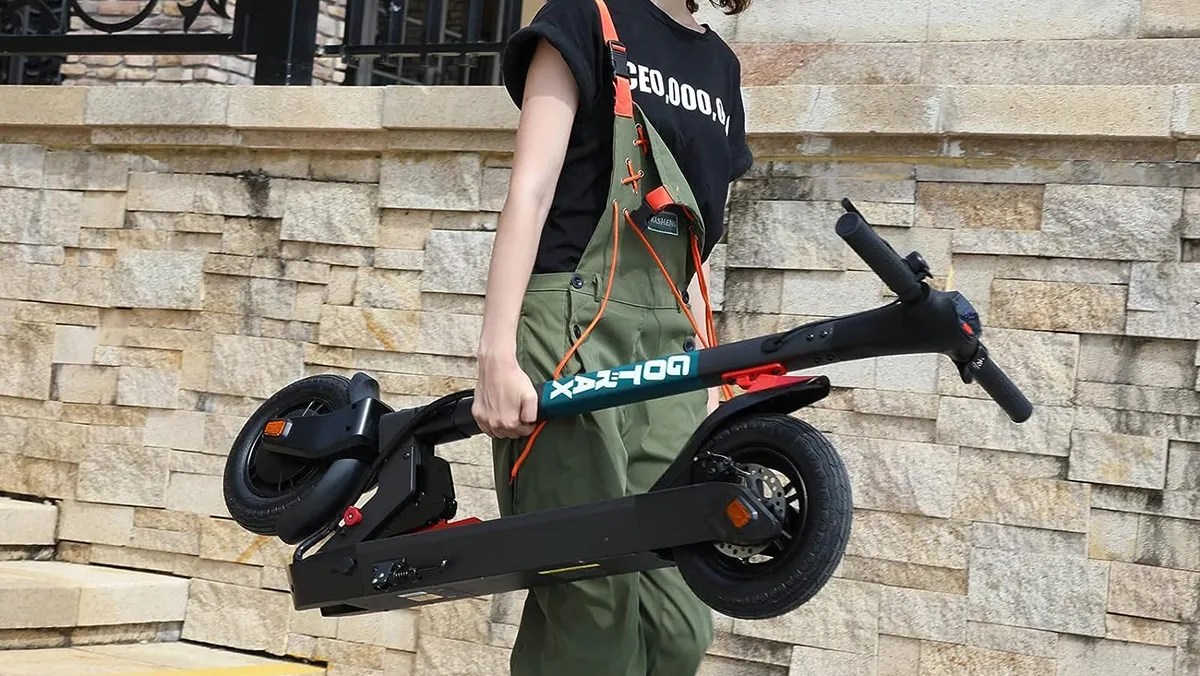
- Ministry of Interior/Transport: Officials responsible for public safety and transportation are likely to have championed these measures, citing the alarming accident statistics as justification. Their statements would emphasize the government’s commitment to protecting citizens and ensuring safer roads for all users.
- Road Safety Agencies: Organizations like France’s road safety watchdog would have provided the data underpinning these decisions, likely urging for immediate and effective interventions.
- E-Scooter User Advocacy Groups (Potential Reaction): While not explicitly mentioned, it can be inferred that groups representing e-scooter riders might have mixed reactions. Some may welcome the increased clarity and potential for improved safety, while others might express concerns about the financial burden of purchasing helmets and vests, or the perception of further restricting personal mobility freedom. They might also advocate for better infrastructure for micro-mobility users.
- Automotive Industry/Car User Groups (Potential Reaction): These groups might view the new regulations as a necessary step towards a more orderly and safer road environment, potentially reinforcing their arguments for stricter controls on all forms of urban transport.
Broader Impact and Implications
The new regulations in Paris have several significant implications for the future of urban mobility and road safety.
Implications for Rider Behavior and Safety
The mandatory use of helmets and high-visibility vests is expected to have a direct impact on the severity of injuries sustained in accidents. Helmets are proven to significantly reduce the risk of head trauma, a leading cause of death and serious disability in motorcycle and scooter crashes. High-visibility vests enhance the conspicuity of riders, making them more visible to drivers, especially in low-light conditions, thereby potentially reducing the incidence of collisions.
However, critics may argue that these measures, while beneficial, do not address the systemic issues contributing to accidents. The original article’s commentary, albeit opinionated, raises a critical point: the emphasis on making riders more visible to cars implicitly acknowledges the danger posed by the latter. The analogy of providing bulletproof vests to schoolchildren instead of addressing gun violence highlights a common critique of such safety mandates – that they shift the burden of safety onto the more vulnerable party without adequately addressing the behavior of the more dangerous one.
The Role of Infrastructure and Driver Behavior
The effectiveness of these new rules will likely depend on complementary efforts. Paris, like many major cities, faces challenges with road infrastructure that often prioritizes motor vehicles over cyclists and micro-mobility users. Dedicated lanes, clearer signage, and improved road surface maintenance could significantly enhance safety for all road users.

Furthermore, the issue of driver behavior remains paramount. While France has made some progress in holding drivers accountable for accidents involving vulnerable road users, activists argue that penalties, particularly for vehicular manslaughter, are often insufficient to act as a strong deterrent. A justice system that consistently and severely penalizes drivers for negligence and dangerous driving could provide a more potent catalyst for change than mandating protective gear for scooter riders. The implication is that true safety will only be achieved when drivers are held to a higher standard of awareness and accountability, and when the legal consequences for causing harm are unequivocally severe.
The Future of Micro-Mobility in Urban Centers
Paris’s stringent approach to e-scooters, including the ban on shared services and now the safety mandates for private use, reflects a broader trend of cities grappling with the integration of micro-mobility into their urban fabric. As e-scooters and other personal mobility devices become more prevalent, cities worldwide will need to find a balance between promoting sustainable transportation options and ensuring the safety of their citizens.
The Paris model, with its phased approach to regulation and its focus on both individual rider responsibility and broader systemic issues, offers a case study for other urban centers. The success of these new measures will likely be evaluated not only by a reduction in accident statistics but also by how effectively they contribute to a more equitable and safer urban environment for all modes of transport. The ongoing challenge lies in creating a cohesive and safe ecosystem where diverse transportation methods can coexist harmoniously.
The distinction between e-bikes and other motorized personal mobility devices also highlights the complexity of modern urban transport regulation. As technology advances and new forms of personal transport emerge, legal frameworks will need to adapt, ensuring that safety regulations are proportionate and effective across a diverse range of vehicles and user behaviors. The Parisian approach, with its clear categorization, aims to provide this clarity, though its long-term effectiveness will be a subject of ongoing observation and analysis.