The Raspberry Pi Foundation, in collaboration with Google DeepMind, has officially released a significant expansion to its Experience AI program, introducing a suite of free, themed educational resources designed to integrate artificial intelligence literacy across the entire school curriculum. This initiative marks a strategic shift away from treating AI as a niche subset of computer science, instead positioning it as a fundamental literacy requirement for students aged 8 to 16. By focusing on themes such as the environment, critical thinking, and ethics, the new resources aim to equip the next generation with the tools to navigate a world increasingly defined by algorithmic decision-making.
The launch comes at a critical juncture in global education. As generative AI tools and recommendation algorithms become ubiquitous in the lives of young people—influencing everything from the videos they watch to the way they conduct research for homework—educational authorities are grappling with how to provide structured guidance. The Raspberry Pi Foundation’s latest offering addresses this by providing educators with flexible, ready-to-use materials that do not require prior expertise in machine learning or data science. These resources were developed through a multifaceted partnership involving Google DeepMind’s technical expertise and the pedagogical insights of the Raspberry Pi Foundation, with additional contributions from Digital Moment, a Canadian non-profit focused on digital mobilization.
A Strategic Shift Toward Themed Learning
The development of these resources followed extensive consultation with global educators who indicated that rigid, subject-specific AI modules often failed to fit into diverse international curricula. In response, the Experience AI team moved toward a thematic approach. This flexibility allows a teacher in Malaysia to use a module on flood forecasting within a geography lesson, while a teacher in the United Kingdom might use the same technology to discuss data ethics in a citizenship class.
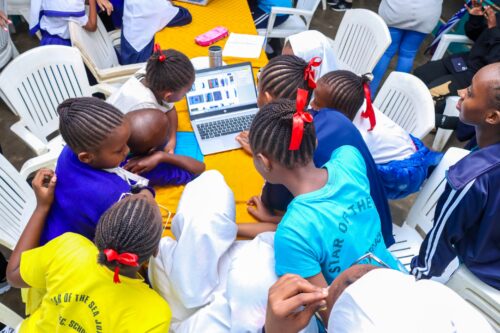
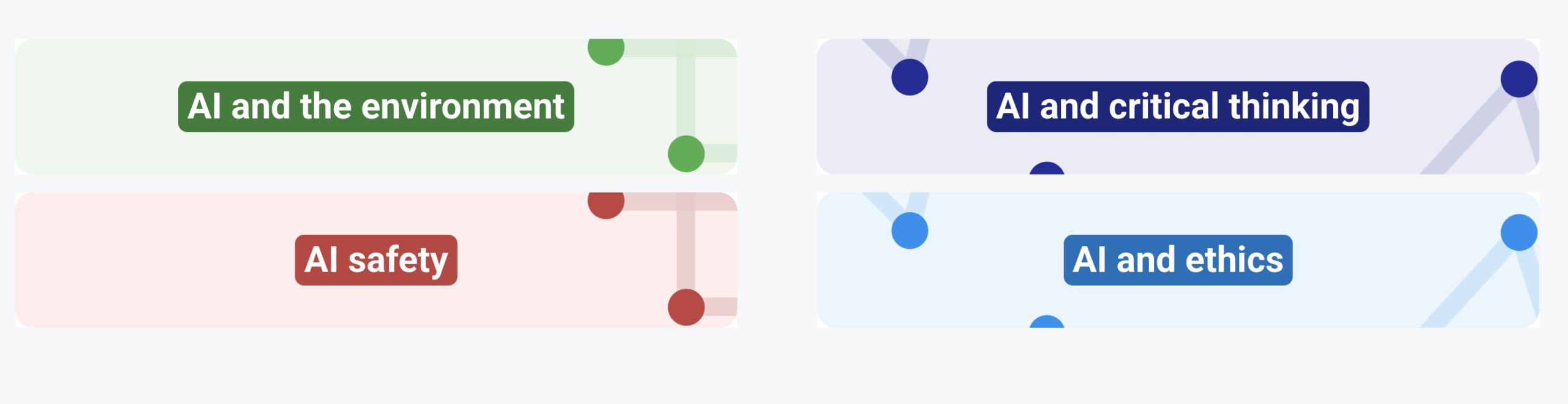
The three core pillars of the new release—the environment, critical thinking, and ethics—reflect the primary areas where AI is currently exerting the most significant real-world impact. In the environmental module, students explore how AI is used to monitor biodiversity and predict climate-related disasters. The critical thinking units focus on the mechanics of social media algorithms, helping students understand how their personal data influences the content they see. Finally, the ethics components challenge students to consider the societal implications of automated systems, including issues of bias and fairness.
Chronology of Development and Global Testing
The journey toward this cross-curricular expansion began shortly after the initial launch of the Experience AI program in early 2023. Recognizing that the first iteration was heavily weighted toward computer science, the Foundation spent the latter half of 2023 and the beginning of 2024 gathering feedback from its global network of educators.
In early 2024, a pilot phase was initiated in collaboration with Digital Moment. This phase involved testing the resources in diverse classroom environments across Canada. Educators like Sandra Theobald and Colin McKenzie were among the first to integrate the "AI and Social Media" units into their Grade 7 and 8 classrooms. The feedback from these trials was instrumental in refining the user interface of the "Somekone" tool—a closed-loop social media simulator that allows students to experiment with algorithmic triggers without the risks associated with live platforms.
By mid-2024, the resources were finalized and translated into multiple languages to ensure accessibility for the Raspberry Pi Foundation’s global audience. The official launch in late 2024 represents the culmination of nearly two years of research, development, and pedagogical validation.
Supporting Data: The Growing Necessity for AI Literacy
The urgency behind this initiative is supported by a growing body of data regarding youth engagement with AI. According to a 2023 report by Common Sense Media, over 50% of students aged 12–18 have used generative AI tools for schoolwork, yet only a fraction of those students report receiving formal instruction on how these tools function or how to evaluate their outputs. Furthermore, UNESCO’s "Guidance for Generative AI in Education and Research" highlights a widening "AI divide," where students in well-resourced environments gain an advantage over those without access to structured AI education.
The Raspberry Pi Foundation’s internal data suggests that the demand for these resources is high. Since the inception of the Experience AI program, the initial lessons have been downloaded tens of thousands of times by educators in over 100 countries. By making the new themed resources free and "plug-and-play," the Foundation aims to reach millions of students who might otherwise be excluded from the AI conversation.
Expert Perspectives and Official Responses
The initiative has garnered significant support from academic and professional bodies. Dr. Becky Kitchen, Head of Professional Development at the Geographical Association, emphasized that AI is no longer a futuristic concept but a present-day tool for geographical analysis. "Pupils are increasingly coming into contact with AI, and so it’s vital that they are taught how to harness its power in an effective and critical way," Kitchen stated. She noted that the resources successfully bridge the gap between abstract technology and concrete geographical knowledge, such as using AI to track environmental changes.
From the perspective of the arts and humanities, Professor Geoff Cox of London South Bank University argued that isolating AI education within STEM subjects is a missed opportunity. "If AI literacy is left solely to STEM subjects, we lose the opportunity to ask deeper human, cultural, and ethical questions—questions that art is uniquely equipped to explore," Cox observed. He praised the resources for moving between visual analysis, practical activity, and critical reflection, which he believes is the only way to develop true literacy.

Indra Kubicek, CEO of Digital Moment, highlighted the role of educators as the primary gatekeepers of this knowledge. "Building the next generation of creators, builders, and innovators who will shape the future of AI starts with AI education in the classroom," Kubicek said, reinforcing the idea that teachers do not need to be experts to facilitate these vital conversations.
Case Studies: Real-World Classroom Impact
The practical application of these resources was demonstrated during the Canadian trials. Sandra Theobald, a Grade 8 teacher, noted that while her students were "digital natives" who used social media daily, they lacked an understanding of the underlying mechanics. The Experience AI activities prompted them to make connections between their online behavior, the data they generate, and the resulting algorithmic feed. Theobald reported that the students felt empowered by this knowledge, often taking their discoveries home to discuss with their families.
Similarly, Colin McKenzie used the Somekone simulator with his Grade 7 and 8 classes. The simulator allowed students to create accounts and observe in real-time how liking a specific type of content—such as sports or gaming—immediately altered their recommended feed. McKenzie found that the activity was "powerful and easy to use," fitting seamlessly into his existing lessons on online safety and digital citizenship. He noted that the students were eager to return to the activity each day, treating the exploration of AI as a puzzle to be solved rather than a lecture to be endured.
Broader Impact and Future Implications
The introduction of cross-curricular AI resources has implications that extend far beyond the classroom. As the global economy shifts, "AI fluency" is becoming a prerequisite for a wide range of careers, from marketing and journalism to environmental science and urban planning. By democratizing access to this knowledge, the Raspberry Pi Foundation and Google DeepMind are contributing to a more equitable future workforce.

Furthermore, this initiative addresses the societal need for a more critically aware public. As AI-generated deepfakes and automated misinformation become more sophisticated, the ability of citizens to question and verify digital content is essential for the health of democratic institutions. The "Critical Thinking" theme within the Experience AI resources specifically targets this need, teaching students to look behind the curtain of the digital tools they use.
Looking ahead, the Raspberry Pi Foundation has signaled that it will continue to update these resources as AI technology evolves. The goal is to move away from a "one-off" lesson model toward a continuous integration of AI literacy into the fabric of global education. By providing a flexible, evidence-based framework, the Experience AI program sets a new standard for how technology companies and educational non-profits can collaborate to meet the challenges of the 21st century.
As these resources roll out globally, the focus will remain on empowering teachers. The advice from educators like Sandra Theobald remains central to the program’s philosophy: "Start small and seek out trusted resources… Learn alongside your students and build your confidence as you go." With the support of Google DeepMind and the Raspberry Pi Foundation, that journey has become significantly more accessible for teachers worldwide.