The launch of Snapmaker Space comes at a pivotal moment for the additive manufacturing industry. As the barrier to entry for high-quality 3D printing continues to drop, the demand for accessible, high-fidelity digital assets has surged. Snapmaker’s entry into this crowded market—already populated by established players like Prusa Research’s Printables, Bambu Lab’s MakerWorld, and the legacy giant Thingiverse—signals a shift in how hardware companies perceive the value of their user base. By hosting its own repository, Snapmaker aims to streamline the "file-to-fabrication" pipeline for its users while fostering a unique creative culture centered around its specific hardware strengths.
The Strategic Launch of Snapmaker Space
Snapmaker Space debuts with an initial library of approximately 2,500 3D models. While this number is modest compared to the millions of files hosted on older platforms, the company has emphasized quality and compatibility over sheer volume. The platform is designed to serve as a hub where users can discover, share, and discuss 3D printable designs, with a particular focus on models that leverage the advanced capabilities of Snapmaker’s multi-function machines.
To ensure the platform gains immediate traction, Snapmaker has introduced a gamified incentive structure. Contributors are eligible for reward points based on the popularity and "virality" of their submissions. These points are not merely cosmetic; they are intended to be integrated into the broader Snapmaker ecosystem, potentially offering discounts on hardware, accessories, or exclusive digital content. Notably, the company is placing a premium on multi-color designs. In the current 3D printing landscape, multi-material and multi-color printing have become the new frontier of consumer interest. By offering extra reward points for designs that utilize multiple filaments, Snapmaker is directly incentivizing creators to produce content that highlights the capabilities of machines like the Snapmaker J1, which features an Independent Dual Extruder (IDEX) system, and the Snapmaker Artisan.
A Chronology of Ecosystem Expansion
The development of Snapmaker Space is the latest chapter in the company’s decade-long evolution. Understanding the significance of this launch requires a look back at the trajectory of the brand:
- 2016–2017: The Genesis. Snapmaker first gained international attention with its original 3-in-1 3D printer on Kickstarter. The campaign was a massive success, proving there was a significant market for modular machines that could 3D print, laser engrave, and CNC carve.
- 2019: The Snapmaker 2.0. The company broke records with the Snapmaker 2.0, which became the most funded 3D printer project in crowdfunding history. This era focused on modularity and rugged build quality.
- 2022: Diversification and Refinement. With the launch of the J1 (high-speed IDEX) and the Artisan (large-format industrial-grade 3-in-1), Snapmaker moved away from "entry-level" modularity toward high-performance specialized hardware.
- 2023–2024: The Software and Content Pivot. Recognizing that hardware is only as good as the software and models available to it, Snapmaker began refining its "Luban" slicing software and preparing the groundwork for Snapmaker Space.
The transition from a hardware-centric company to a platform-centric one is a path previously trodden by Prusa Research and Bambu Lab. For Snapmaker, this move is essential to prevent "platform leakage," where users buy the hardware but spend their digital time and creative energy on a competitor’s website.
Analyzing the Competitive Landscape
The 3D printing repository market is currently undergoing a period of intense fragmentation and competition. For years, MakerBot’s Thingiverse was the undisputed king of 3D models, but years of technical neglect led to a mass exodus of creators. Prusa Research capitalized on this by launching Printables (formerly PrusaPrinters), which focused on high-quality UX and a robust rewards system.
More recently, Bambu Lab disrupted the market with MakerWorld, a platform that uses a "one-click print" philosophy, integrating the repository directly with the printer’s firmware and mobile app. Snapmaker Space enters this environment with a distinct advantage: its community is uniquely interested in multi-functional making. Unlike users of standard 3D printers, Snapmaker owners often require files for laser cutting and CNC routing. While the current beta of Snapmaker Space is heavily focused on 3D printing, the "purpose" hinted at in the launch suggests a future expansion into a unified repository for all three of its primary manufacturing modes.
Supporting Data and Market Trends
The decision to launch a dedicated repository is backed by significant market data. The global 3D printing market is projected to grow at a compound annual growth rate (CAGR) of approximately 20% through 2030. However, the "services and software" segment of that market is expected to grow even faster as hardware becomes commoditized.
Industry reports suggest that:
- User Retention: Hardware brands with integrated model repositories see a 30-40% higher rate of long-term user engagement compared to those that rely on third-party sites.
- Multi-Material Growth: Sales of multi-filament and IDEX-capable printers have seen a 150% increase year-over-year, explaining Snapmaker’s emphasis on multi-color models.
- The Reward Economy: Gamified platforms (like Printables) have shown that creators are 5x more likely to upload exclusive content if there is a tangible reward system in place.
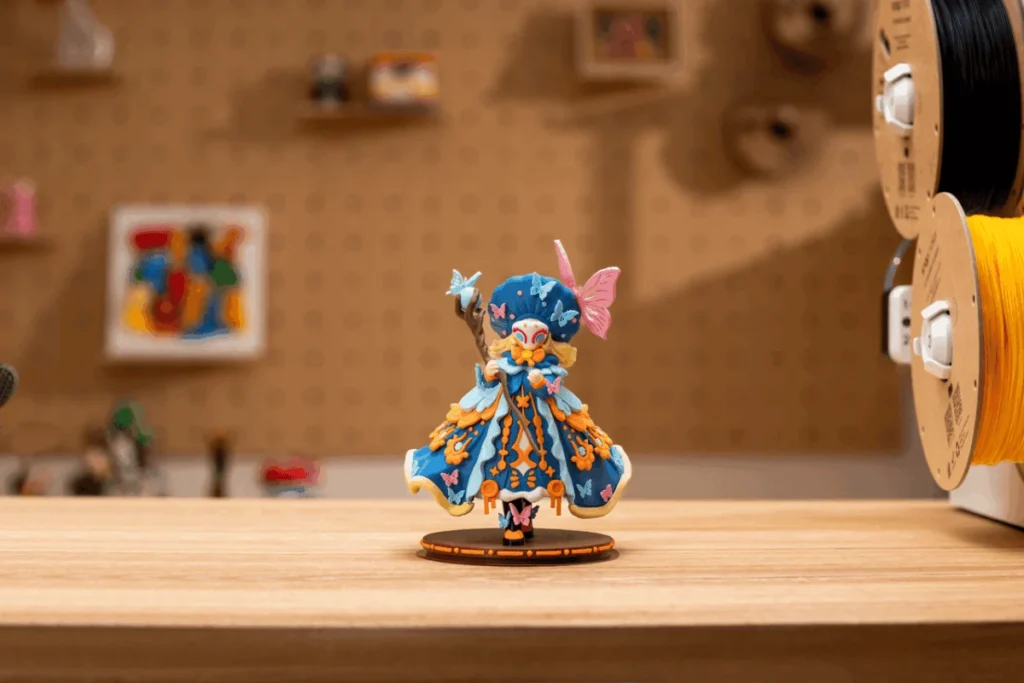
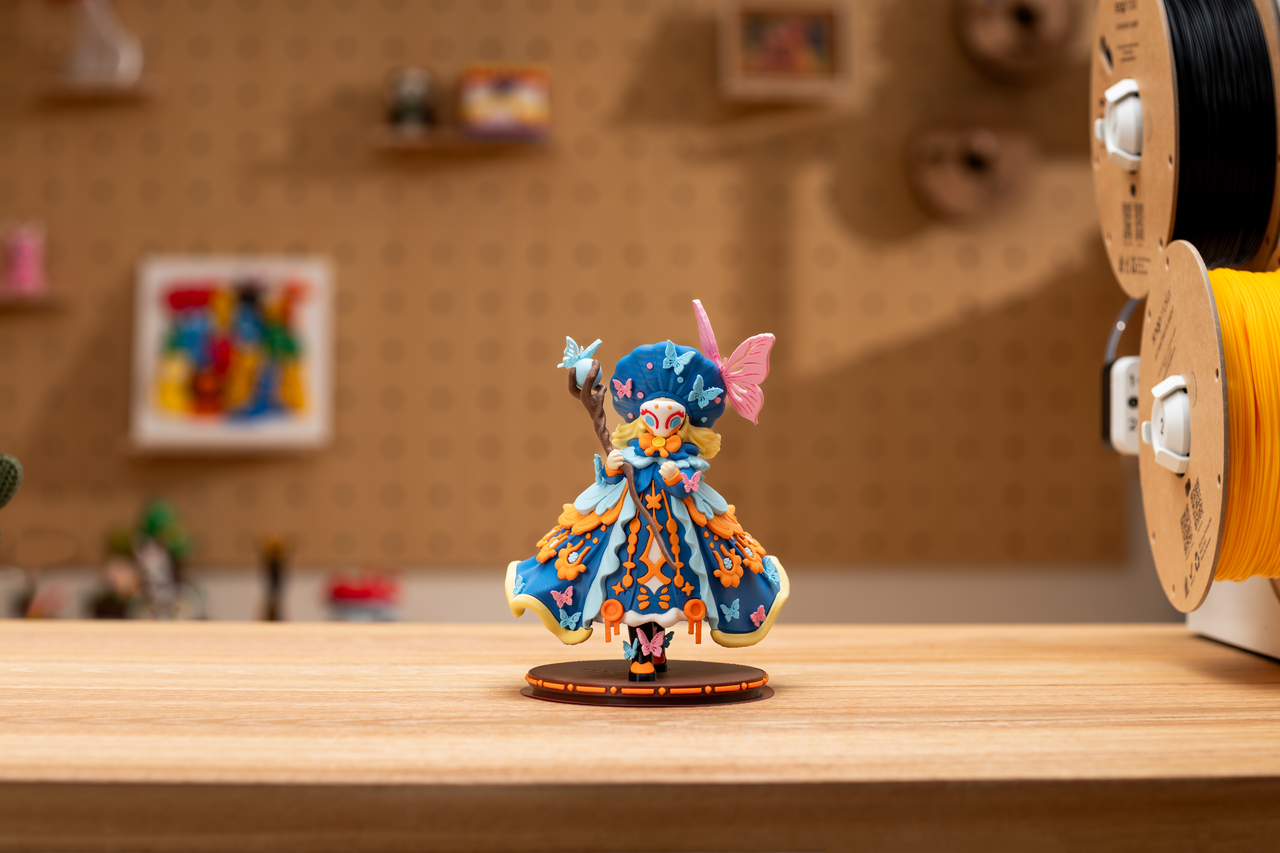
Snapmaker’s 2,500-model starting point is a strategic "seed" designed to demonstrate the platform’s aesthetic. By focusing on high-quality multi-color prints—such as the featured "Night Elf" model shared by user @SUN3D—Snapmaker is signaling that its repository is for enthusiasts who want to move beyond the "plastic trinket" stage of 3D printing and into the realm of high-art and functional engineering.
Official Responses and Community Implications
While official statements from Snapmaker executives emphasize the "community-first" nature of the platform, industry analysts see a more calculated business move. "Snapmaker is closing the loop," says one digital manufacturing consultant. "They have the hardware and the slicer. By adding the repository, they own the entire user journey. This allows them to collect data on what people are printing, which in turn informs their next generation of hardware development."

Early reactions from the Snapmaker community on platforms like Discord and Reddit have been cautiously optimistic. Long-time users have expressed a desire for a "one-stop-shop" that understands the specific tolerances and settings of Snapmaker machines. However, some creators have voiced concerns about "yet another platform" to manage. To combat this, Snapmaker’s reward system is designed to be lucrative enough to justify the extra effort of cross-posting designs.
The inclusion of an "Open Beta" tag is a vital part of the strategy. It allows the company to iterate on the user interface and the reward algorithm based on actual user behavior before a full-scale global marketing push. It also mitigates criticism regarding the initial library size, as users expect a beta platform to grow over time.
Broader Impact and the Future of Digital Fabrication
The launch of Snapmaker Space is a microcosm of a larger trend in the Fourth Industrial Revolution: the democratization of design. As platforms like this become more sophisticated, the line between "consumer" and "manufacturer" continues to blur.
Looking ahead, Snapmaker Space faces the challenge of maintaining content quality while scaling. The rise of AI-generated 3D models presents both an opportunity and a threat. While AI can help users generate simple objects on demand, it can also lead to a flood of low-quality "spam" models that can choke a repository’s discovery algorithm. Snapmaker’s focus on "models with a purpose" and "multi-color excellence" suggests they may implement stricter curation or more sophisticated filtering than their predecessors.
Furthermore, the potential for Snapmaker Space to host CNC and Laser files cannot be overstated. If Snapmaker successfully builds the first major repository that treats CNC paths and Laser vectors with the same importance as 3D STL files, they will have carved out a niche that neither Prusa nor Bambu Lab currently occupies.
Conclusion
Snapmaker Space is more than just a website for downloading files; it is a declaration of intent. By incentivizing the creation of complex, multi-color models, Snapmaker is attempting to elevate the standard of the "hobbyist" maker. The platform serves as a bridge between the company’s sophisticated hardware and the creative potential of its global user base. As the beta progresses, the success of Snapmaker Space will likely be measured not just by the number of downloads, but by its ability to foster a self-sustaining community that views the Snapmaker ecosystem as the premier destination for multi-functional making. For now, the 2,500 models available represent the first steps toward a more integrated, creative, and rewarding future for the brand and its followers.