The global military landscape is undergoing an unprecedented transformation, driven by rapid advancements in technology that promise to redefine defense strategies, operational readiness, and the very nature of warfare. From enhancing naval fleet readiness through predictive analytics to pioneering 3D-printed components for advanced fighter jet engines, and from sophisticated autonomous systems to next-generation missile defense, the intersection of technology and military prowess is yielding an integrated ecosystem designed for speed, precision, and resilience. This era is marked by a relentless pursuit of innovation, where legacy systems are upgraded, and entirely new paradigms of defense are emerging, shaping the conflicts of tomorrow.
Naval Modernization and the Quest for Unprecedented Readiness
At the forefront of this modernization push is the U.S. Navy, which is aggressively pursuing a target of 90% fleet readiness through the implementation of a sophisticated predictive maintenance platform. This ambitious goal represents a significant shift from traditional, time-based maintenance schedules to data-driven, condition-based approaches. Leveraging artificial intelligence and machine learning algorithms, this platform analyzes vast quantities of sensor data from naval vessels – including engines, propulsion systems, and combat systems – to anticipate equipment failures before they occur. The implications are profound: fewer unexpected breakdowns, optimized maintenance cycles, reduced operational costs, and, crucially, a significantly higher percentage of ships ready for deployment. Historically, naval readiness has been a persistent challenge, with complex vessels requiring extensive upkeep and repair. The introduction of such a platform is expected to mitigate these issues, ensuring that critical assets remain operational in an increasingly volatile global environment.
Complementing this drive for readiness, Raytheon has secured a substantial $1.8 billion deal to expand SPY-6 radar systems for U.S. Navy ships. The SPY-6 family of radars is a cornerstone of the Navy’s integrated air and missile defense capabilities, offering unparalleled detection, tracking, and engagement capabilities against a wide array of threats, from ballistic missiles to advanced cruise missiles and enemy aircraft. This contract extension underscores the strategic importance of superior sensor technology in maintaining maritime dominance and projecting power. The deployment of these advanced radar systems on more vessels will create a more robust and layered defense network, enhancing situational awareness and response times across the fleet.
Further illustrating the evolving naval strategy, the U.S. Navy’s 15,000-ton hypersonic destroyer is anticipated to return, albeit notably with no missiles aboard in its initial phase. This seemingly counterintuitive move highlights a potential paradigm shift towards specialized roles or experimental platforms. It suggests that such a vessel might initially serve as a testbed for advanced propulsion, sensor integration, or command-and-control systems, rather than an immediate combat deployer. This approach allows for focused development and validation of cutting-edge technologies before integrating weapon systems, potentially streamlining future deployment timelines. Simultaneously, the U.S. is poised to construct "Golden Dome" missile tracking ships utilizing a 50% cheaper acquisition model. This innovative approach to procurement aims to deliver critical strategic assets more efficiently, addressing long-standing concerns about defense spending and accelerating the deployment of capabilities essential for tracking advanced missile threats, particularly in a landscape where hypersonic weapons are becoming a significant concern.
Advancing Air Superiority and the Future of Flight
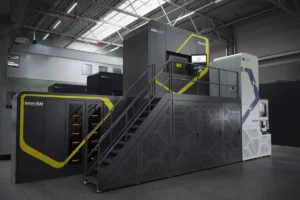
The realm of military aviation is witnessing equally dramatic leaps. The F-35 fighter jet engine is slated to test its first full-scale 3D-printed metal case by 2028. This development is a game-changer for aerospace manufacturing, promising to drastically reduce production lead times, lower costs, and enable the creation of complex, lightweight components with superior performance characteristics. Additive manufacturing, or 3D printing, allows for rapid prototyping and bespoke part creation, which is crucial for maintaining and upgrading advanced aircraft like the F-35, notorious for its intricate supply chain challenges. This move towards 3D printing is not just about efficiency; it’s about building more resilient, adaptable, and technologically superior platforms faster.
Beyond the F-35, the future of air combat is being shaped by new propulsion systems. Rolls-Royce’s next-gen fighter jet engine has cleared key milestones ahead of ground trials, signaling significant progress in developing powerplants that will enable future combat aircraft to achieve higher speeds, greater ranges, and enhanced stealth capabilities. These engines are critical for maintaining air superiority in contested environments and powering the next generation of crewed and uncrewed aerial vehicles. In a similar vein, the Valox 1500 engine is fast-tracking autonomous military aircraft with its digital-first design. This emphasis on digital design and engineering allows for accelerated development cycles, enabling rapid iteration and optimization of engines specifically tailored for the unique demands of autonomous flight, such as efficiency, reliability, and reduced maintenance requirements.
Further expanding the operational flexibility of military air power, GE has completed a key engine test for its X-BAT aircraft, designed to take off without runways. This innovative vertical takeoff and landing (VTOL) capability promises to revolutionize tactical air operations, allowing aircraft to be deployed and recovered from austere, unprepared locations closer to the frontline. Such platforms could significantly enhance logistics, special operations, and rapid response capabilities, reducing reliance on vulnerable airfields.
The Rise of Autonomous Systems and Evolving Drone Warfare
The proliferation of unmanned aerial systems (UAS), or drones, has fundamentally altered modern conflict, necessitating both advanced offensive and defensive strategies. A critical analysis now frequently compares drone swarms versus cruise missiles in terms of range, cost, and power. Drone swarms, characterized by their low cost, expendability, and ability to overwhelm defenses through sheer numbers, present a potent and asymmetric threat. While individual drones may lack the destructive power or range of a sophisticated cruise missile, their collective intelligence, reconfigurability, and distributed attack vectors pose significant challenges to traditional air defense systems. Cruise missiles, conversely, offer high-precision, long-range strike capabilities with substantial warheads, but at a much higher unit cost. The strategic implications are vast, forcing militaries to invest in multi-layered defenses that can contend with both high-value, high-cost threats and low-cost, high-volume swarm attacks.
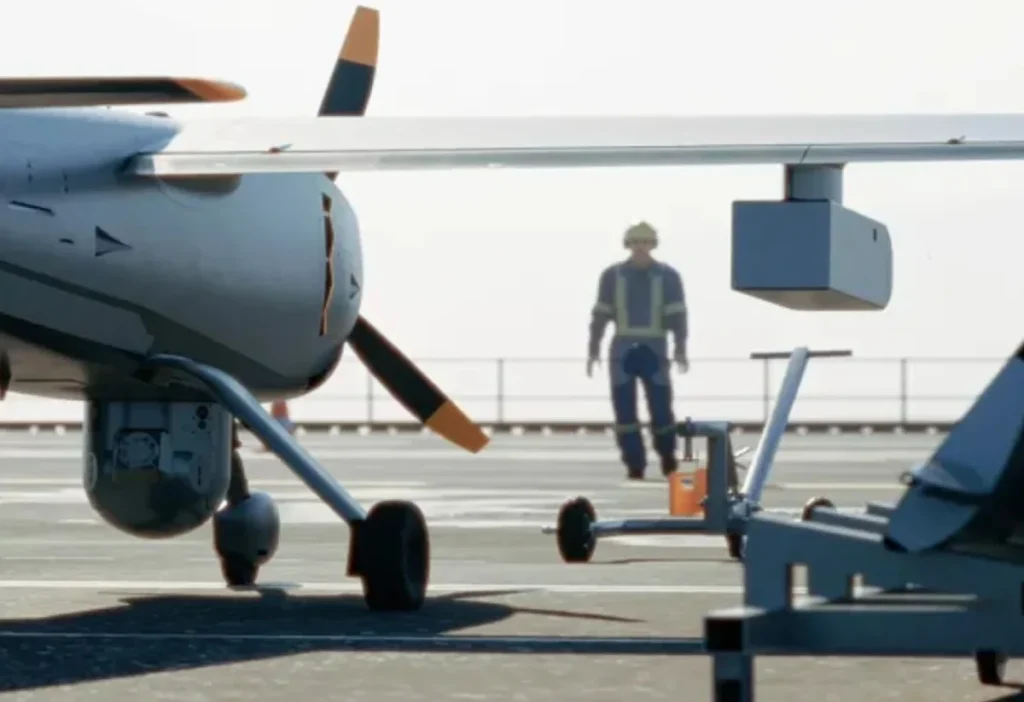
In response to the evolving drone threat, the U.S. has unveiled a flight-tested supersonic interceptor designed to counter Group 3 drone threats. Group 3 drones typically encompass larger, more sophisticated UAVs capable of carrying significant payloads and operating at higher altitudes and speeds. A supersonic interceptor offers a rapid, high-energy solution to neutralize these more advanced threats, protecting critical assets and personnel. Furthermore, the U.S. has revealed a reusable microwave drone-killer capable of taking down 50 UAVs per mission. This non-kinetic counter-UAS system represents a cost-effective and efficient method to defeat swarms of drones without expending expensive interceptor missiles. By emitting powerful microwave pulses, it can disable multiple electronic systems simultaneously, offering a scalable solution for airspace denial.
Autonomous systems are also transforming logistics and offensive capabilities. A new Sikorsky system is enabling BETA cargo aircraft to fly dangerous supply missions autonomously. This innovation aims to remove human pilots from hazardous environments, ensuring the delivery of vital supplies to forward operating bases or disaster zones without risking lives. This significantly enhances logistical resilience and efficiency in high-threat areas. On the offensive side, Anduril’s new autonomous tiltrotor, "Thunder," takes off vertically and carries a 10-missile payload. This platform combines the operational flexibility of VTOL aircraft with significant strike capability, presenting a versatile tool for reconnaissance, close air support, and precision strikes in complex terrain, all while operating without a human pilot onboard.

Reinforcing Missile Defense and Strategic Firepower
The arms race in missile technology continues unabated, prompting renewed focus on advanced defense systems. Lockheed’s new interceptor is designed to defeat both cruise missiles and ballistic threats. This system represents a critical advancement in layered missile defense, capable of engaging diverse aerial threats across various altitudes and ranges. Such comprehensive interceptor capabilities are vital for protecting national assets and deployed forces against the increasing sophistication and proliferation of adversary missile technologies.
The development of missile engines is also seeing revolutionary changes through advanced manufacturing. The RTX TJ150 missile engine has completed tests with nearly 60% 3D-printed hardware. Similar to the F-35 engine development, this showcases the potential for additive manufacturing to accelerate the production of complex, high-performance missile components. It allows for more efficient designs, reduced material waste, and potentially lower overall costs, enabling faster development cycles for next-generation missile systems.
Meanwhile, the U.S. Air Force crews have dropped 36 practice bombs to validate the F-15EX strike capability. This exercise underscores the continued importance of modernizing existing, proven platforms. While next-generation aircraft are under development, the F-15EX represents a significant upgrade to a highly successful airframe, ensuring its relevance and lethality in contemporary and future conflicts, particularly in delivering precision-guided munitions.
Warfighter Protection, Logistics, and Command in a Complex Battlefield
Beyond platforms and weapons, the welfare and effectiveness of individual warfighters and the overarching command structures are paramount. The U.S. is accelerating the development of next-gen chemical protection suits for its fighters with a new program. In an age where non-conventional threats remain a concern, providing soldiers with advanced protection against chemical, biological, radiological, and nuclear (CBRN) agents is crucial for maintaining operational effectiveness and ensuring survivability in hazardous environments. These suits aim to offer greater mobility, reduced heat stress, and enhanced protection compared to previous generations.
Logistical challenges and situational awareness are being addressed through innovative sensor technologies. A U.S. firm has unveiled sensors designed to track military personnel and supplies at the tactical edge. This capability provides commanders with real-time visibility into the location and status of critical assets and personnel, improving logistics, enhancing safety, and enabling more informed decision-making in dynamic combat zones. Such tracking systems are essential for optimizing resource allocation and responding rapidly to evolving battlefield conditions.
Command and control in contested electromagnetic environments are also being fortified. A powerful electromagnetic battle management ecosystem has completed its first flight test, proving its efficacy. This system is designed to provide commanders with a comprehensive understanding of the electromagnetic spectrum, enabling them to detect and counter adversary electronic warfare efforts while ensuring their own communications and sensor systems remain operational. In an era where electronic warfare is increasingly sophisticated, mastery of the electromagnetic spectrum is a critical determinant of success.
Finally, survivability in highly contested airspace is being enhanced by advanced deception technologies. A battle-tested decoy system that replicates fighter jets’ radar signature is set to be produced in the U.S. These decoys are designed to mimic the radar profile of high-value aircraft, drawing enemy fire away from actual combat assets. By presenting false targets, they can confuse adversary air defenses, improve the survivability of friendly aircraft, and create tactical opportunities for offensive operations.
Broader Implications and the Future of Military Engineering
The myriad advancements highlighted above paint a clear picture of a military-industrial complex grappling with profound shifts in global geopolitics, technological capabilities, and the very nature of conflict. As the "About Military" section aptly describes, military systems are defined by slow procurement cycles, immense costs, and tight constraints, demanding hard trade-offs between capability, cost, and reliability. However, the current wave of innovation, especially in areas like AI, drones, cyber tools, space-based assets, and advanced manufacturing, is pushing the boundaries of these traditional constraints.
The emphasis on predictive maintenance and additive manufacturing is directly addressing the logistical and cost burdens that have historically plagued defense programs. By making systems more reliable and parts easier to produce and replace, these technologies promise to enhance overall fleet readiness and reduce the lifetime cost of ownership. The rapid development of autonomous systems, from cargo aircraft to offensive tiltrotors and drone interceptors, signals a future where human operators may be increasingly removed from the most dangerous missions, while also presenting new ethical and regulatory challenges concerning the use of AI in warfare.
The focus on advanced radar systems, missile interceptors, and electromagnetic battle management underscores a heightened awareness of sophisticated threats and the need for comprehensive, layered defenses. The modernization of existing platforms like the F-15EX, alongside the development of entirely new concepts like the X-BAT VTOL aircraft, demonstrates a pragmatic approach to balancing immediate operational needs with long-term strategic goals.
Ultimately, these interconnected developments illustrate a defense establishment striving for a delicate balance: maintaining overwhelming conventional superiority while simultaneously adapting to the disruptive potential of emerging technologies and asymmetric threats. The continuous evolution of military systems influences not only operational capabilities but also global stability, arms control, and international relations. The choices made today in design, acquisition, and deployment of these technologies will irrevocably shape the geopolitical landscape and the nature of conflicts for decades to come, moving beyond mere spectacle to a functional, adaptable, and technologically integrated force.