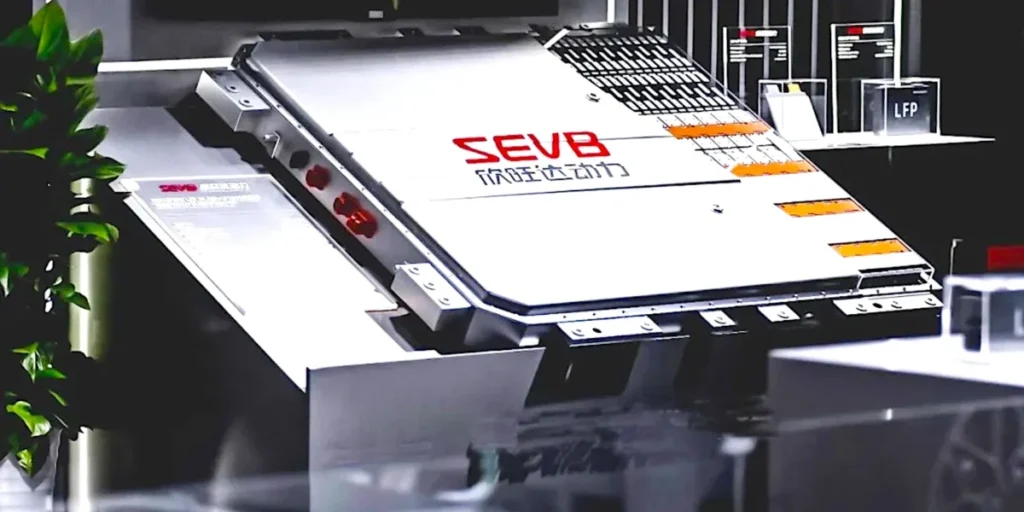
Chinese battery technology giant Sunwoda has announced a groundbreaking advancement in electric vehicle (EV) charging, unveiling a new battery system capable of achieving a remarkable 10% to 97% state of charge (SOC) in less than 10 minutes. This revolutionary technology, presented at a battery industry conference in Zaozhuang, Shandong, also boasts the ability to add approximately 100 kilometers (about 62 miles) of range per minute of charging. Crucially, these extraordinary charging speeds are achieved at room temperature, addressing a long-standing challenge in rapid charging technology.
The development comes at a pivotal moment for the automotive industry, as global fuel prices continue to fluctuate dramatically, driven by geopolitical tensions. This makes the prospect of EVs offering comparable or even faster "refueling" times than traditional internal combustion engine vehicles increasingly attractive to consumers. Sunwoda’s innovation directly tackles the perceived limitations of EV charging infrastructure and battery longevity, potentially accelerating the widespread adoption of electric mobility.
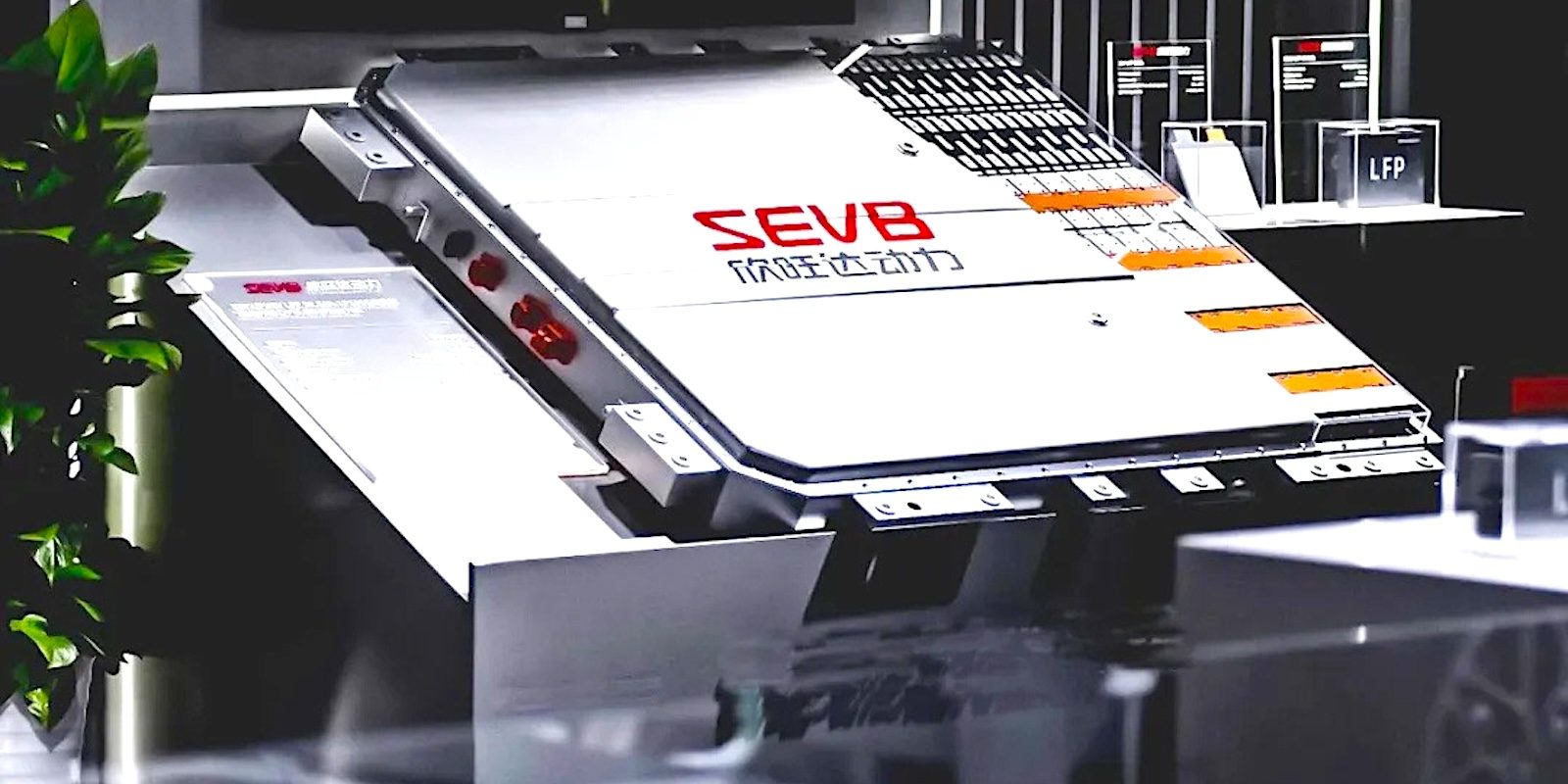
A New Era of Rapid Charging: The 15C Battery Technology
Sunwoda’s new offering, referred to as 15C battery technology, was showcased with specific performance metrics that have sent ripples through the EV sector. The company claims the system can charge from 10% to 70% SOC in a mere 5 minutes, and then accelerate to a full 97% SOC in an additional 4 minutes, totaling just 9 minutes for the significant charge. This rapid replenishment rate is designed to alleviate range anxiety, a major concern for many potential EV buyers.
The true breakthrough, however, lies in Sunwoda’s innovative approach to thermal management. Historically, the primary obstacle to ultra-fast charging has been the immense heat generated when energy is pushed into a battery at such high rates. Effectively dissipating this heat is critical to preventing battery degradation and ensuring safety. Sunwoda’s system appears to have overcome this challenge, enabling these impressive charging speeds without compromising battery health, even at ambient temperatures.
This capability is not limited to warmer climates. Sunwoda also highlighted the system’s resilience in extreme cold, demonstrating its ability to add approximately 700 kilometers (about 435 miles) of range and charge the battery from 10% to 97% SOC in just 15 minutes, even at a frigid -20° Celsius (-4° Fahrenheit). This dual capability – rapid charging in both hot and cold conditions – underscores the robustness and versatility of their technology.

Addressing Battery Longevity Concerns
A significant concern surrounding high-speed charging has been its potential impact on battery lifespan. Traditional wisdom suggested that frequent ultra-fast charging sessions could accelerate battery degradation. However, Sunwoda directly challenges this notion. The company, which already supplies batteries to major automotive manufacturers such as Geely, Dongfeng, and GAC, states that its new batteries are engineered to meet warranty requirements of 10 years or 300,000 kilometers, with no limitations on the number of ultrafast charging sessions.
This commitment to battery longevity, coupled with the rapid charging capabilities, positions Sunwoda’s technology as a potential game-changer. It suggests that the trade-off between charging speed and battery life, a long-standing hurdle in EV development, may no longer be a critical consideration. This could pave the way for more affordable and accessible EVs, as battery replacement costs are a significant factor in the total cost of ownership.
A Holistic Energy Ecosystem Approach
Beyond the battery technology itself, Sunwoda has also unveiled the high-power charging infrastructure that complements its flash charging system. The company is promoting an open ecosystem that integrates solar power generation, battery energy storage solutions, and ultra-fast charging capabilities. This holistic approach moves Sunwoda beyond being solely a battery manufacturer to becoming a comprehensive energy management solutions provider.

By combining these elements, Sunwoda aims to create a more sustainable and efficient energy cycle. Solar power can be harnessed and stored, then utilized to power the ultra-fast charging stations. This not only reduces reliance on the grid but also contributes to a lower carbon footprint for EV charging. This strategic expansion into energy management opens up opportunities for partnerships with energy companies, microgrid operators, and even smart city initiatives.
The Broader Implications for the EV Market
Sunwoda’s announcement has several significant implications for the global electric vehicle market:
- Accelerated EV Adoption: By dramatically reducing charging times and alleviating range anxiety, this technology can make EVs a more practical and convenient choice for a wider range of consumers.
- Increased Competition: The development of such advanced charging solutions intensifies competition among battery manufacturers and charging infrastructure providers, potentially leading to faster innovation and lower costs across the board.
- Grid Management: The integration of solar power and battery storage with ultra-fast charging could help mitigate the strain on electricity grids, especially during peak charging hours. This is crucial as EV penetration increases.
- New Business Models: Sunwoda’s move towards an integrated energy ecosystem could inspire new business models focused on energy services, grid stabilization, and localized energy solutions.
- Global Market Dynamics: As a prominent Chinese battery supplier, Sunwoda’s advancements could influence global supply chains and technological standards in the EV sector.
A Timeline of Innovation in Fast Charging
The pursuit of faster EV charging has been a continuous journey, marked by incremental improvements and significant breakthroughs.

- Early 2010s: Initial fast-charging standards like CHAdeMO and CCS began to emerge, offering charging speeds that could add tens of miles of range in 30-60 minutes. This was a significant improvement over Level 2 charging.
- Mid-2010s: Battery chemistries and thermal management systems saw advancements, allowing for slightly faster charging rates and improved battery longevity. Tesla’s Supercharger network became a notable example of dedicated fast-charging infrastructure.
- Late 2010s: The development of higher voltage charging architectures (e.g., 800V systems) began to appear in concept vehicles and some production models, promising even faster charging times by reducing resistive losses.
- Early 2020s: Several manufacturers and battery suppliers started announcing capabilities to charge from 10% to 80% in around 15-20 minutes. This included technologies from companies like StoreDot and CATL, pushing the boundaries of lithium-ion battery performance.
- Mid-2020s (Present): Sunwoda’s announcement of a 10-97% charge in under 10 minutes, and the ability to add 100 km of range per minute at room temperature, represents a significant leap forward. This level of speed was previously considered aspirational and challenging to achieve without compromising battery health.
Expert and Industry Reactions (Inferred)
While direct statements from competing entities are not yet widely available, the implications of Sunwoda’s announcement are likely to provoke a strong response.
- Automotive Manufacturers: Companies like Geely, Dongfeng, and GAC, who are existing Sunwoda customers, are likely to be keenly interested in integrating this technology into their future EV models. This could give them a competitive edge in the market.
- Charging Infrastructure Providers: Companies involved in building and operating charging networks will need to adapt their hardware and software to accommodate these new ultra-fast charging capabilities. This could lead to investments in higher-power charging stations.
- Other Battery Developers: Competitors in the battery technology space will undoubtedly be spurred to accelerate their own research and development efforts to match or surpass Sunwoda’s achievements. This could lead to a rapid evolution of battery technology across the industry.
- Environmental Advocacy Groups: The potential for faster charging and increased EV adoption is likely to be welcomed by environmental groups, as it directly contributes to reducing reliance on fossil fuels and lowering transportation-related emissions.
The Road Ahead: Challenges and Opportunities
Despite the impressive advancements, several factors will influence the widespread adoption of Sunwoda’s technology:
- Scalability of Production: The ability to mass-produce these advanced battery systems and the corresponding charging infrastructure at competitive prices will be critical.
- Global Standardization: While Sunwoda’s system is impressive, interoperability with existing charging standards and grids will be important for seamless integration.
- Consumer Education and Trust: Building consumer confidence in the longevity and safety of ultra-fast charging will require clear communication and demonstration of real-world performance.
- Regulatory Frameworks: Governments and regulatory bodies may need to adapt standards and policies to accommodate the new charging speeds and infrastructure requirements.
Sunwoda’s revelation marks a significant milestone in the journey towards a truly electrified transportation future. By pushing the boundaries of battery performance and thermal management, the company is not only challenging existing paradigms but also actively shaping the landscape of electric mobility for years to come. The race for faster, more efficient, and more sustainable EV charging has just intensified, and Sunwoda has firmly planted itself at the forefront.