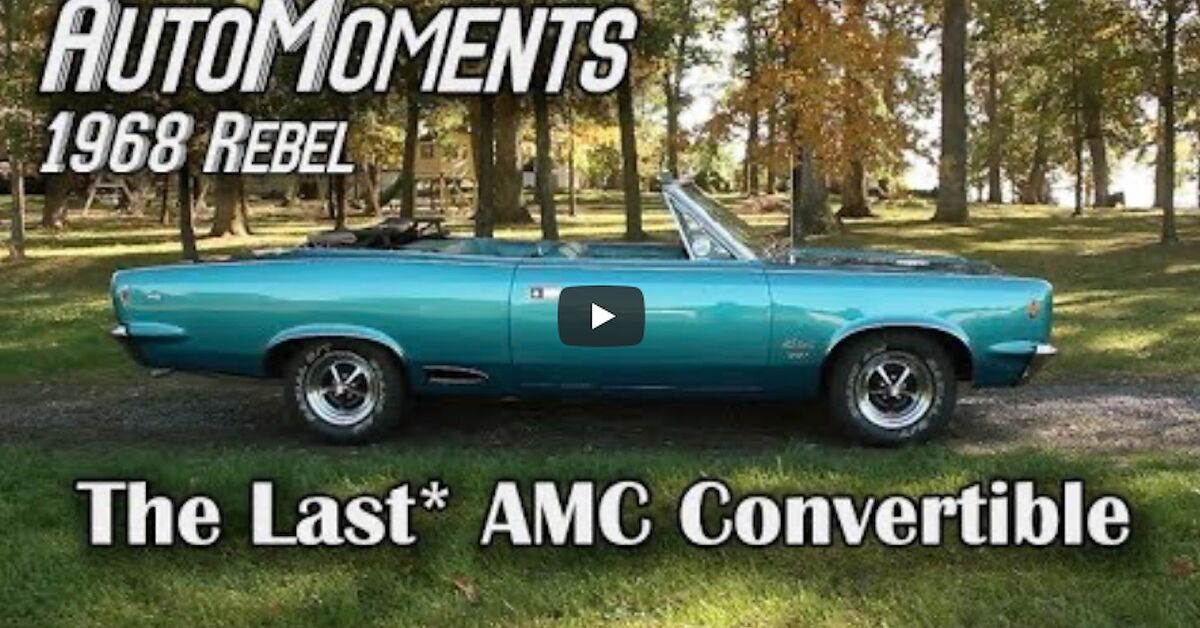
A lot changed at American Motors from 1962 to 1968, and one way to unravel that history is to follow the lineage of this 1968 Rebel SST convertible. Plus, it’s a lot of fun to drive on a beautiful fall day. This vehicle represents more than just a classic car; it stands as a poignant symbol of American Motors Corporation’s (AMC) ambitious, yet ultimately unsustainable, attempt to ascend the automotive hierarchy, coinciding with the bittersweet end of convertible season and a pivotal era in the company’s history. The Rebel SST convertible, in its striking design and open-air experience, encapsulates the aspirations and the eventual limitations of AMC, marking the final chapter of AMC-branded convertibles produced at the factory.
The Genesis of the Rebel: AMC’s Strategic Pivot
The story of the 1968 AMC Rebel SST convertible is intrinsically linked to a broader strategic shift within American Motors under the leadership of Roy Abernethy. In the early 1960s, AMC was primarily known for its economical compact cars, such as the Rambler American, catering to a segment of the market focused on affordability and fuel efficiency. However, Abernethy envisioned a more ambitious future for AMC, aiming to compete with the "Big Three" – General Motors, Ford, and Chrysler – by offering a wider range of vehicles, including larger, more stylish, and more powerful models. This strategy, initiated around 1962, sought to capture a more affluent segment of the car-buying public and elevate AMC’s brand image.
The Rebel, introduced as a mid-size offering, was a key component of this strategy. It was designed to offer more space, comfort, and luxury features than AMC’s traditional compact offerings, positioning itself as a competitor to models like the Ford Fairlane, Chevrolet Chevelle, and Plymouth Belvedere. The SST (Special Touring Sedan) designation further underscored this upscale ambition, promising a higher level of trim and appointments. The convertible variant, in particular, tapped into the enduring American fascination with open-top motoring, a segment that often signified performance, leisure, and a degree of luxury.
The 1968 Rebel SST Convertible: A Blend of Style and Ambition
The 1968 AMC Rebel SST convertible, as seen in contemporary reviews and captured in its enduring legacy, embodies this dual purpose. Externally, it presented a contemporary design for its time, with clean lines and a pleasing profile that aimed to appeal to a broader audience than AMC’s more utilitarian vehicles. The convertible top, when retracted, offered an unadulterated driving experience, connecting occupants with their surroundings – a sensation highly sought after by enthusiasts.
Inside, the SST trim level would have typically featured upgraded upholstery, more refined trim elements, and potentially a more comprehensive instrumentation package, further differentiating it from its more basic counterparts. Under the hood, AMC offered a range of engine options for the Rebel, from more economical inline-six engines to potent V8s, allowing buyers to tailor the car to their performance preferences. The availability of larger V8s, such as the 343 or even the 390 cubic inch engines, allowed the Rebel convertible to offer a respectable level of performance, matching the expectations for a car in its class and appealing to those who valued both style and a spirited driving dynamic.
The End of an Era: The Last AMC Convertible
The year 1968 holds a significant place in AMC’s history, not only for the introduction of models like the Rebel but also for marking the end of an era for AMC-produced convertibles. While AMC continued to produce vehicles for several more years, the Rebel SST convertible was the last of its kind to roll off the assembly line as a factory-built convertible under the AMC brand. This distinction is crucial. It is important to acknowledge that post-1968, AMC convertibles did exist, such as the AMC Eagle and Concord convertibles that were later produced by specialty coachbuilders like Griffith in the early 1980s, and the Renault Alliance convertible, a product of AMC’s partnership with Renault. However, these did not represent the same factory-integrated production ethos as the Rebel. The Rebel convertible was the culmination of AMC’s direct involvement in producing a full-bodied, mass-market convertible, making its departure a definitive closing of a chapter.
AMC’s Shifting Fortunes: The Strategy’s Complex Outcome
Abernethy’s strategy to move AMC upscale was met with a mixed reception and faced significant headwinds. While the introduction of models like the Rebel, Javelin, and AMX did inject new life into AMC’s product line and appeal to a different demographic, the company’s fundamental challenges remained.
Background Context: AMC operated with significantly smaller resources compared to the "Big Three." This meant less capital for research and development, marketing, and manufacturing efficiencies. The company had to be highly strategic in its product development, often leveraging existing platforms and components to reduce costs. Abernethy’s gamble was that by creating more desirable and profitable vehicles, AMC could generate the revenue needed to compete more effectively.
Timeline of Abernethy’s Strategy:
- Early 1960s: Roy Abernethy takes leadership and begins the push towards larger, more upscale vehicles.
- Mid-1960s: Introduction of models like the Ambassador, Rebel, and later the Javelin and AMX, aiming to diversify AMC’s portfolio.
- Late 1960s: The 1968 Rebel SST convertible represents a peak of this strategy, showcasing AMC’s ability to produce stylish and desirable vehicles in a competitive segment.
- Early 1970s: Despite some successes, the financial strain of competing with larger manufacturers and changing market trends begins to take a toll.
Why the Strategy Faced Difficulties:
- Brand Perception: Decades of marketing AMC as an economy brand were difficult to overcome. Consumers were accustomed to associating AMC with value and fuel efficiency, and shifting this perception to one of style and performance was a monumental task.
- Marketing Budget: The "Big Three" had vastly larger marketing budgets, allowing them to saturate the market with advertising and brand messaging. AMC struggled to match this reach, making it harder to get its message across to potential buyers.
- Economies of Scale: AMC’s lower production volumes meant higher per-unit manufacturing costs compared to its larger rivals. This put AMC at a disadvantage in pricing and profitability.
- Product Overlap and Internal Competition: The introduction of new, larger models sometimes created overlap with AMC’s existing compact offerings, potentially cannibalizing sales of their more established, profitable economy cars.
Despite these challenges, Abernethy’s tenure did see an improvement in sales and a more modern product lineup. The Rebel, in particular, was a well-received addition to the mid-size market.
The Driving Experience and Design Philosophy
The appeal of the 1968 Rebel SST convertible extended beyond its historical significance. From a driving perspective, the vehicle offered a taste of classic American open-top motoring. The experience of cruising with the top down, the wind in one’s hair, and the rumble of a V8 engine (if so equipped) provided a sense of freedom and enjoyment that remains a core appeal of convertibles. Reviews and testimonials from owners often highlight the car’s comfortable ride, especially for its era, and its capable handling for a car of its size. The suspension was tuned to provide a balance between comfort for everyday driving and stability.
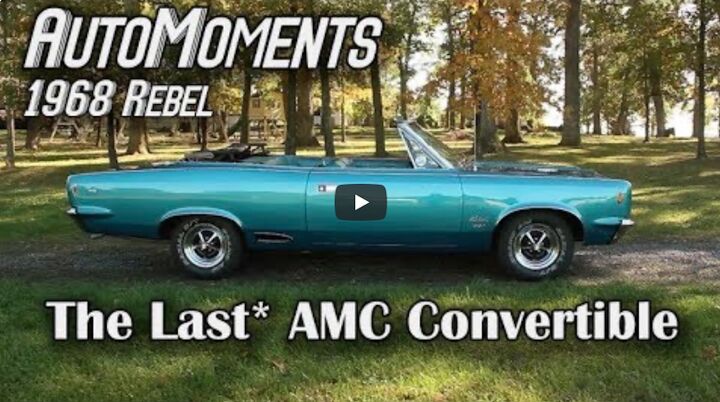
The design of the Rebel, while not revolutionary, was certainly in line with the styling trends of the late 1960s. It avoided the flamboyant excesses of some competitors, opting for a more restrained yet attractive aesthetic. The convertible body style, with its sleek silhouette, was perhaps the most expressive iteration of the Rebel’s design, embodying the spirit of leisure and enjoyment that characterized American car culture at the time.
The Broader Impact and Legacy
The 1968 AMC Rebel SST convertible’s significance is multi-faceted. It represents the pinnacle of AMC’s attempt to break out of its economy-car niche and compete in a more lucrative segment of the automotive market. The fact that it was the last factory-produced AMC convertible adds a layer of historical poignancy. It serves as a metaphor for the challenges AMC faced throughout its existence: a constant struggle to compete against much larger, more powerful rivals.
Analysis of Implications:
- Market Positioning: The Rebel demonstrated AMC’s capability to produce a competitive mid-size car with a stylish convertible option. However, the financial strain of developing and marketing such vehicles within AMC’s limited resources ultimately proved unsustainable in the long term.
- Brand Evolution: The Rebel was part of a broader effort to evolve the AMC brand. While this effort yielded some successful and memorable vehicles, it could not fundamentally alter AMC’s core identity in the eyes of all consumers, nor could it overcome the inherent structural disadvantages of being an independent automaker in a consolidated industry.
- Nostalgia and Collectibility: Today, the 1968 AMC Rebel SST convertible is a sought-after collector’s item. It appeals to AMC enthusiasts, collectors of classic American convertibles, and those who appreciate a well-preserved piece of automotive history. Its relative rarity, especially in good condition, adds to its desirability.
The creator behind this narrative, Joe Ligo, an Emmy Award-winning TV producer and director of "The Last Independent Automaker," brings a unique perspective. His work with AMC documentaries and his webseries "AutoMoments" underscores a deep understanding and appreciation for the company’s history and its place in automotive lore. Ligo’s connection to the Rebel, viewing it as a metaphor for both the end of a driving season and a significant era for AMC, highlights the emotional and historical weight of this particular vehicle. His own ownership of a 1972 AMC Ambassador Brougham sedan further solidifies his connection to the brand and its legacy.
Closing Reflection: A Bittersweet Farewell
The 1968 AMC Rebel SST convertible, therefore, is more than just a vintage automobile. It is a tangible link to a period of intense ambition and strategic maneuvering by American Motors. It stands as a testament to the company’s ability to design and produce vehicles that could compete aesthetically and dynamically with the established players. Yet, it also serves as a somber reminder of the inherent difficulties faced by smaller automakers in a fiercely competitive landscape.
The reviewer’s poetic comparison, drawing a parallel between the enjoyment of a convertible on a beautiful fall day and the closing chapter of AMC’s upscale ambitions, encapsulates the essence of the Rebel’s legacy. While modern drivers of convertibles can anticipate their return with the arrival of spring, AMC, and its ambitious strategy, did not receive that second chance. The Rebel convertible, in its enduring appeal and its historical context, remains a symbol of both a pleasant classic cruiser and the poignant conclusion of AMC’s determined, though ultimately unsustainable, quest to ascend the automotive hierarchy. Its story is woven into the fabric of American automotive history, a chapter closed, but not forgotten.