Every summer, the world of automotive aficionados converges on the picturesque coastal town of Monterey, California, for the highly anticipated Monterey Car Week. This ten-day extravaganza is a pilgrimage for enthusiasts, offering unparalleled access to some of the most exquisite and historically significant automobiles ever conceived. The week is punctuated by a series of high-octane races, elegant rallies, captivating car shows, and culminates in the globally renowned Pebble Beach Concours d’Elegance, a true testament to automotive artistry. Beyond the spectacle, Monterey Car Week presents a unique opportunity for discerning collectors to acquire a tangible piece of automotive history, with numerous exceptional vehicles crossing the auction block. This year, the spotlight is firmly fixed on two of the most celebrated and iconic American-built automobiles: a magnificent 1933 Duesenberg Model J Disappearing Top Convertible Coupe, presented by Mecum Auctions, and the visionary 1948 Tucker 48, offered by RM Sotheby’s. These two machines represent the zenith of American automotive engineering and design from distinct eras, promising to ignite passion and potentially set new benchmarks in the collector car market.
The Enduring Legacy of Duesenberg: A Symphony of Luxury and Performance
The Duesenberg Automobile & Motors Company, founded in 1920 by the enterprising brothers Fred and August Duesenberg, etched its name into automotive legend by crafting some of the most opulent and powerful luxury cars ever produced in America. Headquartered in Indiana, the company was the culmination of the Duesenberg brothers’ lifelong passion and expertise in designing and building high-performance engines, a journey that began in the early 1900s. Despite its relatively short operational lifespan of less than two decades, Duesenberg became synonymous with American automotive prestige, defining the era’s standard for luxury and engineering prowess. The company ultimately faced dissolution in 1937, a casualty of the Great Depression, and notably, unlike many other large employers of the time, it did not receive government assistance for its survival.
The Duesenberg marque operated with a distinctive business model, primarily producing sophisticated rolling chassis and potent engines. These were then dispatched to bespoke coachbuilders, who would meticulously craft unique bodies according to the specific desires of each client. This bespoke approach ensured that no two Duesenberg automobiles were precisely alike, even when built by the same coachbuilder. This commitment to exclusivity, however, did not come at the expense of performance. Duesenberg cars were engineered to be exceptionally fast and impeccably built, capable of rivaling, and often surpassing, the finest offerings from esteemed European manufacturers such as Bugatti, Bentley, and Rolls-Royce. The company’s engineering acumen extended beyond luxury sedans and coupes; the Duesenberg brothers were also pioneers in motorsport. One of their racing machines, the "Murphy Special," achieved a remarkable victory at the 1921 French Grand Prix, a grueling 30-lap contest on the historic Le Mans circuit. Furthermore, Duesenberg engines powered four Indianapolis 500 winners, firmly establishing the brand’s undeniable racing pedigree.
A Masterpiece of Design: The 1933 Duesenberg Model J Disappearing Top Convertible Coupe
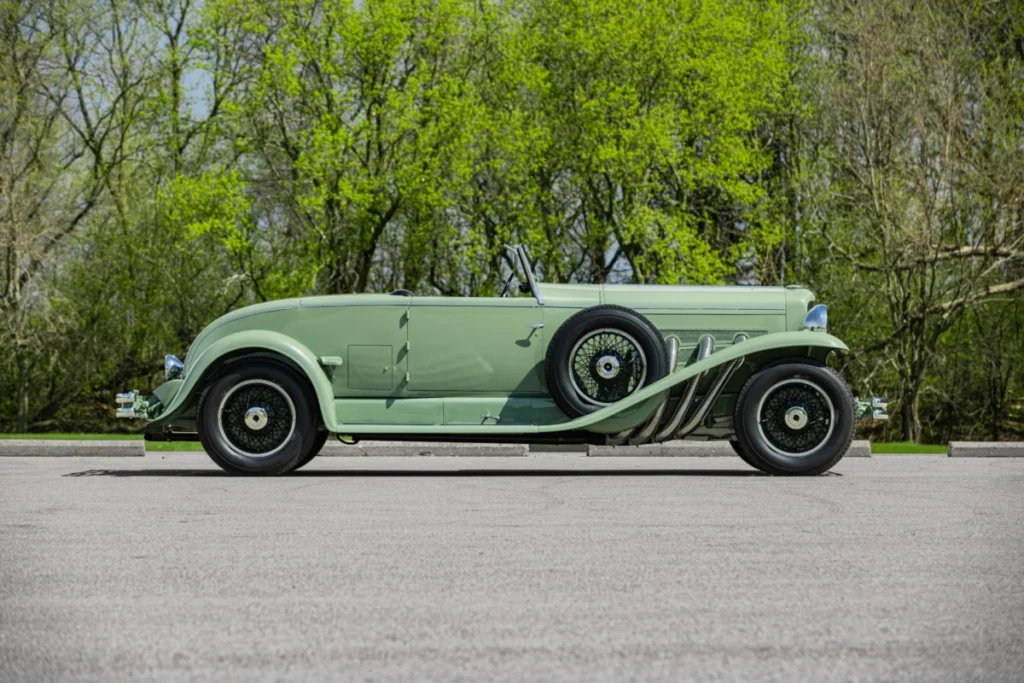
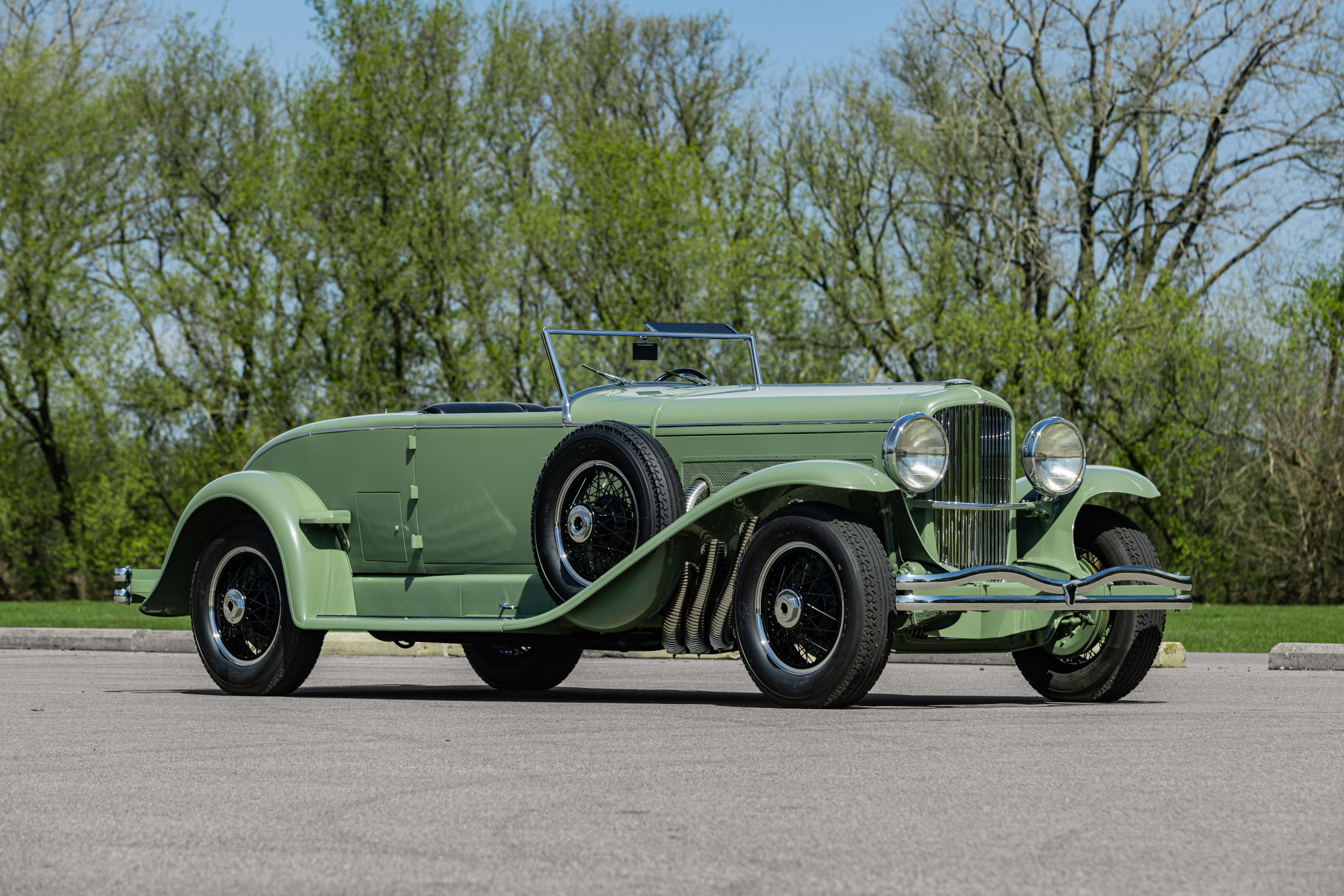
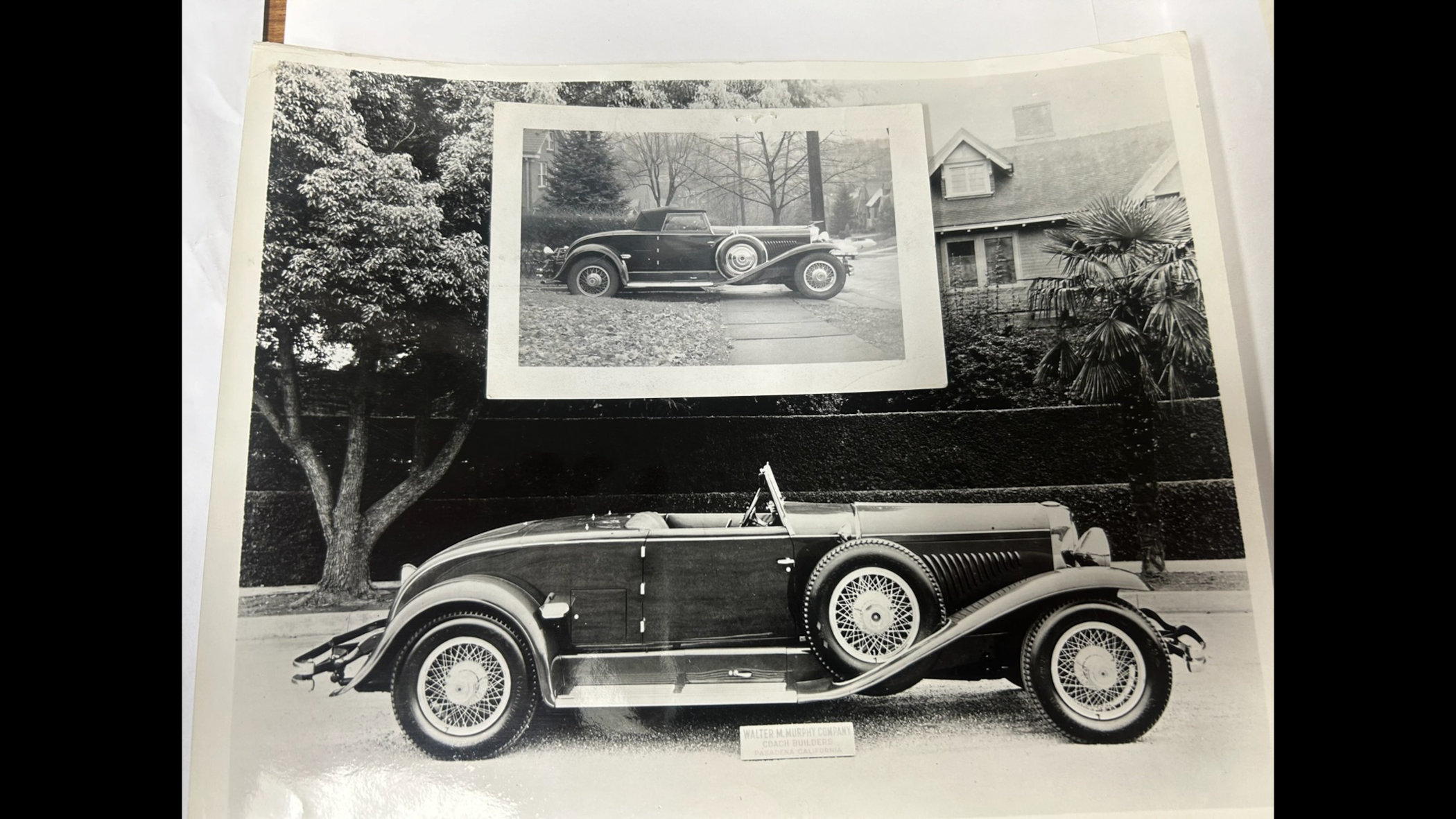
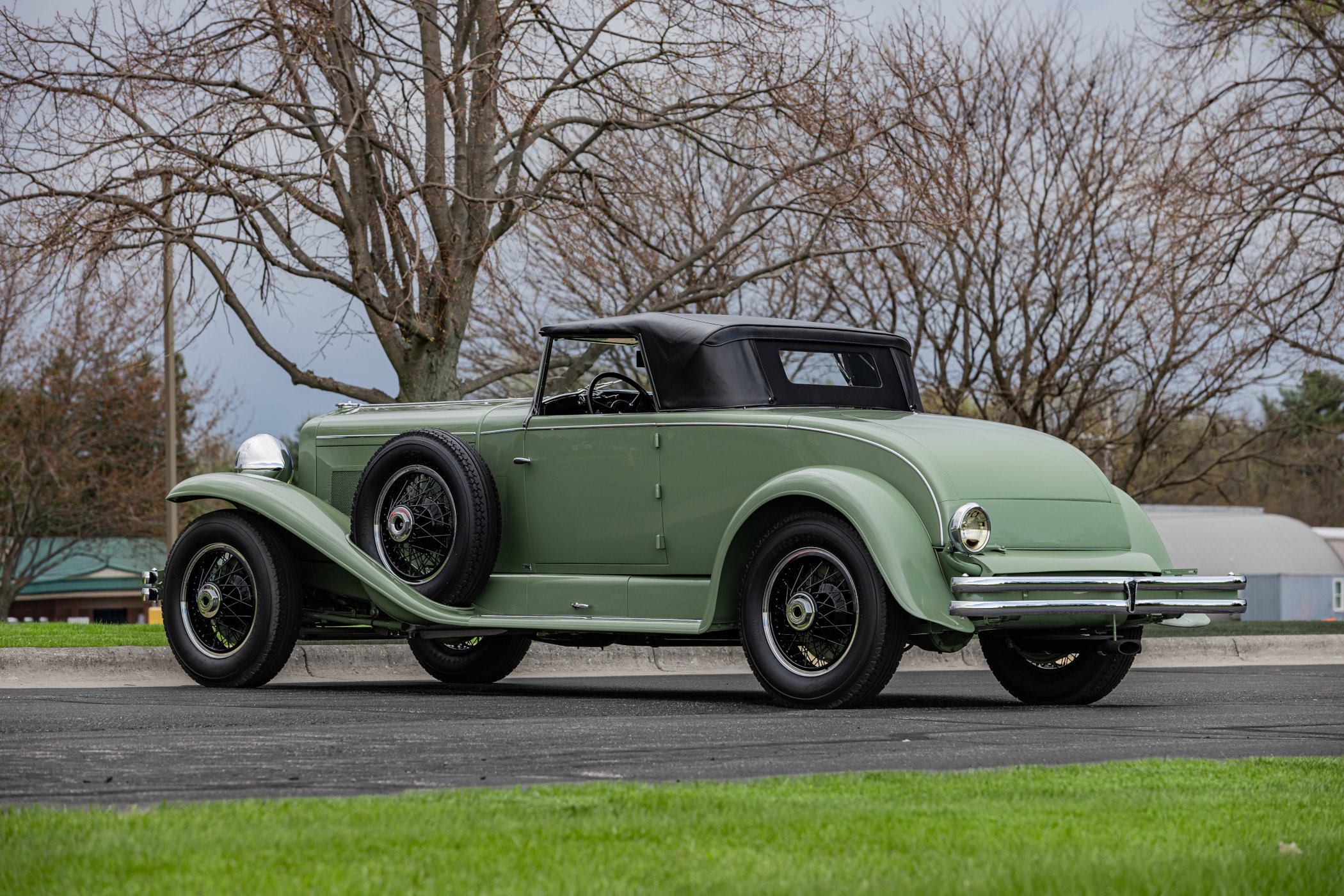
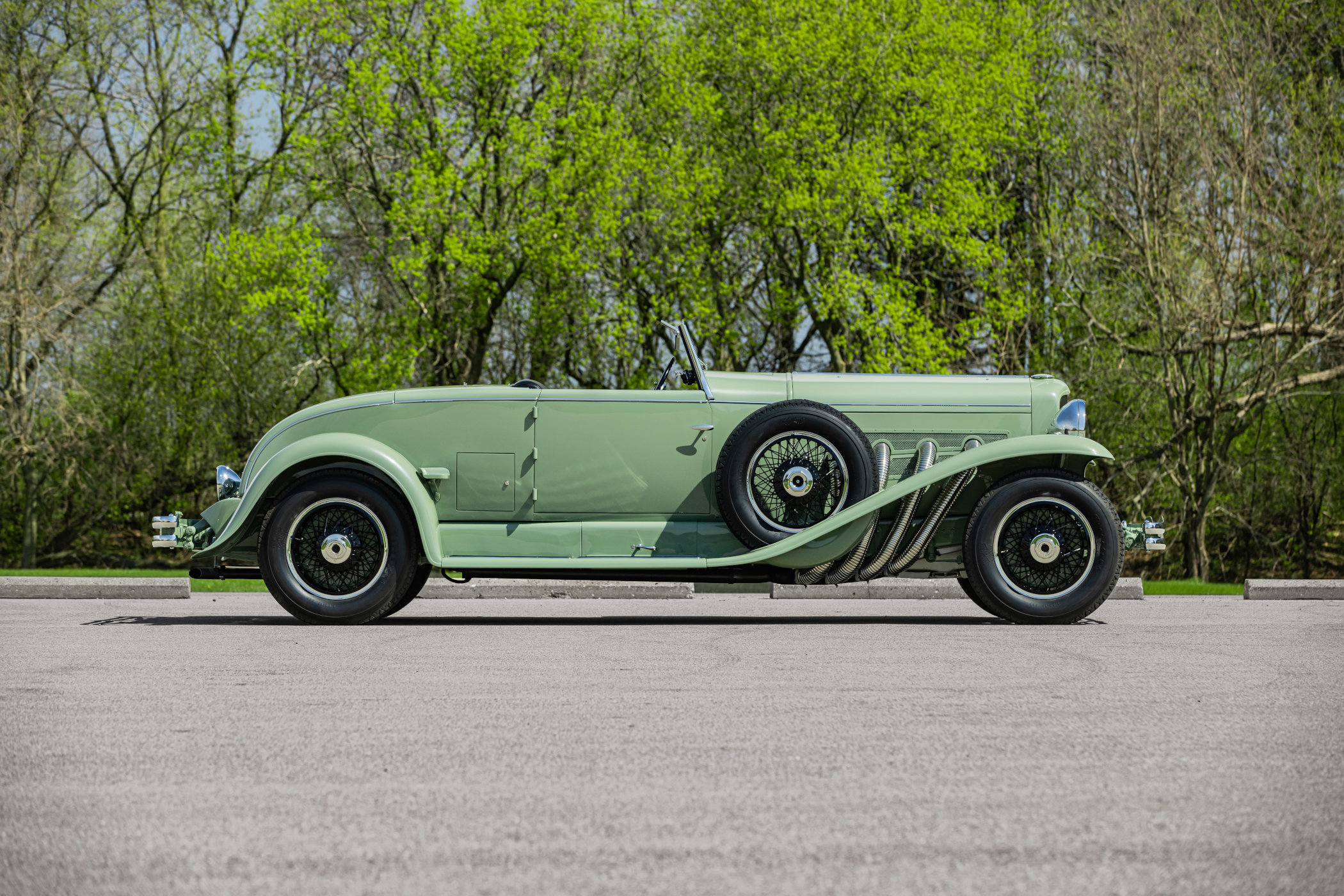
The star attraction from Mecum Auctions, the 1933 Duesenberg Model J Disappearing Top Convertible Coupe, chassis number 2446, stands as a breathtaking example of the marque’s golden age. This particular Model J, completed in 1933, features an exquisite body meticulously crafted by the renowned Walter M. Murphy Company. Remarkably, after nearly a century, this automobile retains its original chassis, engine, transmission, and body, a testament to its exceptional preservation and care. Its provenance is exceptionally well-documented, with a nearly unbroken lineage of ownership tracing back to its first proprietor. Notably, it was owned for approximately 40 years by Bob Estes, a significant figure in American racing history.
The "Disappearing Top" in its name hints at one of its most captivating features: a fully retractable soft-top that, unlike many contemporaries, disappears completely within the bodywork, presenting a seamless, sleek profile. This engineering marvel, combined with Duesenberg’s legendary 420 cubic inch (7-liter) straight-eight engine producing a formidable 265 horsepower, made it a car of unparalleled sophistication and performance. The bodywork, characteristic of the elegant styling of the 1930s, boasts long, sweeping pontoon fenders, a commanding vertical grille, an extended engine cover, and elegant side-mounted spare wheels. The right side of the engine cover features four distinctive exhaust pipes that gracefully transition through the fender, culminating in twin tailpipes at the rear. Up front, large headlights are mounted on a robust crossbar, and the single taillight proudly displays the word "STOP" when illuminated. Adding to its practical yet luxurious design, behind the compartment for the disappearing top lies not a trunk, but a rumble seat, offering additional passenger capacity.

This particular 1933 Duesenberg Model J Disappearing Top Convertible Coupe has been a regular and highly admired participant at the Pebble Beach Concours d’Elegance. Following the passing of Bob Estes in 2001, it has passed through the hands of several prominent collectors and has undergone a comprehensive restoration to achieve its current pristine condition. Finished in an elegant shade of green complemented by a sophisticated black leather interior, it is poised to be the undisputed highlight of Mecum’s Monterey Car Week auction. While an official pre-sale estimate has not yet been released, given the extreme rarity of the Model J, and even more so the Disappearing Top variant by Walter M. Murphy Co., coupled with historical auction results for comparable vehicles, it is widely anticipated that this exceptional automobile could command a price exceeding USD 4 million when it crosses the block during the weekend of August 13th to 15th.
Preston Tucker’s Visionary Gamble: The Iconic Tucker 48
The story of Preston Thomas Tucker is a compelling narrative of audacious ambition, innovative spirit, and ultimately, premature triumph and tragedy. Tucker, captivated by automobiles from his youth, lent his name to the Tucker Corporation, a company that, despite its short-lived production run, produced one of America’s most iconic and enduringly fascinating vehicles: the Tucker 48, more famously known as the Tucker Torpedo. Though the company manufactured only 51 cars over a three-year period, the Tucker 48 has cemented its status as a true American motoring legend, resonating with enthusiasts long after the company’s demise and its founder’s passing.
Tucker’s early career was marked by a diverse range of experiences within the automotive industry. His initial exposure came through stints with the Lincoln Park Police Department, followed by managing a gas station with his wife. He also worked on a Ford assembly line and served as an office clerk at the Cadillac Motor Company before embarking on a successful career selling Studebaker cars. His travels across the country as a car salesman exposed him to various automotive innovations and market demands. A pivotal moment occurred in 1937 while recovering in a hospital; reading news of the escalating tensions in Europe, he conceived the idea for a high-speed, turreted combat vehicle. Prototypes were developed, but international dealings faltered as events unfolded on the global stage.
During World War II, Tucker pivoted to aviation, establishing the Tucker Aviation Corporation and Higgins-Tucker Aviation, aiming to manufacture aircraft engines and other military components. However, these ventures met with limited success due to various wartime complexities. Post-war, Tucker redirected his energies toward his lifelong passion: designing "the car of tomorrow." He founded the Tucker Corporation, positioning it as one of the vanguard of post-war automotive manufacturers.
Innovation and Controversy: The Tucker 48’s Brief but Brilliant Run
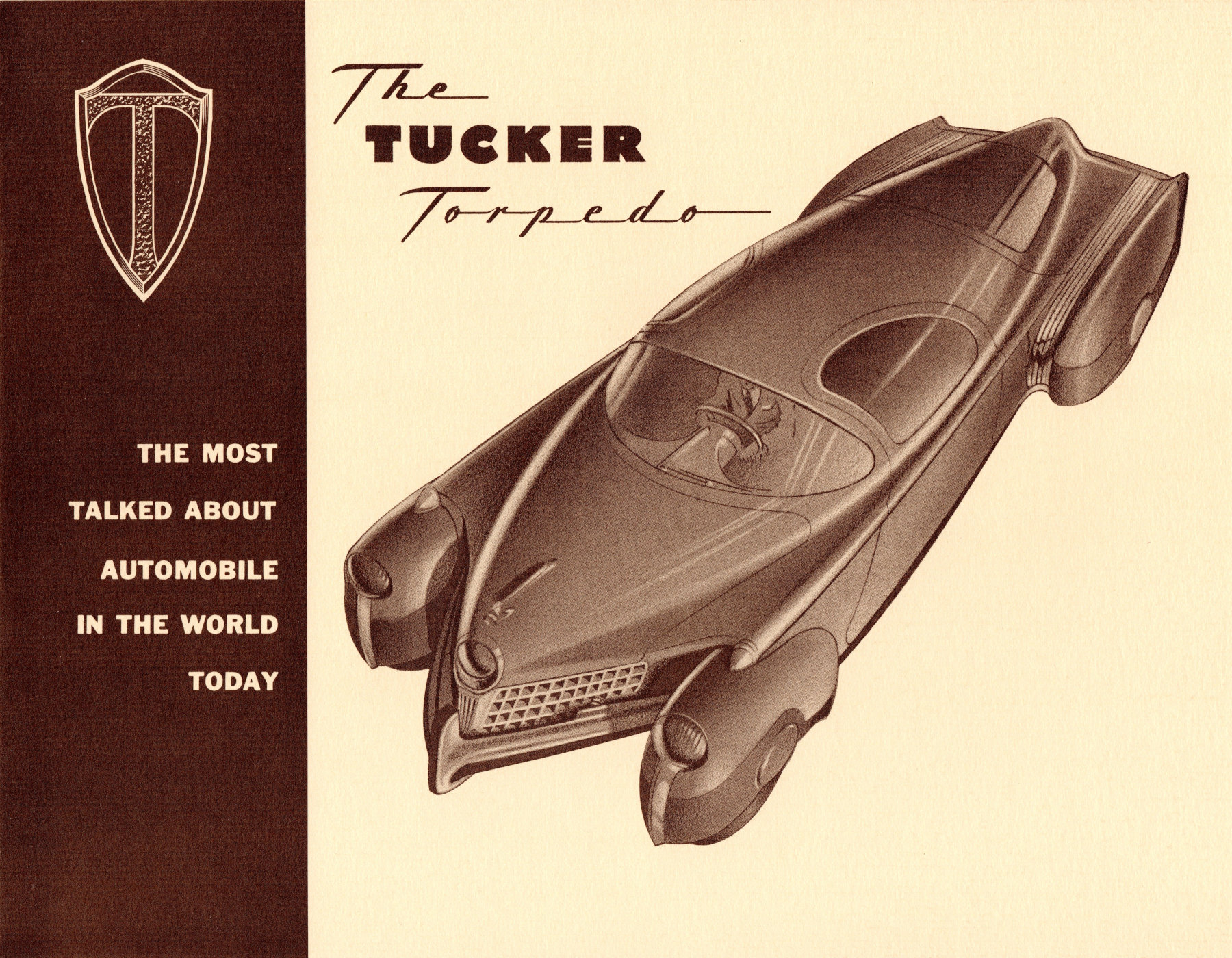
The Tucker 48, initially unveiled as the Tucker Torpedo in 1948, was soon renamed by Preston Tucker, who felt the "Torpedo" moniker was ill-suited in the immediate post-war era. Designed with an unwavering focus on safety and passenger comfort, the Tucker 48 was replete with groundbreaking innovations. Early design sketches and promotional materials even showcased a central driving position, a radical concept for the time. In an automotive landscape where major manufacturers had introduced little new since the early 1940s, Tucker saw an opportunity to create something truly forward-thinking.
The design of the Tucker 48 is credited to Alex Termulis, an automotive designer with prior experience working for prestigious firms like Auburn, Cord, and Duesenberg. With plans to establish manufacturing at the former Chicago-Dodge Plant, Preston Tucker and his team embarked on the ambitious project of building the prototype and subsequent production models of the Tucker 48. Despite significant delays, the prototype was eventually revealed on June 19, 1947. However, the path to production was fraught with challenges. Tucker’s initial plan for an unconventional aircraft engine with hydraulic valves proved unworkable. He subsequently opted for the reliable air-cooled flat-six Franklin O-335 engine, mounted in the rear of the vehicle. The prototype itself was not without its teething problems, experiencing issues with noise, overheating, suspension failures, and an inability to reverse. Unfortunately, these early setbacks were widely reported by the media, tarnishing the 48’s reputation even before it officially entered production.
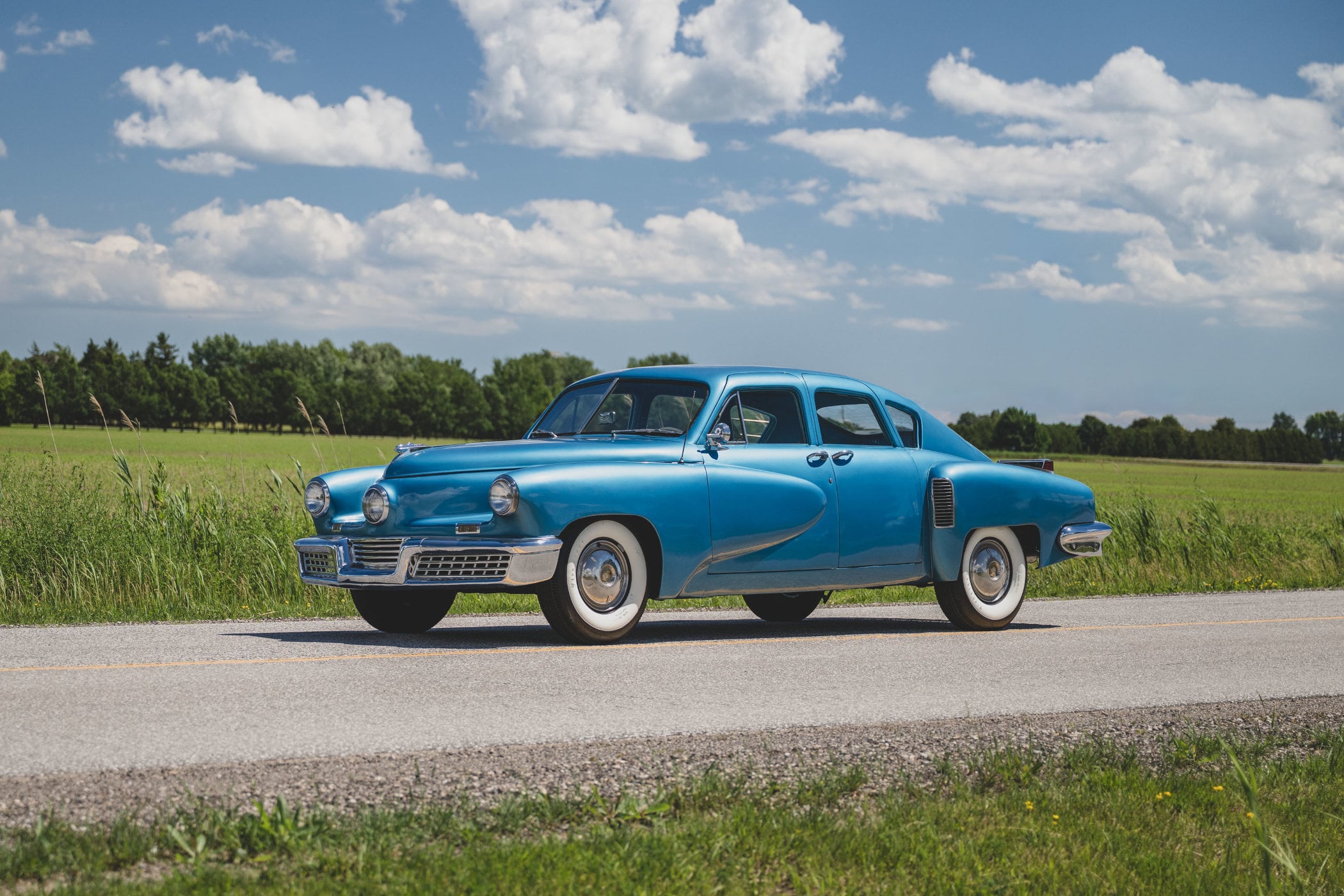
Despite these initial hurdles, Preston Tucker remained steadfast in his commitment to driver safety and comfort. The Tucker 48 incorporated a robust, reinforced frame, a padded dashboard, and a distinctive central third headlight that swiveled with the steering wheel, significantly enhancing visibility. It also boasted superior weight distribution and aerodynamic efficiency, a collapsible steering column, and uniquely designed doors that extended into the roofline for easier ingress and egress.
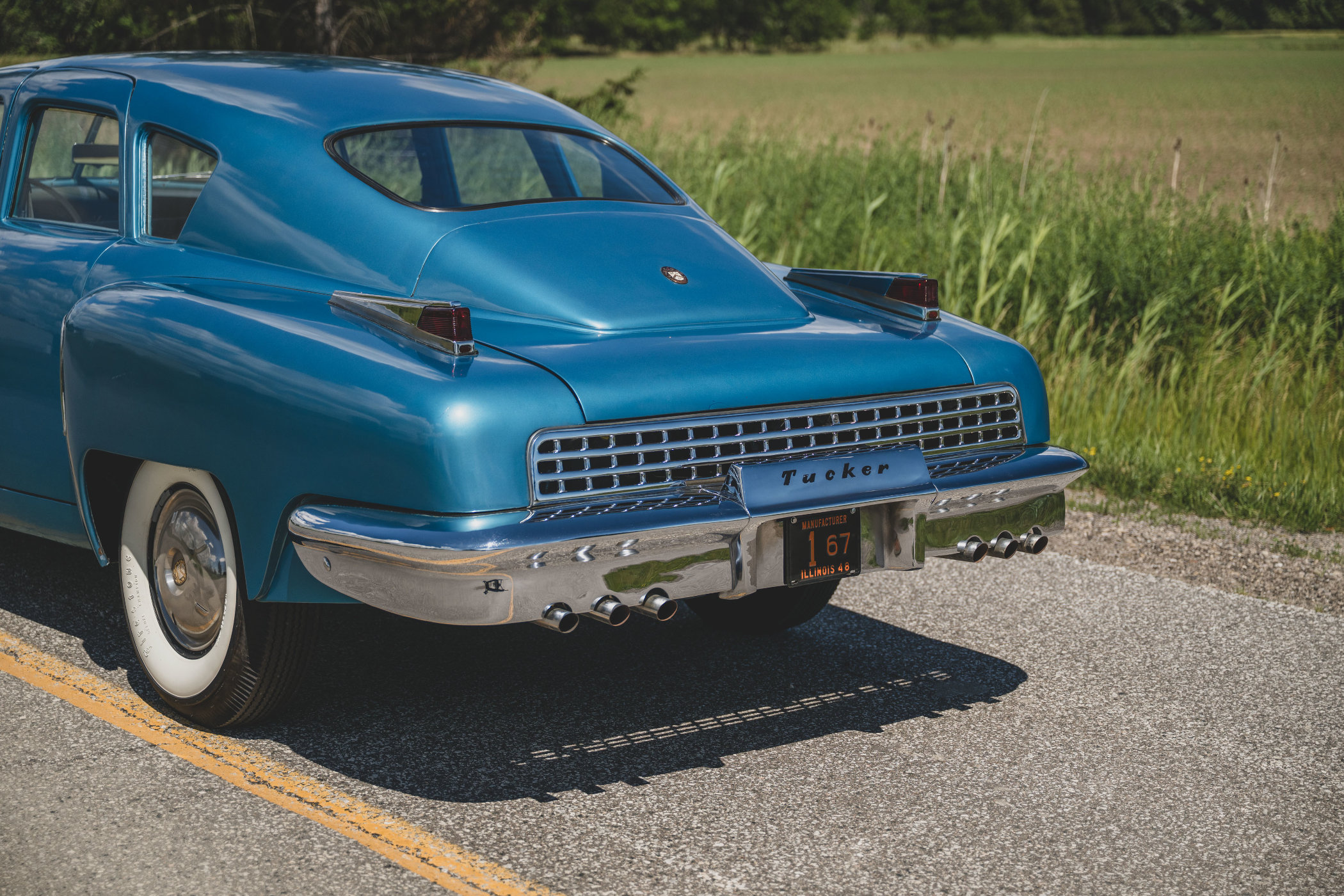
The light blue 1948 Tucker 48 being offered by RM Sotheby’s, chassis number 1019, is the 19th production car out of a total of just 51 ever built. The limited production run was largely a consequence of Preston Tucker’s entanglement with the U.S. Securities and Exchange Commission (SEC). Allegations of fraud surfaced concerning the company’s funding methods, specifically the sale of accessories and dealer licenses prior to production. These practices became the focal point of the SEC’s investigation, compounded by the rushed development of the prototype and its fixable flaws.
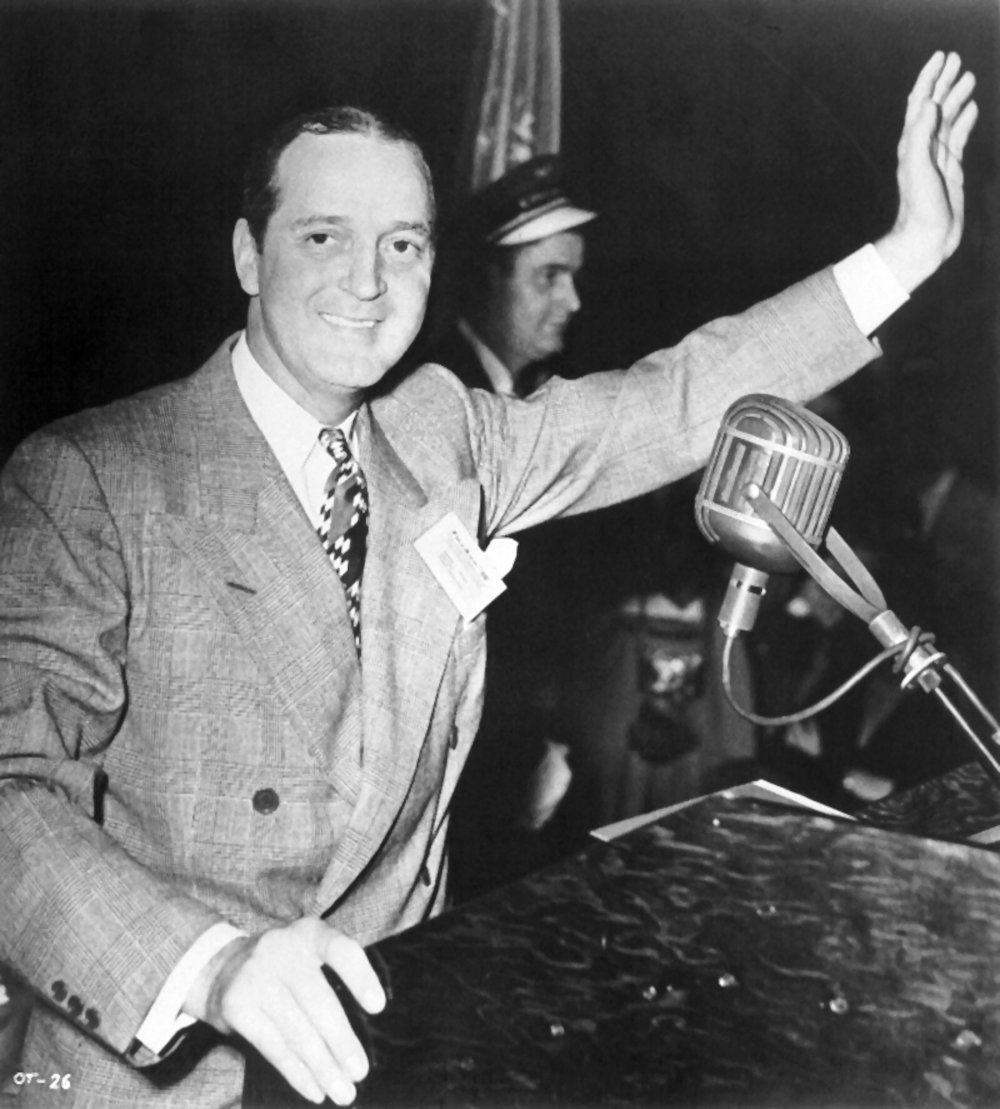
Following a high-profile trial, Preston Tucker was acquitted of all charges on January 22, 1950. However, the damage to the company’s reputation and financial stability was irreparable. Lingering speculation and negative publicity continued to plague the Tucker Corporation and the Tucker 48. Ultimately, the company was liquidated, and its assets and rights were sold off. Preston Tucker never again produced an automobile. The brief, yet brilliant, chapter of the Tucker 48 closed after just 51 units, leaving behind a legacy as one of America’s most innovative and tragically misunderstood automobiles, conceived by a visionary and equally misunderstood gentleman. This particular light blue Tucker 48, chassis No. 1019, serves as a tangible testament to Preston Tucker’s singular vision. RM Sotheby’s has placed an estimate of USD 1,000,000 to USD 1,300,000 on this historically significant vehicle, which will be auctioned during the Monterey Car Week.
Monterey Car Week: A Celebration of Automotive Heritage
Monterey Car Week is more than just an auction or a car show; it is a comprehensive celebration of the automobile’s rich history and its enduring cultural impact. The event attracts a global audience of collectors, enthusiasts, historians, and industry professionals. The various events that comprise Monterey Car Week each offer a unique perspective on automotive excellence. The historic races at Laguna Seca Raceway showcase vintage racing machines in action, providing a visceral connection to motorsport’s past. The Concours d’Elegance events, particularly the famed Pebble Beach Concours, are showcases of immaculate restorations and original condition automobiles, judged on their historical significance, engineering, and artistic merit. The auctions, such as those conducted by Mecum and RM Sotheby’s, are critical marketplaces where the financial value of automotive heritage is determined.
The presence of both a Duesenberg Model J and a Tucker 48 at the same Monterey Car Week auction event is a rare and significant occurrence. These two vehicles, representing different pinnacles of American automotive achievement, offer collectors a stark contrast in design philosophy and historical context. The Duesenberg embodies the opulence and engineering might of the pre-war luxury era, while the Tucker 48 represents a bold, forward-thinking vision of post-war automotive innovation, tragically curtailed by external forces. Their appearance together underscores the diverse and compelling narrative of American automotive history that Monterey Car Week so effectively brings to life.
For those seeking further details on these extraordinary vehicles and their respective auctions, please visit the official websites of Mecum Auctions at Mecum.com and RM Sotheby’s at rmsothebys.com.
Editorial Note: The information and images used in this article have been sourced with permission from Mecum Auctions, Inc. and RM Sotheby’s, unless otherwise indicated.