The American pickup truck, a symbol of rugged utility and a cornerstone of the automotive industry, finds itself at a crossroads, shaped by decades of government intervention, evolving consumer tastes, and shifting economic landscapes. From the historical "chicken tax" to modern emissions regulations and the burgeoning demand for smaller, more efficient vehicles, the trajectory of the pickup segment has been anything but organic. This intricate interplay of policy, market forces, and technological advancement has transformed the humble workhorse into a multifaceted vehicle, often blurring the lines between utility and luxury.
A Legacy of Regulation and Evolution
The current state of the American pickup truck market is deeply rooted in a history of government influence. The infamous "chicken tax," a 25% tariff imposed on light trucks in 1964, fundamentally altered the strategies of both domestic and international automakers. Initially intended to protect American jobs and industries, this tariff inadvertently steered the development of the pickup truck segment for decades. While aimed at protecting domestic manufacturers, critics argue it stifled free-market competition and limited consumer choice.
This regulatory environment, coupled with evolving emissions standards over the past several decades, has significantly shaped the design and capabilities of pickups. These regulations, often implemented with the intention of promoting environmental responsibility, have also contributed to increased manufacturing complexity and, consequently, higher price points. The debate continues on whether these interventions have ultimately served the best interests of consumers and the domestic auto industry.
The Transformation of the Pickup Truck
The very concept of the pickup truck has undergone a profound metamorphosis. Historically, these vehicles were designed and marketed primarily as utilitarian workhorses, serving tradespeople and farmers. However, as the 21st century dawned, a significant shift occurred. The decline of traditional large sedans, exemplified by the discontinuation of the Ford Crown Victoria in 2011, created a void in the market for comfortable, commanding vehicles. Automakers, recognizing the higher profit margins associated with larger vehicles, began pivoting towards SUVs. These vehicles were increasingly marketed not for their practicality, but for their perceived luxury and grandeur, effectively becoming the new status symbols and modern equivalents of the "land yachts" of yesteryear.
Pickup trucks, already on an upward trajectory in terms of features and amenities, found themselves positioned to fill this evolving consumer desire. What were once basic, no-frills machines began to evolve into sophisticated, feature-laden vehicles. This transformation has led to a situation where many base-model pickups are now primarily relegated to fleet sales, while showroom models, often with six-figure price tags, are equipped with every conceivable luxury and technological advancement. The emphasis has shifted from raw utility to a blend of capability and comfort, appealing to a broader demographic.
The Diminishing Utility in Full-Size Trucks
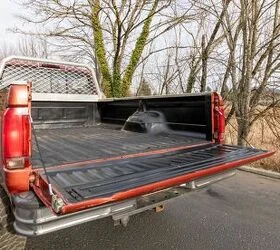
Despite their increased size and technological sophistication, many full-size pickup trucks have moved away from the simpler, more robust powertrains of their predecessors. They now often feature smaller, more complex engine designs, sometimes incorporating turbocharging or hybrid technology. Furthermore, the widespread adoption of crew cab configurations, while offering enhanced passenger space, has led to a reduction in the practical length of truck beds. This has resulted in vehicles that, while possessing immense power and towing capabilities, are rarely utilized for their intended hauling and towing purposes by the majority of owners.
Market analysis consistently reveals a disconnect between a pickup truck’s capabilities and its actual usage. Studies suggest that over 70% of pickup owners do not tow anything annually, and approximately 35% of owners do not even utilize their truck beds within a 12-month period. This phenomenon highlights a significant shift in consumer motivation for purchasing pickups. While the truck bed might see some incidental use, the primary drivers for many buyers appear to be the perceived status, the commanding driving position, and the general comfort and spaciousness these vehicles offer.
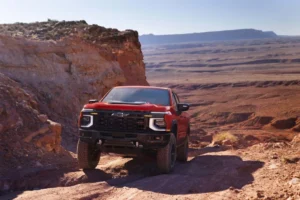
The rise of specialized off-road packages, often sold at a considerable premium, further illustrates this trend. These packages, while appealing to a segment of the market, are frequently purchased by consumers who will likely never venture beyond paved roads. The appeal lies more in the aesthetic and the feeling of invincibility these trucks convey, rather than their actual off-road prowess. For many, modern full-size pickups have effectively replaced the absent American land yacht, offering a spacious and comfortable alternative to navigate increasingly challenging road conditions. However, this evolution has also alienated a segment of drivers who simply desire an affordable, functional vehicle capable of performing basic truck tasks.
The Resurgence of Midsize and Compact Options
The market’s desire for more accessible and utilitarian vehicles has led to a renewed interest in midsize and even compact pickup trucks. While these smaller alternatives have helped fill a gap, they often share some of the same challenges as their larger counterparts, including elevated pricing and a move towards more complex powertrains. Even models like the Ford Maverick, which have garnered significant attention for their affordability and fuel efficiency, represent a departure from the bare-bones, budget-focused utilitarian trucks of past decades.
A Historical Perspective: The Rise of the Small Truck
The history of the compact pickup truck in America is intrinsically linked to economic and environmental pressures. In the early 1970s, pickups were exclusively marketed as work vehicles. However, the oil crisis and new emissions regulations made them less appealing. To counter this, automakers began promoting them as lifestyle vehicles, targeting suburban households. This marketing shift, coupled with more plush interiors and elaborate paint options, successfully boosted sales.
Simultaneously, the fuel crisis spurred demand for smaller, more fuel-efficient trucks. Datsun (now Nissan) and Toyota, with models like the Hilux and the Mazda B-Series, found favor with tradespeople and fuel-conscious consumers. By the 1980s, the compact truck segment was thriving, with virtually every automaker offering a small pickup. Names like the Dodge D-50, Plymouth Arrow, Ford Courier, Chevrolet LUV, Mazda B2000, and Subaru BRAT became familiar sights. Subsequent iterations included the Ford Ranger, Chevrolet S10, GMC Sonoma, Mitsubishi Mighty Max, Dodge Rampage, and Plymouth Scamp.
These vehicles followed a simple and successful formula: small, affordable, typically single-cab trucks with sizable beds and excellent fuel economy, albeit with compromises in towing capacity and ground clearance. Many domestic offerings were essentially rebadged Japanese models, designed to circumvent the chicken tax. Foreign automakers often resorted to shipping trucks without their beds to the U.S., classifying them as chassis cabs to exploit regulatory loopholes and reduce tariff burdens. The Subaru BRAT famously employed a unique strategy, bolting extra seats into its truck bed to be legally classified as a passenger car, thereby avoiding significant import fees.
The Retreat of the Compact Truck
Despite the popularity of compact trucks, full-size models, particularly the Ford F-Series, remained the dominant force in the market. By the 1990s, domestic manufacturers’ market research indicated that a significant portion of truck buyers were no longer using their vehicles for work. This realization fueled the pivot towards luxury in the full-size segment and coincided with the gradual disappearance of smaller trucks from the North American market.
Several factors contributed to this exodus. The fuel crisis had subsided, and crash testing revealed that smaller pickups often faced significant safety disadvantages. Furthermore, as consumer preferences shifted towards luxury, the appeal of basic, utilitarian compact trucks waned. To meet evolving safety standards and changing consumer tastes, these vehicles would have needed to become larger and more expensive, undermining their core value proposition. Coupled with the persistent 25% tariff on imported trucks, Japanese brands found it increasingly difficult to justify allocating production space for smaller models when larger pickups offered higher profit margins and their passenger cars were already highly successful. This confluence of factors, by the late 1990s, led to the withdrawal of most compact trucks from the American market.
The Return of the Small Truck and Evolving Regulations
The early 2010s saw a critical shift in fuel economy regulations. Rules were implemented that tied stringent fuel economy requirements to the overall size of a vehicle. This effectively incentivized automakers to build larger vehicles to avoid stricter mandates, contributing to the trend of vehicles of all types becoming significantly larger.
However, a clear appetite for smaller, more efficient trucks has re-emerged. The Ford Maverick, despite selling in smaller numbers than its larger F-Series siblings, has demonstrated strong performance and desirability for the brand. This renewed interest is also evident in the growing trend of Americans importing ultra-tiny Japanese Kei trucks for local use and the inflated prices paid for well-maintained vintage micro pickups. Toyota’s preview of the Hilux Champ globally, a super-small, body-on-frame pickup with an estimated price of around $13,000 in markets like Indonesia and Thailand, has generated considerable excitement. However, Toyota currently has no plans to sell it in North America, likely due to the chicken tax and its niche appeal.
Instead, Toyota is reportedly developing a new pickup model positioned below the Tacoma, utilizing the TNGA architecture shared with the RAV4. This approach suggests a locally manufactured, unibody vehicle equipped with modern connected car features. The question remains whether this strategy will resonate with consumers who are drawn to smaller trucks precisely for their simpler, less technologically complex nature. The drawbacks of "software-defined" vehicles are becoming increasingly apparent to consumers, leading to a growing demand for traditional controls.
Navigating the Future: Pricing, Design, and Capability
The future of the pickup truck segment will likely be defined by several key factors: pricing, design philosophy, and the perception of capability. For a resurgence of truly affordable and utilitarian trucks, manufacturers must consider what resonates with the American buyer. The success of the Ford Maverick over the Hyundai Santa Cruz, for instance, is often attributed to the Maverick’s more traditional, boxy, and rugged design. Perceived ruggedness and genuine capability remain crucial elements in the allure of pickup trucks, regardless of their size.
While not every truck needs to be best-in-class in every metric, they must deliver on the fundamental promise of being a truck. The Jeep Wrangler serves as an example; despite concerns about reliability, its exceptional off-road prowess and distinctive styling ensure its continued popularity.
Tariffs will continue to play a significant role in market dynamics. Mitsubishi, for example, plans to introduce a new pickup for North America, but it is expected to be based on the next-generation Nissan Xterra and Frontier platforms, likely manufactured in Mississippi to avoid import duties. This strategy highlights the necessity of local production to mitigate the impact of tariffs.
The most significant hurdle for the future of the pickup segment, however, may be pricing. Many consumers express a desire for trucks but are deterred by their high cost of ownership. The current economic climate, marked by inflation and rising interest rates, has amplified concerns about affordability. While automakers are incentivized to produce high-margin vehicles, relying solely on lofty per-unit profits may prove unsustainable in the long term. The market may eventually be forced to adapt to changing driver needs, but this transition is hampered by the heavily regulated and "gamified" nature of the automotive industry, where trucks represent one of the most tightly controlled segments.
The ongoing tension between government regulations, market demand for affordability and utility, and the profitability drivers for manufacturers creates a complex and uncertain landscape for the American pickup truck. Whether the segment will lean back towards its utilitarian roots or continue its trajectory towards luxury and complexity remains to be seen, but the path forward will undoubtedly be shaped by these competing forces.