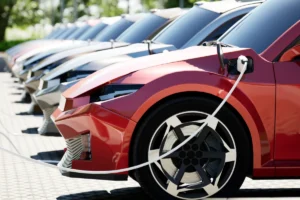
The assertion that modern automobiles are merely "computers on wheels" has long been a popular, albeit increasingly insufficient, descriptor for the technological sophistication packed into today’s vehicles. While this statement holds a kernel of truth, it significantly understates the profound transformation automotive design and functionality have undergone. This technological evolution, while undeniably leading to unprecedented levels of safety and capability, has also ushered in a period of homogenization, where distinct vehicle personalities can become blurred, and an era of what many drivers perceive as technological excess, raising the question: do we truly need every feature being integrated into our cars?
The Rise of Advanced Driver Assistance Systems (ADAS)
It is a widely acknowledged fact that contemporary vehicles are safer than at any point in automotive history. A primary driver of this enhanced safety is the pervasive integration of new technologies, collectively known as Advanced Driver Assistance Systems, or ADAS. These sophisticated systems act as digital co-pilots, employing a suite of sensors, cameras, radar, and lidar to monitor the vehicle’s surroundings and assist the driver in navigating complex driving scenarios.
The genesis of ADAS can be traced back to early electronic safety features like Anti-lock Braking Systems (ABS) and Electronic Stability Control (ESC), introduced in the late 20th century. These foundational technologies paved the way for more proactive safety measures. The 21st century has witnessed an exponential acceleration in ADAS development. Features such as Adaptive Cruise Control (ACC), which automatically adjusts vehicle speed to maintain a set distance from the vehicle ahead, emerged in the early 2000s, initially as a premium option. Lane Keeping Assist (LKA) systems, designed to prevent unintended lane departure, followed, offering both audible warnings and steering interventions.
The proliferation of these "nanny" systems has become so widespread that they are now considered standard or optional equipment across a vast spectrum of new vehicles, from entry-level sedans to luxury SUVs. The U.S. National Highway Traffic Safety Administration (NHTSA) has been instrumental in promoting and standardizing many of these safety technologies. For instance, the push for automatic emergency braking (AEB) systems, which can detect potential collisions and apply brakes autonomously, has gained significant traction. A 2016 agreement between NHTSA and major automakers committed to making AEB standard on virtually all new passenger vehicles by September 1, 2022. This commitment underscores the industry’s recognition of ADAS’s potential to significantly reduce traffic fatalities and injuries. According to the Insurance Institute for Highway Safety (IIHS), vehicles equipped with front-crash prevention systems that include automatic braking are 40% less likely to be involved in a front-to-rear crash.
The Double-Edged Sword: Innovation Versus Annoyance
However, as technology advances and its integration deepens, a parallel trend has emerged: the increasing number of technological features that irk drivers. While the intent behind many of these innovations is to enhance safety, convenience, or efficiency, their implementation can sometimes lead to unintended consequences, fostering frustration and diminishing the driving experience.
The most frequently cited culprit, and arguably the poster child for technologically driven driver annoyance, is the Start/Stop system. Introduced to improve fuel economy and reduce emissions, these systems automatically shut down the vehicle’s engine when it comes to a complete stop (e.g., at a traffic light or in congestion) and restart it when the driver lifts their foot off the brake or engages the accelerator.
Background and Chronology of Start/Stop Technology:
The concept of shutting off an engine at idle to save fuel dates back decades, with early experimental systems appearing in the 1970s. However, modern, commercially viable Start/Stop systems began to gain traction in the early 2000s, particularly in European markets where fuel prices and environmental regulations were more stringent. The 2008 model year saw a significant increase in the availability of Start/Stop systems across various manufacturers. By the 2010s, it had become a widespread feature, especially in vehicles equipped with automatic transmissions, driven by increasingly demanding Corporate Average Fuel Economy (CAFE) standards in the U.S. and similar regulations globally.
Data on Start/Stop Effectiveness:
Manufacturers claim that Start/Stop systems can improve fuel efficiency by an average of 3% to 10% in urban driving conditions. While this percentage may seem modest, over the lifespan of a vehicle and across millions of drivers, it translates into substantial fuel savings and a reduction in carbon emissions. For example, the U.S. Environmental Protection Agency (EPA) estimates that for a typical driver who spends 20% of their driving time idling, a Start/Stop system can save approximately 1-2 gallons of fuel per month.
Driver Reactions and Concerns:
Despite the purported benefits, Start/Stop systems are a frequent source of driver discontent. Common complaints include:
- Jerky Engagement: The abruptness of the engine restarting can be unsettling, especially for drivers unaccustomed to it.
- Air Conditioning Interruption: In hot weather, the engine shutting off can lead to a temporary reduction in the effectiveness of the air conditioning system, causing discomfort.
- Hesitation: In situations where a quick acceleration is needed (e.g., merging into traffic), the slight delay in the engine restarting can create a perceived lack of responsiveness, leading to anxiety.
- Wear and Tear Concerns: Although manufacturers assure drivers of the system’s durability, some consumers worry about increased wear and tear on the starter motor and battery due to frequent engagement cycles.
- Lack of User Control: A significant portion of the annoyance stems from the inability to easily and permanently disable the system. While many vehicles offer a button to temporarily deactivate it for each driving cycle, it often resets when the engine is turned off.
Beyond Start/Stop: Other Technological "Advancements" Under Scrutiny
Start/Stop systems are by no means the sole source of technological friction for drivers. As manufacturers continue to push the boundaries of in-car technology, several other features have come under fire for being unnecessary, overly intrusive, or simply poorly implemented. This raises a critical question for the automotive industry: where do we draw the line between genuinely beneficial innovation and features that detract from the core driving experience?
1. Overly Sensitive Lane Departure Warnings and Lane Keeping Assist:
While intended to prevent accidents, early iterations and some current implementations of Lane Departure Warning (LDW) and Lane Keeping Assist (LKA) systems can be overly aggressive.
- Background: LDW systems typically alert the driver with an audible chime or a visual warning when the vehicle begins to drift out of its lane without the turn signal activated. LKA systems go a step further by actively providing a gentle steering input to guide the vehicle back into its lane.
- Driver Annoyance: Drivers often report these systems activating inappropriately on roads with faded lane markings, during construction zones, or even on gently curving roads. The constant beeping or steering corrections can be distracting and irritating, leading some drivers to disable them entirely, thereby negating their safety benefits. The systems can also be overly sensitive to minor lane adjustments made by the driver, leading to an intrusive and at times, alarming, driving experience.
- Analysis: The challenge lies in differentiating between intentional lane changes and unintentional drifts. Improvements in sensor fusion, AI-powered object recognition, and sophisticated algorithms are crucial to making these systems more discerning and less intrusive.
2. Infotainment System Complexity and Touchscreen Dominance:
The shift towards large, central touchscreens to control nearly all vehicle functions has been a major trend. While offering a sleek aesthetic, this approach has often come at the expense of intuitive usability.
- Background: The integration of complex infotainment systems began in earnest in the late 2000s and early 2010s, with manufacturers like Audi, BMW, and Mercedes-Benz pioneering sophisticated interfaces. The advent of Apple CarPlay and Android Auto further accelerated the trend, leading to an arms race for screen real estate and feature sets.
- Driver Annoyance:
- Distraction: Operating complex menus and small virtual buttons on a touchscreen while driving is inherently more distracting than using physical knobs and buttons. Studies, including those by the AAA Foundation for Traffic Safety, have shown that using voice commands or touchscreens can significantly increase driver distraction.
- Lack of Tactile Feedback: Physical controls provide tactile feedback, allowing drivers to operate them without taking their eyes off the road. Touchscreens lack this, requiring visual confirmation for every input.
- Over-reliance on Virtual Controls: Essential functions like climate control, audio volume, and even gear selection are increasingly relegated to touchscreen menus, forcing drivers to navigate through multiple screens to perform simple tasks.
- Lag and Responsiveness: Some infotainment systems suffer from slow response times and lag, further exacerbating the frustration of using them.
- Analysis: While touchscreens can offer advanced functionality, their dominance has led to a decline in ergonomic design. A balanced approach, incorporating a combination of well-designed touch interfaces and readily accessible physical controls for critical functions, appears to be the most driver-centric solution.
3. Unnecessary and Intrusive Alert Systems:
Beyond safety-critical alerts, many vehicles are now equipped with a barrage of warnings for everything from low tire pressure to potential driver fatigue.
- Background: The increasing sophistication of vehicle diagnostics and sensor networks allows for the monitoring of a vast array of parameters. This data can be used to alert drivers to potential issues.
- Driver Annoyance: While some alerts are genuinely useful, others can be overly sensitive or redundant. For example, a driver might receive multiple warnings about tire pressure over a short period if there’s a slow leak, or a fatigue warning might trigger after a long but uneventful drive. The sheer volume of these alerts can lead to "alert fatigue," where drivers begin to ignore them, potentially missing critical warnings.
- Analysis: Manufacturers need to refine the logic and thresholds for these alerts to ensure they are truly informative and not merely a source of noise. Prioritizing alerts and allowing for greater user customization of which warnings are displayed and how they are delivered could significantly improve the driver experience.
4. Automated High-Beam Control (AHBC):
This system is designed to automatically switch between high and low beams based on ambient light and the presence of other vehicles.
- Background: AHBC systems utilize forward-facing cameras to detect headlights and taillights of other vehicles. They are intended to improve nighttime visibility for the driver and reduce the risk of blinding oncoming drivers.
- Driver Annoyance: While the concept is sound, real-world performance can be inconsistent. Drivers report that the system can be slow to react, leaving high beams on for too long, or prematurely switch to low beams, reducing visibility. In areas with reflective signage or other light sources, the system can be confused, leading to erratic behavior.
- Analysis: The effectiveness of AHBC is highly dependent on the quality of the camera and the sophistication of the software algorithms. Clearer, more consistent performance is needed to build driver trust in this feature.
5. Electric Vehicle Charging Port Doors and Software Glitches:
For electric vehicle (EV) owners, certain aspects of the charging experience can be a source of frustration, particularly related to port door mechanisms and software.
- Background: As EVs become more prevalent, the user experience around charging is becoming increasingly important. Manufacturers are incorporating various designs and software features to streamline this process.
- Driver Annoyance: Some EV charging port doors are manually operated or have complex electronic release mechanisms that can fail. Software glitches can also disrupt charging sessions, leading to failed attempts or unexpected disconnections. The need for multiple apps and accounts to access different charging networks also adds to the complexity.
- Analysis: The EV charging experience needs to be as seamless and intuitive as refueling a gasoline-powered vehicle. Manufacturers must prioritize robust hardware and reliable software to ensure a positive user experience.
The Path Forward: Balancing Innovation with Driver Needs
The automotive industry stands at a critical juncture. The relentless pursuit of technological advancement has brought about remarkable improvements in safety and capability. However, it has also created a growing disconnect between the features being offered and the actual needs and preferences of drivers.
Statements and Reactions from Related Parties:
Automotive analysts and consumer advocacy groups have consistently highlighted the importance of user-centric design. "Drivers want technology that enhances their driving experience, not detracts from it," stated a representative from a prominent automotive research firm, who requested anonymity. "Features that are intuitive, reliable, and genuinely solve a problem are celebrated. Those that are intrusive, unreliable, or add unnecessary complexity often lead to frustration and can negatively impact a brand’s reputation."
Industry bodies like SAE International (formerly the Society of Automotive Engineers) are actively working on developing standards and best practices for ADAS and infotainment systems to ensure a more consistent and user-friendly experience across different manufacturers.
Broader Impact and Implications:
The current trend of technological overreach carries significant implications:
- Brand Perception: A perception of being overly reliant on intrusive or poorly implemented technology can damage a brand’s reputation for quality and driver satisfaction.
- Purchase Decisions: Increasingly, consumers are factoring in the usability and intrusiveness of technology when making purchasing decisions. Negative reviews regarding infotainment systems or annoying features can sway buyers.
- Safety Paradox: Ironically, features designed to enhance safety can, if poorly implemented, lead to drivers disabling them, thereby negating their intended safety benefits.
- Cost: The integration of complex, and sometimes unnecessary, technology adds to the overall cost of vehicles, which is ultimately passed on to consumers.
Conclusion:
The modern automobile is indeed a marvel of engineering, a testament to human ingenuity. However, the current trajectory suggests a need for a recalibration. The focus must shift from simply adding more technology to thoughtfully integrating technology that demonstrably improves the driving experience, enhances safety without being overly intrusive, and respects the driver’s desire for control and simplicity. The question is no longer if cars are computers on wheels, but how those computers serve the ultimate purpose: to provide a safe, efficient, and enjoyable means of transportation. The automotive industry must listen to the voices of its drivers and prioritize a harmonious blend of innovation and user-centric design, ensuring that the digital revolution in automobiles remains a boon, not a burden.