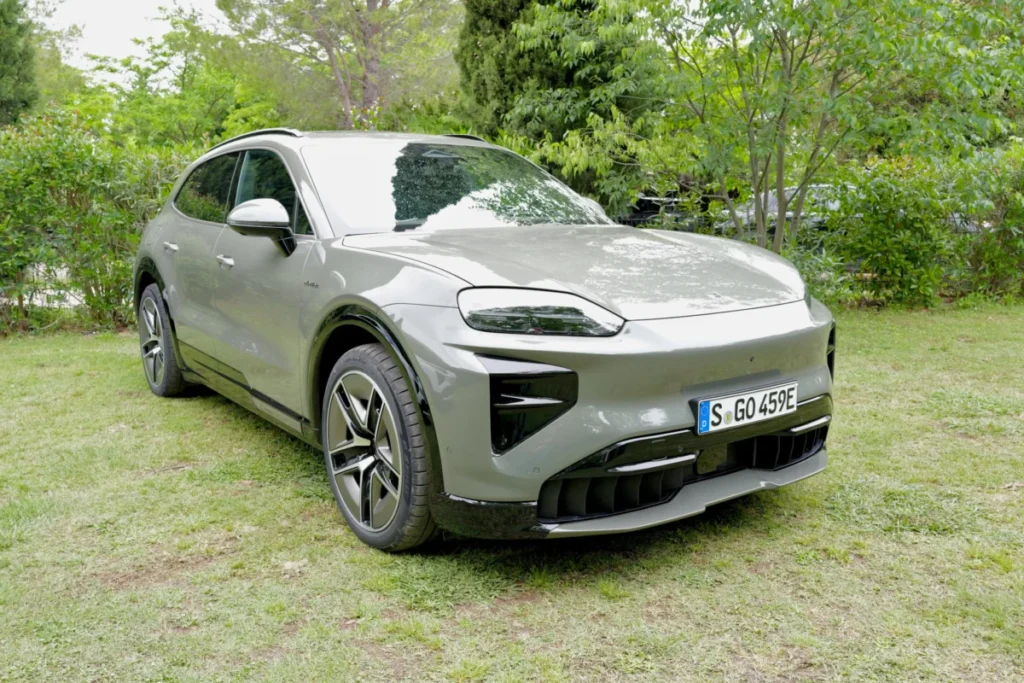
The automotive world is undergoing a seismic shift, with electric vehicles (EVs) rapidly moving from niche curiosities to mainstream contenders. For enthusiasts deeply entrenched in the visceral thrill of internal combustion engines, the transition can be met with skepticism. This sentiment was the starting point for a recent exclusive drive event hosted by Porsche in the picturesque region of Marseille, France. Invited to experience the brand’s latest all-electric SUVs – the formidable Cayenne Turbo Electric and the sportier Macan GTS – the author, initially holding strong reservations about EVs, embarked on a journey to see if these high-performance machines could sway their deeply held beliefs.
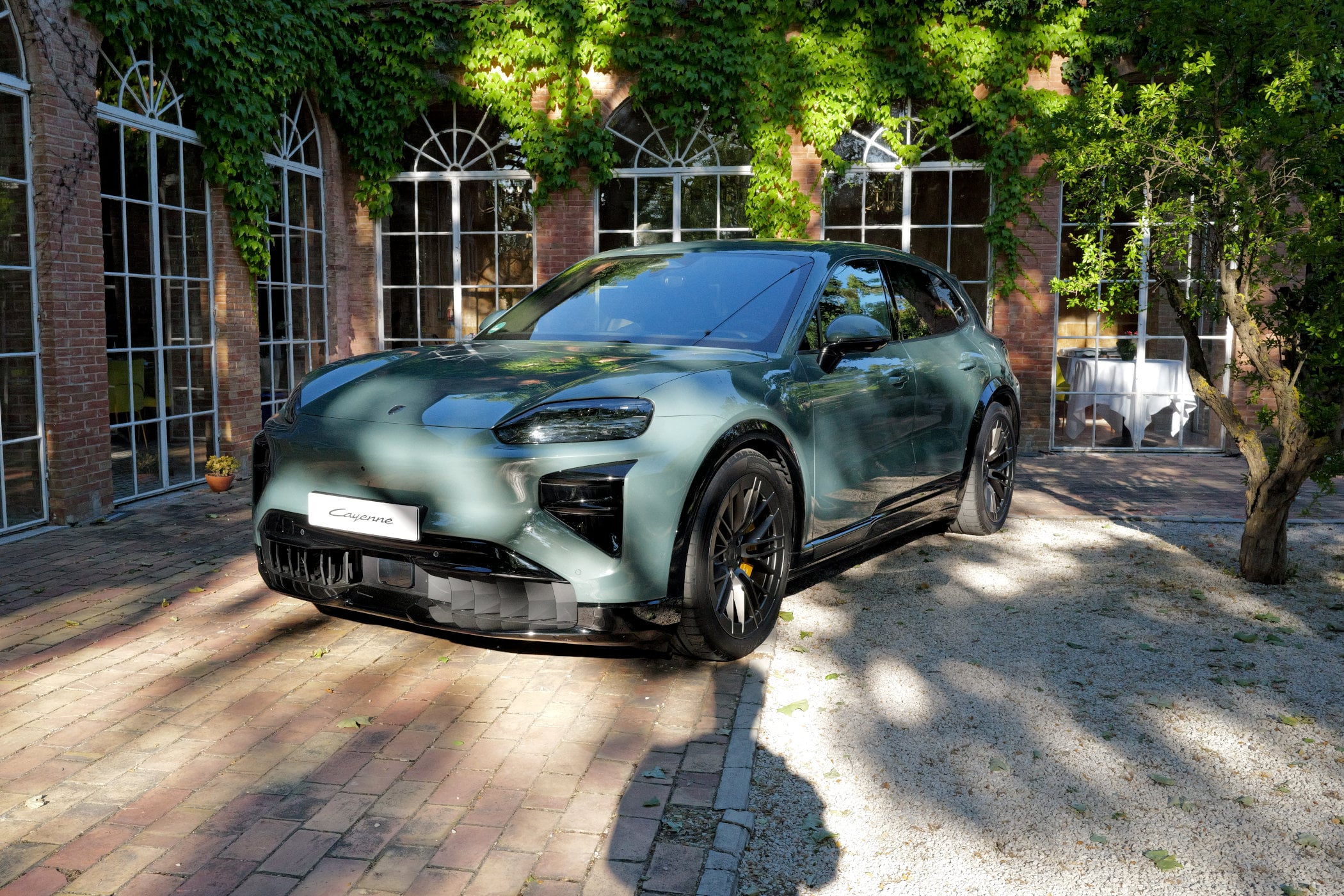
Porsche, a marque synonymous with performance, engineering prowess, and the captivating symphony of a finely tuned engine, ventured into uncharted territory with its electric offensive. The decision to integrate cutting-edge electric powertrains into their renowned SUV lineup, specifically the Cayenne and Macan, signaled a significant strategic pivot. This event, held against the stunning backdrop of the Mediterranean coast, was designed not just to showcase the vehicles’ capabilities but to challenge the perceptions of seasoned automotive journalists, many of whom share a traditionalist’s passion for gasoline-powered automobiles. The author’s initial analogy of EVs to "battery-powered watches" – functional but lacking the soul of mechanical intricacy – perfectly encapsulated the prevailing sentiment among a segment of the automotive press.
The Cayenne Turbo Electric: A Symphony of Electric Power
The first encounter was with the Porsche Cayenne Turbo Electric, a vehicle that immediately dispels any notion of EVs being merely utilitarian transportation. The specifications alone are staggering. The Cayenne Turbo Electric boasts an output of 857 PS (1,156 PS during short sprints using Launch Control) and an earth-shattering 1,500 Nm of torque when unleashed with Launch Control. This translates to a breathtaking top speed of 260 kph (162 mph) and an acceleration from 0 to 100 km/h (62 mph) in a mere 2.5 seconds. Reaching 200 kph takes a mere 7.4 seconds. These figures are not just impressive; they represent a new benchmark in the SUV segment, regardless of powertrain.
The underlying technology is equally remarkable. The Cayenne’s electric system is built upon an 800-volt architecture, facilitating ultra-fast charging capabilities. Porsche claims a charge from 10% to 80% can be achieved in just 16 minutes. While refueling a traditional internal combustion engine vehicle might still be quicker in terms of pure time spent at the pump, the charging speeds for EVs are rapidly improving and represent a significant advancement in convenience.
A Driving Revelation in the Provençal Landscape
The driving experience was set against the dramatic and winding mountain roads surrounding Marseille, a region renowned for its challenging topography and breathtaking scenery. Despite the author’s initial skepticism, the Cayenne Turbo Electric immediately began to challenge preconceived notions. The vehicle, despite being Porsche’s largest SUV and inherently heavy due to its battery pack, exhibited a surprising nimbleness. The steering, a critical component for any Porsche, felt remarkably precise, allowing for confident placement of the vehicle through tight corners. It conveyed a sense of connection to the road that defied its size and electric nature.
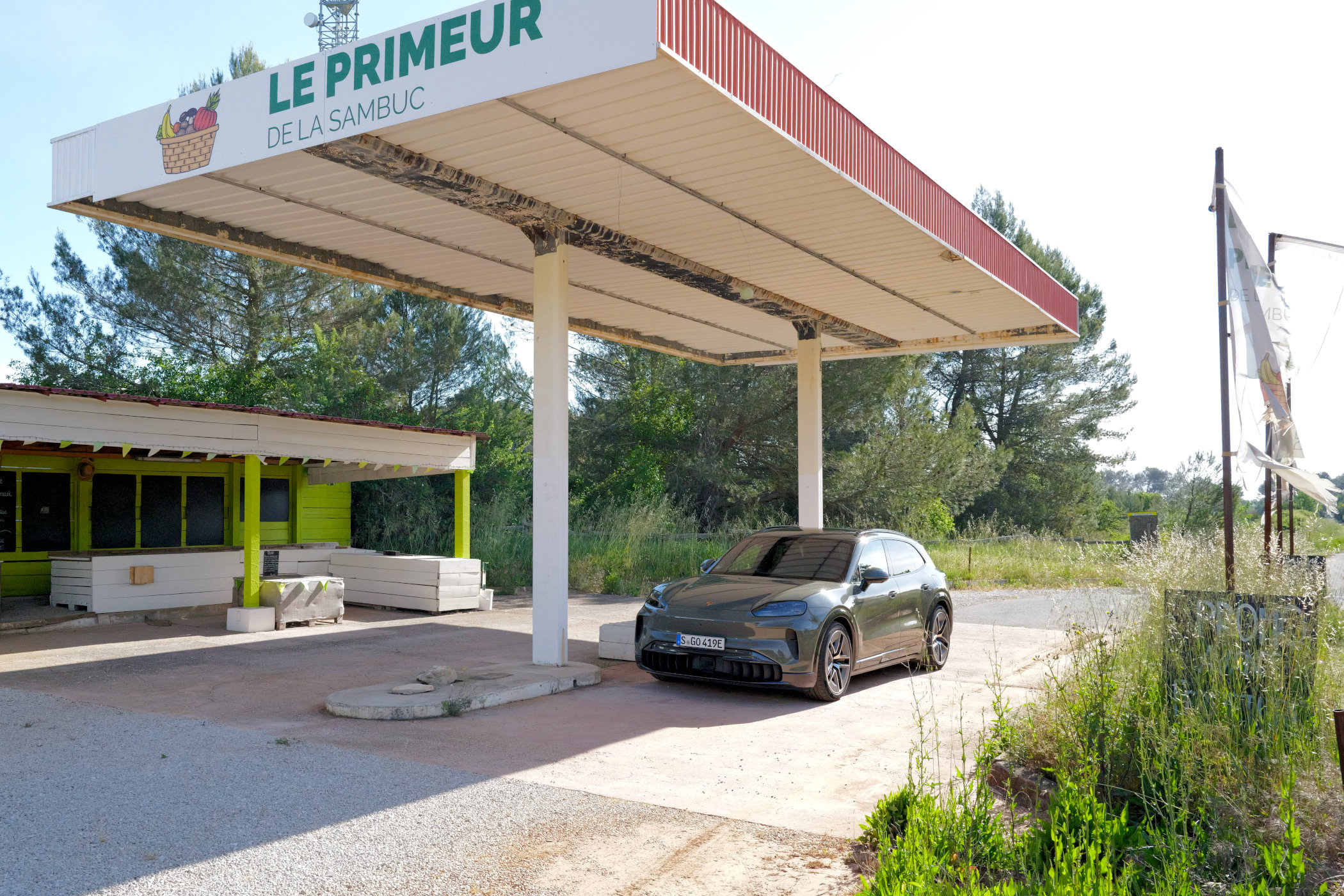
"The mountain roads surrounding Marseille were narrow, and the car was rather big; it’s Porsche’s biggest SUV. But, to my surprise, the car felt nimble; you could steer and position it with extreme precision, and somehow it felt much lighter (and even smaller) than the specs would make you believe. The steering felt… like a Porsche," the author noted, highlighting the brand’s ability to translate its core DNA into an electric platform.
The author further elaborated on the surprising handling characteristics, contrasting it with the common perception of SUVs as unwieldy. "When driving on the narrow hairpin road up and down the mountains around Marseille, it didn’t feel like you’re driving a ‘sea container’ on wheels (that’s how most SUVs feel). Add to that the fact that it’s an EV, meaning it’s even heavier than the average SUV, which certainly doesn’t improve sporty driving. Add to this that, in my perception, EVs’ steering feels rather numb (and that’s an understatement), and you understand why I was quite surprised by the rather pleasant driving." This observation is particularly significant, as it directly addresses the common criticisms leveled against EVs regarding steering feel and weight. The article also credits the air suspension system as a crucial factor in enhancing the drivability of such a large and heavy vehicle.
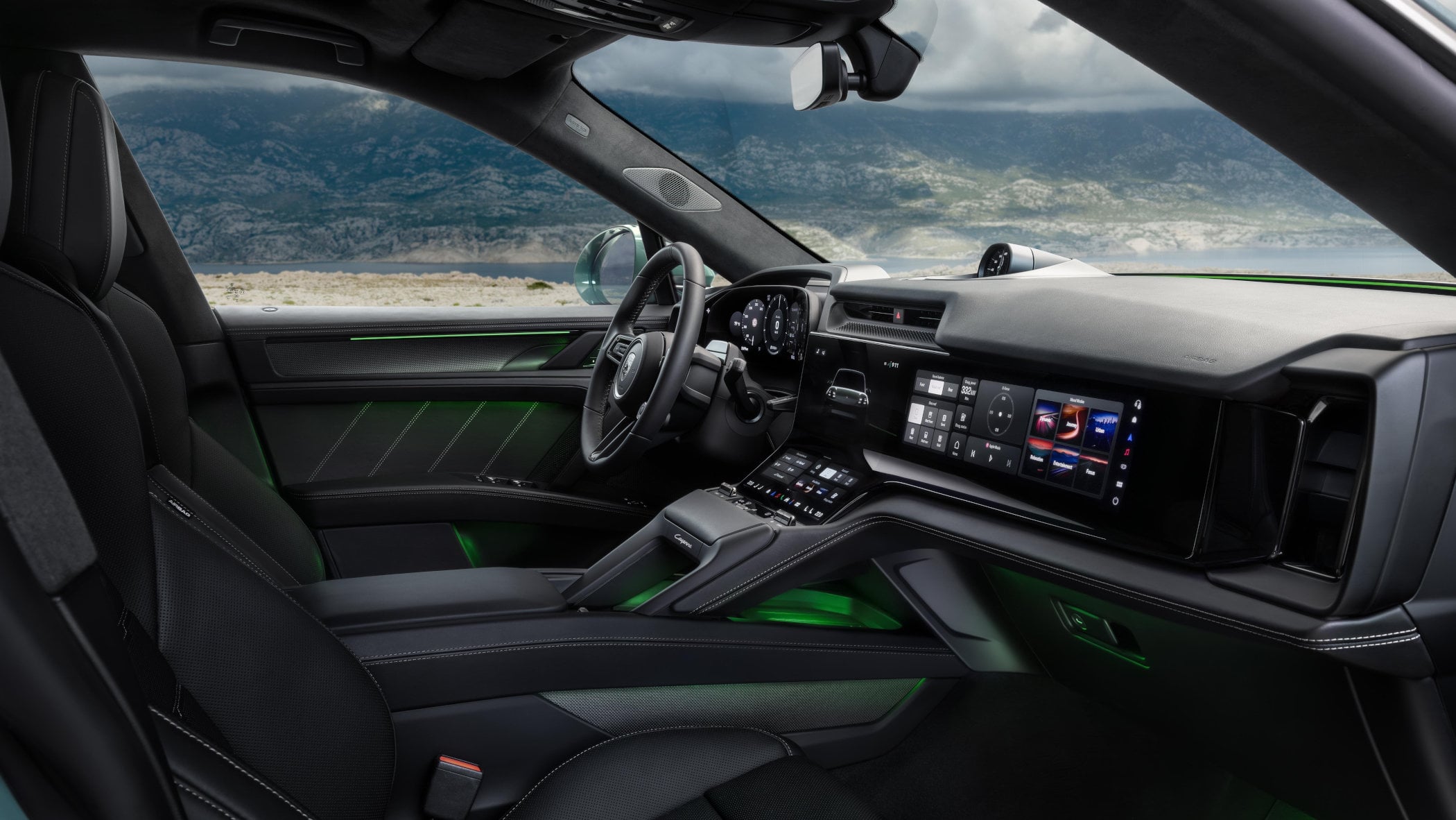
The author’s co-pilot, described as an automotive journalist, ex-race driver, and Porsche driving instructor, further validated the Cayenne’s dynamic capabilities. His skilled maneuvers, including controlled drifts around hairpins, showcased the vehicle’s potential when pushed to its limits, a feat that even impressed the author. The sheer acceleration delivered by the Launch Control was described as the "most intensely fast acceleration I ever experienced," surpassing even the performance of iconic Porsche models like the 911 GTS and 911 GT3. This direct comparison underscores the extraordinary power and performance potential of the electric powertrain in a large SUV. Even the synthesized V8 sound, often a point of contention in EVs, was found to be "not too bad" in the Cayenne, adding a layer of familiar auditory feedback.
The Macan GTS: A More Agile Electric Contender
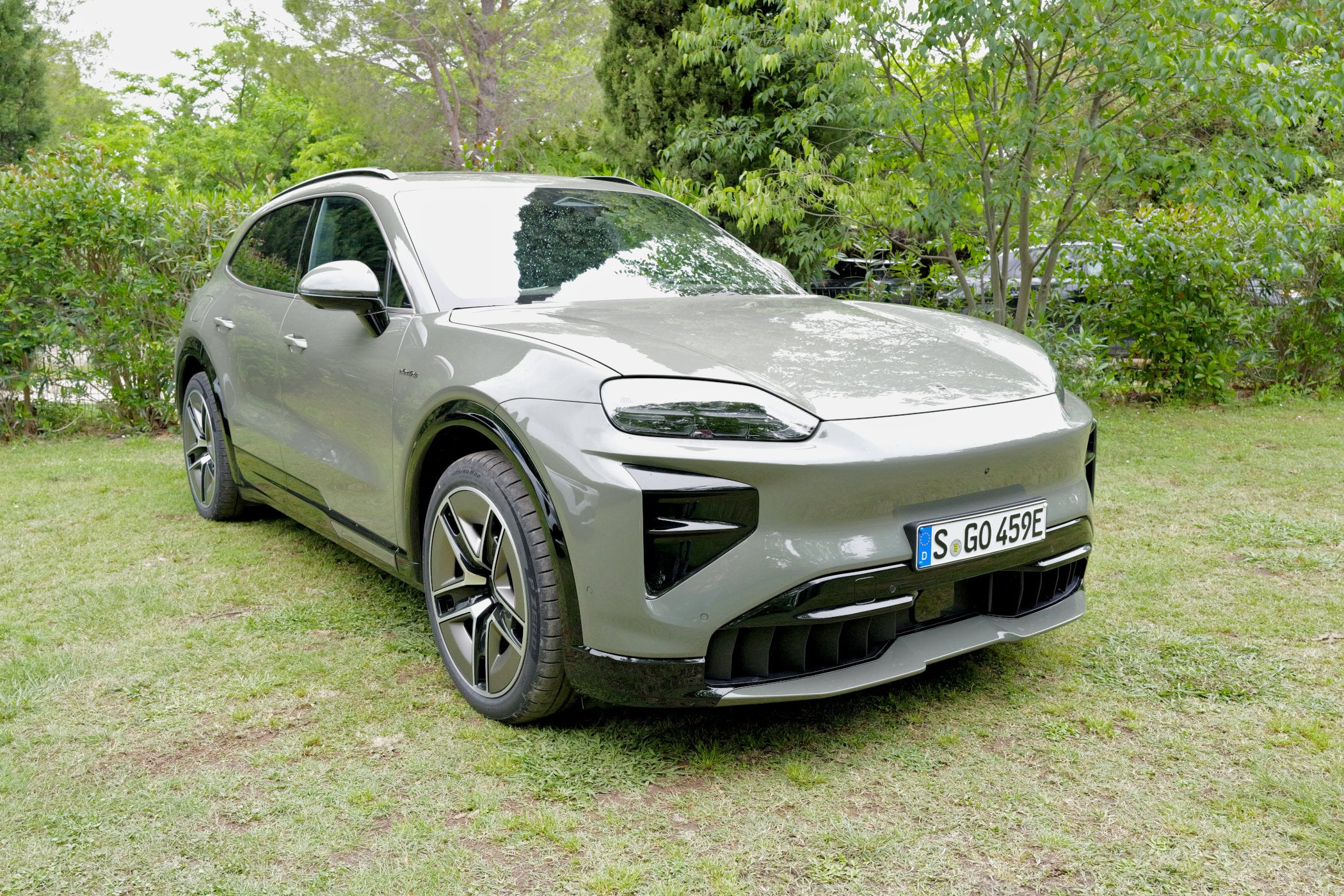
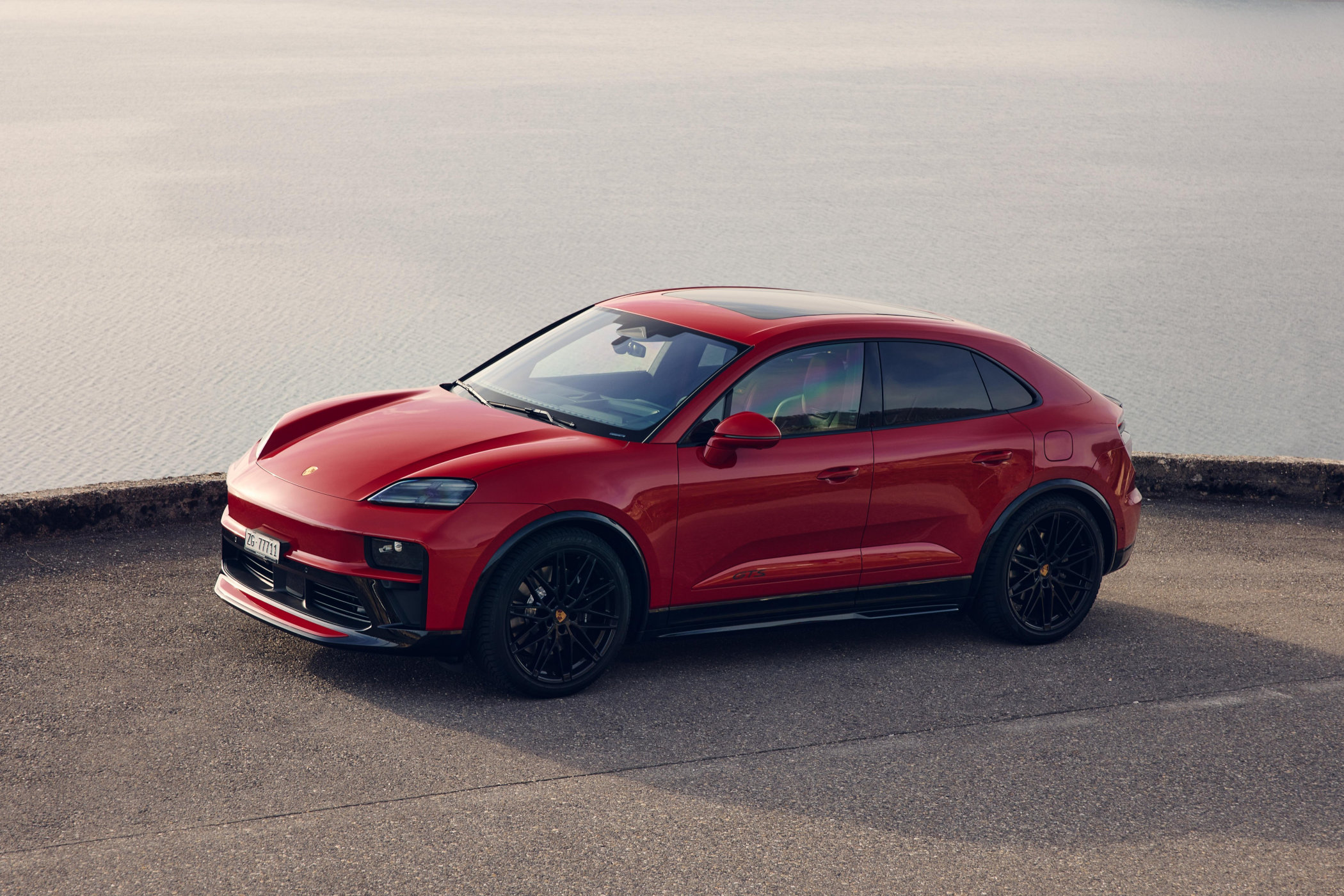
Following the exhilarating experience with the Cayenne, the author was loaned the Macan GTS for a week. While less powerful than its larger sibling, the Macan GTS still offers substantial performance. It delivers 516 PS, or 571 PS with launch control, and 955 Nm of torque. Its top speed is 250 kph (155 mph). Charging from 10% to 80% takes 21 minutes, slightly longer than the Cayenne. The Macan GTS weighs in at 2,470 kg, a considerable figure, though lighter than the Cayenne Turbo Electric’s 2,720 kg.
Upon returning home and taking possession of the Macan GTS, the author’s initial impression was less favorable regarding the synthesized engine sound. "The fake V8 sound in the Macan was too fake and actually pretty annoying. Gosh, we’re talking about fake engine sounds. That’s something that doesn’t belong in a proper car." This sentiment highlights a persistent challenge for EV manufacturers aiming to replicate the sonic experience of traditional engines. However, the author quickly shifted focus to the core driving dynamics.
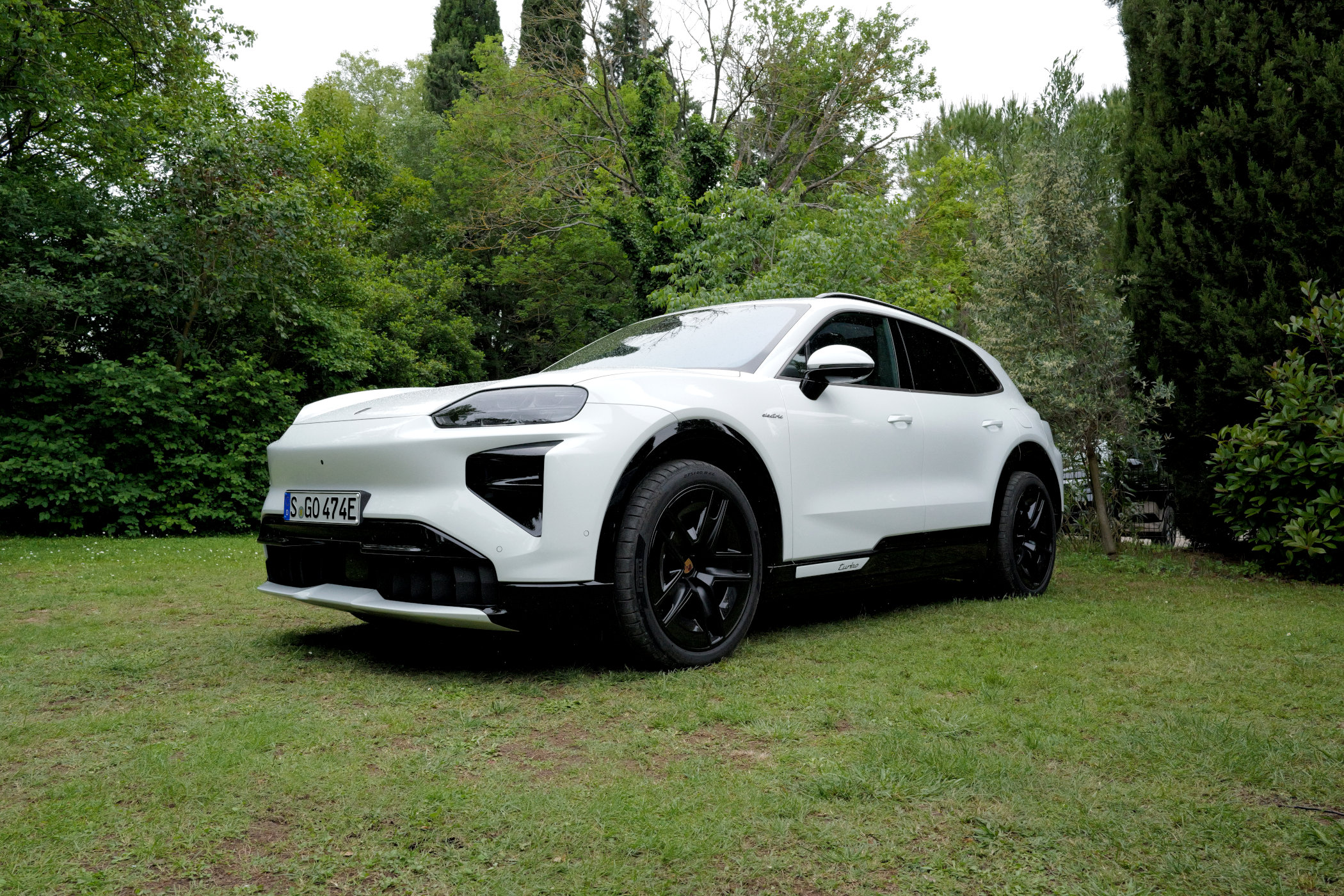
Despite the less impressive fake engine note, the drivetrain, suspension, and steering of the Macan GTS were found to be "not too bad," and "certainly another level than the other EVs or SUVs that I drove, and actually pretty good." The Macan’s smaller footprint made it even more adept on everyday roads. Navigating narrow country lanes, avoiding obstacles, and handling city driving were all made easier by its more compact dimensions. The author compared it favorably to their own Volvo XC60 T8, noting that the Macan felt more stable in fast corners, was easier to maneuver in city centers, and, surprisingly, offered a larger trunk despite appearing smaller. This comparison provides a tangible reference point for readers familiar with premium SUV practicality.
Analysis of Implications and Manufacturer’s Strategy
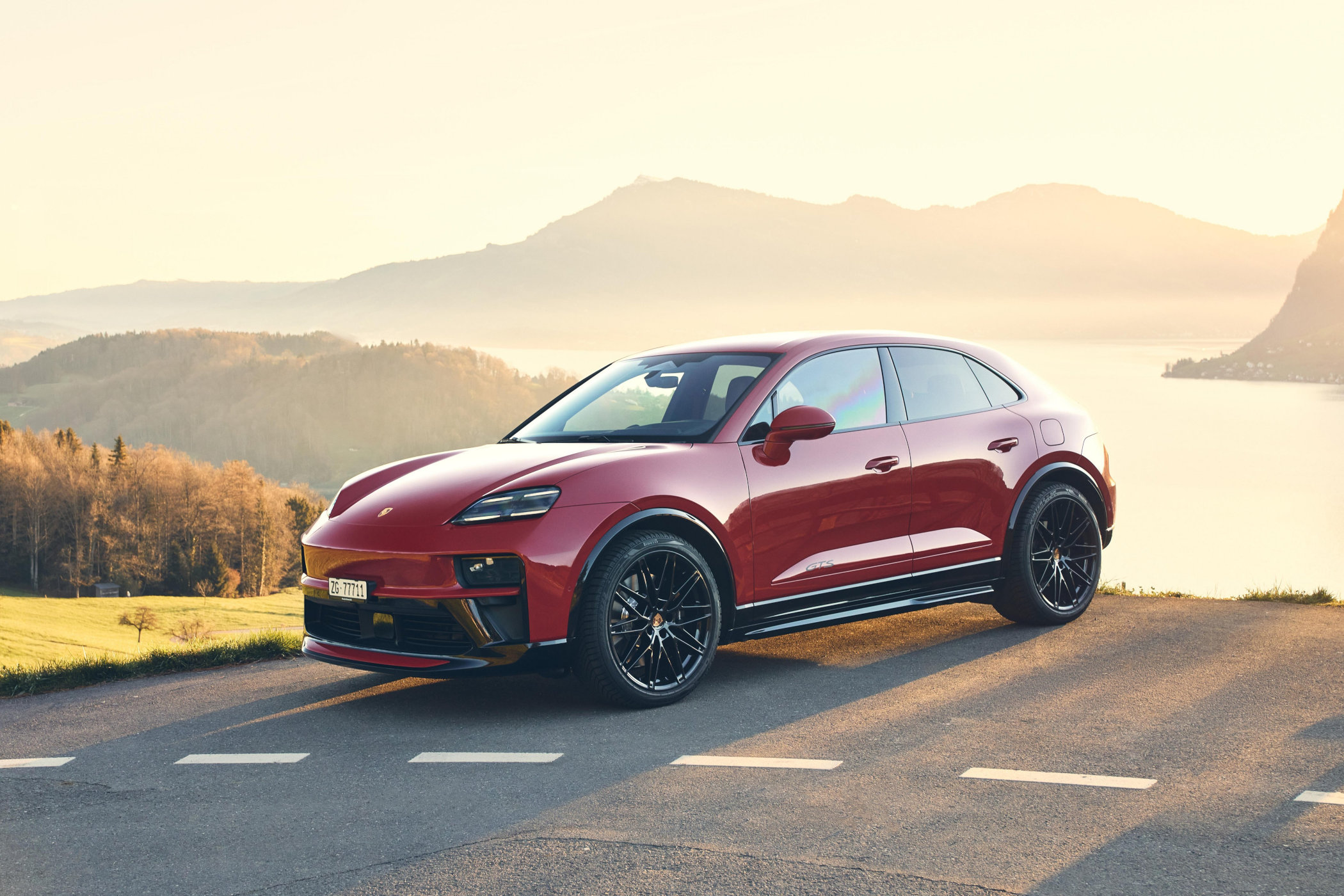
Porsche’s foray into the electric SUV market with the Cayenne Turbo Electric and Macan GTS is a clear indicator of their commitment to electrification while striving to maintain their brand identity. The development of these vehicles suggests a strategic understanding that the transition to EVs doesn’t necessarily mean sacrificing performance or driving engagement. By focusing on core Porsche attributes like precise steering, robust chassis dynamics, and potent acceleration, they aim to attract existing Porsche loyalists and convert new customers who may have previously dismissed EVs.
The inclusion of advanced driver-assistance systems (ADAS) across both models is also noteworthy. While the article briefly mentions their effectiveness, a deeper dive into the specific ADAS features and their integration into the driving experience could further enhance the narrative. These systems are crucial for managing the weight of modern EVs and improving overall safety and comfort, especially in larger SUVs.
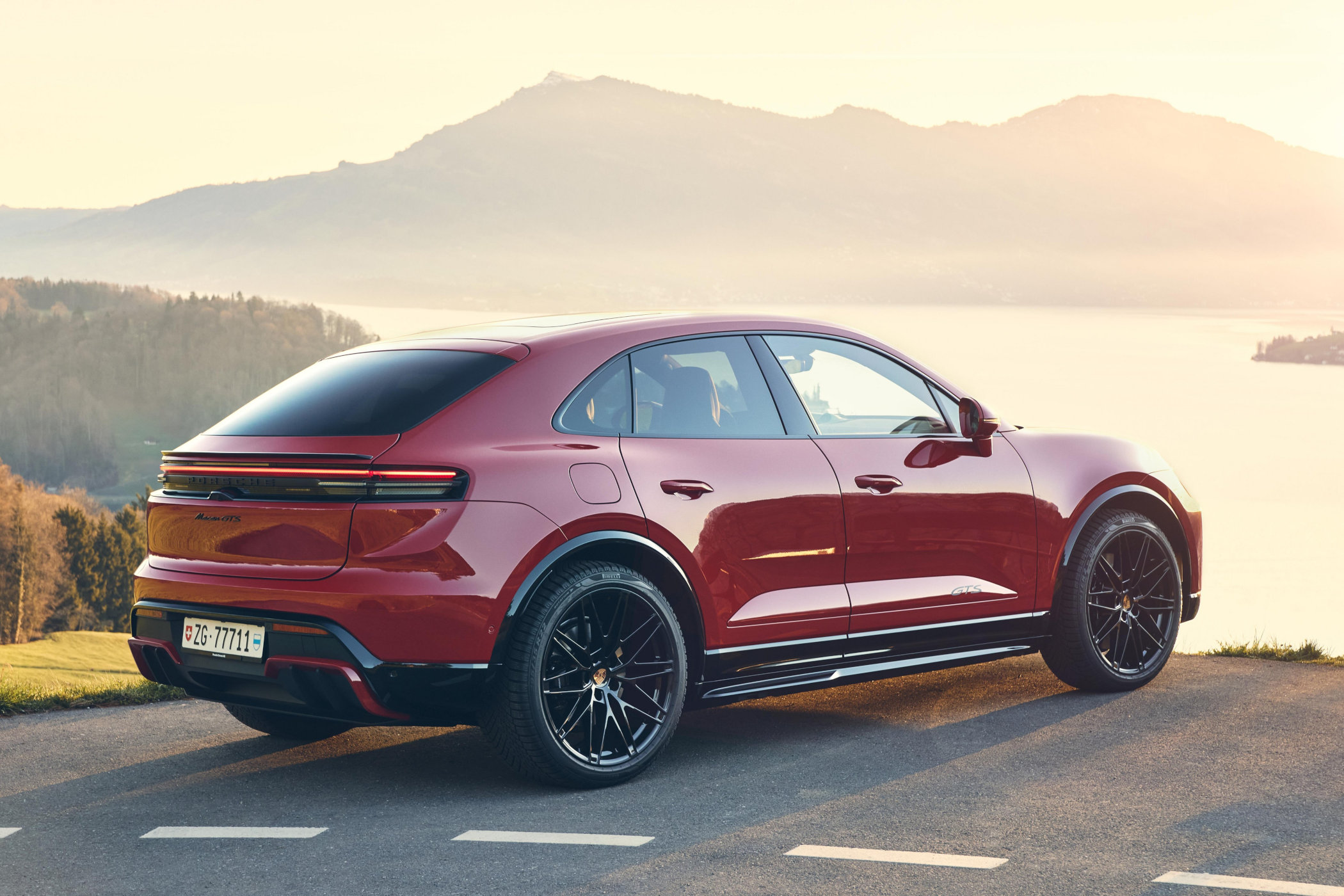
The author’s personal journey from skepticism to a grudging appreciation for the capabilities of these electric Porsches underscores a broader trend. As EV technology matures, the performance gap between electric and internal combustion vehicles is not only closing but, in some metrics, being surpassed. The challenge for manufacturers like Porsche lies in effectively communicating this evolution to a discerning audience that values heritage and the sensory experience of driving.
The Verdict: A Shift in Perspective, But Not a Complete Conversion
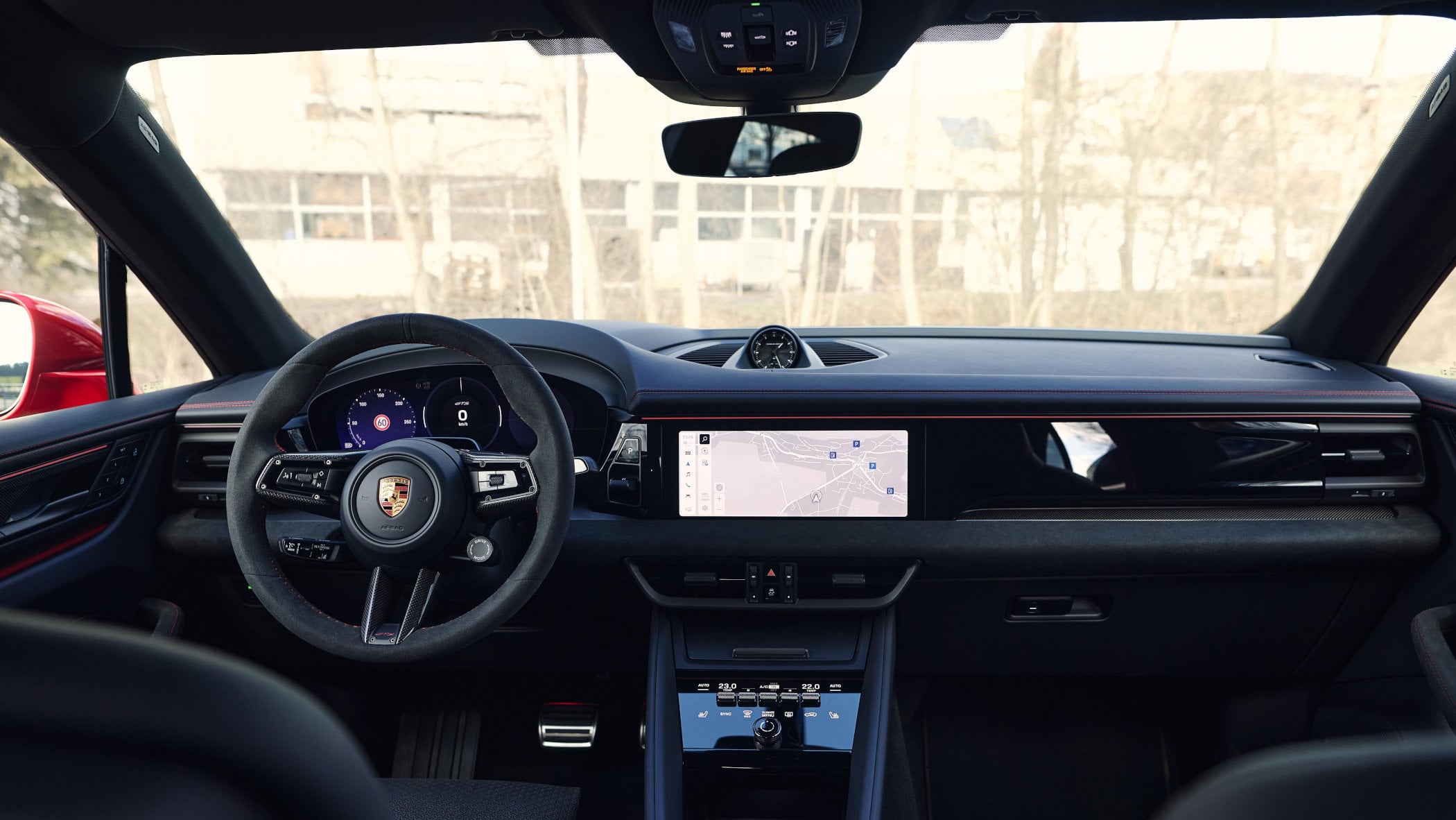
The author’s conclusion acknowledges the impressive achievements of both the Cayenne Turbo Electric and the Macan GTS. "Both the Cayenne Turbo Electric and the Macan GTS drive really nicely," the verdict states, a significant concession from an initially skeptical position. The vehicles are praised for their superior driving dynamics compared to other EVs the author has experienced, attributing this to the "feeling when driving, the haptic feedback, the suspension, the precise steering, and everything that really feels ‘Porsche’."
However, the inherent weight of these large SUVs remains a factor when pushing them to their absolute limits. The low center of gravity, thanks to the battery placement, undoubtedly mitigates this, but the physical mass is still discernible. The author reiterates a personal preference for internal combustion engines, stating, "For me, though, I stick to a car with an internal combustion engine." This stance is softened by a forward-looking perspective: "When cars become entirely self-driving, and I can lean back, open a laptop and work, or take a nap, then I will be OK switching to an EV." This sentiment reflects a segment of the automotive community that values the act of driving itself as an engaging experience, a facet that current EV technology, despite its advancements, has yet to fully replicate for all enthusiasts.
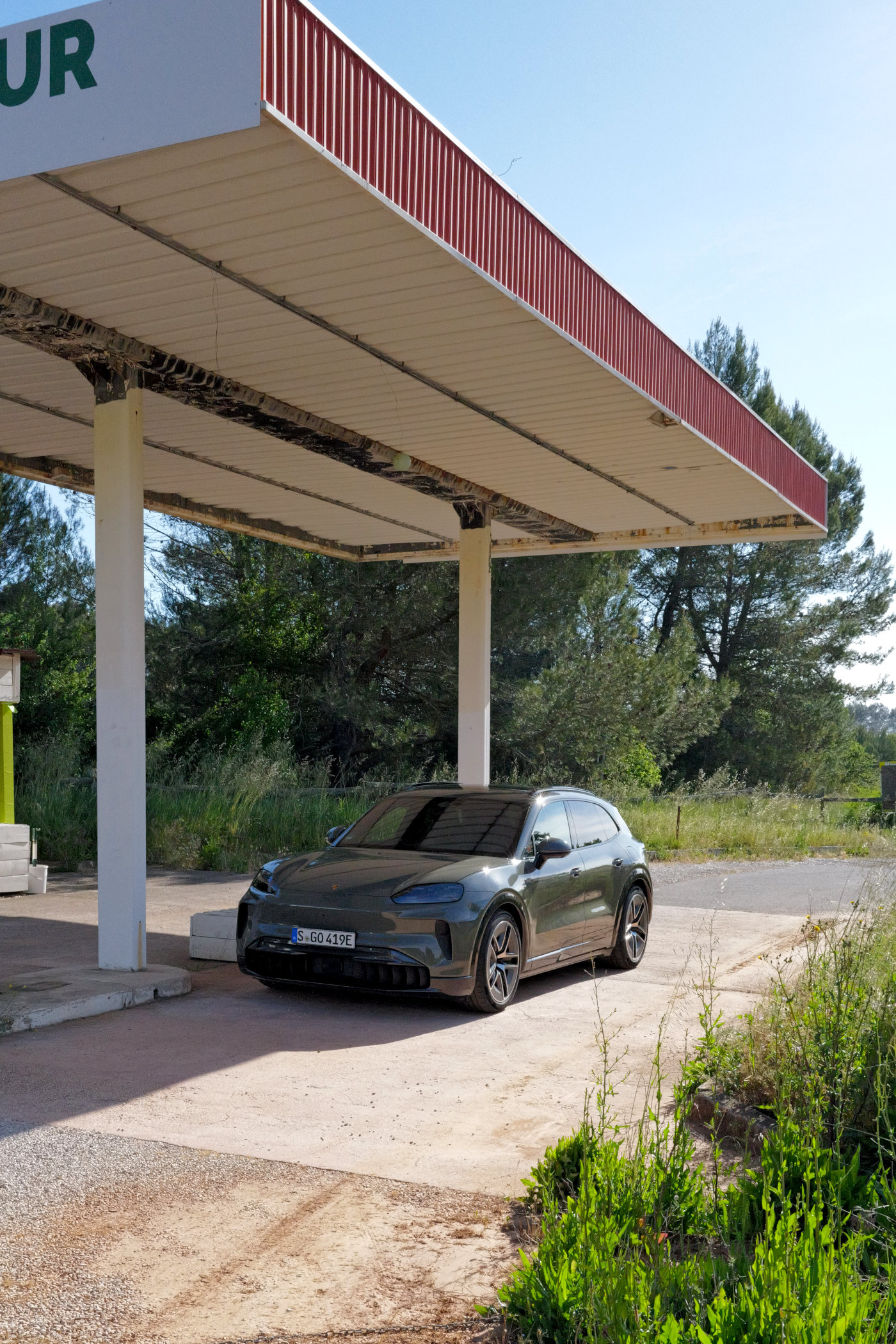
Despite the personal preference for traditional powertrains, the article concludes with a significant acknowledgment of Porsche’s engineering prowess. The author acknowledges the effort made to create an EV driving experience that "barely make[s] you notice that I was driving an EV," a testament to the brand’s success in bridging the gap. The article promises a return to "proper’ cars" in future "Petrolhead Corner" features, signaling a return to their core focus while leaving the door open for future EV evaluations should the technology continue to evolve and challenge the author’s deeply held convictions. The experience in the South of France, therefore, served not as a complete conversion, but as a crucial step in a broader automotive evolution, demonstrating that even the most entrenched perceptions can be challenged by compelling engineering and performance.