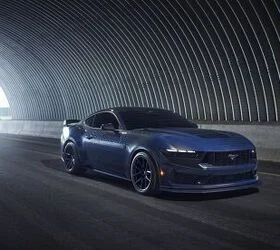
For over six decades, the Ford Mustang has stood as a potent symbol of American automotive spirit, a quintessential pony car that has largely maintained its core identity through successive generations. While periods of deviation, such as the controversial Mustang II in the mid-1970s and the subsequent detuned models of the late 1970s and early 1980s, have tested the established formula, the fundamental essence of the Mustang has remained remarkably consistent. It is a lineage defined by performance, aggressive styling, and an unyielding connection to its performance-oriented heritage.
However, the automotive landscape is in constant flux, driven by evolving consumer demands, technological advancements, and increasingly stringent environmental regulations. In this dynamic environment, even the most iconic nameplates face the pressure to adapt. Ford, a company with a deep understanding of its automotive history and a keen eye on future market trends, appears poised to embark on one of its most significant reinterpretations of the Mustang to date: the introduction of a four-door variant.
A Shift in Strategy: From Niche to Mainstream?
The whispers of a four-door Mustang have been circulating for years, often dismissed by purists as a heresy that would dilute the very essence of the brand. Yet, these discussions are now coalescing into concrete plans, with Ford CEO Jim Farley having openly discussed the potential of such a vehicle. The most recent indications suggest that this new iteration could materialize as early as 2028, with an anticipated starting price of around $40,000. This proposed price point positions the four-door Mustang as a premium offering, aiming to attract a broader demographic of buyers seeking the Mustang’s allure in a more practical package.
This strategic pivot is not entirely unprecedented for Ford. The company has, in the past, explored more unconventional body styles for its beloved pony car. In the 1960s, a Mustang station wagon concept was actually developed, showcasing an early willingness to experiment with the platform’s versatility. More recently, the idea of a four-door Mustang has resurfaced periodically, often sparking intense debate within the automotive community.
The introduction of the Mustang Mach-E, Ford’s first all-electric crossover, can also be viewed as a strategic maneuver, albeit one that deliberately leverages the Mustang nameplate for marketing purposes to introduce their groundbreaking electric technology. While the Mach-E shares the Mustang moniker, it represents a distinct departure in form and function, catering to the burgeoning electric vehicle market. The proposed four-door Mustang, however, appears to be a more direct evolution of the traditional car, aiming to integrate enhanced practicality into the established performance DNA.
The "Why" Behind the Four-Door: Market Dynamics and Consumer Needs
The rationale behind Ford’s consideration of a four-door Mustang is likely multifaceted, driven by a confluence of market trends and a desire to expand the Mustang’s appeal beyond its traditional enthusiast base.
-
Expanding the Buyer Pool: The two-door coupe and convertible configurations, while iconic, can present practical limitations for families or individuals who require more accessible rear seating and cargo space. A four-door variant would directly address these concerns, opening the door to a wider range of potential buyers who might otherwise be drawn to more conventional sedans or SUVs but are captivated by the Mustang’s styling and performance heritage. This is particularly relevant in a market where SUVs and crossovers continue to dominate sales figures, indicating a consumer preference for vehicles that blend utility with desirable aesthetics.
-
Leveraging Brand Equity: The Ford Mustang boasts one of the most recognizable and respected brand names in the automotive world. By extending the Mustang nameplate to a four-door model, Ford can harness this powerful brand equity to create a unique offering that stands out in a crowded segment. This strategy allows Ford to imbue a more practical vehicle with the aspirational qualities associated with the Mustang, potentially commanding a premium price and attracting customers who are loyal to the brand but require greater utility.
-
The Evolving Definition of "Performance": While the traditional image of a Mustang is a sleek, two-door sports car, the definition of performance is broadening. Consumers are increasingly looking for vehicles that offer a blend of exhilarating driving dynamics with everyday usability. A four-door Mustang could potentially deliver this, offering potent engine options and agile handling while providing the comfort and practicality for daily commutes and family excursions. This aligns with the trend of performance sedans and sporty SUVs gaining popularity.
-
Competitive Landscape: The automotive market is highly competitive, and manufacturers are constantly seeking ways to differentiate their offerings. A four-door Mustang would carve out a unique niche, offering a compelling alternative to existing performance sedans and sporty crossovers from competitors. It could appeal to those who desire the sporty character of a Mustang but need the practicality of a sedan.
A Historical Context of Mustang Evolution
To understand the potential significance of a four-door Mustang, it’s helpful to trace the lineage of the vehicle and its moments of divergence:
-
1964.5 – The Genesis: The original Ford Mustang debuted in April 1964 as a sporty compact car, a revolutionary concept that created the "pony car" segment. Its long hood, short deck, and stylish coupe and convertible body styles were an instant hit.
-
Mid-1970s – The Mustang II Era: Facing the 1973 oil crisis and stricter emissions regulations, Ford downsized the Mustang, introducing the Mustang II for the 1974 model year. Based on the Pinto platform, it was smaller, heavier, and significantly less powerful than its predecessors, alienating many performance enthusiasts and marking a period of compromise for the iconic model.
-
Late 1970s and Early 1980s – The "Fox Body" Mustang: The Fox Body Mustang, introduced in 1979, represented a return to a more performance-oriented design, albeit still a departure from the original proportions. This generation saw the resurgence of powerful V8 engines and became a favorite for performance modifications and racing. While still a two-door, it showcased Ford’s willingness to adapt the Mustang’s platform for different performance philosophies.
-
The Mach-E Anomaly: The recent introduction of the all-electric Mustang Mach-E in 2020 marked a significant departure. While bearing the Mustang name and some styling cues, its crossover SUV form factor and electric powertrain positioned it as a distinct entity, aiming to capture the growing EV market. This move, while controversial among purists, demonstrated Ford’s commitment to electrifying its iconic brands.
The proposed four-door Mustang would represent another significant evolutionary step, aiming to blend the Mustang’s heritage with contemporary practical needs. The key challenge for Ford will be to strike a delicate balance, retaining the unmistakable Mustang character while integrating the functionality of a four-door sedan without compromising the core performance and styling that has defined the car for generations.
Potential Implications and the Road Ahead
The introduction of a four-door Mustang carries several potential implications for Ford and the automotive market:
-
Brand Perception: A successful four-door Mustang could broaden the appeal of the brand, attracting new customers and strengthening Ford’s market position. However, a poorly executed model could risk diluting the Mustang’s legendary status and alienating loyalists. The design and engineering will be critical in mitigating this risk.
-
Market Segment Disruption: A four-door Mustang would enter a segment populated by established players. Its unique positioning, blending iconic styling with practicality and performance, could disrupt the market and force competitors to re-evaluate their own offerings.
-
Technological Integration: As the 2028 timeframe suggests, the four-door Mustang is likely to incorporate advanced technologies, including potential hybrid or fully electric powertrain options, aligning with Ford’s broader electrification strategy. This will be a key factor in its long-term viability and appeal.
-
The "Purist" Debate: The introduction of a four-door model will undoubtedly reignite debates among automotive enthusiasts about the definition of a Mustang. While some may embrace the practicality, others will likely view it as a compromise of the car’s original spirit. Ford’s communication and marketing strategy will be crucial in managing these perceptions.
The question "Would you buy a four-door Ford Mustang?" posed by the original source, is a sentiment echoed across automotive forums and discussions. The answer will ultimately depend on Ford’s execution. If the company can successfully translate the Mustang’s DNA into a practical, yet still engaging and stylish, four-door package, it could prove to be a masterstroke. The choice of color, while a lighthearted consideration, underscores the personal connection consumers have with such an iconic vehicle. For a car that has inspired passion and devotion for decades, its next evolution will be watched with intense interest, and its success will hinge on its ability to honor its past while embracing the future.