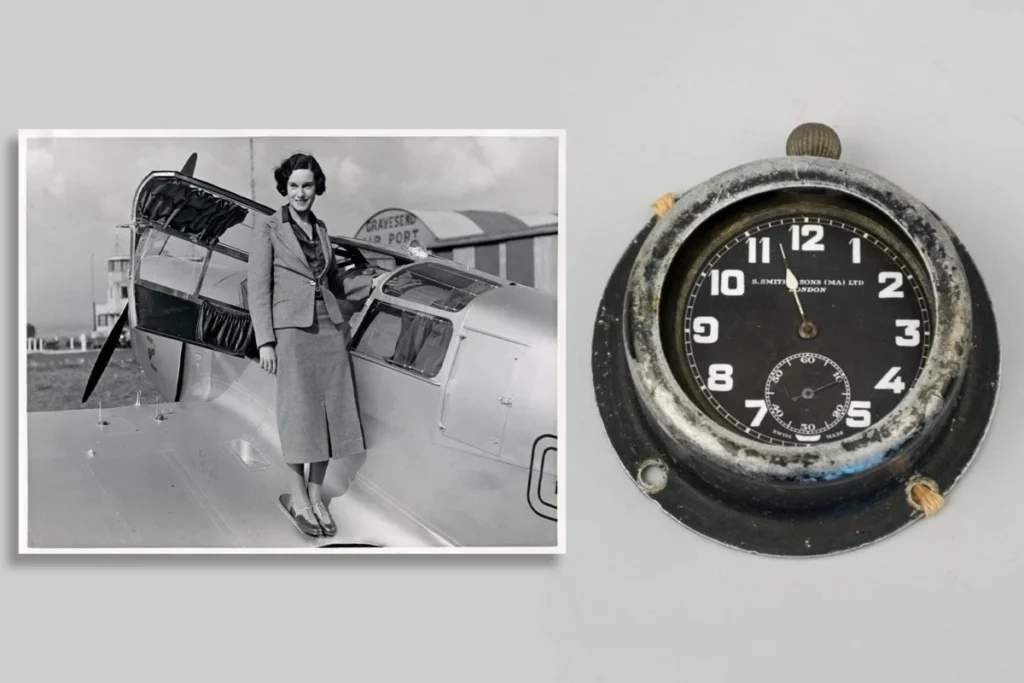
In the hushed halls of Auckland’s Museum of Transport and Technology (MOTAT), amidst the gleaming chrome of vintage automobiles and the silent grandeur of early aircraft, rests a seemingly unassuming object: a Smiths dash clock. Its stark black dial, punctuated by crisp white numerals, speaks of an era where legibility and reliability were paramount. This compact, precise instrument, born in the early 20th century, is far more than a mere timekeeper. If only this particular clock could recount the extraordinary tales etched into its very being.
While it may appear unremarkable at first glance, this humble dash clock embodies the very essence of pioneering flight—a potent fusion of meticulous timekeeping and unwavering courage. MOTAT proudly showcases several artifacts of horological significance, but few can evoke the spirit of adventure and determination quite like Jean Batten’s dash clock. Donated in 2017, it forms a crucial part of a broader collection that includes her iconic white leather flying cap, a celestial planisphere, meticulously kept logbooks, and vital engine components.
The Smiths Dash Clock: A Navigator’s Trusted Companion
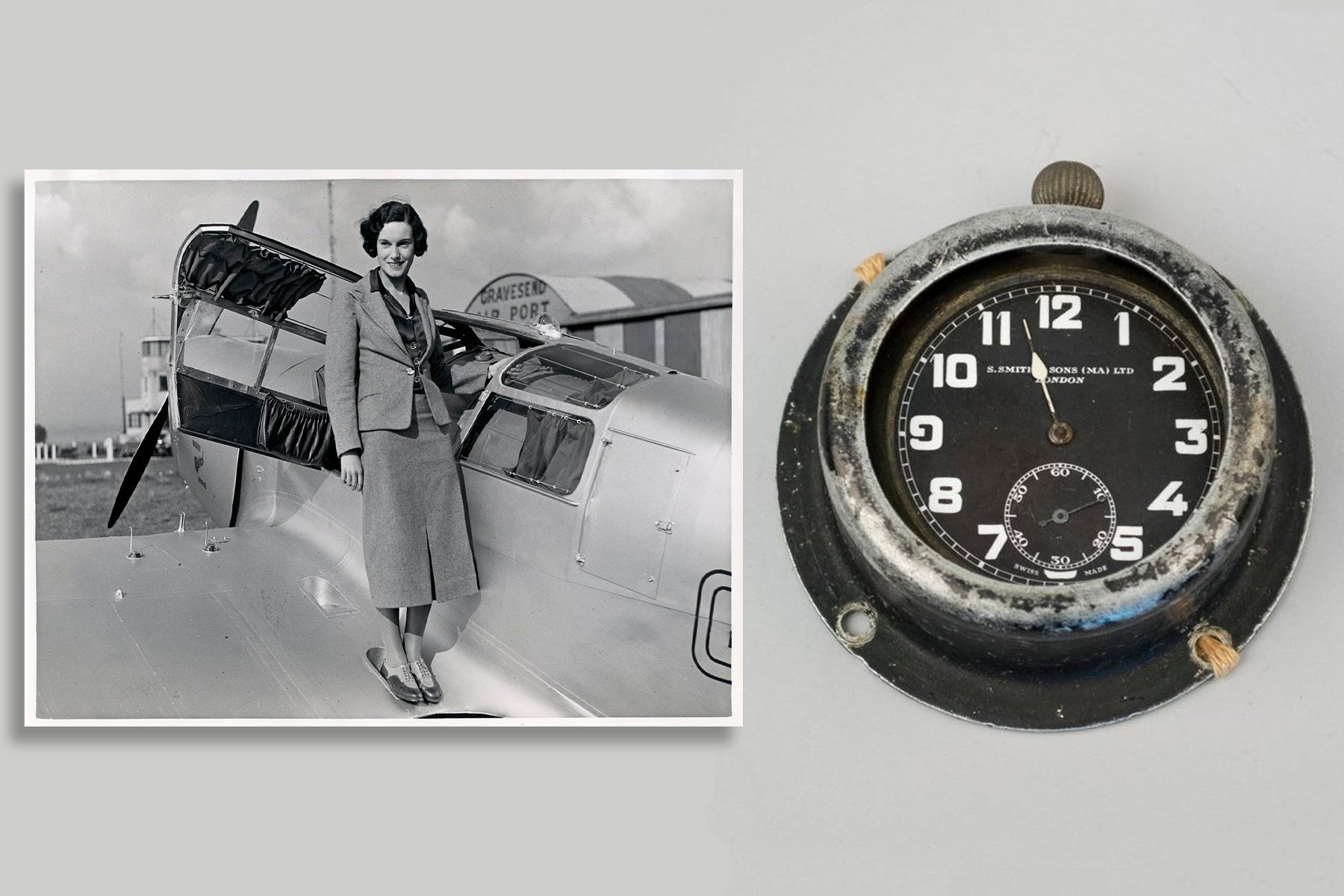
The Smiths dash clock on display features a specialized navigational dial crafted by Smith & Sons of London, a firm renowned for its precision instruments vital to aviation. Its face is adorned with large, clear Arabic numerals marking the hours, a classic railroad-style 60-minute track, and a distinctive sub-dial at the 6 o’clock position. This sub-dial is ingeniously segmented into intervals of 10, 20, 30, 40, and 60 seconds, providing the pilot with critical micro-timing capabilities.
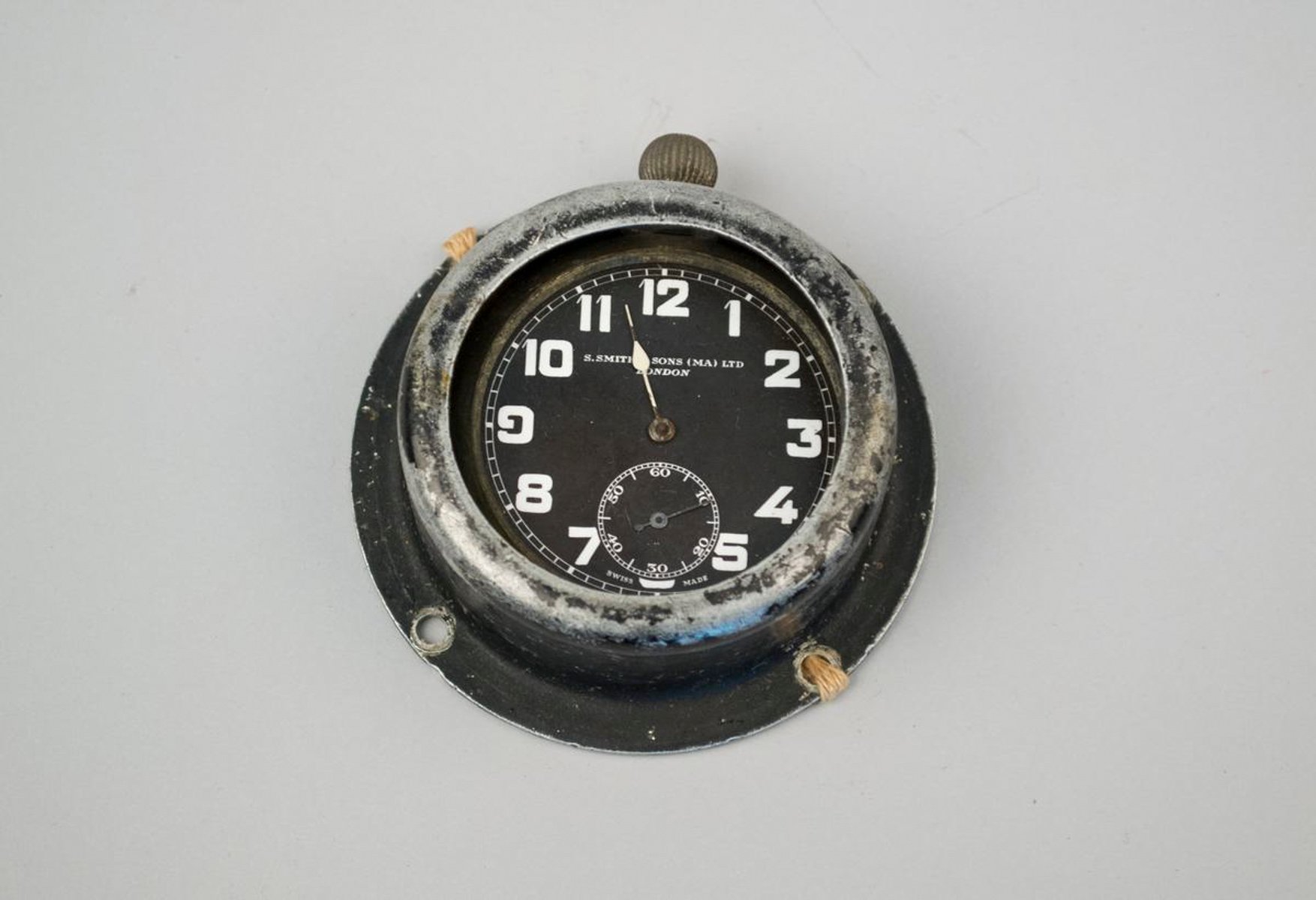
This was not merely a decorative accessory; this dash clock was Jean Batten’s steadfast co-pilot on her record-breaking journeys. It was instrumental in timing crucial fuel stops, calculating precise course corrections, and monitoring engine intervals, especially during long, arduous flights. Over the vast, featureless expanse of oceans, it aided her in triangulating her position, a feat that demanded an almost intuitive understanding of time, speed, and direction. The clock also played a role in assessing the wear and tear on her aircraft and in calibrating drift, whether from the compass or the aircraft’s trajectory relative to the intended course. The subtle signs of its working life – a worn casing, faded numerals, and small, almost imperceptible dents – are powerful testaments to its constant use and the immense trust placed in it during critical, unrepeatable moments.
Jean Batten: A Pioneer Who Redefined Aerial Exploration
Jean Gardner Batten, born in Rotorua, New Zealand, in 1909, was a woman driven by an insatiable curiosity for the world beyond the horizon. From a young age, she harbored a fascination with aviation, a passion that led her to England in her early twenties to pursue flight training. There, she not only honed her piloting skills but also cultivated an exceptional aptitude for navigation. Her techniques encompassed dead reckoning, celestial navigation, and an intimate reliance on the instruments she carried, chief among them her clocks and watches.
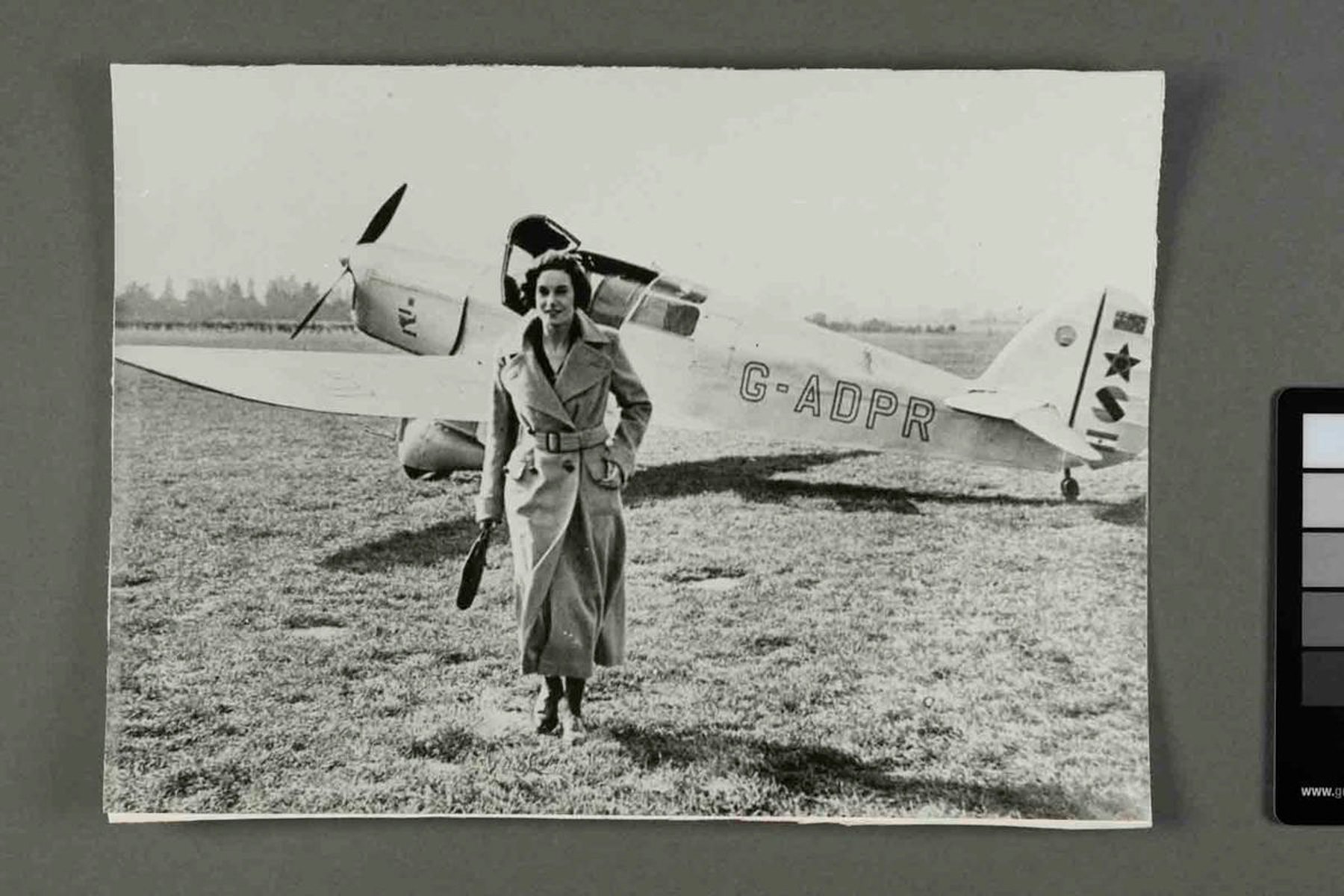
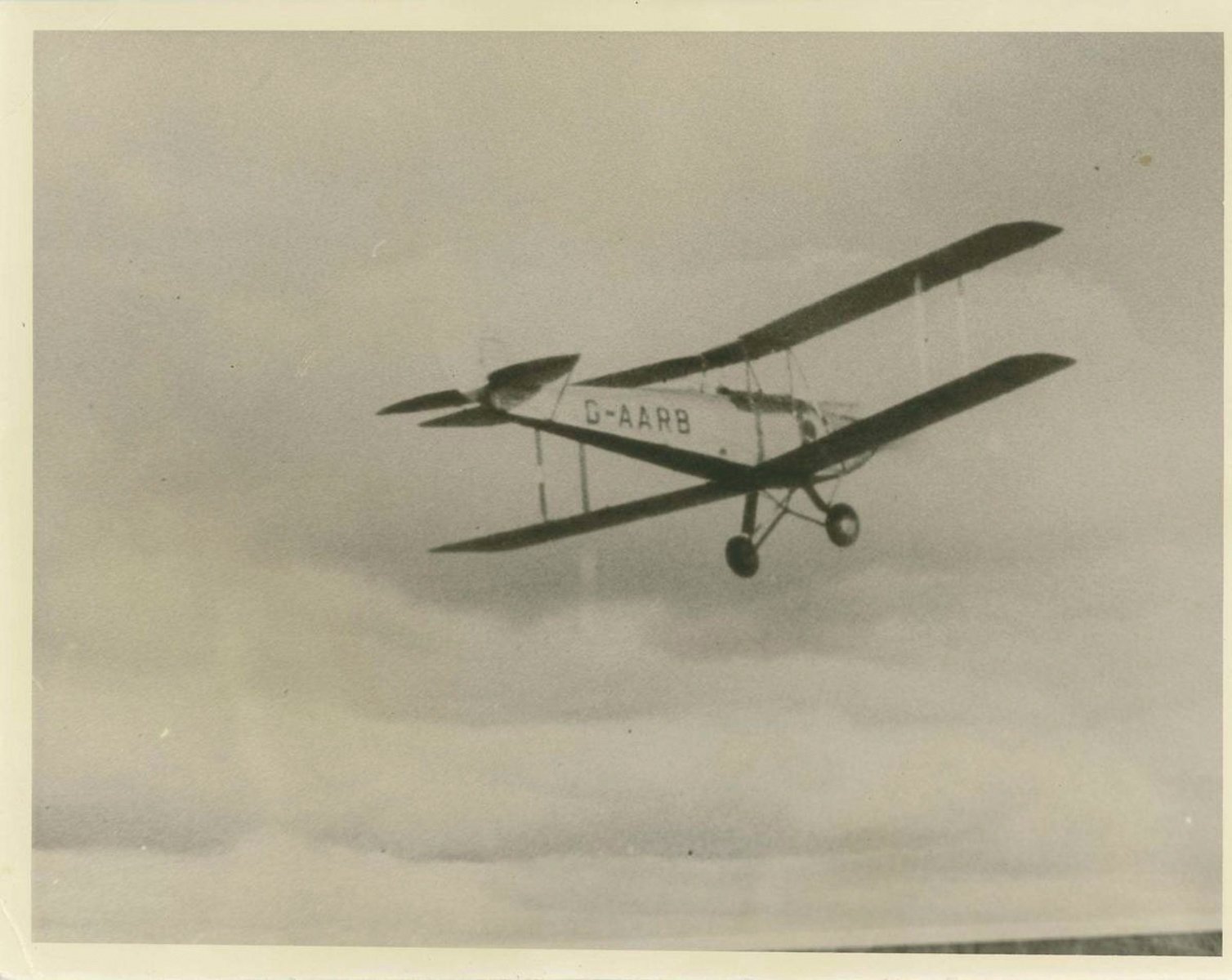
Batten’s aviation career was punctuated by a series of groundbreaking achievements. In 1933-34, she captivated the world with her solo flight from England to Australia in a Gipsy Moth, a journey that demanded immense skill and resilience. She also completed challenging Atlantic crossings, pushing the boundaries of aerial endurance. Her most celebrated feat, however, was the 1936 solo flight from England to New Zealand in a Percival Gull. This direct route, covering thousands of miles over land and sea, was a monumental achievement that cemented her status as a global aviation icon.
What is often less emphasized in the narrative of her daring exploits is the indispensable role of timekeeping. In an era preceding inertial navigation systems and GPS, and with only rudimentary radio aids, Batten relied on a sophisticated combination of celestial observations, compass readings, drift tables, and, crucially, precise time measurements. Her dash clock, along with her wristwatch and any other chronometer she trusted, were not merely instruments; they were essential tools for survival and success.
The Enduring Legacy of Watches, Clocks, and Navigation
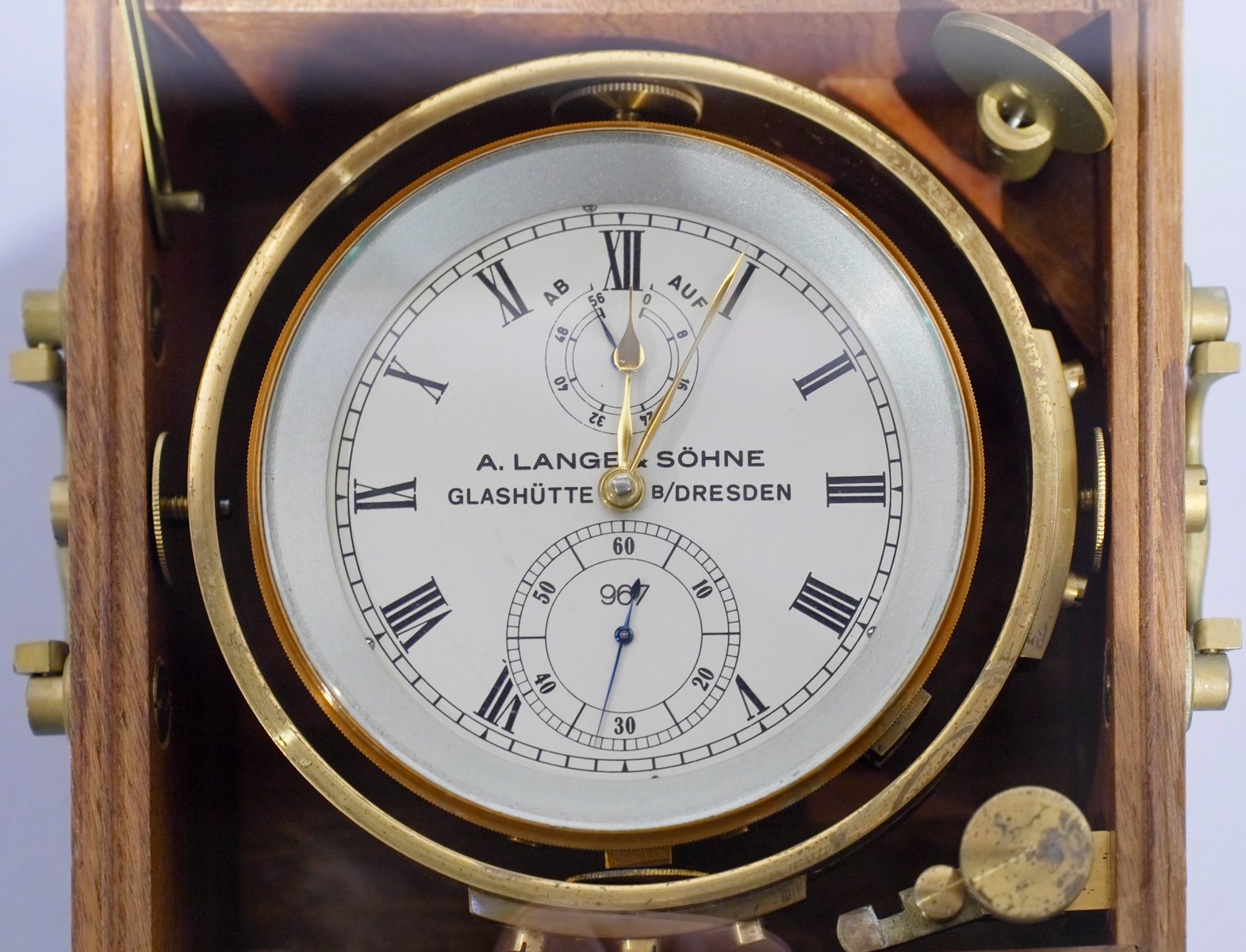
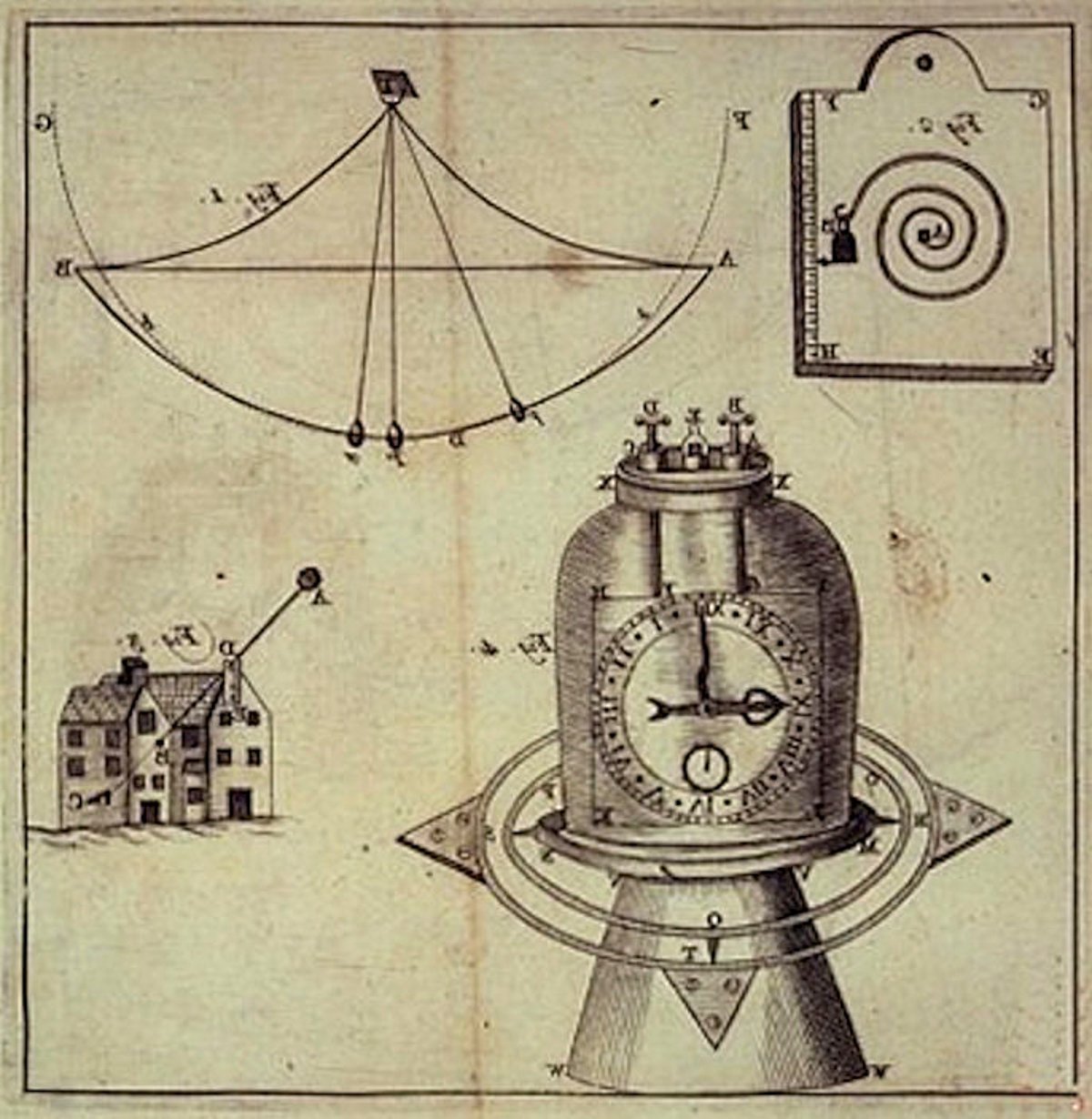
To fully appreciate Batten’s reliance on timepieces, it is essential to understand the centuries-old symbiosis between timekeeping and navigation. The development of the marine chronometer, notably by John Harrison in the 18th century, revolutionized maritime navigation. By providing accurate time at a known longitude (such as Greenwich Mean Time), ships could, through celestial observations with a sextant, determine their precise longitude. Without this accuracy, determining longitude was largely a matter of guesswork, significantly increasing the risks of seafaring.
As aviation began its ascent in the early 20th century, the demand for precision in timekeeping grew exponentially. The increasing speeds and ever-lengthening distances covered by aircraft necessitated an even more rigorous approach to timing. For pilots navigating over vast oceans or uncharted territories, accurate time measurement was critical for managing fuel consumption, accounting for drift caused by wind, and monitoring engine performance. Instruments such as dash/panel clocks, sophisticated stopwatch chronographs, and dependable wristwatches evolved from mere conveniences into indispensable tools for survival. Their tolerances, reliability, and legibility under demanding conditions were of paramount importance. In the pre-radar and pre-radio era, aerial navigation over water often mirrored maritime techniques, employing compasses, solar and stellar observations, estimations of speed and drift, and precise time calculations to determine position. Even minor discrepancies in time could translate into significant navigational errors, potentially leading to miles of miscalculation and an uncertain destination.
A Dash Clock That Chronicles More Than Minutes
Jean Batten’s flights often spanned many hours, frequently over areas devoid of visual landmarks. Her route planning and execution were heavily dependent on her ability to accurately track elapsed time, average speed, and fuel consumption. This, in turn, demanded absolute trust in her dash clock, meticulously calibrated instruments, and the synchronization of these with celestial events like sunrise, sunset, and the phases of the stars.
Batten’s dash clock is more than a historical artifact; it is a silent witness to her extraordinary achievements. Consider her daring solo flight across the South Atlantic in November 1935, from West Africa to Brazil in her Percival Gull 6. This immense journey involved flying over thousands of miles of featureless ocean, often under conditions of poor visibility. She had to meticulously calculate wind drift, estimate her ground speed, and make constant course adjustments. Her primary navigational tools were her compass, a map, and this very clock.
Dead reckoning was the fundamental technique underpinning her navigation. Accounts from her contemporaries highlight that while she relied on visual cues and her compass, celestial navigation was employed less frequently, but time was an ever-present constant. The dash clock was used to time her progress between waypoints, to record the precise moments of celestial observations, and to monitor engine performance. This small instrument, whether mounted on her chest or integrated into the cockpit panel, acted as a crucial measurement partner. The clock’s worn condition, as noted by MOTAT, speaks volumes about its intensive use. It does not reside in pristine condition; instead, it bears the marks of its working life – scratches, oxidized metal, and a subtly faded dial. Each imperfection can be imagined as a testament to a flight leg completed, a storm weathered, an unexpected forced landing, or a critical navigational correction made when clouds obscured the stars.
Capturing History Through Visual Archives
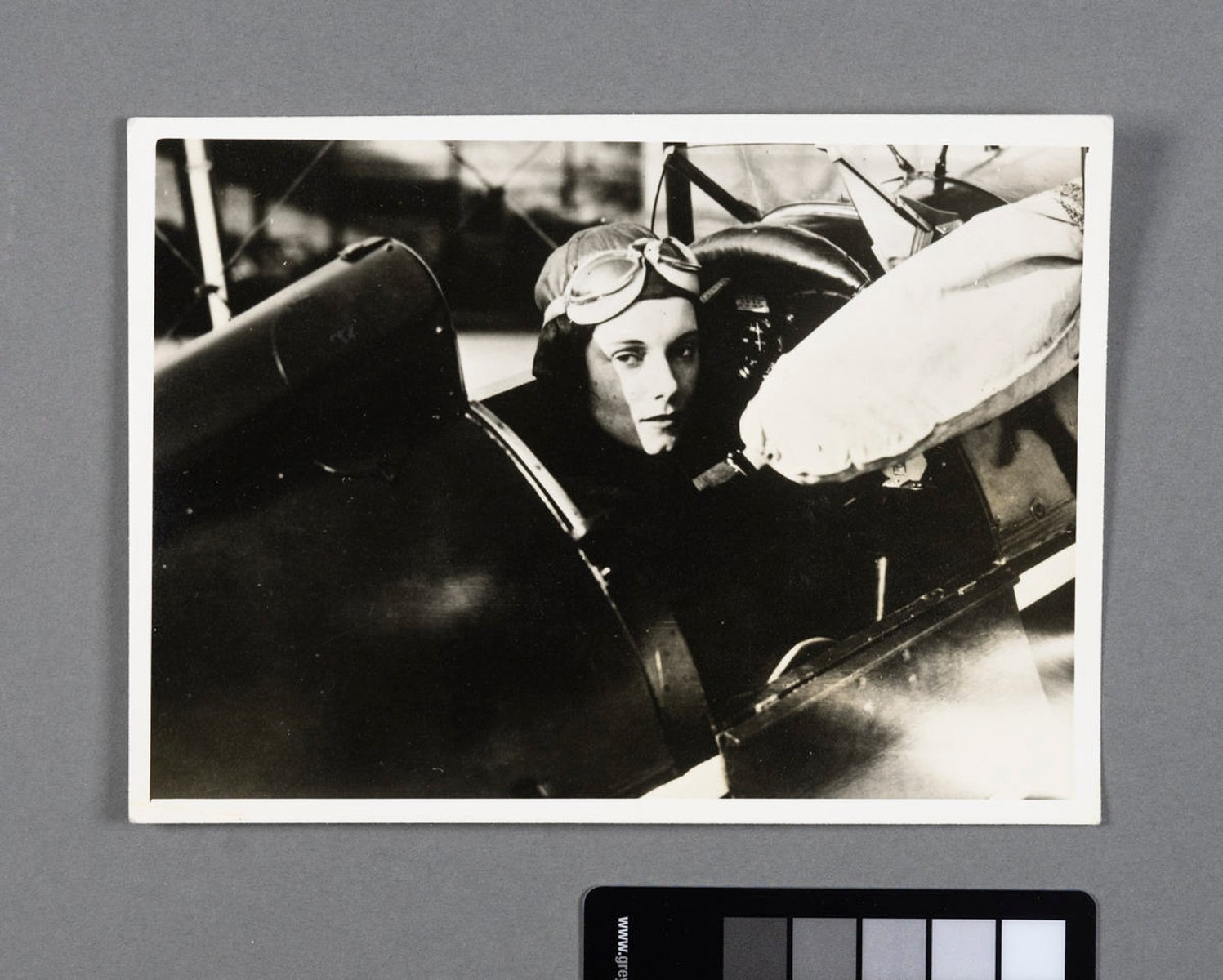
For enthusiasts of horology and aviation history, the accompanying photographs offer a powerful narrative complement. The black-and-white images capture Jean Batten in her element: beside her Gull, donned in her flight gear, her cap, and often showcasing the watches and instruments of the era. These visual records, alongside her maps and images of the engines she meticulously maintained, bring to life the context of her incredible journeys. The crowds gathered at Mangere Aerodrome upon her triumphant return in 1936 further emphasize the immense public admiration for her achievements.
One particularly poignant photograph within the MOTAT collection displays Jean Batten’s dash clock alongside her logbooks, planisphere, and flying cap. In the background, the cockpit of her Gull is visible, revealing the instrument panel with its compass, fuel gauges, and tachometer – all instruments whose accuracy was intrinsically linked to precise time calibration. These images underscore that Batten’s remarkable feats were not solely the product of bravery but also of meticulous precision and an intimate understanding of when to adjust altitude, alter course, or conserve fuel.
The Evolution of Cockpit Timekeeping
Returning to the Smiths dash clock, its design serves as a tangible reminder of how cockpit and dashboard timekeeping evolved. Dash and panel clocks were strategically positioned on the instrument panel, providing pilots with an immediate and constant reference for both elapsed flight time and the actual time of day. In the nascent days of aviation, pilots often had to meticulously synchronize multiple timekeeping devices – their wristwatches, the dashboard clock, and their navigational logs – while also remaining vigilant for time deviations caused by mechanical variations or fluctuating temperatures.
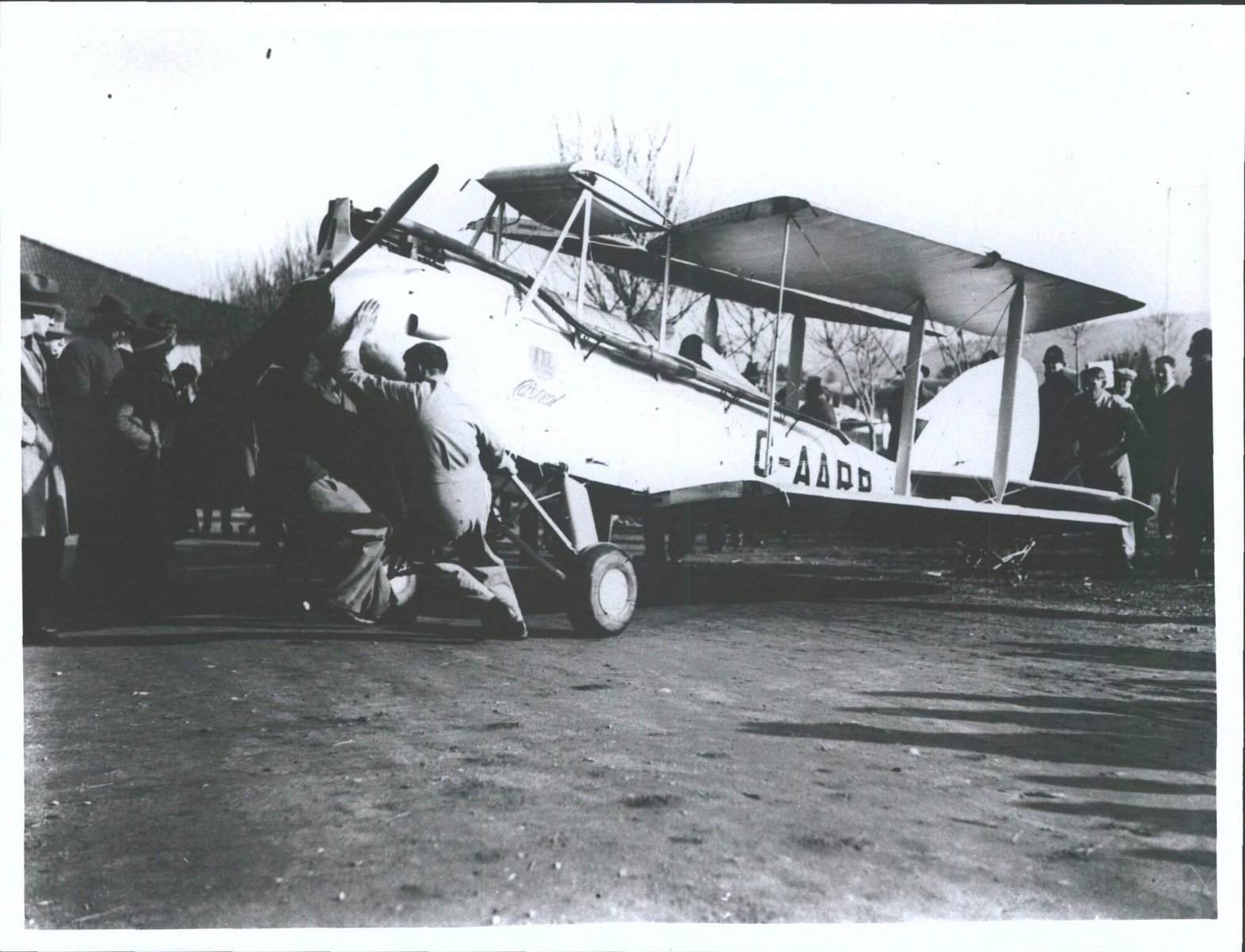
Instruments manufactured by reputable firms such as Smith & Sons were among those relied upon for these critical tasks. The accuracy of such a clock could quite literally be the difference between arriving safely at a destination or running critically low on fuel over an inhospitable landscape. The development of these instruments was intrinsically linked to the increasing demands placed upon pilots and navigators as aircraft capabilities advanced.
Concluding Thoughts: Every Second Counted
Jean Batten’s story is widely celebrated for its themes of daring, long-distance solo flight, and sheer adventurous spirit. However, for those who appreciate the intricate world of watches and clocks, a deeper narrative unfolds: the mastery of time itself. The dash clock at MOTAT, alongside the compass and planisphere, represents the fundamental tools of her trade. For Jean Batten, every second truly mattered.
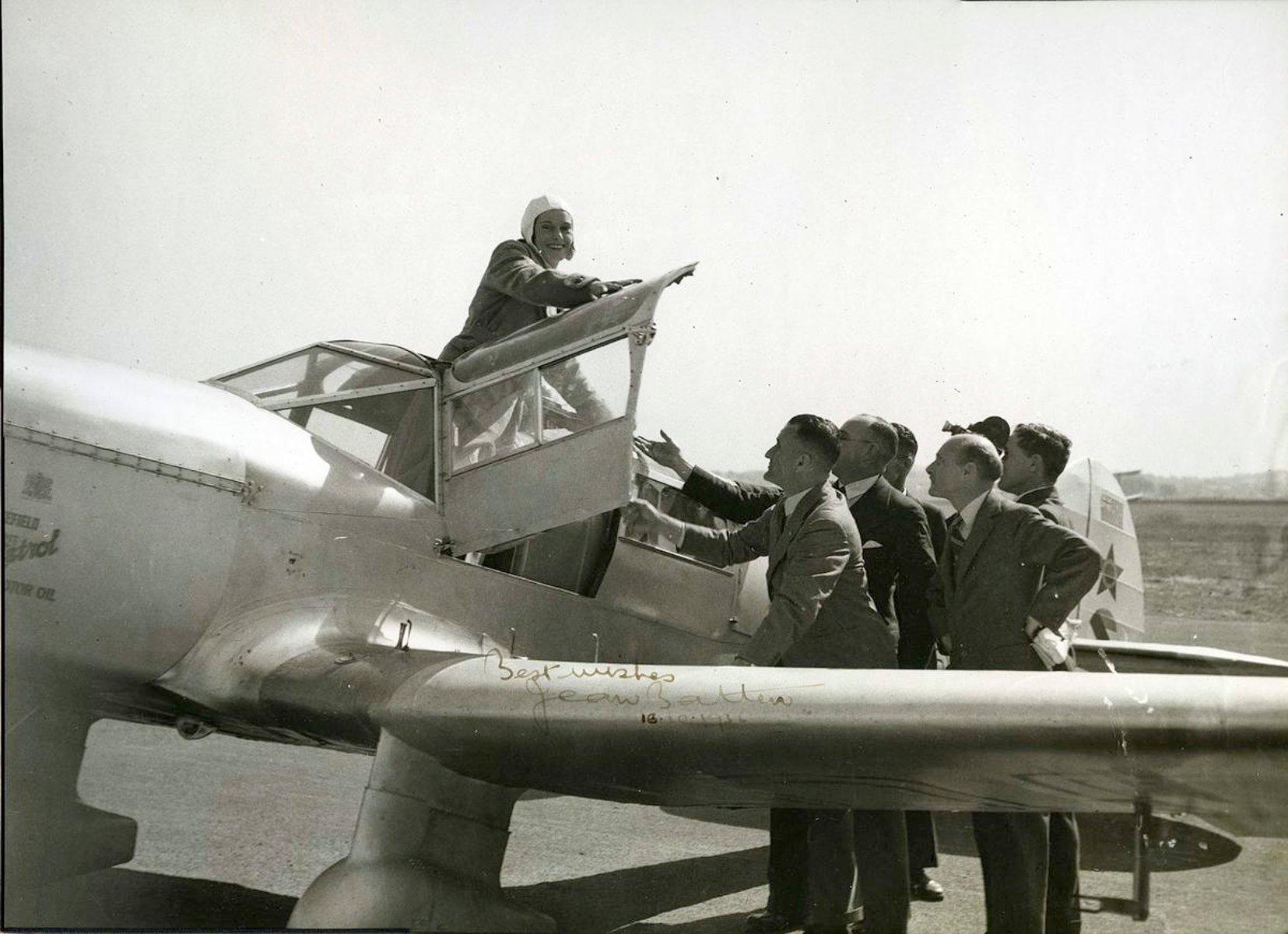
In celebrating her cherished watches and clocks, her detailed logbooks, and her essential instruments, we not only honor the extraordinary bravery of a pioneering pilot but also the profound precision of a skilled navigator. It is in this powerful convergence of courage and chronometry that we find a resonance that speaks to every watch enthusiast – the understanding that great achievements are measured not merely in miles traversed or hours logged, but in the meticulous management and profound significance of each individual moment.
The author extends sincere gratitude to the team at MOTAT for their diligent work in curating the image archive that has enriched this story. The original Smiths dash clock can be viewed here.