In the often predictable landscape of luxury watch marketing, where polished actors and elite athletes routinely grace advertisements, Worn & Wound has historically maintained a deliberate distance from the ubiquitous world of celebrity watch spotting. This editorial stance stems from a general disinterest in the often transactional nature of celebrity endorsements, where high-profile individuals are frequently compensated to wear specific timepieces, a practice that floods the press release channels with predictable announcements. However, even within this selective approach, certain collaborations transcend the conventional, offering a fascinating glimpse into the evolving strategies of watch brands and the sometimes surprising intersections of culture and commerce. While the jury is still out on the long-term impact of contemporary celebrity endorsements, such as Timothée Chalamet’s support of independent watchmakers like Urban Jürgensen, the historical record reveals a compelling narrative of brands seeking unique voices to resonate with diverse audiences. This article delves into five of the most peculiar and thought-provoking brand ambassador relationships in the relatively short, yet dynamic, history of luxury watch marketing, exploring the context, the implications, and the enduring intrigue they continue to evoke.
Kate Bush and Seiko: An Enigmatic Harmony in the Late 1970s
One of the most striking examples of an unconventional brand partnership that immediately prompts curiosity is the late 1970s collaboration between the enigmatic English singer-songwriter Kate Bush and the Japanese watchmaking giant, Seiko. Bush, who rose to prominence in the late 1970s and 1980s with her distinctive artistic vision and theatrical performances, cultivated an aura of mystique throughout her career. Known for her introspective songwriting and deliberate control over her public image, Bush often maintained a private life, opting for infrequent interviews and taking significant hiatuses from the music industry, most notably from the mid-1990s to the mid-2000s. Her recent resurgence in popular culture, amplified by the critically acclaimed television series "Stranger Things" and the viral phenomenon of TikTok, has introduced her unique artistry to a new generation of fans.
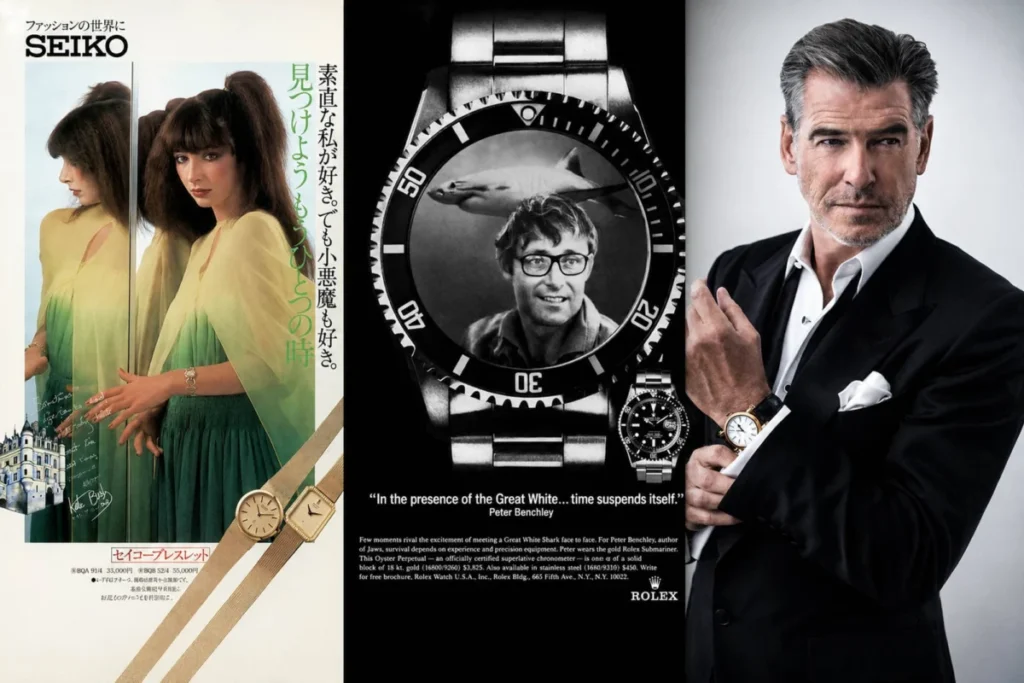
During the zenith of her early career, alongside the release of seminal albums such as "The Kick Inside" (1978) and the critically lauded "Hounds of Love" (1985), Bush participated in a series of advertisements for Seiko in her native country. These commercials, now a peculiar artifact of a bygone era, perfectly encapsulate Bush’s artistic sensibilities. One notable advertisement features a segment of her song "Them Heavy People," a track from her debut album. The visual narrative depicts Bush engaging in a series of eclectic activities, including dancing and riding a motorcycle, all while embodying her characteristic ethereal presence. Her brief voiceover, delivering the contemplative line, "We have many varieties of mood within us. It’s up to you to choose," adds a layer of philosophical depth that feels intrinsically tied to her artistic persona.

The precise motivations behind this collaboration remain a subject of fascination. At the time, Seiko, while a respected and established watchmaker, was not widely associated with high-profile celebrity endorsements in the same vein as some of its Swiss counterparts. The brand’s decision to align with a burgeoning, unconventional pop artist like Kate Bush in the UK market was a notable departure from typical marketing strategies. This partnership presented a unique opportunity for Seiko to tap into a younger, culturally aware demographic, leveraging Bush’s growing influence and her distinct artistic appeal. The campaign, viewed retrospectively, highlights a period when brands were perhaps more willing to experiment with unconventional pairings, seeking to associate their products with burgeoning cultural movements and distinct personal brands. The novelty of a Japanese watchmaker enlisting a British pop icon for such a visible campaign underscores the era’s evolving advertising landscape and Seiko’s willingness to embrace creative risks to capture market share and cultivate brand recognition. While the immediate commercial impact of these ads may not be quantifiable by today’s metrics, their enduring peculiarity makes them a significant case study in early, unconventional celebrity marketing.
Peter Benchley and Rolex: A Literary Titan’s Endorsement of Marine Conservation
Rolex has long distinguished itself in the realm of luxury watch marketing through its discerning approach to partnerships, extending beyond the typical roster of Hollywood actors and elite athletes. The brand has consistently championed individuals who embody excellence and achievement across a broader spectrum of human endeavor, including writers, artists, scientists, and other figures of significant cultural influence. This strategy, now widely adopted by other luxury brands, was pioneered by Rolex, establishing a precedent for associating its timepieces with individuals who have made profound contributions to their respective fields.
Among Rolex’s most compelling and unique associations is its partnership with Peter Benchley, the celebrated author of the iconic novel "Jaws." Following the immense success of both the novel and Steven Spielberg’s groundbreaking 1975 film adaptation, Benchley emerged as a prominent advocate for marine conservation. His work, particularly "Jaws," while a fictional narrative, undeniably heightened public awareness of sharks and the ocean, albeit through the lens of fear. Rolex strategically aligned with Benchley during this period of heightened public discourse surrounding marine life, recognizing an opportunity to connect its brand with a prominent voice in both literature and environmentalism.
Benchley’s advertisements for Rolex frequently featured the brand’s iconic Submariner, a watch intrinsically linked to underwater exploration and adventure. Beyond his sponsored appearances, Benchley was also known to be a wearer of the Rolex Explorer II (reference 1655), a model renowned for its robustness and its appeal to adventurers and explorers. The collaboration with Benchley represented a sophisticated marketing maneuver for Rolex. It not only linked the brand to a cultural phenomenon but also positioned Rolex as a patron of scientific inquiry and environmental stewardship.

This partnership is particularly noteworthy for its timing. In the decades following "Jaws," literary figures still possessed a substantial level of cultural sway, a phenomenon that feels increasingly rare in today’s fragmented media landscape. Benchley’s endorsement lent a gravitas and intellectual depth to Rolex’s marketing, suggesting a brand that valued substance and significant contributions to society. Furthermore, this association provides a tangible link between Rolex and "Jaws," a film that has itself become a touchstone for watch enthusiasts due to its memorable on-screen timepieces, including the Rolex Submariner worn by the character Matt Hooper. The enduring legacy of this partnership lies in its demonstration of how a luxury brand can align itself with intellectual and environmental causes, thereby enhancing its prestige and resonating with an audience that values more than just material possessions.
Pierce Brosnan and Speake-Marin: An Actor’s Unexpected Alliance with Independent Horology
While contemporary partnerships like Timothée Chalamet’s engagement with independent watchmakers are gaining traction, an earlier and equally significant precursor can be observed in the relationship between actor Pierce Brosnan and the independent Swiss watch brand, Speake-Marin. Brosnan, who remains indelibly linked to Omega through his iconic portrayal of James Bond, embarked on an ambassadorial role with Speake-Marin from 2015 to 2018. This collaboration, rather than being a typical, high-profile endorsement, unfolded through a more organic and personal connection.
The genesis of this partnership reportedly traces back to the filming of the 2015 film "Survivor," where Brosnan played a watchmaker who also happened to be an assassin – a concept that, in retrospect, seems almost tailor-made for a watch-centric narrative. During the production, Speake-Marin founder Peter Speake was engaged as a consultant, a role that facilitated an introduction to Brosnan. According to accounts, the two individuals developed a rapport, leading to the eventual ambassadorial agreement.
Brosnan’s association with Speake-Marin proved to be a significant catalyst for the independent brand. While Speake-Marin already enjoyed a reputation among discerning collectors and horological enthusiasts for its distinctive designs and high-quality craftsmanship, the involvement of a globally recognized actor of Brosnan’s caliber undoubtedly amplified its visibility. His association with such a prominent cultural figure, particularly one so closely tied to the enduring legacy of James Bond, provided Speake-Marin with unprecedented exposure to a broader audience. This partnership underscored the potential for independent watchmakers to gain considerable traction through strategic alliances with individuals who possess both cultural cachet and a genuine appreciation for the artistry of watchmaking. It served as a compelling example of how an actor’s personal connection to a brand could transcend typical celebrity endorsements, lending authenticity and a unique narrative to the independent watchmaking scene.

James Gandolfini and Kobold: A Beloved Actor’s Genuine Connection to an Independent Watchmaker
Similar to Pierce Brosnan’s unexpected alliance, actor James Gandolfini, widely revered for his indelible portrayal of Tony Soprano in the HBO series "The Sopranos," also forged a significant and surprisingly personal relationship with an independent watch brand, Kobold. While Gandolfini’s character was famously associated with a yellow gold Rolex Day-Date throughout the series, his professional and personal connection lay with Michael Kobold’s burgeoning watch company.
The story of this partnership began in 2003 when Gandolfini reportedly reached out to Michael Kobold regarding a personal watch purchase. This initial inquiry blossomed into a genuine friendship, according to Kobold’s accounts. The connection deepened, leading to Gandolfini’s appearance in a print advertisement for Kobold, a campaign that cleverly played on his iconic Tony Soprano persona, further blurring the lines between his on-screen character and his off-screen endorsement. Beyond his advertising role, Gandolfini also contributed his insights to the design of a Kobold diver’s watch, demonstrating a level of engagement that extended beyond mere promotional appearances.
Perhaps the most remarkable testament to Gandolfini’s commitment to Kobold occurred during the filming of the final season of "The Sopranos." In a gesture of profound generosity and camaraderie, Gandolfini purchased an astounding 450 Kobold watches, including numerous solid gold models, to be given as gifts to the cast and crew of the show. This act of appreciation and loyalty highlights the depth of his connection to the brand and his genuine belief in the quality and value of Kobold timepieces. This relationship stands out as a powerful illustration of how celebrity endorsements can be rooted in authentic personal relationships and shared values, leading to mutually beneficial outcomes that extend far beyond the transactional nature of typical marketing campaigns. The story of Gandolfini and Kobold serves as a poignant reminder of the human element that can underpin even the most commercial of industries.
Andromache the Shark and Ulysse Nardin: A Marine Ambassador for Ocean Conservation
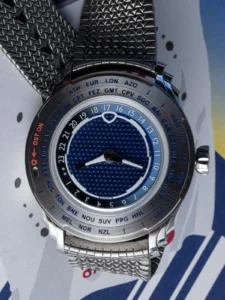
In a truly unprecedented and perhaps whimsical turn, the luxury watchmaker Ulysse Nardin introduced an ambassador whose species is far removed from the traditional human celebrity: Andromache, a shark. In 2020, Ulysse Nardin officially named this formidable marine creature an ambassador, a move that, while seemingly a publicity stunt at first glance, represented a sincere effort to draw attention to critical ocean conservation issues.

The initiative was intrinsically linked to OCEARCH, a non-profit organization dedicated to tracking the health and movements of marine life. As part of OCEARCH’s research, Andromache, a Great White Shark, was temporarily tagged. This brief capture, lasting approximately 15 minutes, allowed researchers to affix a digital tracker that provides invaluable data on her health, migratory patterns, and the overall viability of her ocean habitat. Ulysse Nardin leveraged OCEARCH’s groundbreaking work as a cornerstone of its marketing strategy, aligning its brand with a commitment to marine preservation and the protection of endangered ocean ecosystems.
The appointment of a shark as a brand ambassador is a bold and unconventional statement, one that undoubtedly garners attention and sparks conversation. It serves as a powerful metaphor for the wild, untamed, and vital nature of the oceans, aligning with Ulysse Nardin’s own heritage, which is deeply rooted in maritime exploration and innovation. By associating its brand with a creature at the apex of the marine food chain, Ulysse Nardin positions itself as a protector of the natural world and a champion for the health of our planet’s oceans. This campaign highlights a growing trend among luxury brands to integrate corporate social responsibility and environmental advocacy into their core marketing narratives. The appointment of Andromache underscores the potential for brands to utilize unique and attention-grabbing methods to raise awareness for important causes, demonstrating that an ambassador does not necessarily need to be human to effectively convey a message of purpose and commitment. The long-term implications of such a campaign lie in its ability to inspire a broader audience to consider the impact of human activities on marine environments and to support organizations dedicated to their preservation.