The world of watch collecting is often defined by its iconic pieces, those timekeepers that transcend mere utility to become cultural touchstones. For many enthusiasts, the Seiko SKX dive watch occupies such a hallowed ground. While not a Swiss luxury item, its accessible price point, robust construction, and distinctive design cemented its status as a gateway to the mechanical watch hobby. This article delves into the enduring legacy of the SKX, specifically focusing on the often-overlooked SKX173, and explores a new contender that seeks to fill its void: the Caravelle by Bulova Sea Hunter.
The Unassuming Powerhouse: Seiko’s SKX Legacy
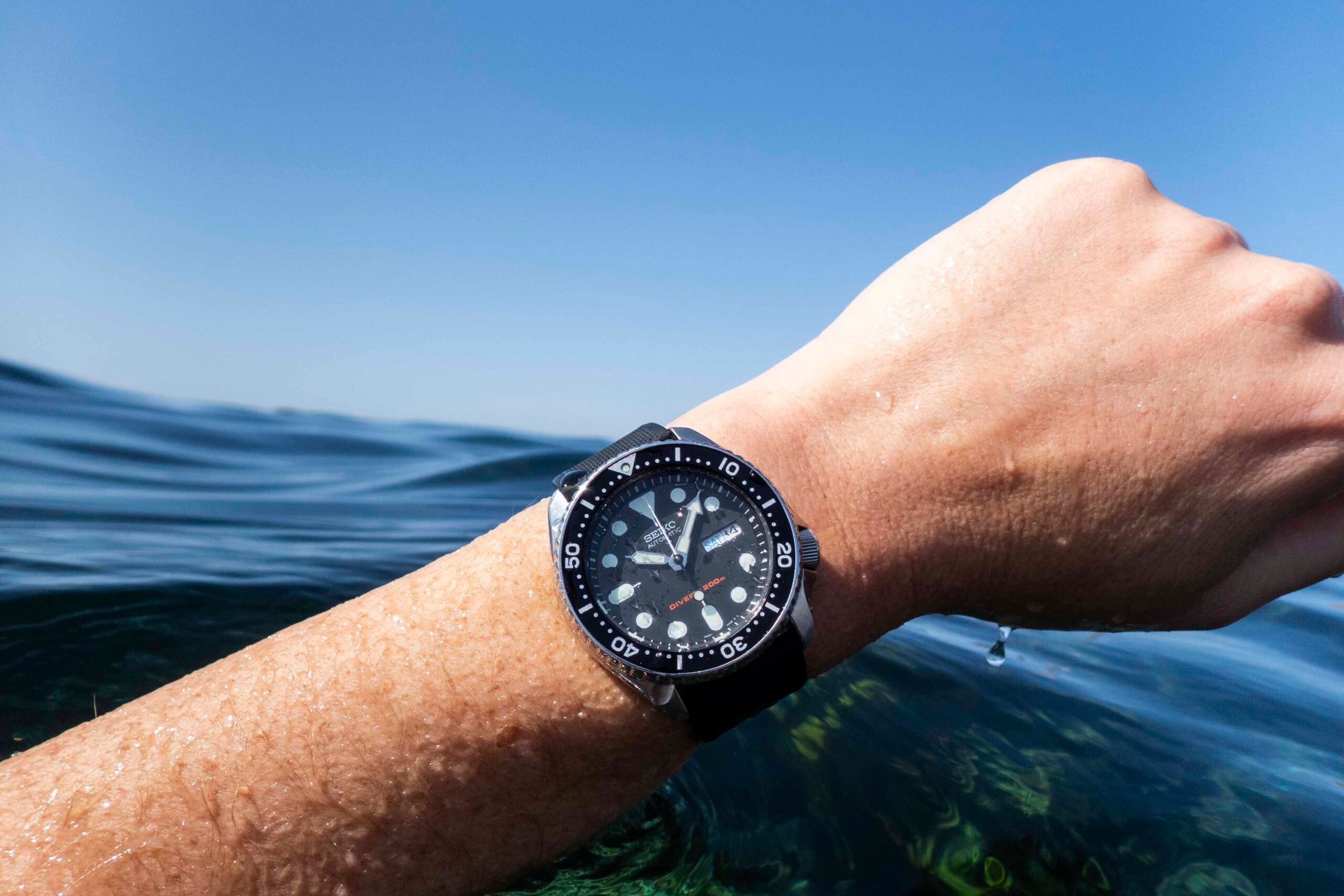
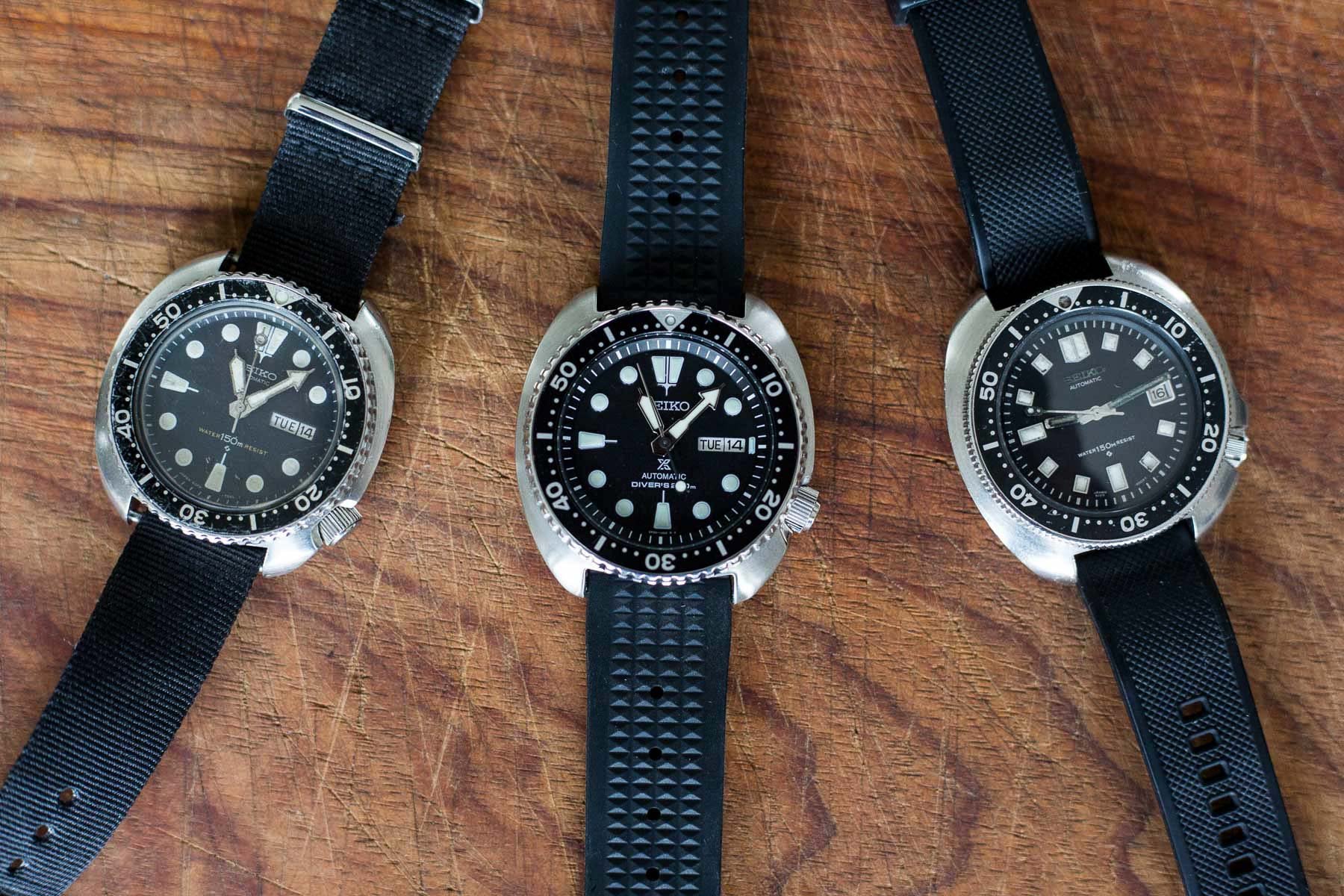
The Seiko SKX series, particularly the widely recognized SKX007 and SKX009 models, became synonymous with affordable, reliable automatic dive watches. Discontinued in recent years, these timepieces were not born in opulent Swiss ateliers. Instead, they emerged from a utilitarian ethos, typically arriving in a simple cardboard box, often accompanied by a functional rubber strap or a basic metal bracelet. Their appeal lay not in lavish packaging or storied craftsmanship, but in their inherent capability and value. They represented an honest approach to watchmaking, offering a true 200-meter water-resistant dive watch with a screw-down crown and unidirectional bezel at a price point that democratized the ownership of mechanical dive watches.
The discontinuation of the SKX line left a significant gap in the market, particularly for new enthusiasts seeking their first "real" automatic diver. Seiko has since introduced the 5 Sports line, which offers a broader range of dial designs and aesthetics, including the "SKX Sports Style" models. However, these newer iterations often feature reduced water resistance (100 meters) and lack the screw-down crown of their predecessors, altering the fundamental tool-watch character that defined the SKX. This shift has led many to look for alternatives that can capture the spirit and utility of the original SKX.
The Underrated Gem: The Seiko SKX173
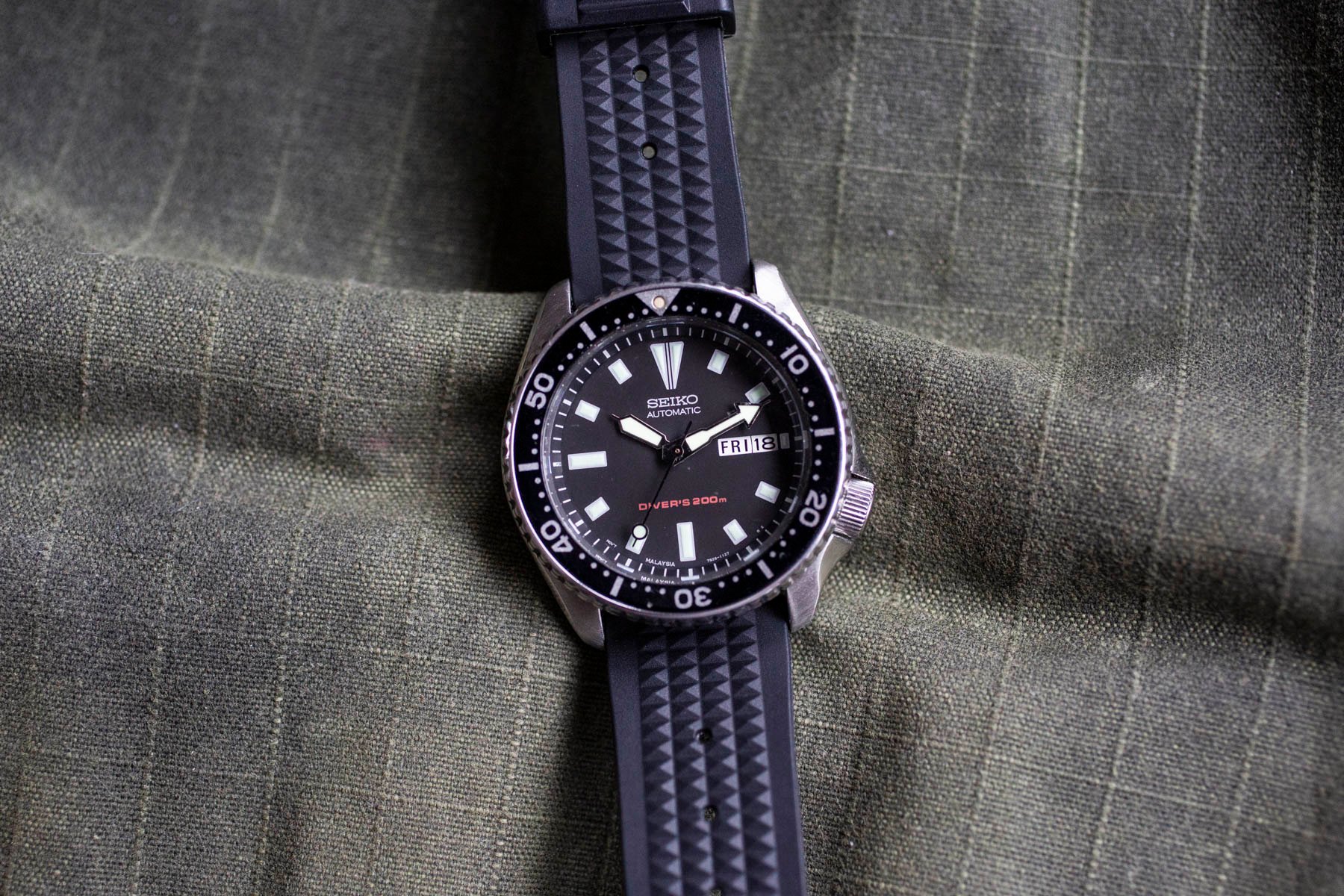
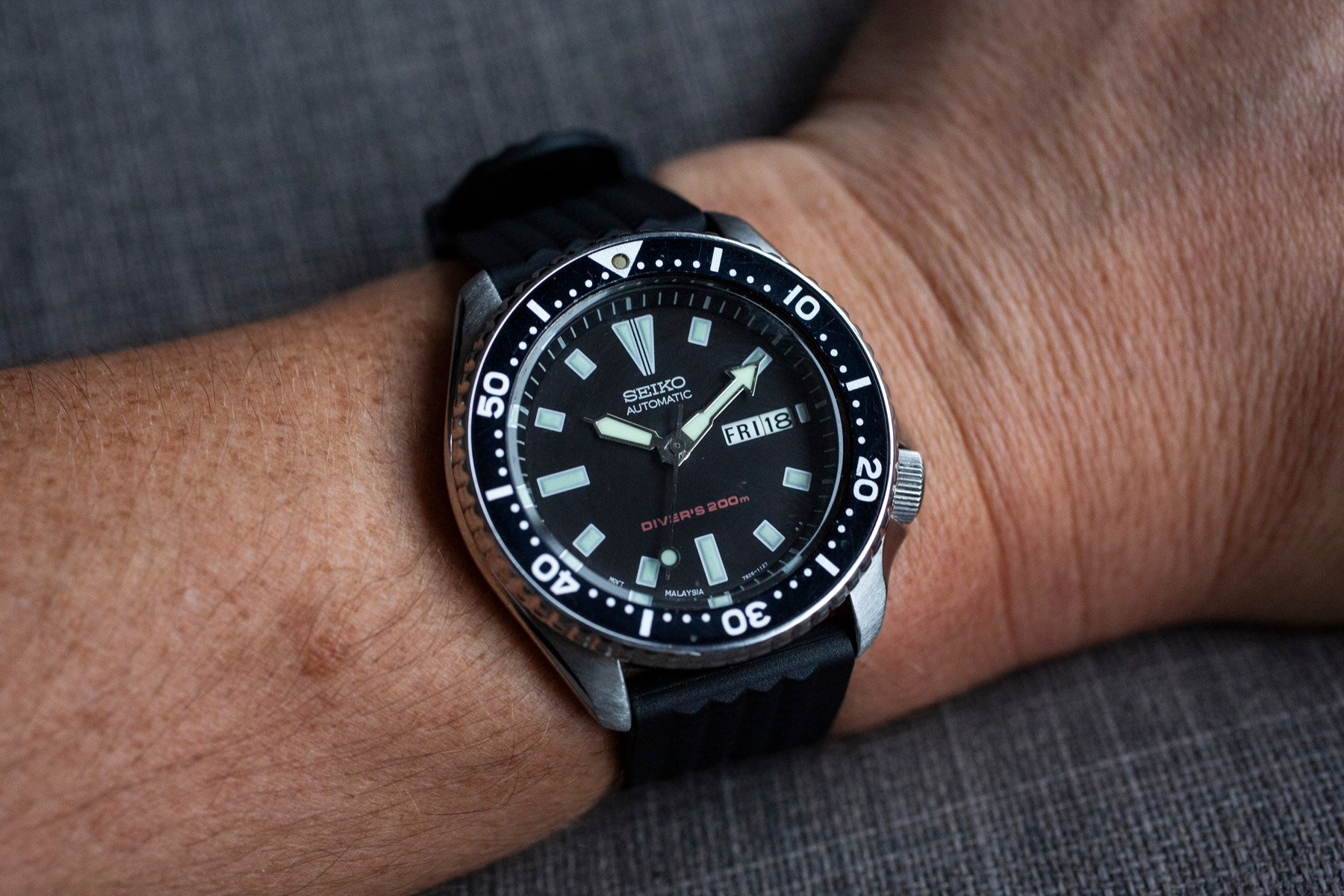
While the SKX007 and SKX009 often steal the spotlight, the Seiko SKX173 represents a compelling, albeit less celebrated, variant that deserves greater recognition. Visually, the SKX173 shares nearly identical specifications with its more famous siblings. It boasts the same 42mm stainless steel case, a 13mm thickness, and a 20mm lug width. At its heart lies the robust Seiko 7S26 automatic movement, a reliable 21-jewel workhorse operating at 21,600 vibrations per hour, offering approximately 40 hours of power reserve. It features 200-meter water resistance, a screw-down crown, and a unidirectional rotating bezel, all protected by a Hardlex crystal – a material that has become a characteristic element of the SKX series, polarizing some and endearing it to others.
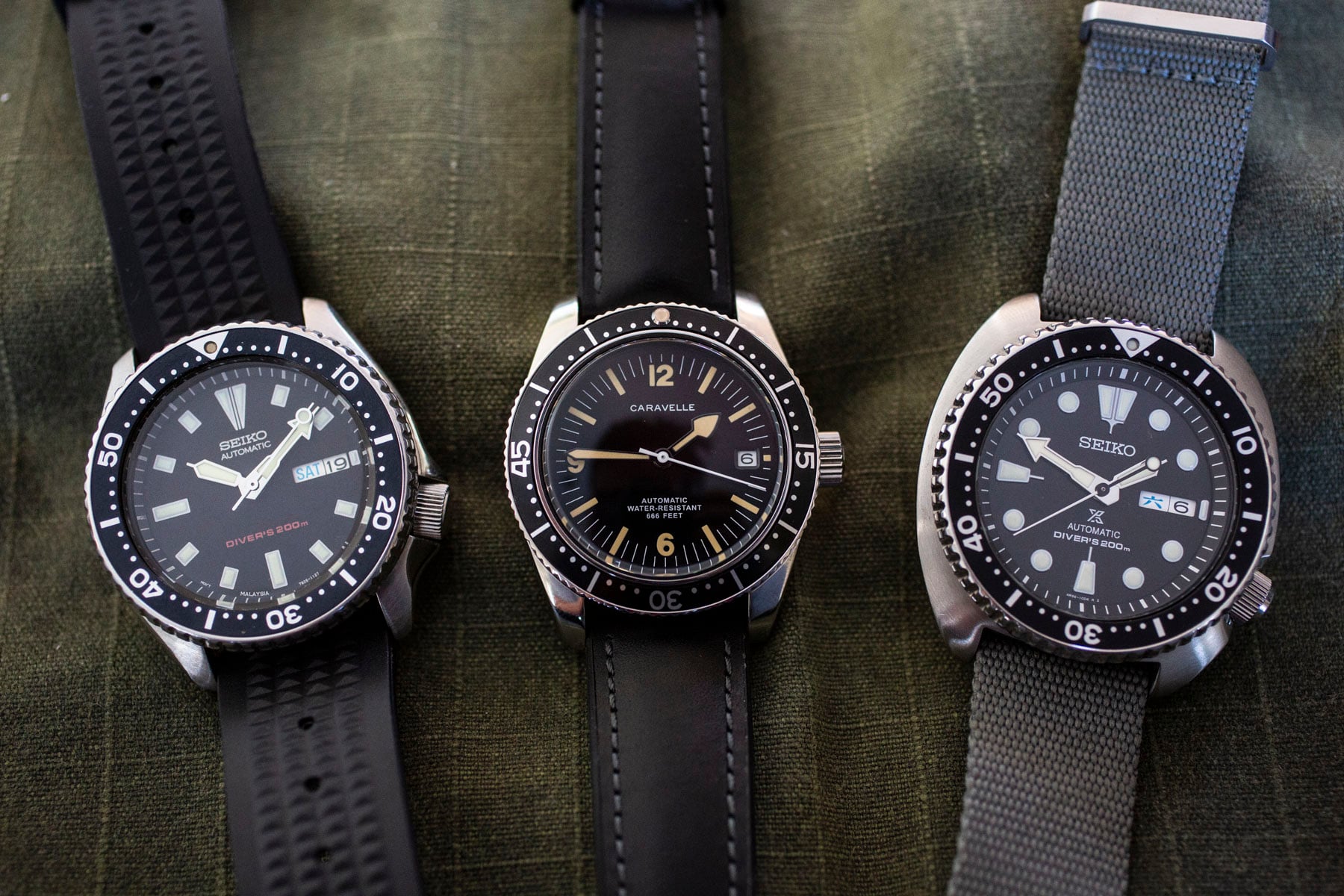
The true differentiator of the SKX173 lies in its dial. Where the SKX007 and SKX009 feature familiar circular lume plots, the SKX173 adopts a more historically resonant aesthetic. Its dial is adorned with rectangular hour markers and a distinct, tall, narrow trapezoidal index at the 12 o’clock position. This design choice evokes a military-watch-inspired sensibility, drawing a direct lineage back to earlier Seiko tool watches like the iconic 6105. This dial treatment offers a more purposeful and less generic appearance, reflecting a period when Seiko focused on creating watches that simply performed, unburdened by the demands of specific Western market preferences. The dial itself presents as a deep gray rather than pure black, with white markings and hands, punctuated by a subtle light green hue. The only splash of color appears in the "Diver’s 200m" text at the bottom, adding a touch of visual interest.
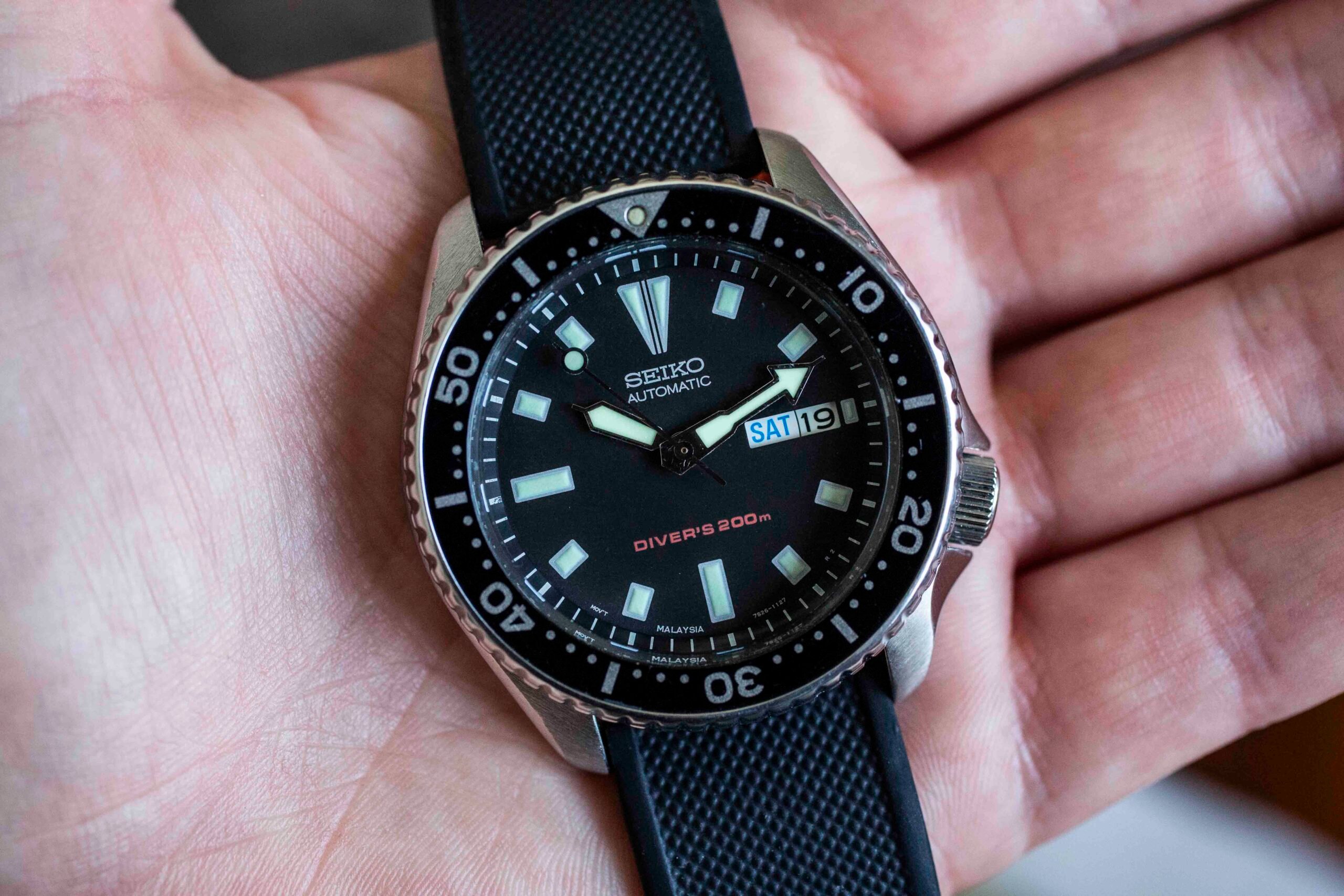
The 7S26 movement, while a paragon of durability, is not known for its precision. Owners can expect an accuracy range of approximately -20 to +40 seconds per day, which is standard for this caliber. It lacks modern amenities such as hacking seconds (the ability to stop the second hand for precise time setting) and manual winding. However, its legendary resilience ensures it can withstand decades of use, embodying the true spirit of a tool watch – built to serve, not to be pampered. The SKX173, in this regard, is a tool watch that unabashedly looks the part, a rarity in today’s market.
The Evolution of the Gateway Watch: The Seiko Turtle SRPE93
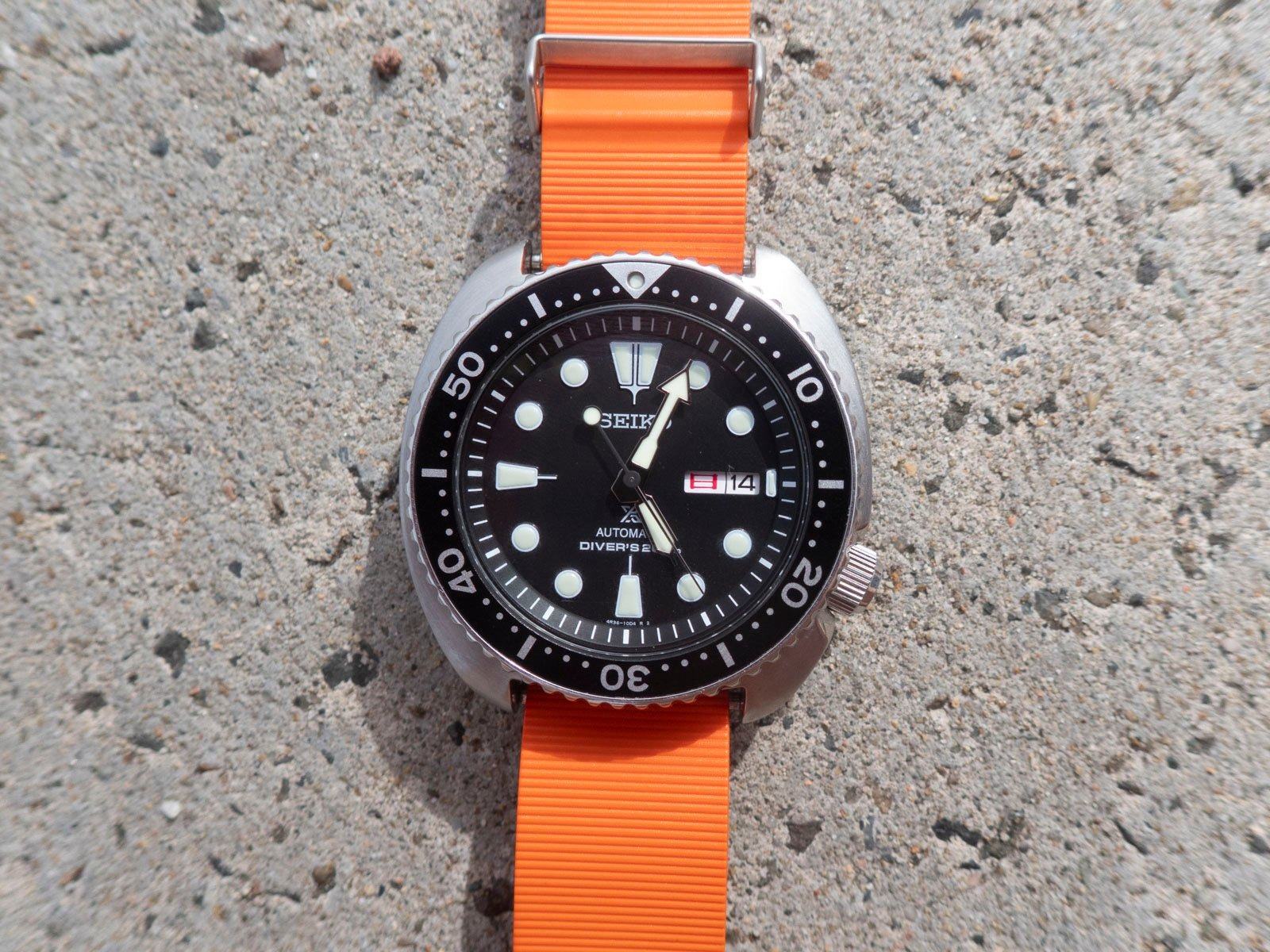
The discontinuation of the SKX line, coupled with the introduction of the Seiko 5 Sports series, shifted the brand’s focus. The Seiko Turtle, specifically the SRPE93 model, has emerged as the de facto successor to the SKX’s role as the brand’s cornerstone affordable, heritage-driven dive watch. The Turtle is a reinterpretation of the classic Seiko 6309, a watch revered for its robust design and reliability.
The SRPE93 retains the essential dive watch DNA: a substantial case, a rotating bezel, and the signature Seiko lume, renowned for its exceptional brightness and longevity. Crucially, it features a proper screw-down crown and 200-meter water resistance, specifications that were absent in the de-specced Seiko 5 models. Powering the Turtle is the 4R36 caliber, an upgrade from the 7S26, offering both hacking seconds and manual winding capabilities. This enhanced functionality, combined with its undeniable heritage and excellent value proposition, has firmly established the Seiko Turtle as a primary recommendation for those seeking a modern dive watch with a connection to Seiko’s storied past. As one industry commentator, Cole Pennington (formerly of Hodinkee, now at Tudor), aptly described the experience of handling a Seiko Turtle, it’s as if the Quartz Crisis "never happened," signifying a return to robust, affordable mechanical timekeeping.
The Unexpected Challenger: Caravelle by Bulova Sea Hunter
In a surprising turn of events, a revived heritage model from Caravelle, a brand historically positioned as Bulova’s accessible American-market offering, has entered the arena. The Caravelle by Bulova Sea Hunter reissue is a direct nod to the highly sought-after 1969 "Devil Diver" reference, celebrated for its distinctive aesthetic and impressive 666-foot (approximately 200 meters) water resistance. This move by Bulova, now under the ownership of the Citizen Group, signals a strategic play to capture a segment of the market traditionally dominated by Japanese brands.
The Sea Hunter reissue presents a compelling vintage-inspired design. It features a black dial with an oversized minute track, retro Arabic numerals at the 12, 6, and 9 o’clock positions, and quirky handset with a spade-tipped hour hand and a sword-shaped minute hand. The aged lume treatment, while divisive, contributes to a lived-in, authentic vintage appeal, eschewing the artificial patina often found on fashion-oriented watches. The dial is framed by a 39mm case, making it slightly more compact than the SKX173 and potentially more comfortable for a wider range of wrists.
Under the hood, the Sea Hunter is powered by the Miyota 8215 automatic movement, a reliable 21-jewel caliber with hacking seconds, a date function, and a 42-hour power reserve. Accuracy is rated at -20 to +40 seconds per day. The inclusion of hacking seconds represents a tangible improvement over the SKX’s 7S26, offering greater precision in time setting. The Sea Hunter is priced competitively, often found in the $280-$375 range, placing it directly in the path of the SKX’s former territory and directly alongside the Seiko Turtle.
The Distribution Dilemma: A Crucial Factor
While the Caravelle Sea Hunter possesses many of the qualities that made the Seiko SKX so successful – heritage, an appealing design, and competitive pricing – its ultimate impact hinges on a critical factor: distribution. The ubiquity of the Seiko SKX was instrumental in its widespread adoption. Available at authorized Seiko retailers globally, department stores, and major online platforms, it was easily accessible to anyone seeking an affordable mechanical dive watch. This broad availability fostered organic growth and established the SKX as the default recommendation for newcomers.
The Caravelle Sea Hunter’s distribution, while growing, does not yet match the SKX’s former reach. Available through Bulova’s website, select authorized dealers, and platforms like Amazon and the Windup Watch Shop, it represents a solid start. However, questions remain about its long-term penetration into the broader retail ecosystem. Will it appear in independent watch boutiques alongside Seiko’s current offerings? Can it foster a dedicated community of owners who will, in turn, recommend it to others? The brand’s historical positioning as an entry-level line under Bulova, and now Citizen, means it may lack the institutional weight and brand recognition that Seiko commands in the affordable automatic watch segment.
The SKX173, in its time, sold itself through word-of-mouth, online forums, and YouTube reviews, amplified by its sheer presence in the market. The Caravelle Sea Hunter has generated significant initial enthusiasm among watch enthusiasts. The true test will be its ability to transcend this niche and reach a wider audience. Its success will determine whether Caravelle has truly recaptured a piece of the SKX’s legacy or simply produced a well-regarded watch that appeals primarily to collectors.
Comparative Analysis: Turtle vs. Sea Hunter
In the current landscape, the Seiko Turtle SRPE93 and the Caravelle Sea Hunter are natural competitors, both vying for the mantle of the SKX’s spiritual successor. The Turtle, with its direct lineage to the beloved 6309 and its robust 4R36 movement, offers a slightly higher price point but a perceived edge in build quality and lume performance. Its bezel action is often cited as superior, and its overall construction feels more substantial.
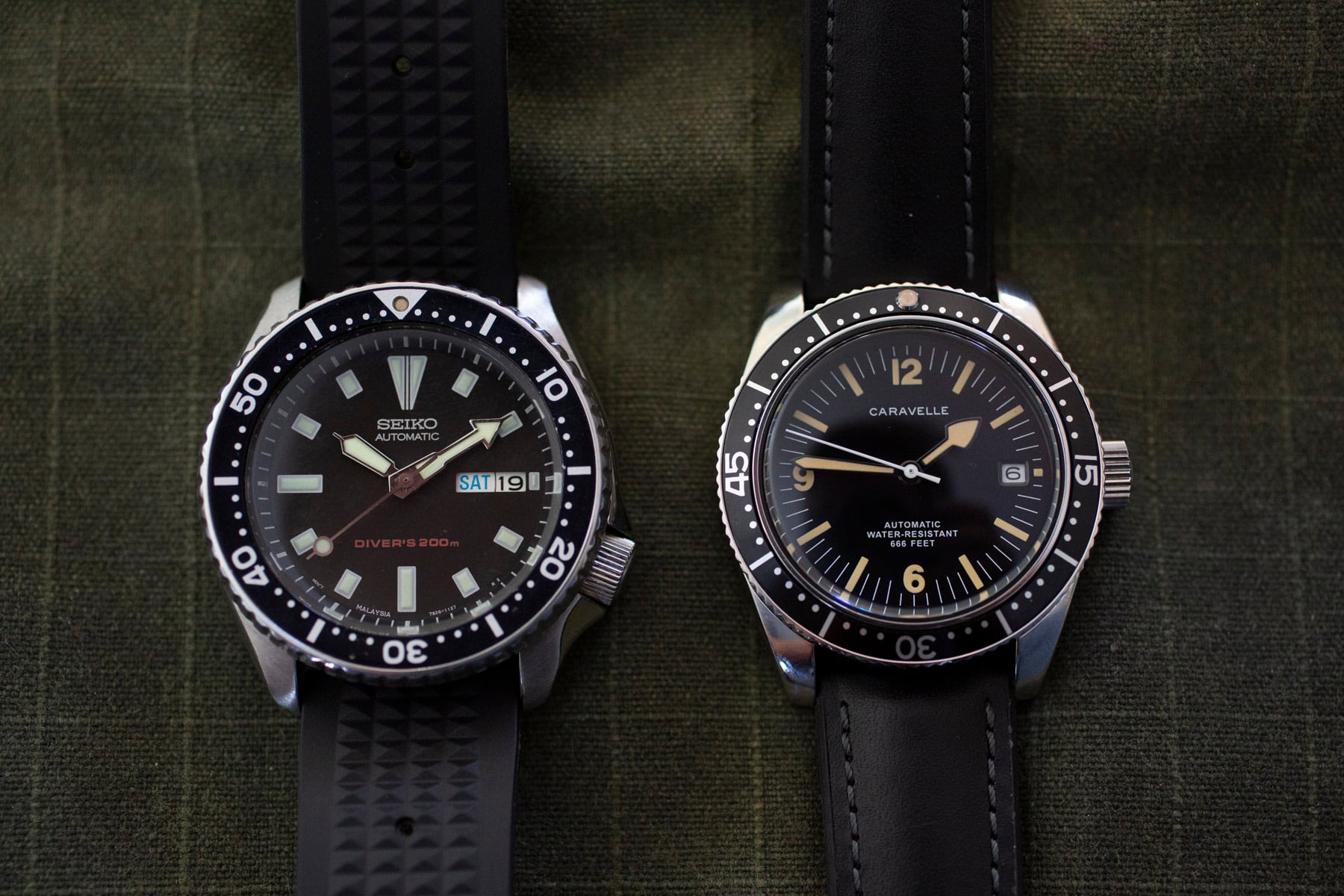
However, the Caravelle Sea Hunter shines in its sheer versatility. Its design, while vintage-inspired, possesses a modern elegance that allows it to transition seamlessly from casual outdoor activities to more formal settings. This adaptability, coupled with its competitive pricing and enhanced movement features like hacking seconds, makes it a formidable contender. While the Seiko Turtle may hold a slight advantage in terms of raw build and lume, the Caravelle Sea Hunter offers a compelling blend of style, historical significance, and modern functionality that could resonate deeply with a broad spectrum of watch wearers.
The Future of Accessible Dive Watches
The Seiko SKX, in its various forms, carved out an indispensable niche in the watch world, serving as an accessible entry point into the realm of mechanical dive watches. The SKX173, with its distinctive dial, stands as a testament to Seiko’s heritage of creating functional, no-nonsense tool watches. While the Seiko Turtle has effectively absorbed much of the SKX’s market role, the Caravelle by Bulova Sea Hunter presents a genuinely exciting challenger. Its success will depend not only on its inherent merits – which are considerable – but also on its ability to achieve widespread distribution and foster a community of enthusiasts who will champion it to newcomers. If Caravelle can replicate the SKX’s ubiquity, the Sea Hunter has the potential to become the next great gateway watch, offering a blend of history, style, and performance that appeals to both seasoned collectors and those embarking on their horological journey. The watch world watches with anticipation.