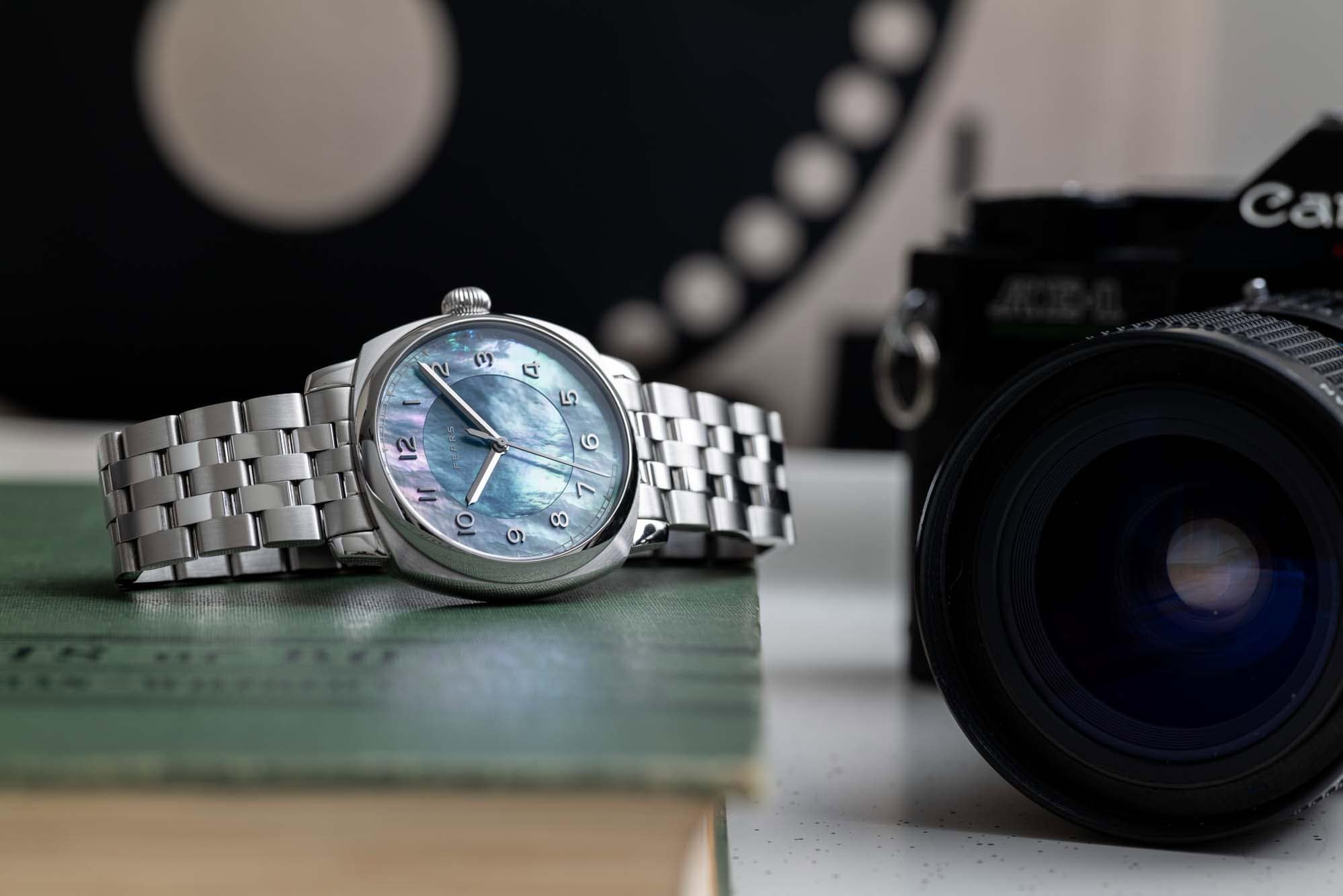
October 2023 marked a pivotal moment in the contemporary watch enthusiast calendar with the return of Windup Weekend to New York City. The Altman Building, a familiar venue in Chelsea, once again played host to a congregation of collectors and industry aficionados, all eager to witness the latest offerings from a diverse array of horological brands. Amidst the bustling halls, a particular debut from Fears, the Brunswick Aurora, captured the attention of many, including this publication’s correspondent. This particular timepiece distinguished itself not merely through its familiar 40mm Brunswick case, but more significantly through its dial, a composition of multiple pieces of exceptionally dynamic mother-of-pearl. This aesthetic choice, described as among the most evocative ever seen, signaled a potential inflection point, leading to a personal acquisition and subsequent detailed review of the watch’s ownership experience. The Brunswick Aurora, since its unveiling, has remained a frequently worn and cherished piece, serving as a personal benchmark for innovative dial design.
The Genesis of a Trend: From Novelty to Saturation
In retrospect, the Fears Brunswick Aurora appears to have been a harbinger of a significant shift in watch dial aesthetics. While the use of mother-of-pearl and other natural stone materials in watchmaking is not entirely novel, having seen periods of popularity in earlier eras, the Aurora’s striking execution and its introduction at a prominent industry event catalyzed a broader awareness and subsequent adoption of these materials. The period following October 2023 witnessed an unprecedented surge in watches featuring mother-of-pearl and various stone dials. This proliferation has been observed across a wide spectrum of brands, from independent microbrands to established maisons, and across nearly every conceivable price point, leading to a market saturation that is arguably unparalleled in recent watch industry history.

The historical trajectory of stone dials in watchmaking can be traced back to the mid-20th century, with notable examples appearing in luxury timepieces. The appeal lay in the inherent uniqueness of each natural material, offering a distinct visual texture and color that metal or enamel dials could not replicate. Mother-of-pearl, in particular, with its iridescent shimmer, has long been associated with elegance and luxury. However, the recent wave of stone dials, while sometimes executed with artistic flair, has increasingly been perceived by industry observers as a trend driven by accessibility and market opportunism rather than pure innovation.
The "Groovy Era" Revisited: Market Dynamics and Consumer Fatigue
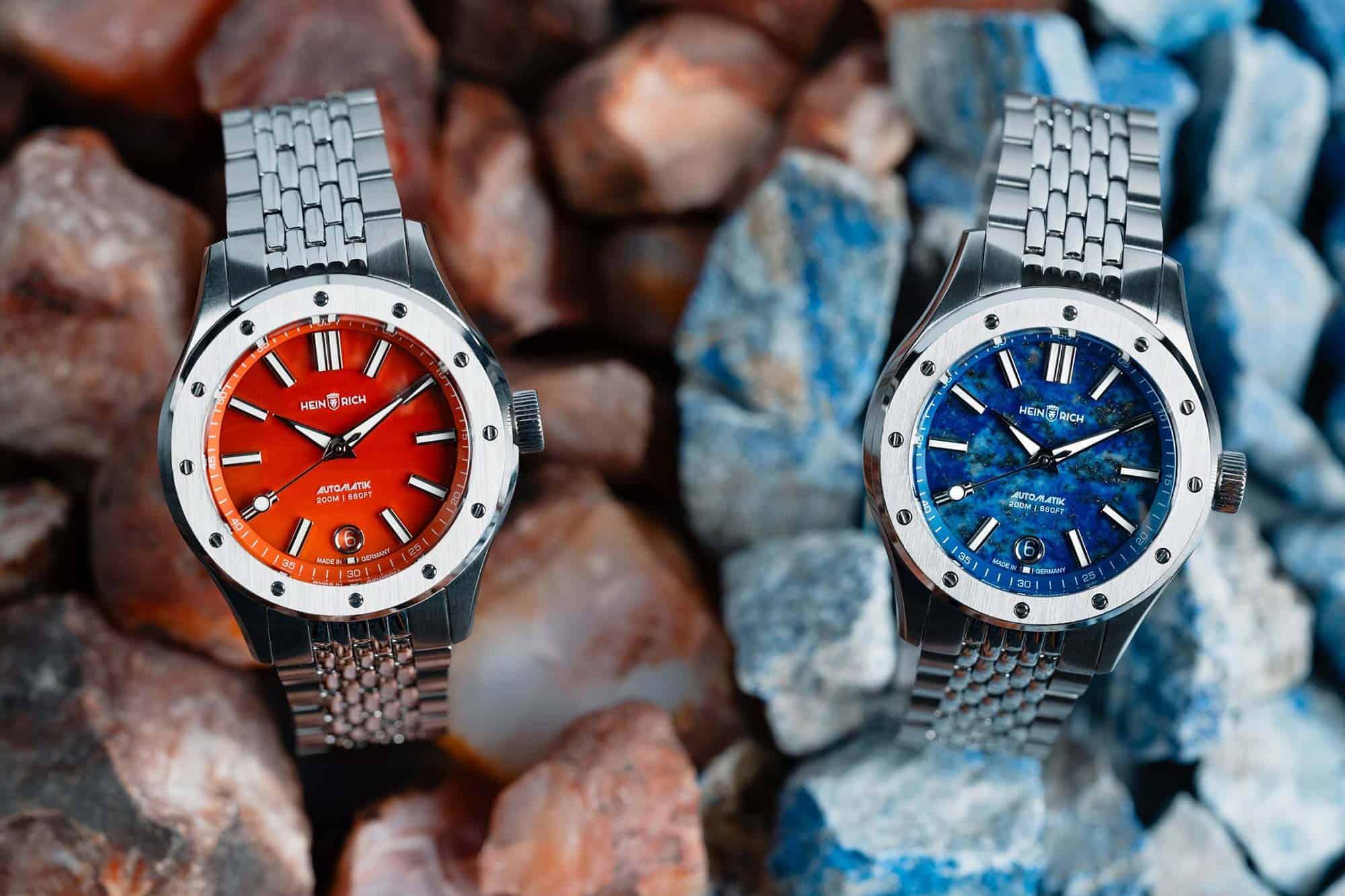
The current market dynamic surrounding stone dials evokes a sense of déjà vu, reminiscent of past design trends that experienced rapid adoption and subsequent decline. The ease with which many natural stones, such as lapis lazuli, tiger’s eye, onyx, and various shades of agate, can be sourced and processed for watch dials has contributed to their widespread availability. This accessibility has, in turn, facilitated their incorporation into new watch releases as a seemingly straightforward method for brands to differentiate their offerings and tap into a perceived consumer demand.
Data from market analysis firms specializing in the luxury goods sector indicates a significant uptick in the production and marketing of watches featuring natural stone dials since 2022. While precise figures are proprietary, anecdotal evidence from industry trade shows and retail reports suggests that over 20% of new watch introductions across the independent and mid-tier luxury segments have featured some form of stone or mother-of-pearl dial in the past two years. This rapid diffusion has, for some, diminished the initial allure of these materials.
The argument for increased consumer choice is valid; a wider variety of dial options, including those derived from natural materials, can indeed be seen as a positive development for consumers. However, the sheer volume and the often perfunctory application of these dials have led to a phenomenon of "trend fatigue." For seasoned enthusiasts and watch journalists alike, the constant influx of similar-looking stone dials has begun to feel repetitive. This oversaturation risks diluting the unique appeal of these natural materials and could potentially alienate the very collectors who were initially drawn to their distinctive character.
Critiquing the Trend: Authenticity vs. Commoditization
While the aesthetic appeal of a well-executed stone dial remains undeniable, the current market landscape raises questions about the authenticity and creativity behind their widespread adoption. In many instances, the use of inexpensive, readily available stones in mass-produced watches, coupled with significant markups, suggests a strategy focused on leveraging a popular trend for profit rather than a genuine exploration of material innovation. This approach effectively amounts to what some critics term "sub-leasing creativity to mother nature," relying on the inherent beauty of the material and the power of social media algorithms to drive sales.
The rhetorical question posed by Phil Toledano of Toledano & Chan, regarding the creativity involved in simply selecting a stone from a catalog, highlights a critical concern within the industry. Toledano & Chan, a brand that could have easily capitalized on the stone dial trend, instead pivoted towards developing unique dial finishes like their solid gold ripple dial for the B/1.3R. This decision, informed by an observation that stone dials had become a commodity for smaller brands, underscores a desire for genuine design innovation. This strategic departure signals a commitment to pushing creative boundaries rather than adhering to prevailing market diktats.

Brands Navigating the Stone Dial Landscape
Despite the prevailing trend, certain brands have demonstrated a more nuanced and authentic approach to incorporating stone dials into their collections. These entities often exhibit a deeper understanding of the materials, integrating them thoughtfully within a cohesive design language and historical context.
-
Dennison: This brand, with its aesthetic deeply rooted in the 1970s, a period when stone dials experienced their initial surge in popularity, has successfully resurrected this material in a manner that feels both authentic and contextually relevant. Their approach honors the historical significance of stone dials while presenting them in a contemporary framework.
-
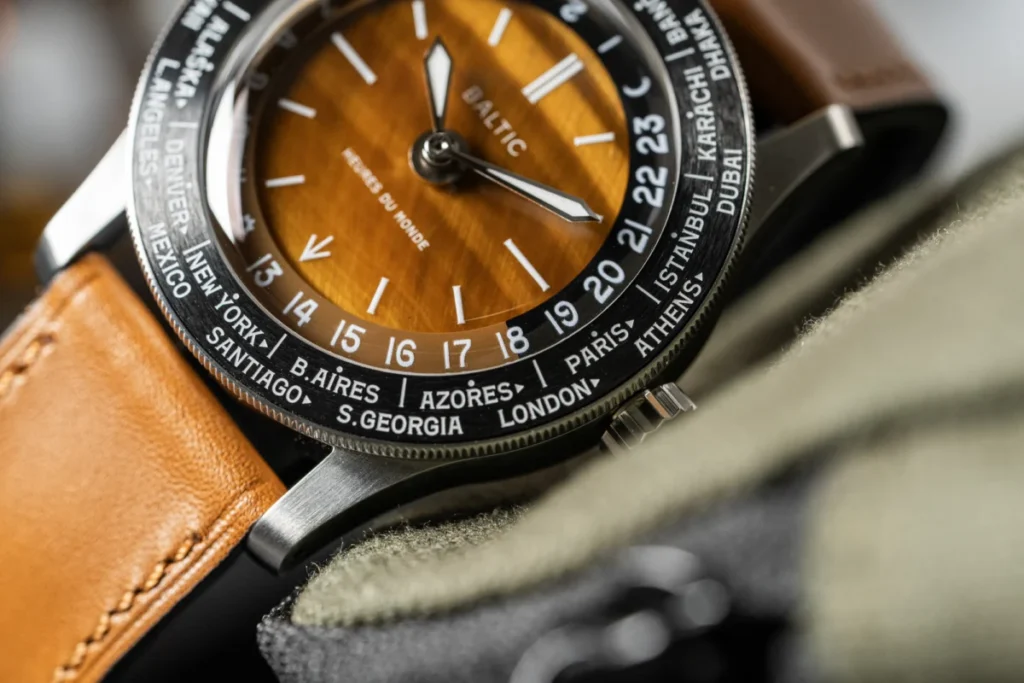
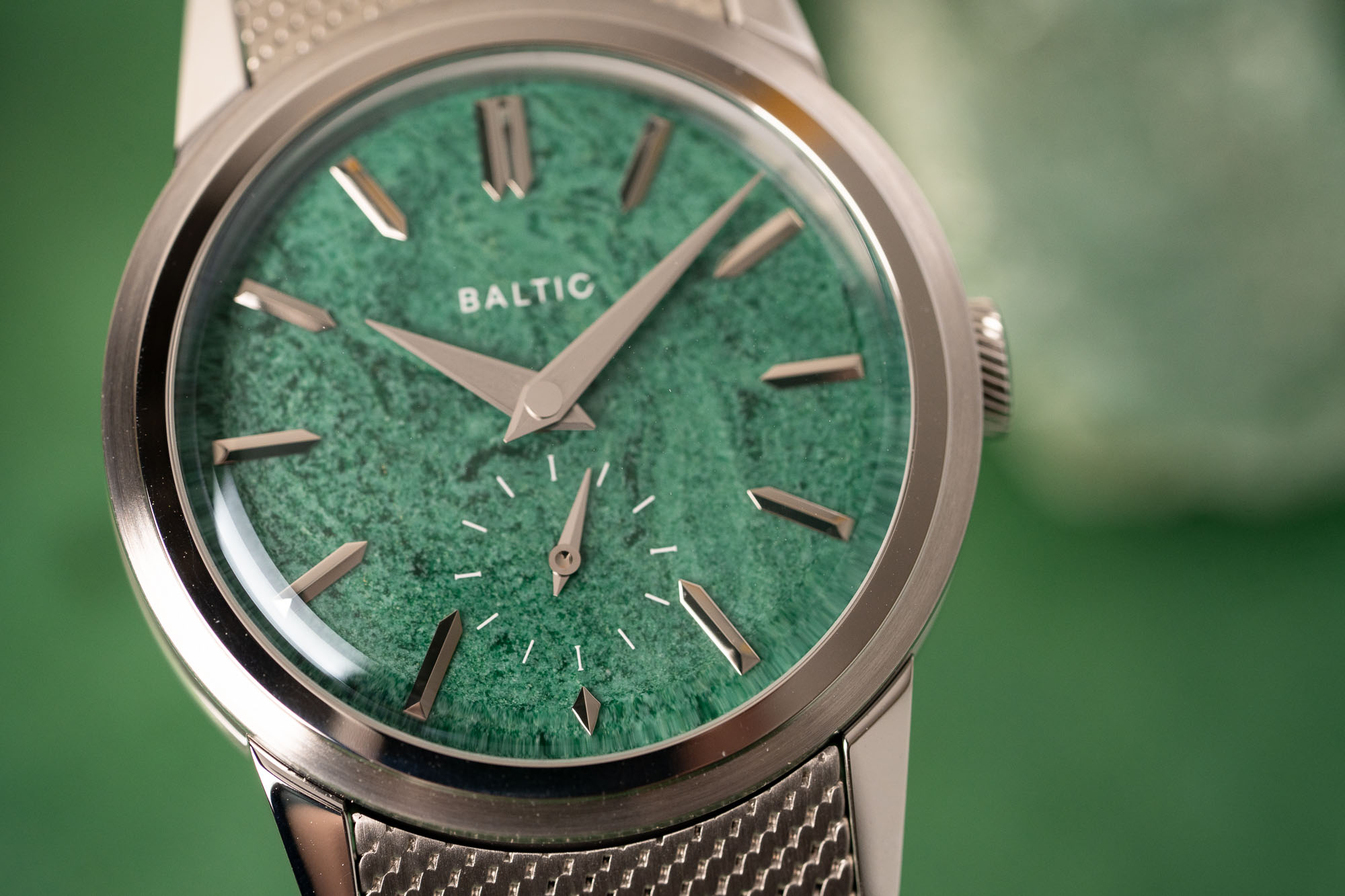
Baltic: Known for its vintage-inspired timepieces, Baltic has skillfully integrated stone dials into its offerings, particularly within the Prismic collection. Their use of materials like Tiger’s Eye and Jade in these watches complements their retro design ethos, creating harmonious and visually appealing timepieces that resonate with collectors seeking a nod to historical watchmaking trends.
-
Atelier Wen: This emerging brand has also garnered attention for its innovative use of materials. While not exclusively a "stone dial brand," their pieces, such as the Perception featuring a Pietersite dial, showcase a commitment to unique dial finishes that often incorporate natural elements, demonstrating a thoughtful and artistic integration that sets them apart.
The "Hublot Effect": Seeking Antidotes to Sameness
In an industry often characterized by a herd mentality, where brands chase similar trends and customer bases, a notable discussion emerged regarding the approach of brands like Hublot. In a recent newsletter by Stephen Pulvirent and Justin Hast, the provocative assertion that "More brands should be like Hublot" served as a catalyst for reflection. While the specific context of stone dials was not directly addressed, Pulvirent’s defense of Hublot’s willingness to be different and to forge its own path resonates with the current discourse surrounding over-saturation.
Hublot’s strategy, often characterized by bold material choices, unconventional designs, and a willingness to eschew traditional horological norms in favor of innovation and "disruptive" aesthetics, can be seen as an antidote to the homogeneity that can plague the watch market. While their approach is not universally embraced, their commitment to distinctiveness provides a valuable contrast to the prevailing trend-following behavior observed in other segments of the industry.
The specter of the stone dial, at this juncture, represents a significant form of this pervasive "sameness." While the exact "antidote" to this particular trend remains to be definitively identified, the underlying principle of seeking originality and embracing creative divergence is a crucial takeaway. The watch industry, in its pursuit of innovation and market relevance, stands at a crossroads. The enduring appeal of watchmaking lies not just in its technical prowess, but also in its capacity for artistic expression and genuine innovation. As the industry navigates the proliferation of trends like the stone dial, a renewed focus on originality and authentic design is paramount to fostering sustained enthusiasm and preserving the unique character of horology. The question remains: what will be the next wave, and will it be driven by genuine creativity or simply another iteration of a fleeting fashion?