The crisp autumn air, marked by the emergence of Halloween pop-ups and the comforting scent of pumpkin spice beverages, signals a definitive shift in seasons. For many, this transition involves tucking away summer essentials and embracing new routines. For watch enthusiasts, it often means re-evaluating their wristwear. This period has seen a particular focus on the Straum Jan Mayen line, specifically the "Stormy Seas" and the more recently reviewed "Frozen Metal" titanium variants. These watches, born from a collaboration between Norwegian brand Straum and The Real Time Show podcast, have garnered significant attention for their robust construction, unique dial artistry, and their embodiment of an adventurous spirit.

A Summer of Firsts and Adventures with the Straum Jan Mayen
The author’s personal journey with the Straum Jan Mayen "Stormy Seas" began in late May, following a three-month delay attributed to production issues with its rubber straps. This initial experience marked several "firsts" for the wearer: the first pre-ordered watch, the first Straum timepiece, the first watch experienced on a rubber strap, the first titanium case, and the first integrated bracelet. The decision to pre-order, despite reservations about the business practice, was influenced by a prior appreciation for Straum’s aesthetic, particularly a limited edition Jan Mayen released with Fratello in Spring 2023. The allure of its "fiery red dial" and positive feedback on bracelet comfort had been noted. A brief encounter with a pre-production "Stormy Seas" model at Windup NYC in 2025 solidified the desire, leading to a purchase intended to commemorate a recently completed film project.
Upon arrival in late May, just before a family trip to Florida, the watch immediately proved its mettle. The included rubber strap, with clear instructions for sizing, allowed for immediate wear. Within 12 hours, it was in a swimming pool, and later that week, it experienced its first taste of saltwater. The watch’s shock-proofing was tested on a golf course in Idaho, and it even played a symbolic role in cheering for Norway during a significant international football match, an event attended by the author through a client connection of his wife. The experience of witnessing Norway’s victory over Brazil, with a stadium echoing with chants, underscored the watch’s ability to be a silent, yet present, companion during memorable moments. This extensive summer wear solidified the author’s appreciation for both rubber straps and titanium cases, elements he had not previously favored.

Design Philosophy and Technical Specifications
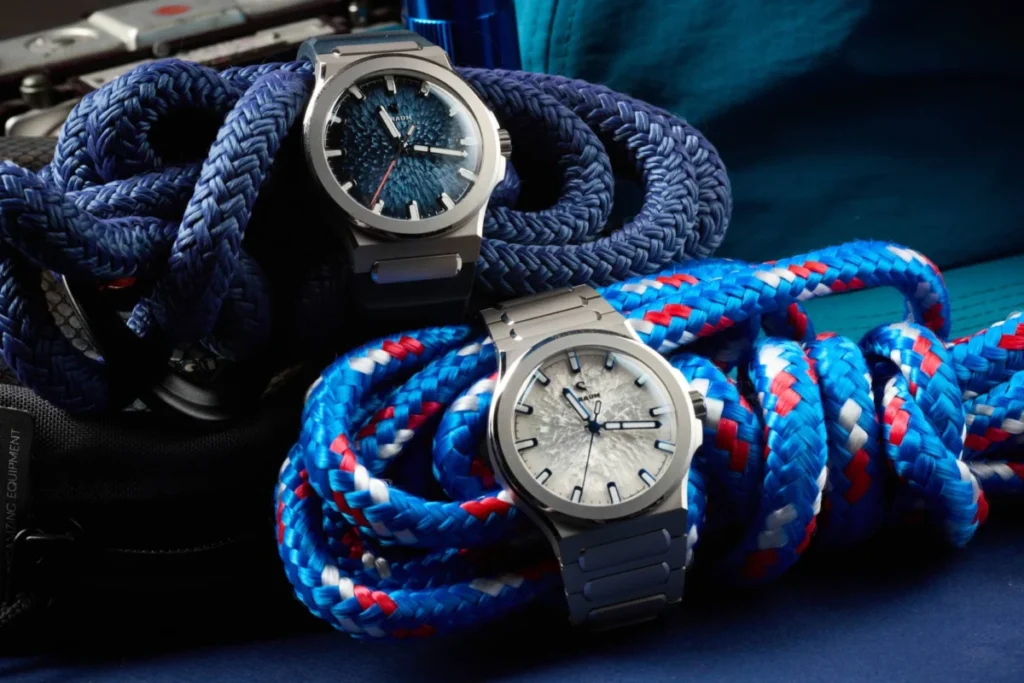
Straum’s design philosophy appears to be deeply rooted in the natural landscapes of Norway. The "Stormy Seas" dial, an oceanic blue, features intricately carved miniature waves, a detail that captivates under varying light conditions. The fluorescent second hand, a bright contrast against this textured backdrop, adds a dynamic visual element. The applied "S" logo above the printed "Straum" on the dial is another subtle detail that catches the light, enhancing the watch’s overall visual appeal.
The "Stormy Seas" boasts a 38.7mm titanium case, positioned by the author as an ideal size, bridging the gap between his preferred smaller 38mm Hamilton Khaki Field and his perceived "huge" 42mm Oris BC3 Advanced Day Date Black PVD. This compact size, combined with the lightweight nature of titanium, contributes to a feeling of unobtrusiveness, ideal for a watch intended for global adventures. The case features a screw-down crown and 100 meters of water resistance, essential requirements for the author’s use. Notably, the case undergoes an additional hardening process, reaching 1200 Vickers, making it highly resistant to scratches. This contrasts with the author’s other robust daily wearers, a Hodinkee Hamilton Khaki Field Limited Edition and the Oris BC3, which are less concerned with minor abrasions.

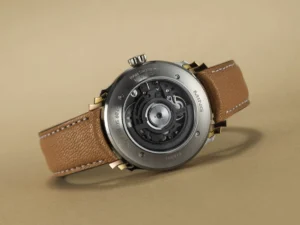
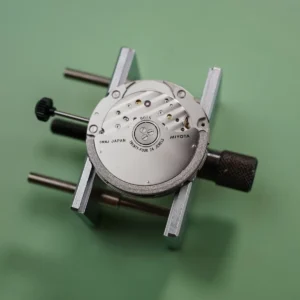
The watch is powered by the time-only, automatic La Joux-Perret G101 movement, offering a 68-hour power reserve. While appreciated for its reliability and time-only functionality (a preference for the author who dislikes setting day/date complications), the author expresses a slight reservation regarding the movement’s visibility through a display caseback. Given the watch’s target audience of explorers, he suggests that a solid caseback and a slightly reduced thickness might be more practical, especially as the movement’s additional finishing is limited to the Straum "S" logo on the rotor.
Critiques and the Evolution of Straum’s Offerings
Despite the overwhelmingly positive experience, the author identifies a few areas for improvement. The perceived necessity of showcasing the La Joux-Perret movement through a display caseback is questioned, with a preference for a solid caseback to potentially reduce thickness. The lack of an engraving opportunity on the caseback is also noted, as the author collects watches to commemorate milestones.

A significant point of contention is the delayed release of a matching titanium bracelet for the Jan Mayen line. While the author received his "Stormy Seas" in May, the titanium bracelet was announced as a separate pre-order at the end of June, with an estimated shipping date in December. This meant that early adopters of the watch, like himself, were not able to immediately pair it with a titanium bracelet. Although Straum offered a discount to early supporters of the titanium Jan Mayen, it was time-limited, and the author missed the opportunity to handle the bracelet at Windup NYC before the price increased to $900. This delay in offering a complete titanium package, especially given the brand’s focus on adventure and exploration, is seen as a missed opportunity for a cohesive offering. The author emphasizes the desirability of a tool-free quick-release system for straps and bracelets, a feature present on the rubber strap and eventually on the titanium bracelet, which moves away from the need for springbar tools.
The "Frozen Metal" Titanium: A Complementary Vision
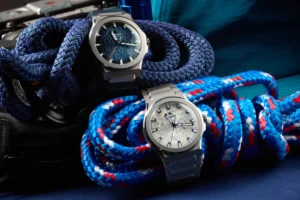
The arrival of the Straum Jan Mayen "Frozen Metal" Titanium for review proved to be a serendipitous event, coinciding with the availability of its titanium bracelet, pre-sized for the author. This provided an opportunity for a direct comparison and a deeper understanding of Straum’s dial artistry. The "Frozen Metal" features a whiteout dial with a texture reminiscent of windblown snow, contrasted by the iridescent blue PVD coating on its hands and indices. This dial design represents a distinct departure from the "Stormy Seas," showcasing Straum’s commitment to creating unique visual experiences for each model, rather than simply offering color variations on the same theme.

The reflectivity of the "Frozen Metal" dial creates a pearlescent effect, balancing ultra-polished blue PVD with matte lume blocks. Viewing both watches side-by-side reinforced the author’s decision to invest in the Straum brand, highlighting the distinctiveness of their dial designs. The author posits that these dials capture "a tiny circular snapshot of their respective states of water," drawing parallels between the "Stormy Seas" and his own youthful experiences sailing, and the "Frozen Metal" with memories of skiing on Mount Hood. This connection to personal nostalgia and the natural world is a recurring theme in Straum’s design inspiration.
Broader Implications and Future Prospects
The author draws a comparison between Straum’s diverse dial offerings and those of a certain well-known Japanese watch brand, acknowledging that Straum’s inspiration seems more literal, drawing directly from observable instances of the Norwegian landscape – from the polka-dotted "Basalt" to the cracked-ice "Glacial Rift" dials. This approach, while different from the more ephemeral interpretations of feeling or season found in some other brands, demonstrates a strong creative vision that extends the life and appeal of a core case design.

The significant weight reduction achieved by switching to titanium for the bracelet is highlighted as a crucial benefit, especially for extended wear. The author expresses a strong preference for the lightweight titanium bracelet, finding the switch back to steel "startling" in comparison. This newfound appreciation for the titanium bracelet suggests a potential future pre-order for the "Frozen Metal" model.
The generous application of lume on both models, fluorescing a cool blue, contributes to their legibility in low-light conditions, further solidifying their reputation as functional tools for adventurers. The brand’s ethos of "watches for adventurers" resonates strongly with the author, who sees Straum as successfully bridging the gap between functionality and aesthetic appeal.

Looking ahead, the author expresses excitement for Straum’s continued evolution. He envisions potential expansions beyond the current case design, including the addition of complications such as dive watch timing bezels or GMT functions. The prospect of Straum interpreting these functionalities aligns with their brand identity and their commitment to creating "watches for adventurers."
The author’s personal connection to Norway, fueled by his newfound fandom for its national football team, adds another layer to his appreciation for Straum. The idea of experiencing his "Stormy Seas" in a Norwegian fjord, potentially alongside a "Frozen Metal" companion, represents a dream scenario for a collector who values bringing cherished items back to their origins. This sentiment underscores the emotional connection that well-crafted timepieces can foster, linking them to personal experiences, cultural heritage, and future aspirations. The article concludes with a hopeful note, envisioning a future meeting with the watchmakers at Straum in Oslo, celebrating the brand’s craftsmanship and its embodiment of the adventurous spirit.