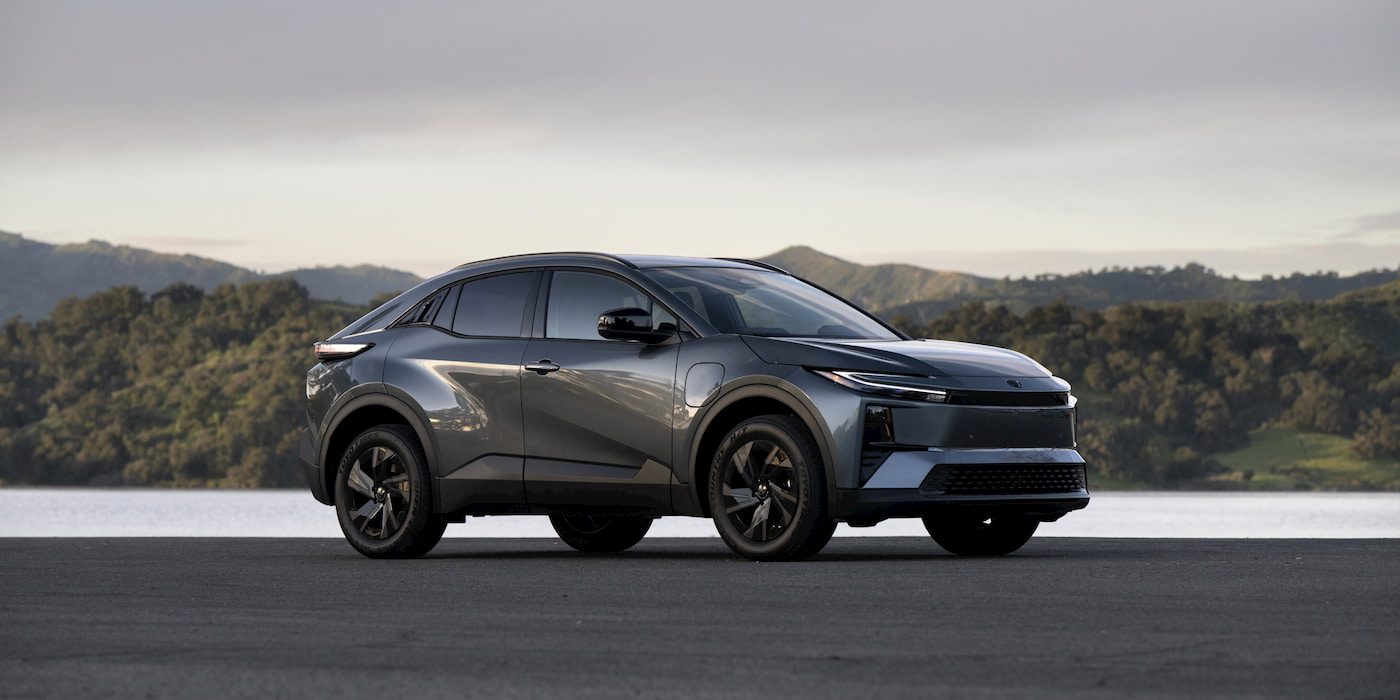
Toyota is initiating a significant recall affecting approximately 10,000 units of its all-electric C-HR model in North America. The recall is a direct response to a critical software flaw identified within the vehicle’s regenerative braking system. This malfunction, under specific charging conditions, can lead to an unexpected and potentially dangerous shutdown of the electric drive system, resulting in a sudden loss of power while the vehicle is in motion. This issue poses a considerable safety risk to drivers and other road users, prompting swift action from the automaker.
Background: The Toyota C-HR EV’s Entry into the Market
The Toyota C-HR EV represents a key component of Toyota’s expanding electric vehicle portfolio, particularly in the North American market. Launched earlier this year, the C-HR EV was positioned as a more compact and sportier alternative to Toyota’s inaugural electric SUV, the bZ. With a starting price point of approximately $37,000, it aimed to attract a segment of consumers seeking stylish, performance-oriented electric crossovers. The C-HR EV joins the updated bZ and the bZ4X Woodland Edition, broadening Toyota’s electric SUV offerings to three distinct models. Despite its promising market entry and the company’s long-standing reputation for reliability, this early recall highlights the challenges inherent in bringing new electric vehicle technology to market.
The Nature of the Defect: A Regenerative Braking System Malfunction
The core of the recall lies in a sophisticated software anomaly affecting the regenerative braking system. This system, a common feature in electric vehicles, captures kinetic energy during deceleration and converts it into electrical energy to recharge the battery. However, in the affected C-HR EV models, the system can exhibit problematic behavior when the battery is either fully charged or at a significantly high charge level. Under these specific circumstances, the regenerative braking system can attempt to overcharge an already saturated battery.
This overcharging condition triggers a safety protocol within the vehicle’s electronic control unit (ECU). To prevent potential damage to the battery or other components, the system initiates a shutdown of the electric drive motor. This abrupt deactivation of power while the vehicle is in operation is the primary safety concern. A sudden loss of propulsion, especially at higher speeds or in traffic, can create hazardous situations, increasing the risk of collisions.
Timeline of Events and Recall Process

The recall process, initiated by Toyota, involves a systematic approach to address the identified safety defect. The affected vehicles are specifically model-year 2026 C-HR units sold in North America. While the exact date of the software flaw’s discovery has not been publicly disclosed, Toyota has proactively issued the recall to mitigate any potential incidents.
Toyota has indicated that owners of affected vehicles will be formally notified of the recall in early November 2026. In the interim, owners can proactively check for recall eligibility by visiting Toyota’s official recall website, Toyota.com/recall, and entering their Vehicle Identification Number (VIN) or license plate number. Additionally, once the recall is officially published on the National Highway Traffic Safety Administration (NHTSA) website (nhtsa.gov/recalls), owners will be able to verify their vehicle’s status there as well.
The remedy for the defect is a software update to the battery ECU. Toyota dealerships will perform this update free of charge to the vehicle owner. This procedure is expected to rectify the overcharging issue and prevent the electric drive system from shutting down unexpectedly. The swiftness with which Toyota is addressing this issue, even before official NHTSA listing, underscores the seriousness with which they are treating the potential safety hazard.
Scope of the Recall and Potential Global Implications
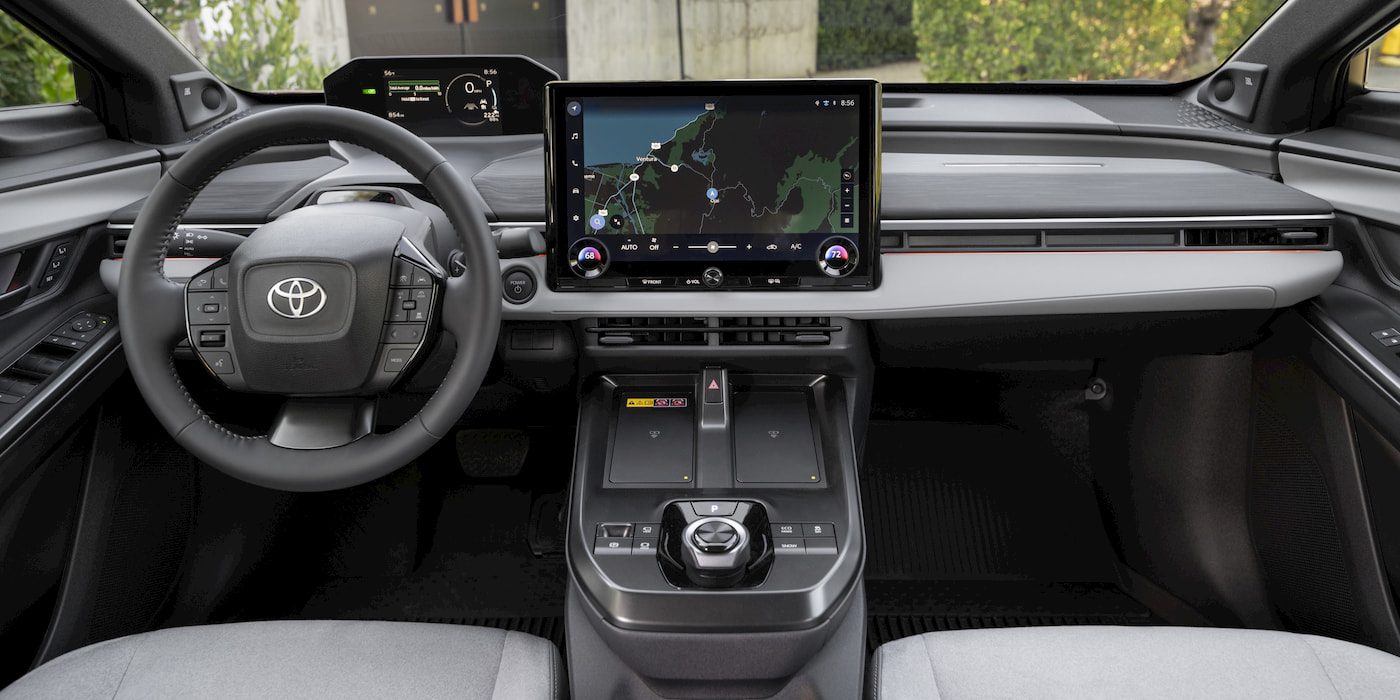
Currently, the recall officially pertains to approximately 10,000 model-year 2026 Toyota C-HR vehicles sold in North America. However, initial reports suggest that the issue might extend beyond these markets. The electric Toyota C-HR sold in Europe, the United Kingdom, and other international markets is fundamentally the same vehicle as the North American C-HR EV, with the "C-HR+" designation in some regions referring to the same model without specific additional features that would alter the underlying software. This raises the possibility of a broader global recall in the near future, pending further investigation and confirmation by Toyota in those respective markets. The global nature of automotive manufacturing and supply chains means that software issues can often transcend regional boundaries.
Official Statements and Owner Guidance
While detailed technical specifications of the recall have not yet been released by NHTSA, Toyota’s communication to consumers has been direct regarding the nature of the problem and the solution. The company has provided a dedicated customer service line for owners seeking more information: 1-800-331-4331. This line connects to Toyota’s Brand Engagement Center, where representatives are equipped to answer questions and provide guidance related to the recall.
Toyota’s proactive approach in communicating the recall details and offering clear instructions for owners is crucial for maintaining consumer confidence. The company’s commitment to addressing safety concerns promptly is a testament to its long-standing focus on customer satisfaction and product integrity.

Analysis of Implications
This recall, though concerning, offers several insights into the evolving landscape of electric vehicle manufacturing and software integration.
- Software’s Central Role: The incident underscores the increasing reliance on complex software systems in modern vehicles, particularly in EVs. While software enables advanced features and efficiency, it also introduces new avenues for potential defects that require rigorous testing and robust update mechanisms. The ability to remotely update software or perform over-the-air (OTA) updates can be a significant advantage in addressing such issues quickly, though the current fix requires a dealership visit.
- Early-Life Cycle Challenges: For any new vehicle model, especially one introducing new powertrain technologies, early-life cycle issues are not uncommon. The C-HR EV, being a relatively new entrant, is susceptible to such challenges as real-world usage data is gathered and analyzed. This recall, while impacting a significant number of vehicles, is a part of the continuous improvement process for automotive manufacturers.
- Impact on Brand Reputation: Toyota has built a formidable reputation for reliability over decades. An early recall, especially one related to a critical safety function like sudden power loss, can potentially impact consumer perception. However, the company’s transparent communication and swift corrective action are vital in mitigating any long-term damage to its brand image. How effectively Toyota manages this recall will be closely watched by consumers and industry analysts alike.
- Regulatory Scrutiny: As the EV market expands, regulatory bodies like NHTSA will continue to focus on the safety and performance of these vehicles. The detailed reporting and subsequent investigation by NHTSA will provide valuable data for future safety standards and industry best practices.
Looking Ahead: Continued Monitoring and Future Models
It is important for consumers to note that only the 2026 model year of the Toyota C-HR is affected by this specific recall. The 2027 Toyota C-HR is also currently on sale, and it is presumed that any software updates or design modifications to address this issue would have been implemented in subsequent production runs. The continuous evolution of automotive technology means that manufacturers are constantly refining their products based on feedback and testing.

The automotive industry is in a period of rapid transformation, with electric vehicles taking center stage. Recalls, while undesirable, are an inherent part of product development and quality assurance. Toyota’s response to this software glitch in the C-HR EV will serve as a benchmark for how the company handles such challenges in its burgeoning electric vehicle lineup. As more information becomes available, particularly from official regulatory channels, further updates will be provided. Consumers are urged to stay informed through official Toyota channels and NHTSA resources.