The mid-life facelift for the Vauxhall Astra Sports Tourer, particularly the electric variant, presents a meticulously refined interior with a notable shift away from past design cues, while simultaneously grappling with a perennial challenge: rear passenger accommodation. The once-distinctive central exterior feature line, which previously extended into the cabin, has been abandoned in favor of a broad and boldly accented dashboard. This new design language is dominated by two prominent 10-inch displays – one serving as the digital instrument cluster and the other as the central infotainment touchscreen – set against a backdrop of soft-touch materials in the upper sections and harder, more utilitarian plastics lower down. While the core dashboard architecture remains largely unchanged from the 2023 original, this update introduces a welcome enhancement to the centre console: a scratch-resistant matt finish designed to minimize distracting reflections and, perhaps more practically, to better conceal the inevitable smudges and fingerprints that accumulate in a high-traffic cabin.
Evolution of the Astra Interior: A Design Shift
Vauxhall’s decision to discontinue the integrated exterior-to-interior line signifies a departure from a signature design element that had characterized previous generations of the Astra. This move, likely driven by a desire to modernize the interior aesthetic and potentially improve perceived spaciousness, results in a cleaner, more horizontal visual flow. The implementation of two large, integrated screens is now a ubiquitous trend across the automotive landscape, reflecting a consumer demand for advanced connectivity and digital interfaces. The Astra’s adoption of this dual-display setup aligns it with contemporary rivals, offering a digital cockpit experience that prioritizes information access and infotainment control.
The materials used in the cabin reflect a tiered approach to quality. The upper surfaces, benefiting from soft-touch finishes, contribute to a more premium feel, enhancing tactile engagement for occupants. Conversely, the lower sections of the cabin, where surfaces are less frequently touched, utilize harder plastics. This cost-conscious strategy is common in the segment and generally accepted by consumers, provided the primary touchpoints offer a satisfactory sensory experience. The new matt finish on the centre console is a practical improvement, addressing a common complaint about glossy surfaces and their tendency to show wear and tear, thereby contributing to the interior’s long-term aesthetic appeal.
Ergonomics: A Blend of Progress and Persistence
The ergonomics of the Astra Sports Tourer’s interior present a mixed bag, showcasing both thoughtful advancements and lingering design quirks. The front seats, a significant strong suit of the vehicle, are generously proportioned and offer firm yet comfortable support, positioning them among the best in their class. The driving position is generally well-conceived, providing good visibility and intuitive access to essential controls. This focus on front-occupant comfort is crucial, as these are the individuals who will spend the most time directly interacting with the vehicle’s controls and experiencing its ride quality.
However, the placement of certain climate controls introduces a point of contention. While the primary temperature adjustments are commendably managed by physical buttons – a decision widely praised for its usability and safety during driving – the control for air distribution remains embedded within the touchscreen. This is particularly irksome when attempting to disable a central vent that, according to user feedback, exhibits a persistent and often undesirable tendency to direct airflow towards occupants. The inability to isolate and switch off this specific vent without navigating through menus on the touchscreen is a clear ergonomic misstep, disrupting the otherwise intuitive interface.
A significant improvement, directly addressing a critical piece of feedback from the original 2023 model, is the introduction of steering wheel-mounted paddles for controlling regenerative braking. Previously, a small, somewhat fiddly button was responsible for this function, a design choice that drew considerable criticism. Vauxhall’s responsiveness to this specific complaint demonstrates a willingness to refine the user experience based on owner and reviewer input. The new paddles offer a more direct and accessible method for modulating the level of energy recuperation, enhancing both driver engagement and the efficiency of the electric powertrain.
Rear Passenger Space: A Declining Priority?
The narrative surrounding rear passenger space in the Astra Sports Tourer takes a less optimistic turn. Despite the "Sports Tourer" designation, which traditionally implies enhanced practicality and increased cargo capacity, the extra second-row space that one might expect does not translate into a transformative improvement for passenger comfort. In fact, the available legroom in the rear is tighter than might be anticipated, and certainly less than what earlier generations of the Astra offered.
This apparent reduction in rear cabin volume appears to be a deliberate design choice by Vauxhall, prioritizing aesthetic appeal and a more sculpted exterior profile over maximizing interior space. The company’s strategy seems to be steering customers who require substantial rear-seat accommodation towards SUVs, a market segment that has seen exponential growth in recent years due to its perceived versatility and spaciousness. This shift in focus means that the Astra’s second row is now primarily suitable for smaller adults and children. For regular transport of adult passengers in the rear, occupants are likely to experience a degree of discomfort, potentially leading to complaints.
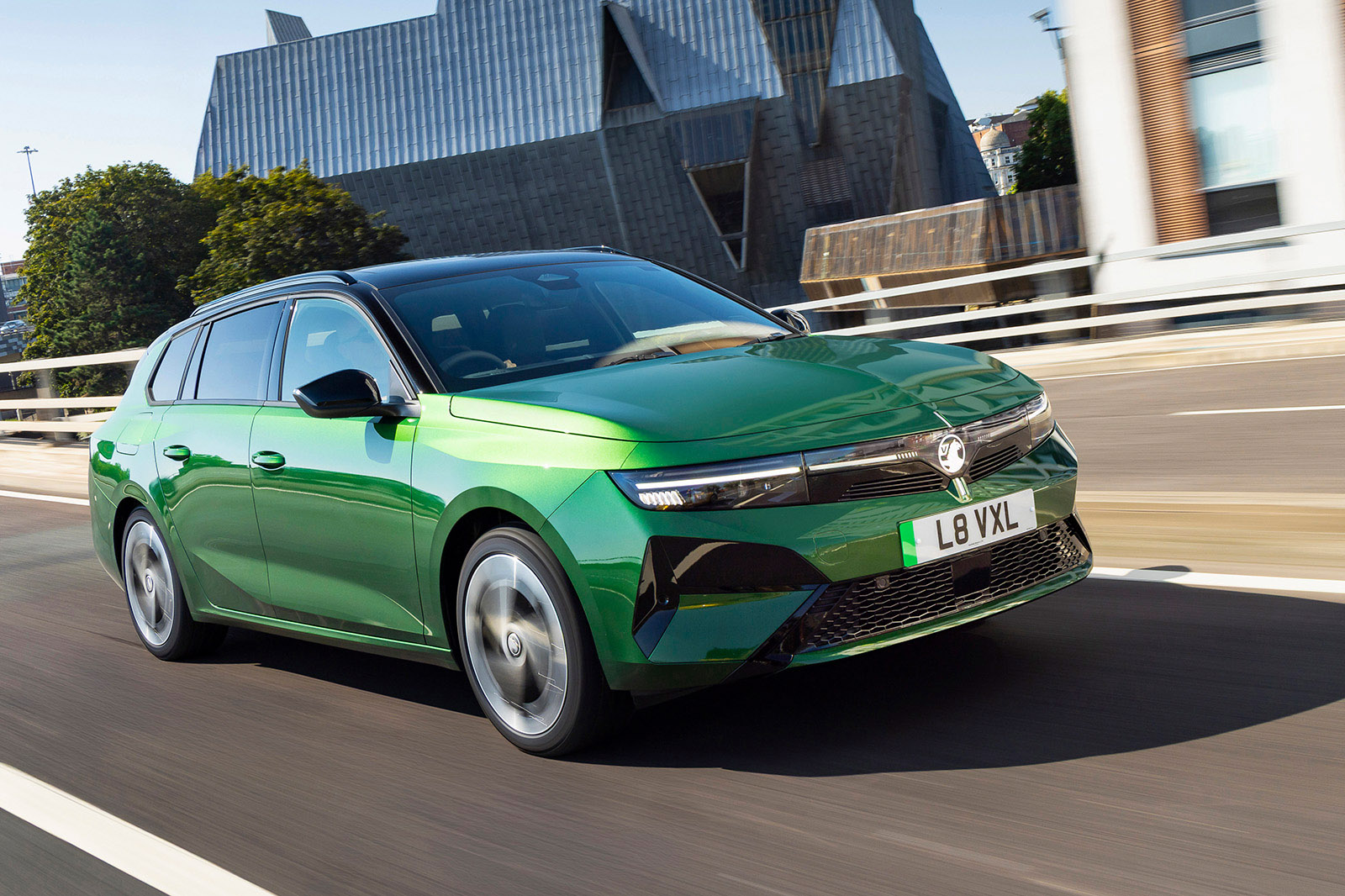
The Estate Boot: A redeeming feature
Where the Astra Sports Tourer truly shines, and arguably justifies its existence, is in its generous and highly practical boot. The cargo volume up to the window line is an impressive 516 litres. It is important to note a distinction for the electric variant: the EV model foregoes the underfloor storage found in its internal combustion engine (ICE) counterpart, which boasts a larger 597-litre capacity. However, even with this compromise, the Sports Tourer’s boot offers tangible advantages over the hatchback version. These include a lower loading lip, making it easier to slide heavy items in and out, a wider load bay that can accommodate bulkier objects, and the standard inclusion of 40:20:40-split folding rear seats. This flexible seating arrangement allows for a versatile combination of passenger and cargo carrying, a hallmark of a capable estate car.
Supporting Data and Industry Context
The automotive market has witnessed a significant shift in consumer preferences over the past decade. The rise of the SUV has been meteoric, with sales figures consistently outpacing those of traditional saloons and estates. For instance, in 2023, SUVs accounted for over 50% of new car registrations in many European markets, a trend that has continued into 2024. This market dynamic likely influences manufacturer strategies, leading to decisions like Vauxhall’s to potentially deprioritize rear passenger space in favour of design and market segment alignment.
The Astra Sports Tourer, in its electric guise, enters a competitive segment. Key rivals in the compact electric estate market, or those offering comparable practicality, include models such as the MG5 Electric, the Volkswagen ID.4 (though more of a crossover), and potentially upcoming offerings from Stellantis stablemates. The price point and specific features of the Astra Electric will be crucial determinants of its success against these competitors. While the article does not provide specific pricing or trim level details, the inclusion of premium features like dual 10-inch displays and advanced driver aids would place it in direct competition with established players.
Chronology of the Astra Development
The current generation of the Vauxhall Astra, including the Sports Tourer variant, was first unveiled in 2021, marking a significant overhaul from its predecessor. This new platform, shared with other Stellantis Group vehicles, introduced a more modern design language and advanced technology. The initial launch included a range of petrol and diesel engines, with the electric variant, the Astra Electric, arriving later. The 2023 model year saw the initial release of this generation in its current form, and the article refers to a "mid-life facelift," suggesting that this update was implemented for the 2024 or 2025 model year, a typical lifecycle for a vehicle to receive styling tweaks, interior refinements, and feature updates. The specific mention of addressing criticism regarding the regenerative braking button indicates that this facelift is a direct response to market feedback, a process that typically occurs within the first few years of a model’s production run.
Official Responses and Manufacturer Intentions
While the article does not include direct quotes from Vauxhall representatives, the observed changes in the Astra’s interior and the noted prioritization of design over rear passenger space can be inferred as strategic decisions by the manufacturer. Vauxhall, as part of the Stellantis Group, operates within a broader corporate strategy that aims to optimize vehicle development across multiple brands. The use of shared platforms and design elements is a common practice to reduce costs and accelerate development.
The company’s historical emphasis on practicality in models like the Astra has, in recent years, been balanced with a drive towards more contemporary styling and technological integration. The shift in rear-seat space is likely a calculated move to align the Astra Sports Tourer with the current market trends, where SUVs dominate and a sleeker design is often perceived as more desirable. Vauxhall’s responsiveness to the regenerative braking control issue, however, suggests an ongoing commitment to improving the driver experience and acknowledging valid customer feedback.
Broader Implications and Market Analysis
The Vauxhall Astra Sports Tourer Electric’s interior refinements, particularly the dual-screen setup and improved centre console finish, signify Vauxhall’s commitment to modernizing its offerings and competing effectively in the increasingly digital automotive landscape. The comfortable and well-appointed front seats continue a tradition of prioritizing driver and front passenger well-being, a crucial factor in overall satisfaction.
However, the compromise in rear passenger space presents a significant challenge. In a segment where practicality and versatility have historically been key selling points for estate cars, a reduction in rear cabin room could alienate a portion of the traditional customer base. This decision reflects a broader trend in the automotive industry, where design flair and SUV-like styling are increasingly influencing the development of all vehicle types, sometimes at the expense of traditional strengths.
The success of the Astra Sports Tourer Electric will ultimately depend on its ability to balance these competing priorities. While the refined interior and practical boot are strong attributes, potential buyers will need to weigh these against the limited rear-seat accommodation. For families or individuals who regularly transport adults in the back, or who have teenagers requiring ample legroom, the Astra Sports Tourer might not be the ideal choice. Conversely, for those prioritizing a modern, tech-laden cabin, comfortable front seats, and a capacious boot for cargo, and where rear passenger needs are less demanding, the Astra Sports Tourer Electric could still represent a compelling option within the burgeoning electric estate car market. The pricing and overall driving dynamics of the electric variant will also play a crucial role in its market positioning and appeal.