Volvo has unveiled an ambitious and comprehensive product offensive, committing to introduce 13 entirely new vehicle models by the end of 2030. This significant undertaking, described by the Swedish automaker as "the largest and most ambitious global product push in its 99-year history," signals a pivotal moment for the company as it navigates the rapidly evolving automotive landscape and aims to solidify its position as a leading premium brand. The strategy involves a substantial investment in new architectures, powertrain technologies, and a diversified product portfolio, with a keen focus on electrification and regional market demands.
A Strategic Pivot Towards Product Diversification and Electrification
The announcement marks a notable departure from Volvo’s recent trajectory, which has seen a considerable shift towards an all-SUV lineup in many key markets. The prospect of returning to body styles that have historically defined Volvo’s identity, particularly the wagon, is already generating considerable interest among enthusiasts and long-time brand loyalists. While specific details about all 13 models remain under wraps, Volvo has confirmed that the upcoming range will not exclusively consist of crossovers. This strategic diversification is crucial for appealing to a broader spectrum of consumers and recapturing segments of the market where Volvo’s presence has diminished.
Of the 13 new vehicles planned, seven are slated for Western markets, including Europe and North America, while the remaining six will be specifically developed and launched in China. This regionalized approach underscores Volvo’s recognition of differing consumer preferences and regulatory environments across its global operations. The company’s stated objectives for this aggressive expansion are twofold: to address soft profitability and to double its market share. These ambitious goals necessitate not only an expanded product offering but also enhanced operational efficiencies and a deeper integration within its parent company, the Geely Holding Group.
A New Era of Volvo Design and Technology
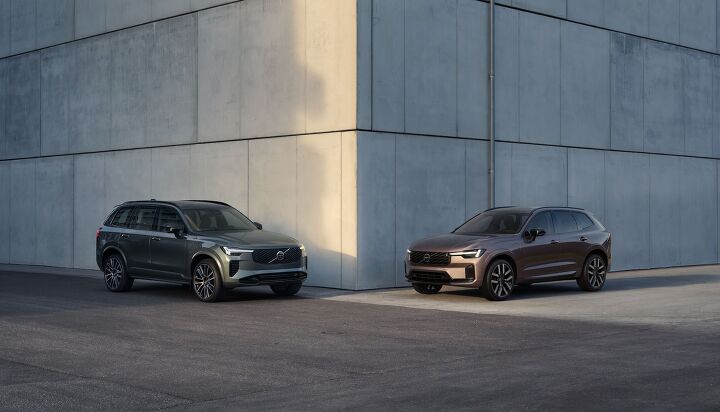
The product expansion is not merely about increasing the number of vehicles on offer; it represents a genuine renewal of Volvo’s entire model range. These are not simply facelifts or minor updates to existing models such as the XC40, EX40, EC40, and XC60. Instead, Volvo is introducing genuinely new vehicles built on advanced architectures. This includes the utilization of the SPA2 (Scalable Product Architecture 2) and SPA3 platforms for Western-market models, which will underpin vehicles like the upcoming EX90 and ES90, as well as a new EX60. These platforms are integrated with Volvo’s HuginCore computing platform, a proprietary system designed to manage advanced driver-assistance systems (ADAS) and in-car digital experiences.
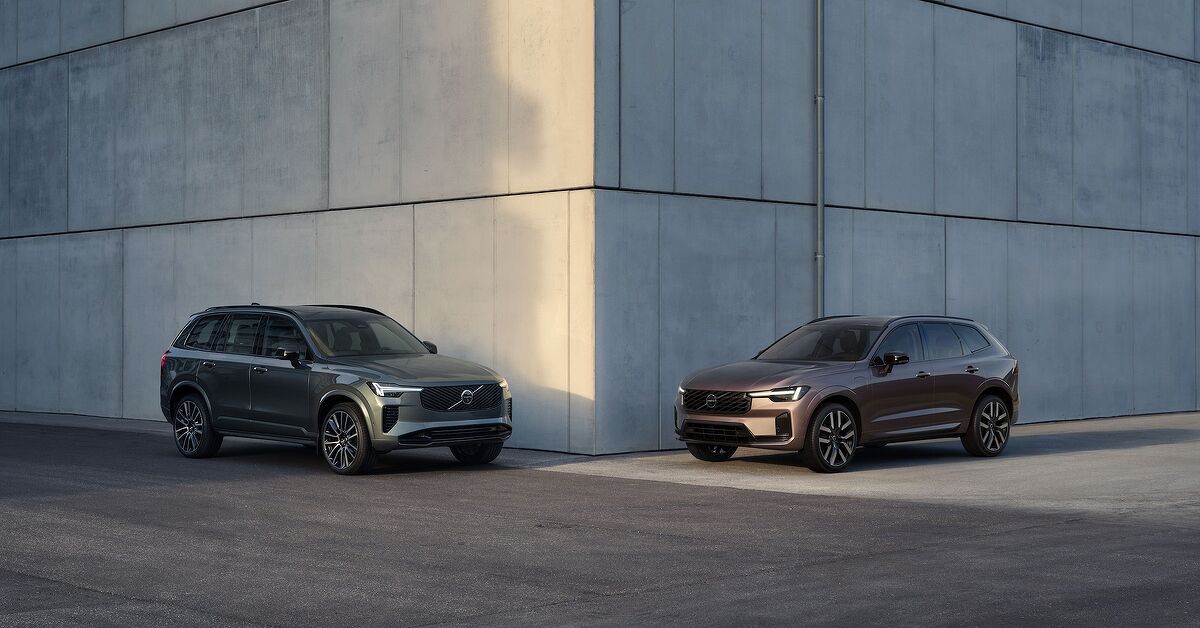
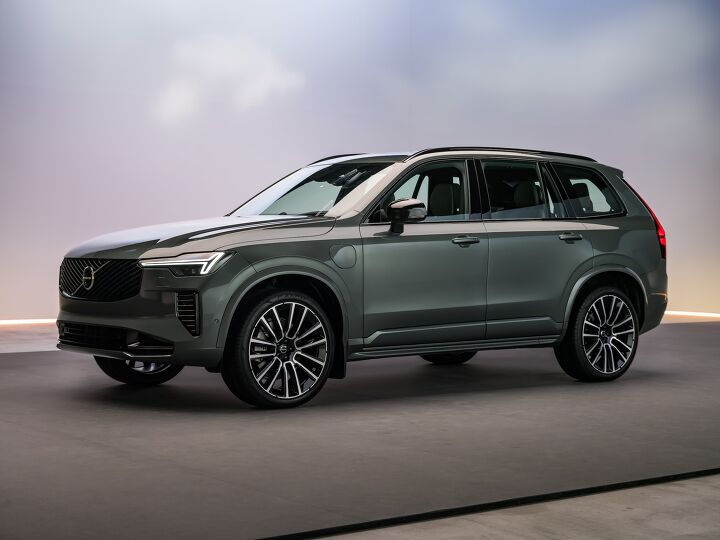
Complementing these new architectures, Volvo has also recently rolled out an advanced plug-in hybrid system for the XC60 and XC90. This new hybrid setup offers an impressive electric-only range of up to 124 miles (200 km), a figure substantial enough to allow many owners to operate their vehicles primarily on electric power for extended periods, potentially going months without needing to refuel with gasoline. This focus on hybrid technology serves as a crucial bridge for consumers who may not yet be ready to transition to fully electric vehicles.
A significant element of this future vision is the impending arrival of a new concept car in 2027. This concept will serve as a harbinger of Volvo’s evolved styling language, developed under the guidance of Thomas Ingenlath. Ingenlath, who has recently returned to his role as Chief Design Officer after a seven-year tenure leading Polestar, Volvo’s performance EV sub-brand, is expected to imbue the new generation of Volvos with a distinct and forward-looking design aesthetic. This return to a foundational role for a key design leader suggests a deliberate effort to unify the brand’s visual identity across its expanding portfolio.
Deepening Synergies with Geely
A critical component of Volvo’s ambitious strategy is the leveraging of synergies with its parent company, Geely. The plan is to significantly increase component commonality across the Geely Group’s diverse range of automotive brands. Currently standing at approximately 10 percent, Volvo aims to elevate this figure to as much as 30 percent by 2030. This increased collaboration is expected to yield substantial cost savings through economies of scale in development, manufacturing, and procurement.
For the Chinese market, a dedicated strategy is in place. The six models earmarked for China will utilize shared platforms and a market-specific technology stack, co-developed in partnership with Geely. This tailored approach acknowledges the unique demands and rapid pace of technological adoption within the Chinese automotive sector. The integration of Geely’s technological expertise and manufacturing capabilities will be instrumental in achieving Volvo’s growth targets in this crucial market.
Leadership in Electrification and a Comprehensive Customer Offer
Electrification remains at the forefront of Volvo’s strategy. The company has consistently signaled its commitment to becoming an all-electric brand. The upcoming product wave will undoubtedly feature a significant number of fully electric vehicles, building upon the foundation laid by models like the EX90. However, recognizing that the transition to full electrification will take time, Volvo is also prioritizing the development of its next generation of hybrid vehicles. These third-generation hybrids are designed to cater to a segment of buyers who are either hesitant about the range or charging infrastructure associated with EVs or who prefer the flexibility offered by hybrid powertrains.
CEO Hakan Samuelsson has articulated the company’s vision clearly: "Our showrooms will look very different in 2030." He emphasized the overarching goal of becoming "the leading premium car brand." Samuelsson outlined four key pillars underpinning this ambition:
- Regionalized Product Offerings: Tailoring vehicles to meet the specific needs and preferences of different global markets, particularly Europe, North America, and China.
- Leadership in Electrification: Accelerating the transition to fully electric powertrains while offering advanced hybrid solutions as a complementary option.
- Unique Synergies with Geely: Maximizing collaborative opportunities within the Geely Group to drive efficiency and innovation.
- Complete Customer Offers: Expanding the value proposition beyond the vehicle itself to include comprehensive services and digital experiences.
This holistic approach suggests that Volvo is not just focused on selling cars but on building a complete ecosystem of mobility solutions and customer engagement. This could involve enhanced digital services, subscription models, integrated charging solutions, and a seamless ownership experience.
Broader Implications and Market Context
Volvo’s aggressive product strategy comes at a time of intense competition and rapid technological disruption in the automotive industry. The shift towards electrification, the rise of autonomous driving technologies, and the increasing importance of software-defined vehicles are reshaping the competitive landscape. Established automakers are facing pressure from legacy rivals as well as agile new entrants, particularly from the EV sector.
Volvo’s commitment to introducing 13 new models by 2030 is a bold move that aims to secure its future market position. The success of this strategy will depend on several factors, including the execution of its product development pipeline, the appeal of its new designs and technologies, its ability to effectively manage costs through Geely synergies, and its capacity to navigate the complexities of global supply chains and evolving regulatory frameworks.
The company’s emphasis on regionalization, particularly the distinct strategies for Western markets and China, reflects a mature understanding of market dynamics. China, being the world’s largest automotive market and a leader in EV adoption, presents both significant opportunities and formidable challenges. The co-development of a market-specific tech stack for China indicates a commitment to meeting local expectations for connectivity, digital services, and advanced features.
The return of Thomas Ingenlath to oversee design is a strategic decision that could imbue Volvo vehicles with a stronger, more cohesive brand identity. His experience at Polestar, a brand focused on performance and cutting-edge EV technology, could translate into a more dynamic and contemporary design language for mainstream Volvo models, potentially appealing to a younger demographic without alienating the brand’s traditional customer base.
The planned increase in component commonality with Geely is a pragmatic response to the economic pressures of developing new vehicle platforms and powertrains. By sharing development costs and manufacturing processes across multiple brands within the Geely Group, Volvo can achieve significant efficiencies that will be crucial for maintaining profitability in a capital-intensive industry. This strategy is not unique to Volvo; many automotive conglomerates are pursuing similar paths to optimize their operations.
Furthermore, the focus on offering both fully electric and advanced hybrid options acknowledges the diverse stages of EV adoption across different regions and consumer segments. While the long-term goal is undoubtedly electrification, the pragmatic inclusion of sophisticated hybrids ensures that Volvo can continue to serve customers who are not yet ready or able to transition to fully electric vehicles, thereby maximizing sales opportunities and market reach.
The "complete customer offers" mentioned by CEO Samuelsson hint at a broader vision for customer engagement that extends beyond the traditional vehicle purchase. This could encompass integrated digital services, advanced connectivity features, potential mobility-as-a-service offerings, and a seamless ownership experience that leverages data and technology to enhance customer satisfaction and loyalty.
In essence, Volvo’s 13-model roadmap by 2030 represents a comprehensive strategy to reinvent itself for the future. It is a high-stakes gamble that leverages its heritage, embraces innovation, and strategically integrates with its parent company to achieve ambitious growth and solidify its standing as a premier automotive brand. The coming years will be critical in determining the success of this bold vision, but the commitment to a diversified, electrified, and regionally tailored product portfolio signals a clear intent to remain at the forefront of the automotive industry.
[Images: Volvo]
Become a TTAC insider. Get the latest news, features, TTAC takes, and everything else that gets to the truth about cars first by subscribing to our newsletter.