The modern landscape of personal technology and lifestyle accessories is continuously evolving, with new products emerging that aim to enhance convenience, functionality, and aesthetic appeal. This report examines several recent introductions and developments, ranging from practical solutions for digital connectivity to thoughtfully designed personal items and significant shifts in the entertainment industry.
Innovations in Connectivity and Organization
Matty Extension-C Cables Address a Common Modern Inconvenience
In an era where nearly every device relies on a USB-C connection, the ubiquity of this standard has also highlighted its limitations, particularly concerning cable length. The Matty Extension-C Cable emerges as a direct response to this widespread issue, offering a stylish and practical solution for users struggling with inadequate charger reach. The product, as described, draws inspiration from the robust and familiar design of classic, heavy-duty extension cords.
This design choice is not merely aesthetic; it suggests durability and a departure from the often flimsy and easily tangled cables that accompany many electronic devices. The ten-foot length of the Matty Extension-C Cable is a significant feature, addressing the common scenario of outlets being inconveniently located, especially in hotel rooms, airports, or even home offices. The ability to comfortably charge devices from a distance eliminates the need to sit directly beside a wall socket or use awkward, space-consuming adapters.
Available in three distinct color options, the Matty Extension-C Cable aims to inject personality into an otherwise utilitarian accessory. This move towards customization and visual appeal caters to a growing consumer demand for products that not only perform well but also complement personal style. With pricing starting at $25, and further discounts offered for bundled purchases, the cables present a value proposition that makes them an attractive alternative to standard, often monochromatic, OEM cables. The suggestion that these cables could serve as effective stocking stuffers for the holiday season underscores their accessibility and broad appeal as a practical yet thoughtful gift. The market for USB-C accessories is vast, with numerous manufacturers offering cables of varying lengths and materials. However, Matty’s approach, emphasizing both extended reach and distinct visual design, carves out a niche by addressing a specific, relatable frustration with a touch of retro flair.
Type 6 Strongbox: Retro Utility for Modern Organization
Complementing the vintage-utility theme, the Type 6 Strongbox offers a tangible solution for decluttering personal workspaces and living areas. These compact storage boxes, measuring approximately 6.25 inches wide, 4.25 inches deep, and 2 inches high, are designed to house the myriad small items that tend to accumulate in offices and homes. From stationery and tools to personal trinkets, the Strongbox provides a designated and aesthetically pleasing storage solution.
The appeal of the Type 6 Strongbox extends beyond its practical dimensions. The availability of "deeply satisfying color options" suggests a deliberate effort to integrate functionality with visual design, allowing users to select a box that enhances their existing décor. The core selling point, however, lies in its robust construction. Manufactured in the United States from 22-gauge steel, the boxes feature a powder-coated finish. This coating not only provides a richer and more durable pigment than traditional paint, offering superior coverage and resistance to chipping, but also contributes to the overall ruggedness of the product. This makes the Strongbox suitable for use in workshops or environments where items might be subject to more wear and tear.

A heavy-duty snap latch enhances security, providing peace of mind for storing valuable items or simply keeping contents contained. This feature, combined with the durable materials, positions the Type 6 Strongbox as a long-lasting and reliable organizational tool. The intersection of vintage aesthetics and modern manufacturing techniques, particularly the use of powder coating and robust steel construction, aligns with a broader trend in consumer goods favoring durability and timeless design. Such products often appeal to consumers seeking items that are built to last and possess a tactile quality that reflects craftsmanship.
Personal Technology and Wearable Accessories
The Tilted Apple Watch Band: Enhancing Ergonomics and Accessibility
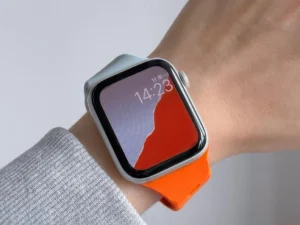
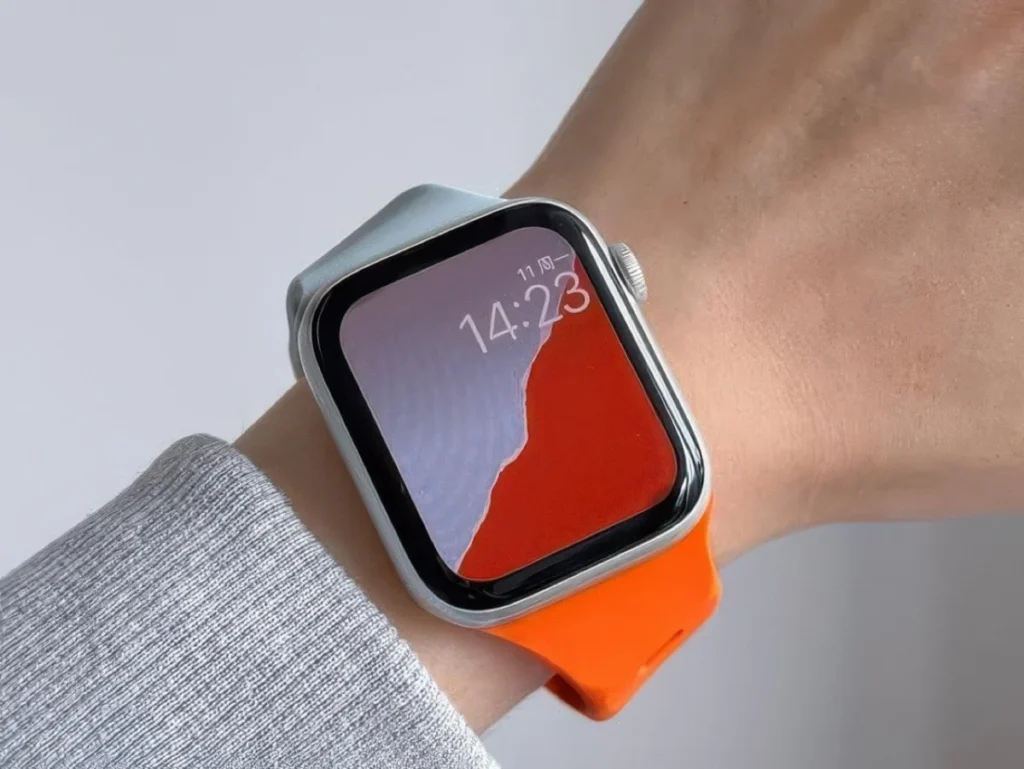
In a notable shift for some users, the Apple Watch has become a near-daily accessory, driven by its fitness tracking capabilities and connectivity features. However, the inherent design of the smartwatch, while functional, can present ergonomic challenges. The Tilted Apple Watch Band addresses one such challenge: the awkward positioning required to view notifications and information on the watch face, particularly when the wearer’s arm is in a typical typing or working position.
The innovative aspect of this band lies in its ability to rotate the watch face by approximately 30 degrees. This subtle adjustment angles the display towards the wearer’s line of sight, facilitating a more natural and less strenuous reading experience. This ergonomic improvement can reduce the need for contorting the wrist or craning the neck to catch notifications before they disappear, thereby enhancing the overall usability of the device. The implications for users who rely heavily on their Apple Watch for quick information checks, especially during activities that require sustained focus, are significant. It transforms a potentially cumbersome interaction into a smoother, more integrated experience.
Available in a variety of color options and bundled packages, the Tilted Apple Watch Band is positioned as an affordable upgrade, particularly given its novelty in the market. This accessible pricing strategy makes it an appealing option for a wide range of Apple Watch owners looking to optimize their device’s ergonomics. The market for Apple Watch accessories is extremely competitive, with bands ranging from basic silicone to luxury leather. However, the Tilted Apple Watch Band stands out by addressing a functional design flaw rather than merely offering aesthetic variations. Its success hinges on its ability to deliver a demonstrably improved user experience through a simple, yet clever, engineering solution. The product’s potential to improve daily interactions with a widely adopted piece of technology highlights the ongoing demand for thoughtful accessory design that prioritizes user comfort and efficiency.
Huckberry x Marathon 41mm CeraShell Arctic Navigator Watch: A Collaboration in Durability and Design
The outdoor and lifestyle retailer Huckberry has consistently demonstrated a keen ability to forge relevant partnerships and maintain brand momentum within the menswear and broader consumer markets. Their strategy of collaborating with established brands to create unique, often limited-edition products resonates with a demographic that values quality, understated style, and functionality without an overt emphasis on trend-chasing. This approach positions Huckberry as a curator of goods for individuals who appreciate well-made items that integrate seamlessly into an active yet discerning lifestyle.
The recent collaboration with Marathon, a brand with a strong heritage in producing robust timepieces, exemplifies this strategy. The resulting product, the Huckberry x Marathon 41mm CeraShell Arctic Navigator Watch, is a testament to this synergy. This watch builds upon Marathon’s established Navigator model, which itself has roots in pilot watches developed in conjunction with Kelly Air Force Base in 1986. This historical context lends the design a sense of purpose and proven utility.
The collaboration introduces a distinct aesthetic by pairing Marathon’s classic black case with an "Arctic white" dial. This high-contrast design enhances legibility, a crucial feature for a navigator’s watch. Huckberry’s signature hunter orange is incorporated into the seconds hand, providing a subtle yet distinctive visual accent. Further enhancing its functional appeal, the watch features tritium tubes for illumination of the hands, hour markers, and bezel pip. Tritium, a radioactive isotope of hydrogen, offers self-powered luminescence that remains bright for decades, a significant advantage over standard luminescent materials in low-light conditions.

The case material itself is a noteworthy innovation: Marathon’s CeraShell. This proprietary composite is a lightweight blend of bio-sourced plastic and ceramic powder, offering a unique combination of durability and reduced weight. The use of CeraShell positions the watch as both resilient and comfortable for everyday wear. Powering the timepiece is an ETA F06.115 HeavyDrive quartz movement, known for its accuracy and robustness, particularly its ability to withstand shocks and magnetic fields.
The Huckberry x Marathon CeraShell Arctic Navigator Watch is exclusively available through Huckberry’s retail channels for $600. This price point reflects the quality of materials, the brand heritage, and the collaborative effort involved. The watch appeals to a segment of the market that appreciates military-inspired design, durable construction, and the exclusivity offered by limited-edition collaborations. This partnership signifies Huckberry’s continued success in leveraging brand synergy to create desirable products that align with their core audience’s values and interests. The watch is a clear example of how established brands can innovate and reach new audiences through strategic collaborations, particularly within the enthusiast-driven markets of watches and outdoor gear.
Entertainment Industry Developments
David Fincher’s Exclusive Netflix Deal Concludes
In a significant development for both cinephiles and the streaming giant Netflix, director David Fincher’s exclusive production deal with the platform is set to expire in 2027 and will not be renewed. This marks the end of an era for Fincher’s prolific output on Netflix, which has included critically acclaimed films such as "Mank" and "The Killer," as well as the highly popular series "House of Cards" and "Mindhunter."
Fincher, known for his distinctive visual style, meticulous direction, and exploration of dark, complex themes, has been a cornerstone of Netflix’s original content strategy since his first exclusive deal was reportedly signed around 2013. This partnership allowed him considerable creative freedom, resulting in a slate of films and series that often garnered critical praise and awards attention, even if not always achieving massive mainstream viewership. His work on Netflix has been characterized by a consistent artistic vision, appealing to a dedicated audience that appreciates his specific brand of cinematic storytelling.
The news of the deal’s expiration suggests a potential shift in Fincher’s future production plans, as well as a strategic adjustment for Netflix. While the specific reasons for the non-renewal have not been publicly detailed, such decisions in the entertainment industry are often influenced by a confluence of factors, including evolving business models, content acquisition costs, and strategic priorities of both parties. It is possible that Fincher seeks new avenues for his projects, or that Netflix is reallocating its resources towards different types of content or talent.
As Fincher concludes his tenure with Netflix, his final major release on the platform is "The Further Mis-Adventures of Cliff Booth." This project is a sequel to Quentin Tarantino’s "Once Upon a Time… in Hollywood." The film is scheduled for a two-week IMAX run beginning November 25, followed by its release on Netflix on December 23. This limited theatrical engagement before its streaming debut is a notable release strategy, offering audiences a chance to experience the film on a grander scale before its availability on the platform.
The departure of a director of Fincher’s caliber from an exclusive streaming deal prompts speculation about his next steps. Directors of his stature often have multiple projects in development, and it is anticipated that he will continue to work on significant film and television projects, potentially through new distribution partnerships or traditional studio systems. For Netflix, the absence of Fincher’s exclusive output means a significant piece of their auteur-driven content library will no longer be guaranteed. However, the streaming service has consistently sought to diversify its offerings, and this change may present opportunities to cultivate new directorial talent or pursue different creative avenues. The industry will be watching closely to see where Fincher’s directorial talents will lead him next and how Netflix will adapt to this shift in its content landscape. The enduring appeal of Fincher’s work suggests that whatever his future endeavors, they will be met with considerable anticipation from critics and audiences alike.