The small town of Glashütte, Germany, a hallowed ground for haute horlogerie, is home to a fascinating, albeit unspoken, rivalry. While A. Lange & Söhne and Moritz Grossmann operate with a polite but distinct separation, their shared history, geographical proximity, and dedication to exceptional watchmaking create an undercurrent of influence that shapes their respective collections. This article delves into the unique characteristics that set Moritz Grossmann watches apart, exploring how this brand, re-established in the modern era, carves its own path while acknowledging its deep roots in Glashütte’s illustrious past.
A Tale of Two Brands: Glashütte’s Silent Dialogue
The relationship between Moritz Grossmann (MGr) and A. Lange & Söhne (ALS) is not one of overt competition, but rather a subtle, ongoing dialogue. Founded by Ferdinand Adolf Lange, the very ecosystem that fostered the emergence of numerous watch and clock businesses in Glashütte also laid the groundwork for Moritz Grossmann. Historically, MGr followed in the footsteps of ALS, a younger sibling in terms of brand establishment, as evidenced by surviving pocket watches from the 19th century. Today, however, the modern iteration of Moritz Grossmann is deliberately charting a course that diverges from its more established neighbor, introducing complications and design elements not yet present in ALS’s catalogue, such as skeletonized and open-dial timepieces, watches with inverted calibers, and automatic models featuring a unique pedometer winding system.
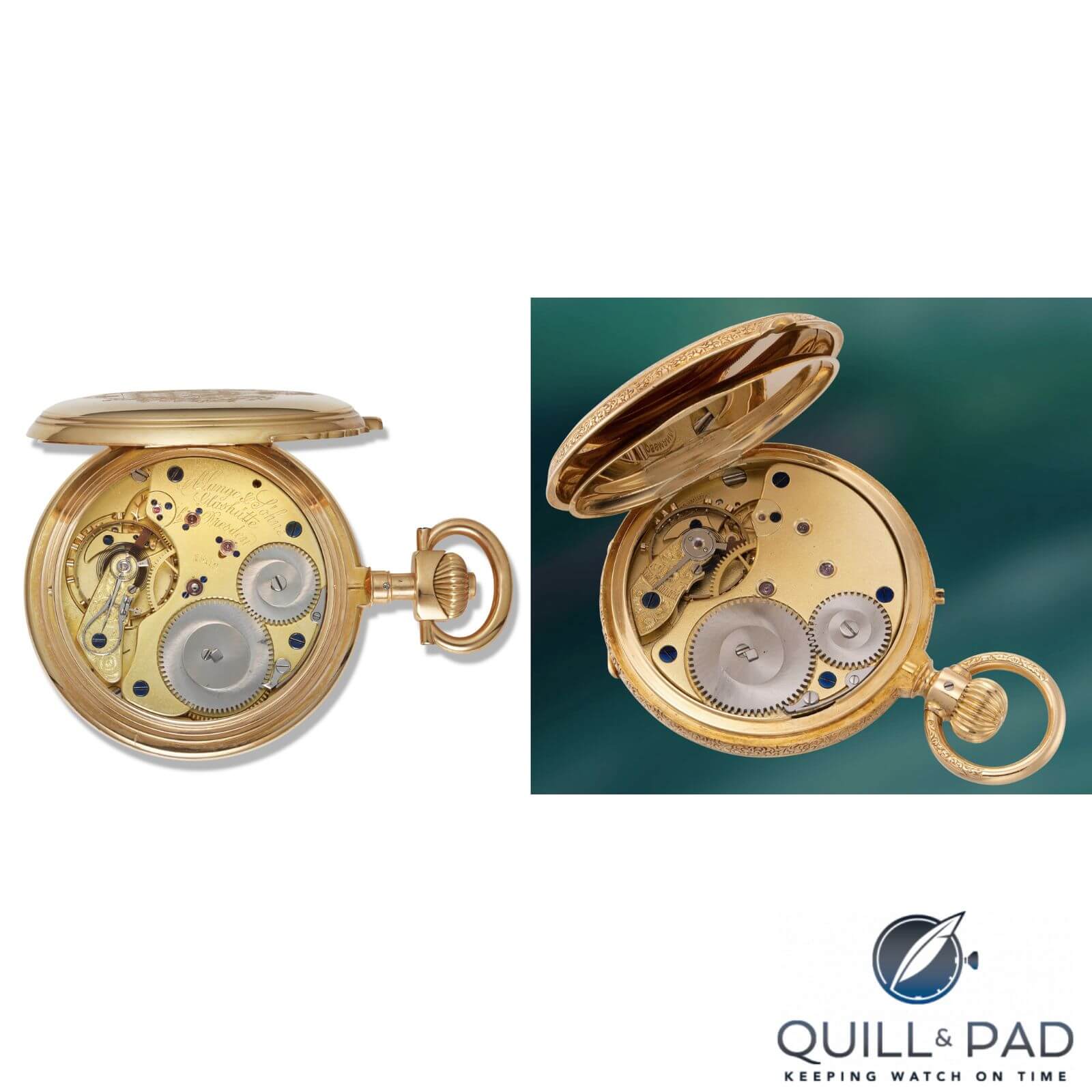
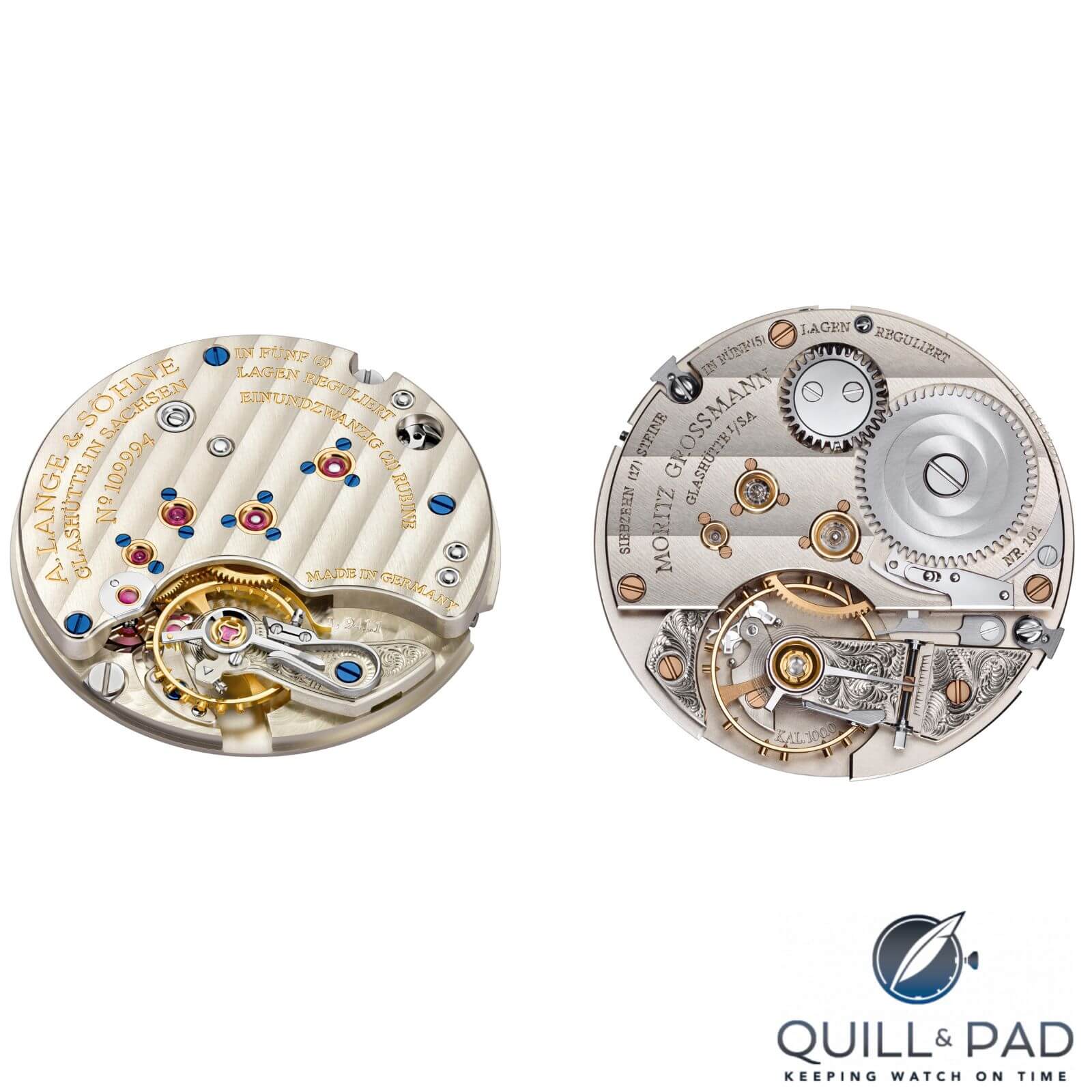
This divergence is particularly noteworthy given that ALS, re-established in 1990 with watches appearing in 1994, paved the way for the modern revival of Glashütte watchmaking. Moritz Grossmann followed suit in 2008, with its first watches launched in 2010. Despite their distinct trajectories, clear parallels persist, reflecting their shared heritage. Both brands predominantly utilize nickel silver for their plates and bridges, feature traditionally engraved balance cocks, and employ gold chatons for their jewels. ALS opts for red jewels, adhering to tradition, while MGr uses colorless jewels as a signature of its originality. The distinct architectural styles of their movements – the 2/3 plate of MGr versus the 3/4 plate of ALS, with specific cuts and finishing – also highlight their shared yet evolving design philosophies rooted in 19th-century Glashütte pocket watch movements.
The existence of this implied debate, even if imaginary, compels both brands to innovate and differentiate. It is a healthy discipline that ultimately benefits watch enthusiasts by broadening the spectrum of offerings and allowing for more personalized choices. The distinct positioning of Moritz Grossmann has become increasingly apparent over the years, making its collection development and the unique features of its watches a fascinating subject of study, especially when contrasted with A. Lange & Söhne.
The Legacy of Carl Moritz Grossmann: A Foundation of Innovation
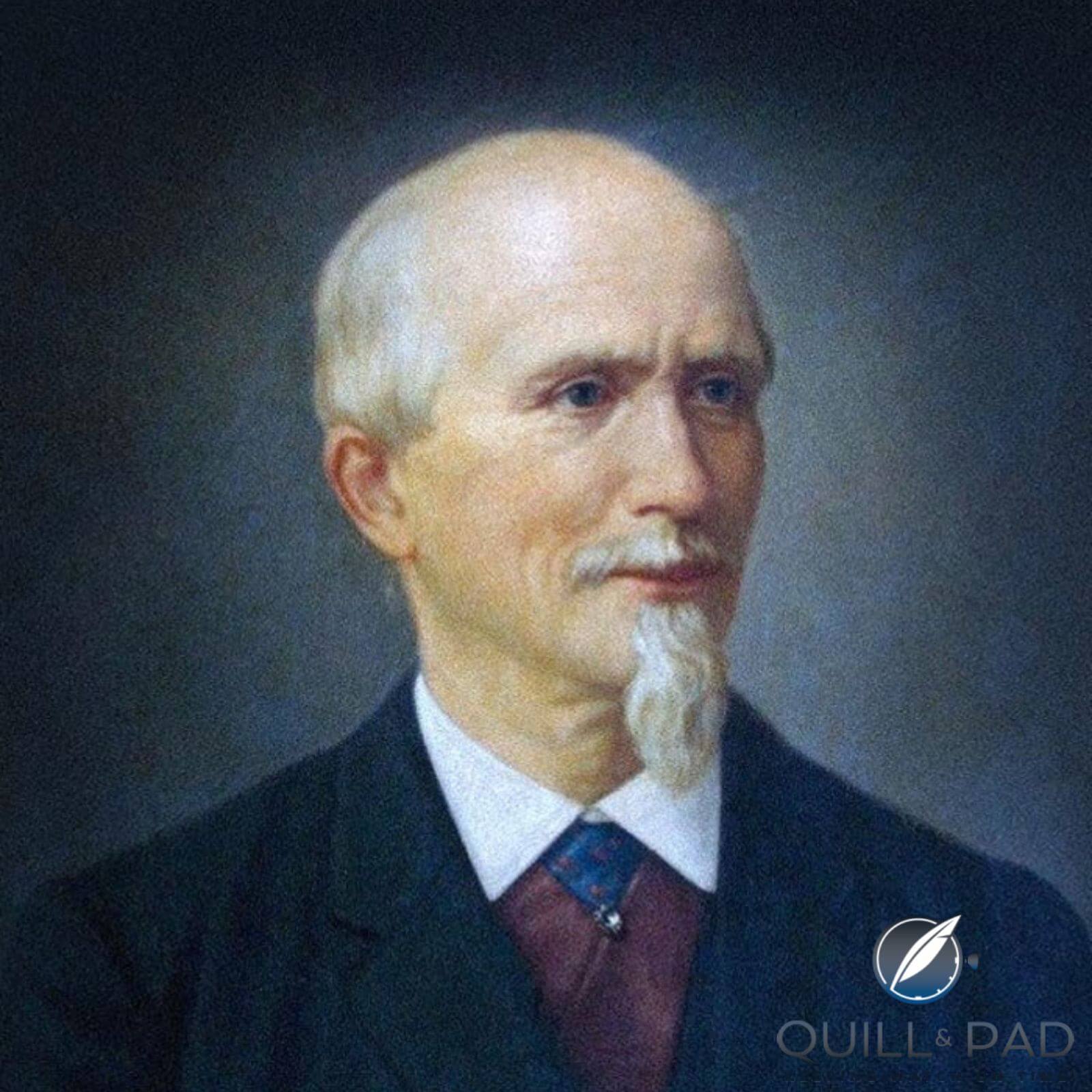
Carl Moritz Grossmann, a pivotal figure in German watchmaking, established his eponymous company in 1854. His professional endeavors were remarkably broad, encompassing not only the creation of high-quality pocket watches but also marine chronometers, precision measuring instruments, watchmaker’s lathes, and model escapements. His significant contribution to the regional horological landscape included the development of the Glashütte seconds pendulum clock, which served as a crucial reference timepiece for watchmakers in the area.
Grossmann’s approach to production was characterized by a focus on quality over quantity. Over the three decades his company operated, it is estimated to have produced approximately 8,000 pocket watches, averaging between 250 to 300 pieces annually. This niche strategy of limited production continues to be a hallmark of the modern Moritz Grossmann brand.
Beyond his manufacturing prowess, Grossmann was also a prolific writer and educator. His influence extended far beyond his lifetime through his detailed dissemination of knowledge, precise terminology, and defined processes. His seminal 1866 essay, "Der freie Ankergang für Uhren" (The Free Lever Escapement for Watches: A Practical and Theoretical Treatise), provided a comprehensive analysis of the Swiss lever escapement, a mechanism of paramount importance to modern watchmaking. In his 1880 essay, "Über die Konstruktion einer einfachen, aber mechanisch vollkommenen Uhr" (On the Construction of Simple, Yet Mechanically Perfect Watches), he outlined the principles that would come to define Glashütte watches. Furthermore, recognizing the critical need for skilled artisans, Grossmann founded the German School of Watchmaking in Glashütte in 1878, an initiative aimed at nurturing talent and solidifying Glashütte’s standing as a preeminent center of the watch industry.
A Chronology of Innovation: The Modern Moritz Grossmann
The contemporary era of Moritz Grossmann watchmaking commenced in 2008 with the founding of Grossmann Uhren GmbH. This period marked a deliberate effort to adapt and translate the stylistic, design, and technical principles established by the brand’s founder into modern wristwatches. The Benu, released in 2010, was the inaugural timepiece from this revived brand, powered by the Caliber 100.0. This movement, much like the early calibers of A. Lange & Söhne, served as a foundational expression of the brand’s core identity.
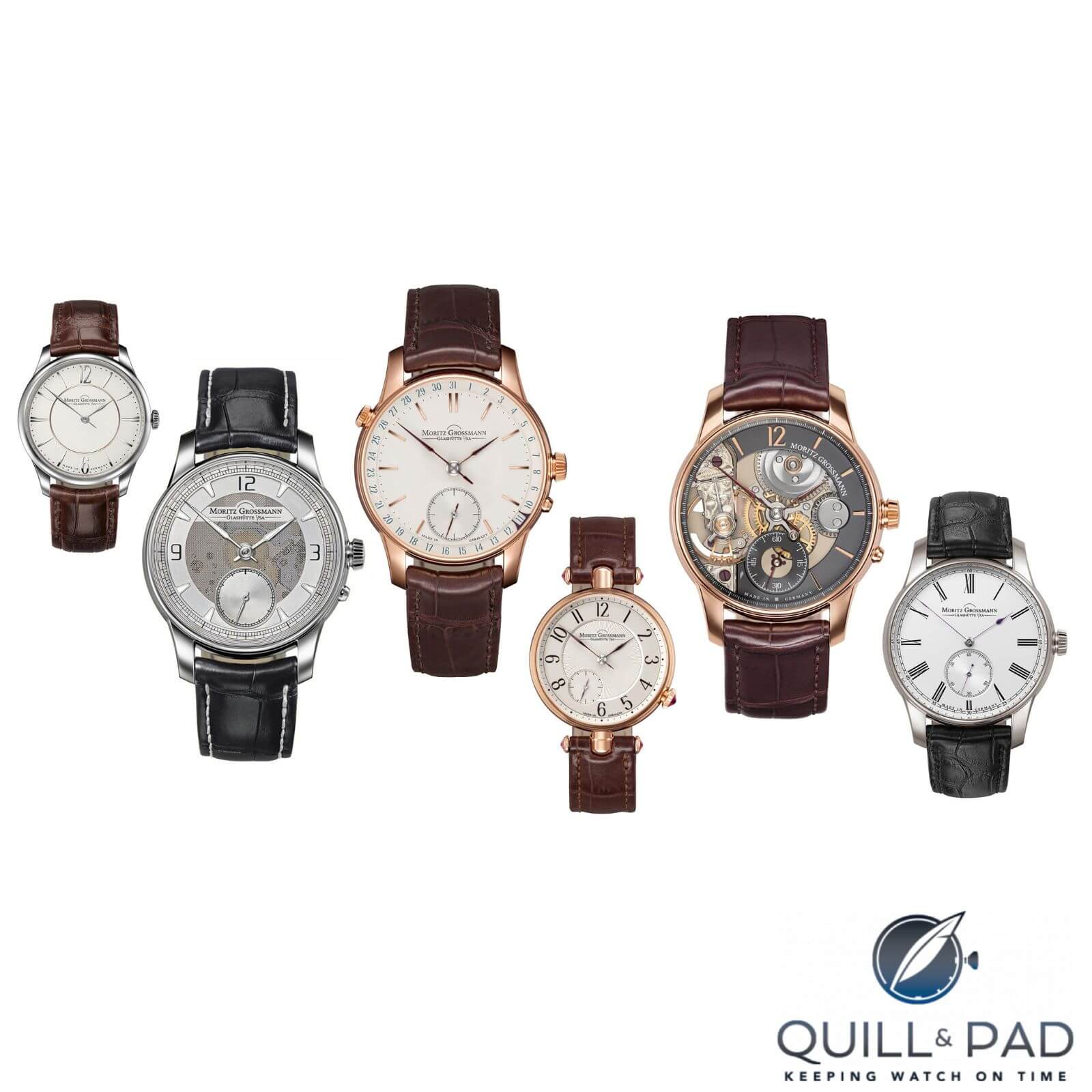
The subsequent years saw a consistent expansion and diversification of the MGr collection, each release building upon the brand’s established aesthetic and technical prowess:
-
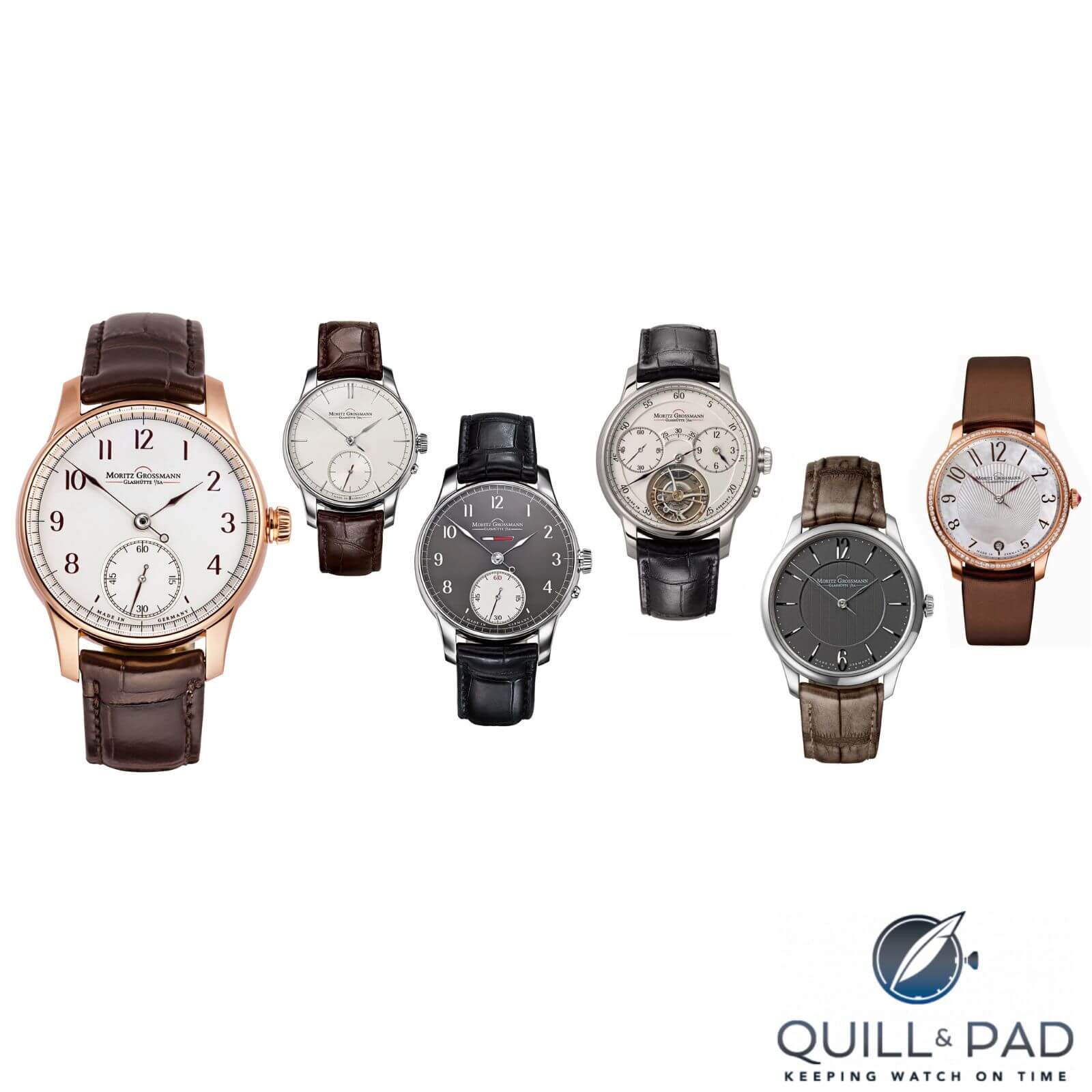
2010-2015: The early phase introduced the Benu (2010), embodying traditionalism and restraint. The Atum (2013) followed, showcasing a contemporary classic style. The Benu Power Reserve (2013) introduced discreet additional indications, while the Benu Tourbillon (2013) presented a unique approach to complex mechanics. The Tefnut (2015) emerged as a refined two-hand dress watch, and the Tefnut Lady (2015) marked the brand’s foray into women’s timepieces.
-
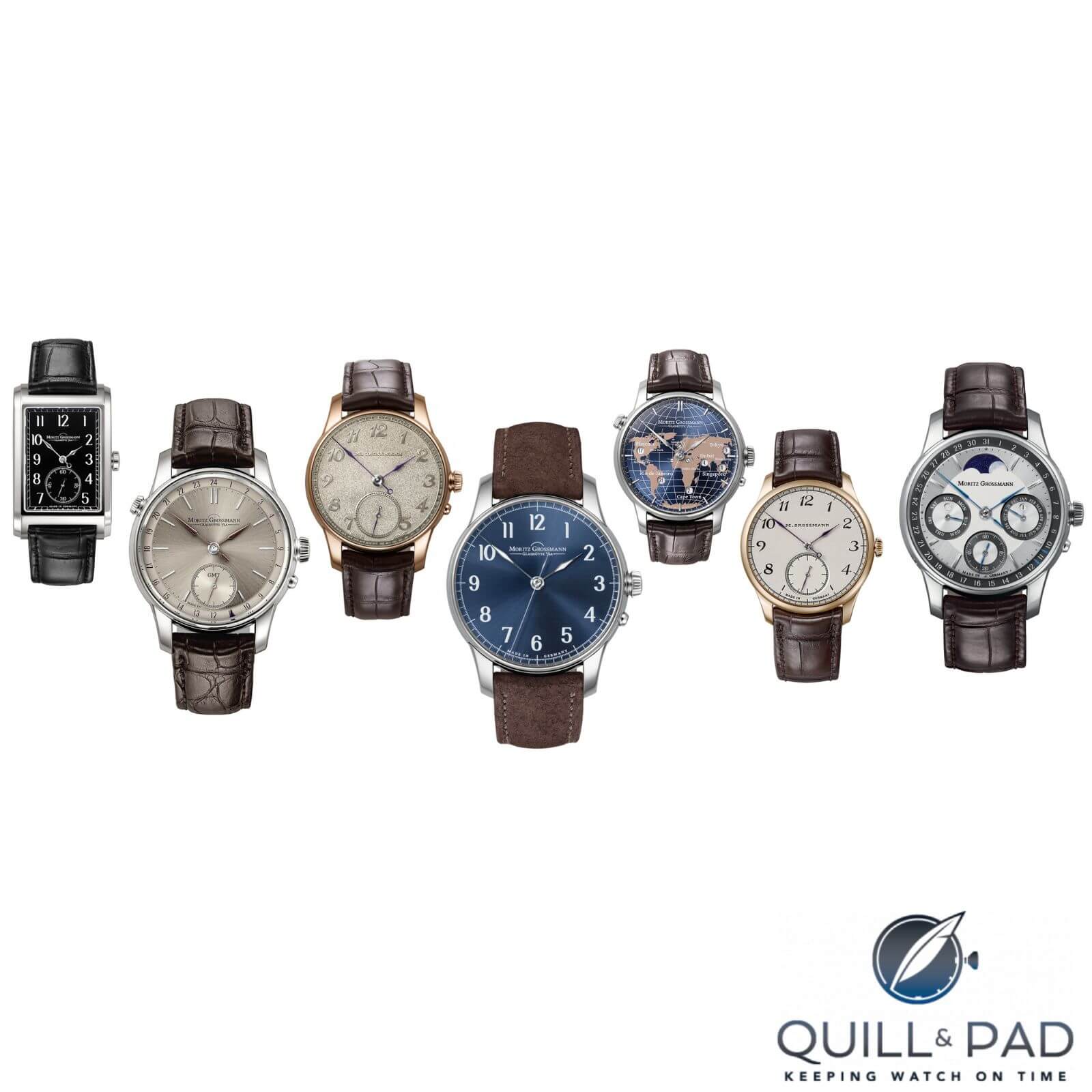
2016-2019: This period witnessed further refinement and material exploration. The Tefnut Pure (2016) debuted as the brand’s first steel watch, equipped with the new caliber 201.0 and 202.0, featuring unengraved bridges and a sandblasted finish. The Atum Pure M "Mesh Dial" (2016) offered a steel watch with a distinctive see-through dial center zone and a mesh bracelet. The Atum Date (2017) incorporated an in-house developed date indication with both forward and backward setting capabilities. The Tefnut Twist (2017) was notable for its integrated "strap winder." The Backpage (2018) presented a captivating reversed caliber and openworked dial. The Atum Hamatic (2019) introduced the brand’s first automatic watch with a unique pedometric winding system.
-
2019-2025: The most recent years have seen the introduction of more complex and specialized timepieces. The Corner Stone (2019) was the brand’s first rectangular watch featuring a shaped caliber. The Atum GMT (2019) offered a practical complication for globetrotters. The Tremblage (2021) showcased a dial with an engraved, textured nickel silver finish. The Central Second (2021) marked the first version with a central seconds hand and its specialized drive. The Universalzeit (2022) presented an innovative, truncated display of world time. The Tefnut Silver-plated by Friction (2023) featured a fresh-looking antique dial decoration technique. Looking ahead, the Perpetual Calendar (2025) is poised to offer MGr’s unique interpretation of this enduring complication.
This timeline reveals potential avenues for future collection development, such as chronographs and chiming watches, which are notably absent. Concepts like fusée-chain mechanisms, constant-force escapements, or integrated sports watch designs, while technically challenging and potentially expensive, could also be explored. The brand’s consistent focus on traditional craftsmanship and unique complications suggests a continued commitment to horological artistry.
The Art of Detail: 14 Distinctive Features of Moritz Grossmann Watches
Beyond the broader historical context and collection evolution, it is the meticulous attention to detail in Moritz Grossmann watches that truly elevates them and fosters a deep appreciation among connoisseurs. These "delicious" features are the elements that spark contemplation and desire.
1. The Gleam of Precision: Mirror-Polished Collets
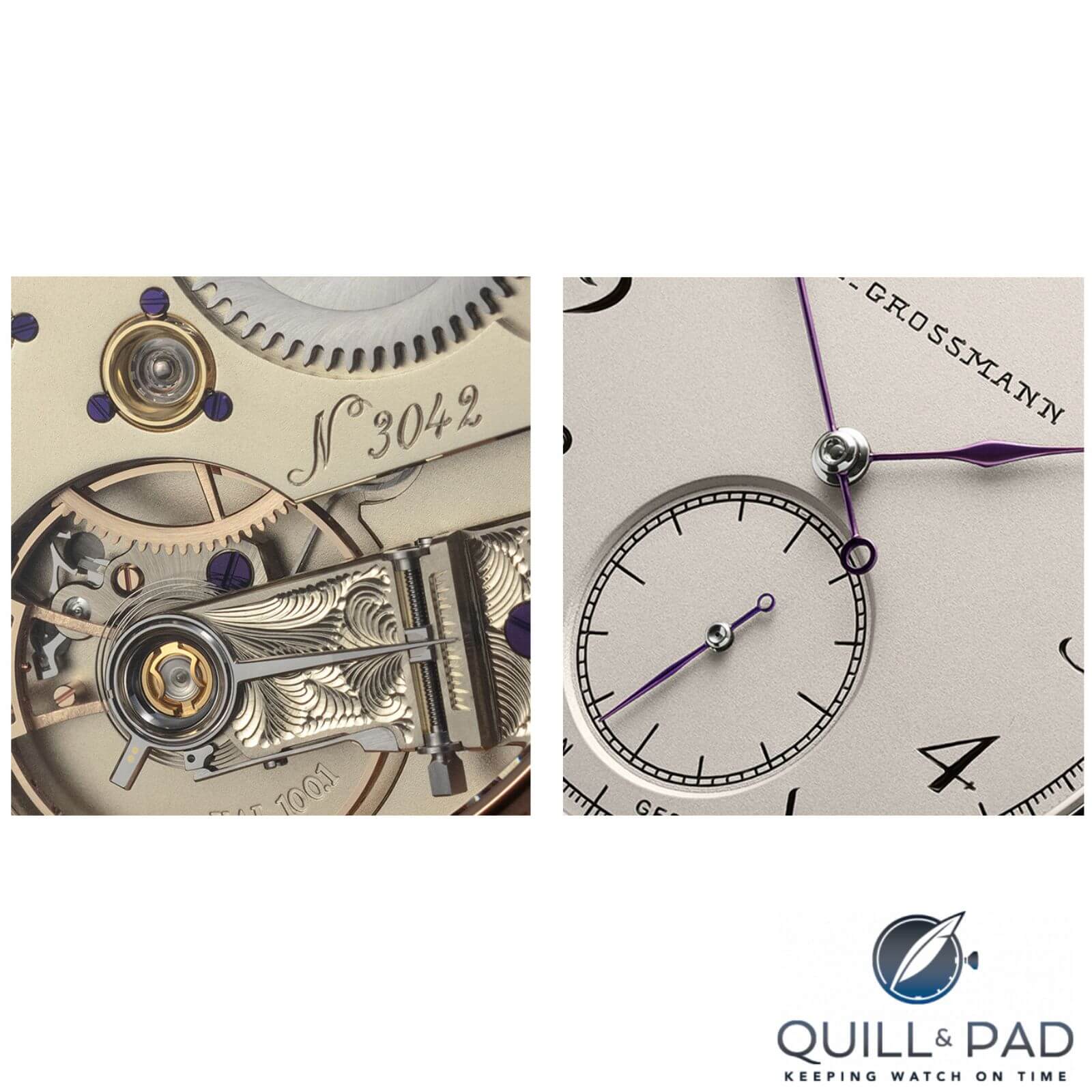
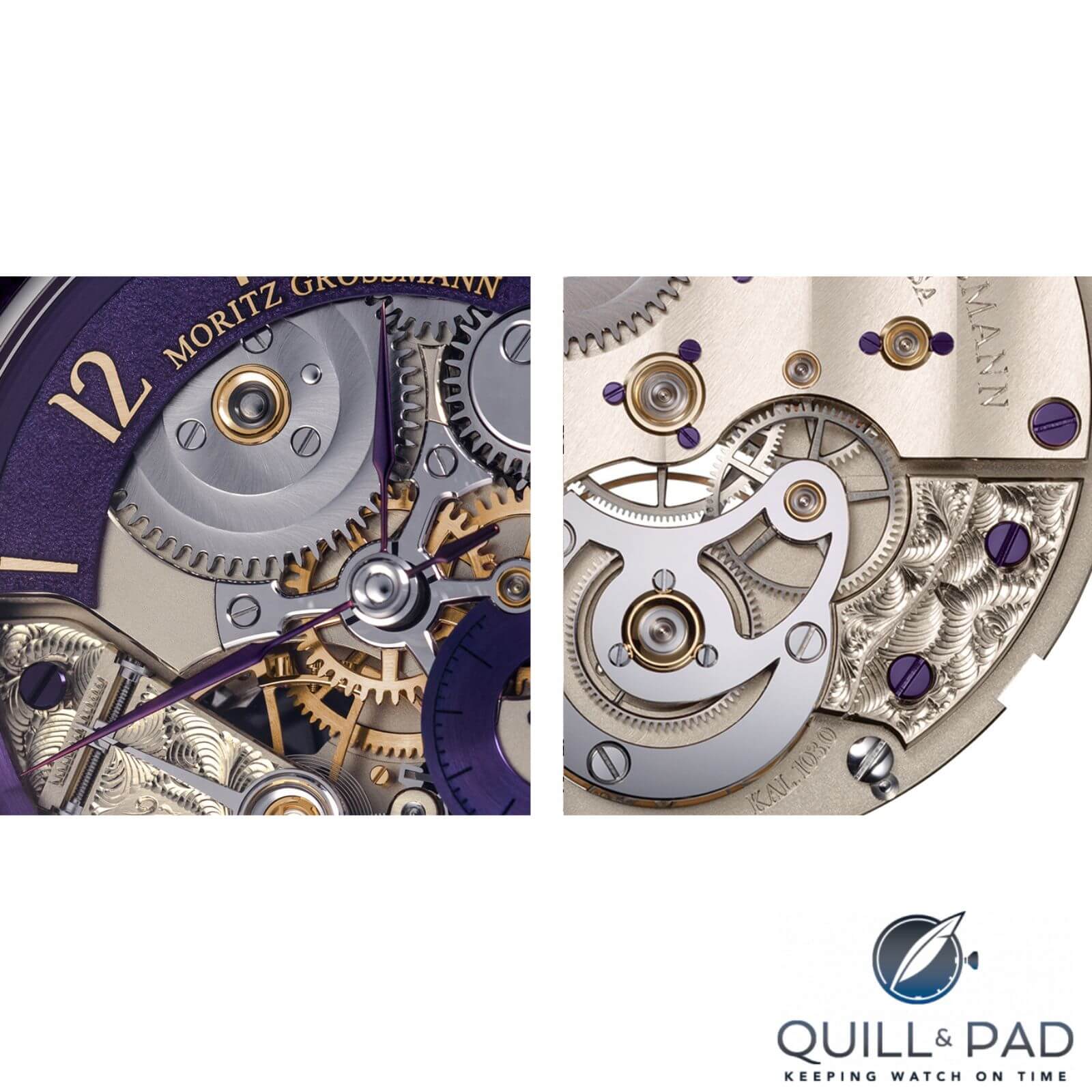
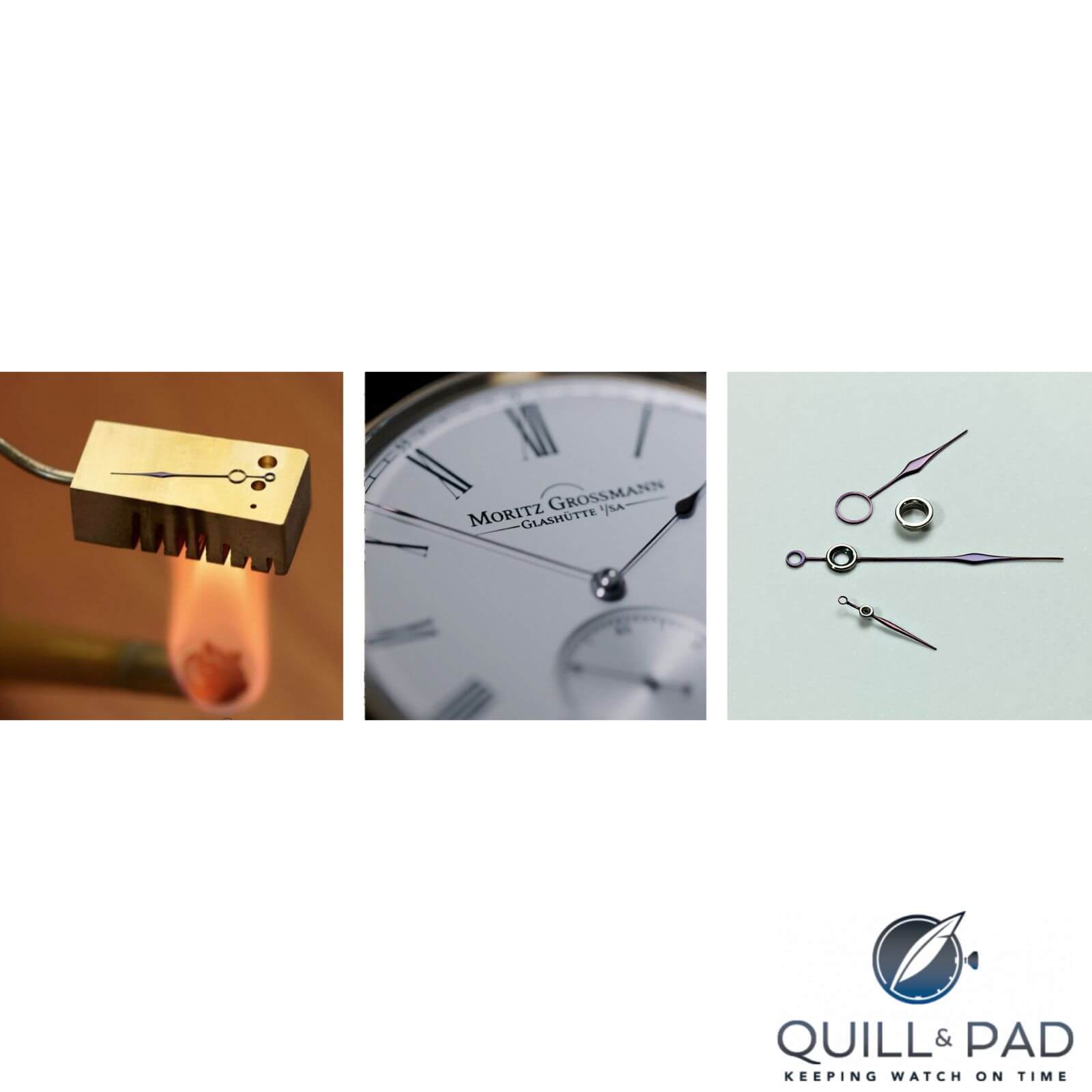
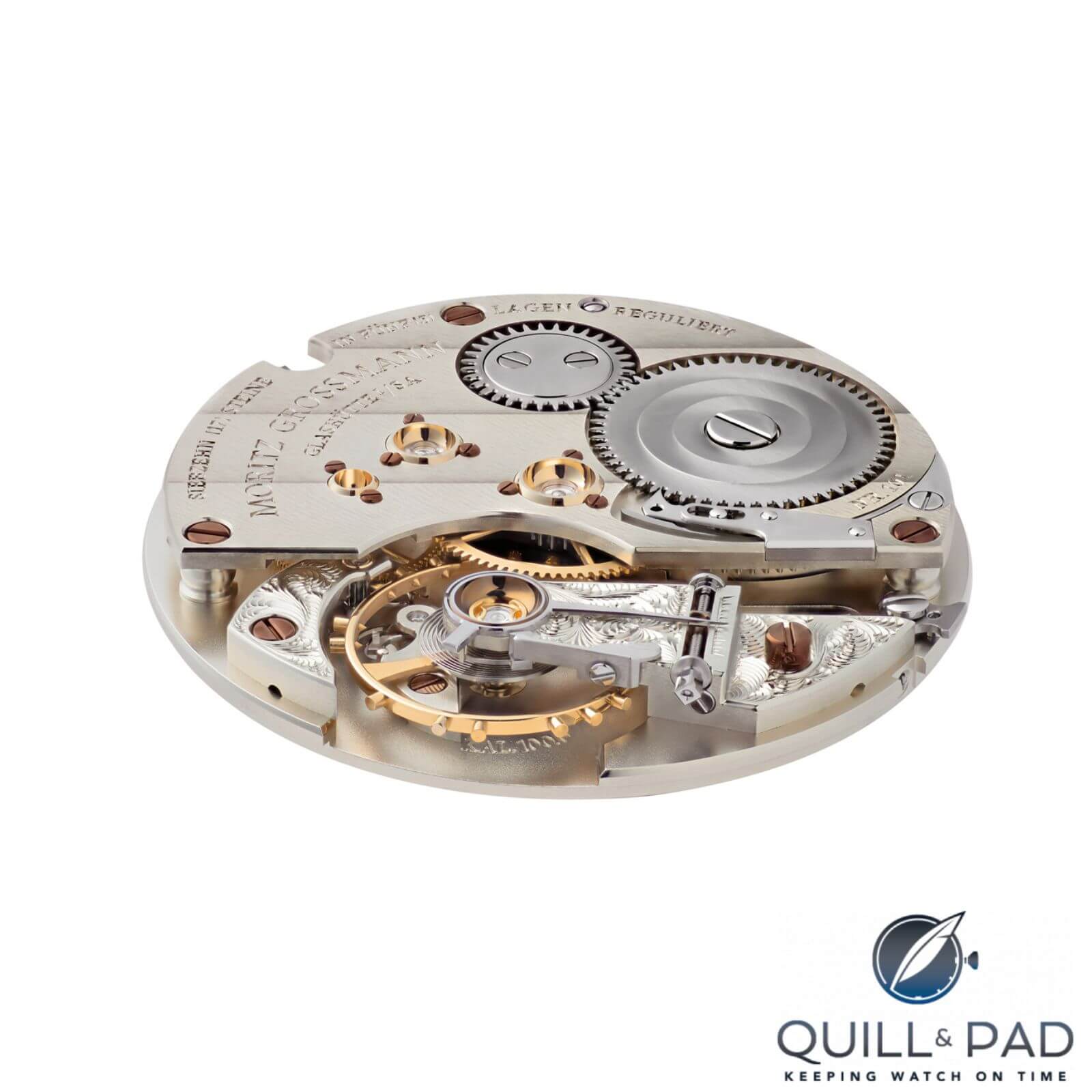
The first detail that often captures attention is the unusual, highly reflective shine emanating from the center of the dial. The minute hand collet, and similarly the small seconds hand collet, features a concave, spherical, mirror-polished internal section surrounding the shaft of the cannon pinion. This seemingly minor element is a testament to the brand’s commitment to transforming every detail into a masterpiece through ingenuity, craftsmanship, and dexterity. This meticulous finishing extends to the movement, where the chatons of the balance jewel and other jewels protrude noticeably and are also polished to a high sheen, creating a cohesive and stunning aesthetic effect from dial to movement.
2. The Hue of Time: Unique Blued Steel
The blued steel components in MGr watches, such as the hands and screws securing the chatons, possess a distinctive hue. Unlike the common cornflower blue seen in many timepieces, MGr’s blued steel exhibits a unique coloration, often described as deep brownish-violet, ripe cherry, or purple. Achieving this specific shade requires the utmost control over the heating process by the craftsman, showcasing a refined mastery of traditional techniques.
3. Handcrafted Elegance: Refined Watch Hands
Moritz Grossmann produces some of the most exquisitely crafted hands in modern watchmaking. The meticulous brushing and polishing of the tips ensure a sense of sharpness and precision. While brands like Laurent Ferrier are known for their distinctive assegai hands, MGr’s original hand style, widely used across its modern collection, is based on elongated and very narrow lozenge hands – a classic shape popularized in the 1930s. This attention to detail in hand design contributes significantly to the overall aesthetic appeal.
4. Architectural Prowess: In-House Pillar-and-Plate Construction
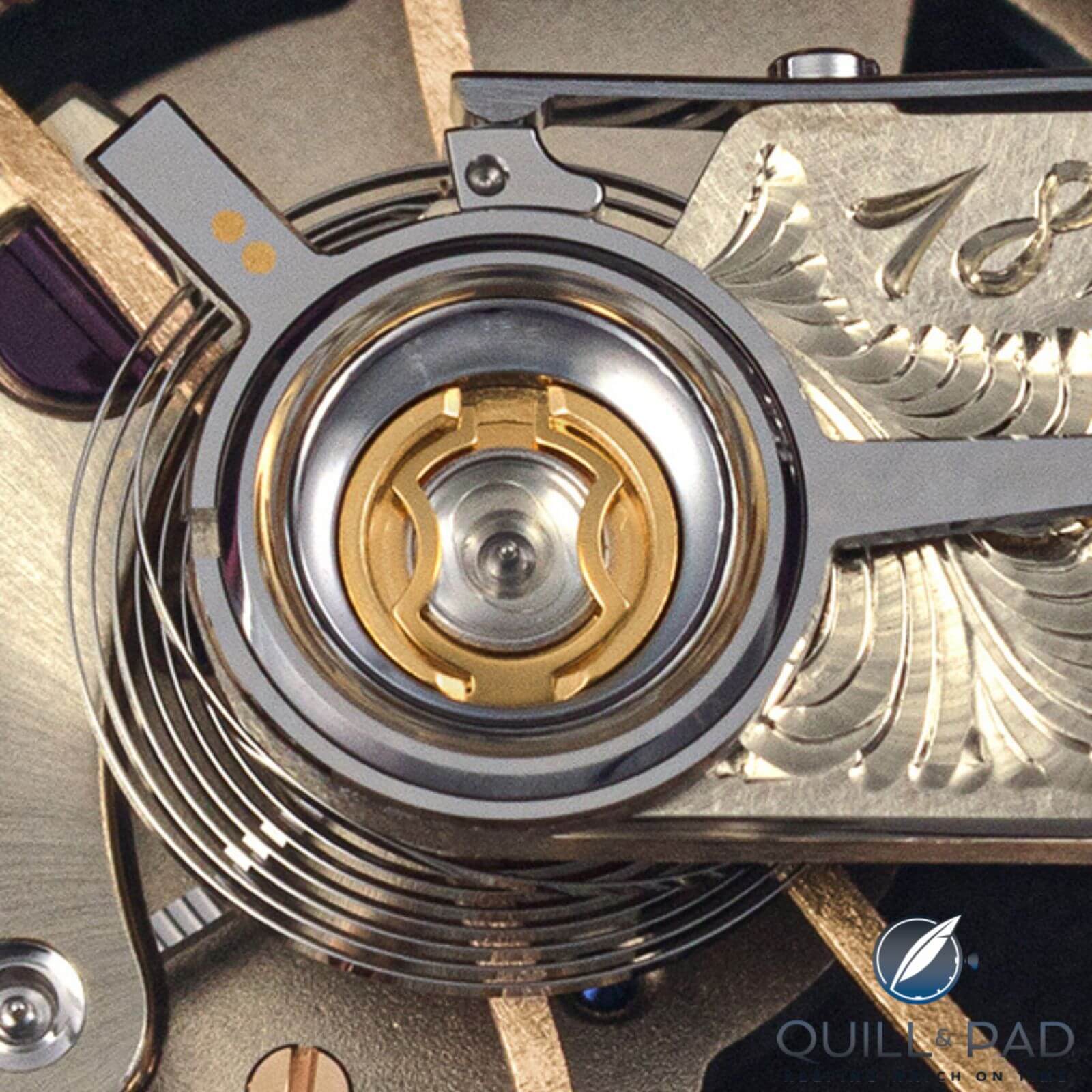
All MGr calibers are developed and produced in-house, ensuring their exclusivity. A striking feature is the use of pillar-and-plate construction in many of these movements. This design, reminiscent of early German watchmaking traditions where craftsmen resisted adopting French and Swiss Lepine bridge-caliber construction, is adapted from the traditional two-plate caliber scheme into a 2/3 or 3/4 plate design. This architectural choice underscores the brand’s commitment to heritage and intricate mechanical engineering.
5. Chronometer-Quality Assurance: Breguet Overcoil Balance Spring
A significant commitment to chronometer-quality components is demonstrated by the inclusion of a balance spring with a Breguet overcoil in many MGr calibers. While modern watchmaking often views this as an unnecessary expense, its presence signifies good taste and a deep respect for the customer, ensuring enhanced timekeeping precision.
6. Precision Restart: Manual Winding with Crown and Pusher
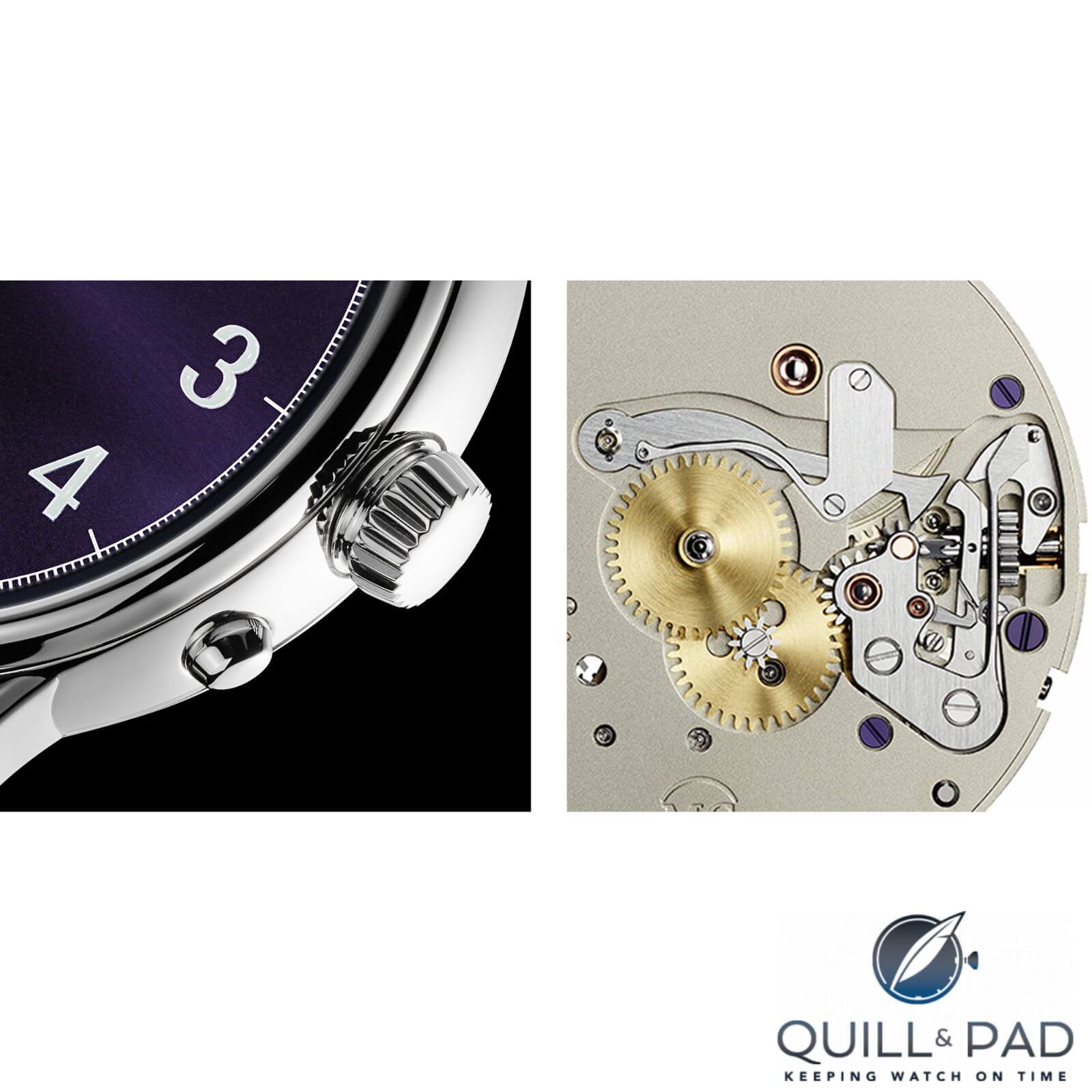
The manual winding system, featuring a crown and pusher, allows for a perfect restart of the movement after precise setting of the hands. This highly sophisticated mechanism, a modified remontoire, is engineered for perfectionists. When the crown is pulled out, the movement stops, and the crown immediately returns to its starting position. The watch remains stopped until the crown is turned to set the hands and the pusher is engaged to restart the movement. This system meticulously eliminates the common issue of minute hand shift that can occur with traditional remontoire systems.
7. Intricate Click Designs: A Symphony of Ratchet Wheels
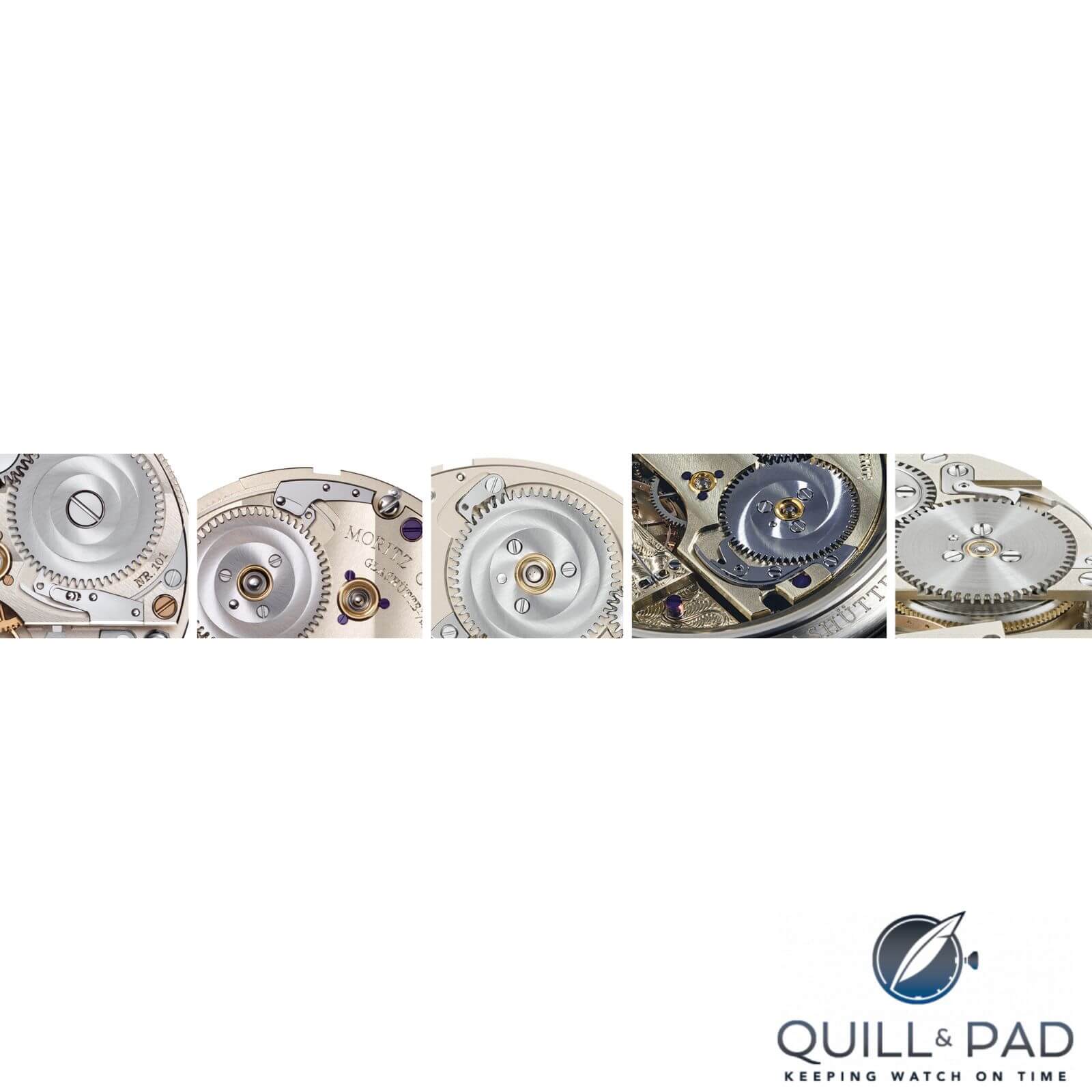
Moritz Grossmann utilizes a fascinating array of five different click designs across its watch calibers. This diversity, while raising questions about the technical necessity, adds a layer of intrigue and showcases the brand’s exploration of mechanical nuances. The spectacular sliding-action ratchet wheel click found in the original caliber 100.0, which effectively relieves excess tension on the mainspring during manual winding, is a particular highlight.
8. The Art of Snailing: Elaborate Ratchet Wheel Finishing
The ratchet wheel of the winding barrel often features a traditional and rare finishing technique: 3-band snailing. While a single or double snailing would suffice, MGr frequently employs the most elaborate three-band version, particularly in calibers like 100.0 and its derivatives. This intricate finishing, also seen in a slightly simpler 2-band form in some models, adds a very attractive accent to the movement’s visual appeal.
9. The Grossmann Micrometer Screw Regulator: Precision Adjustment
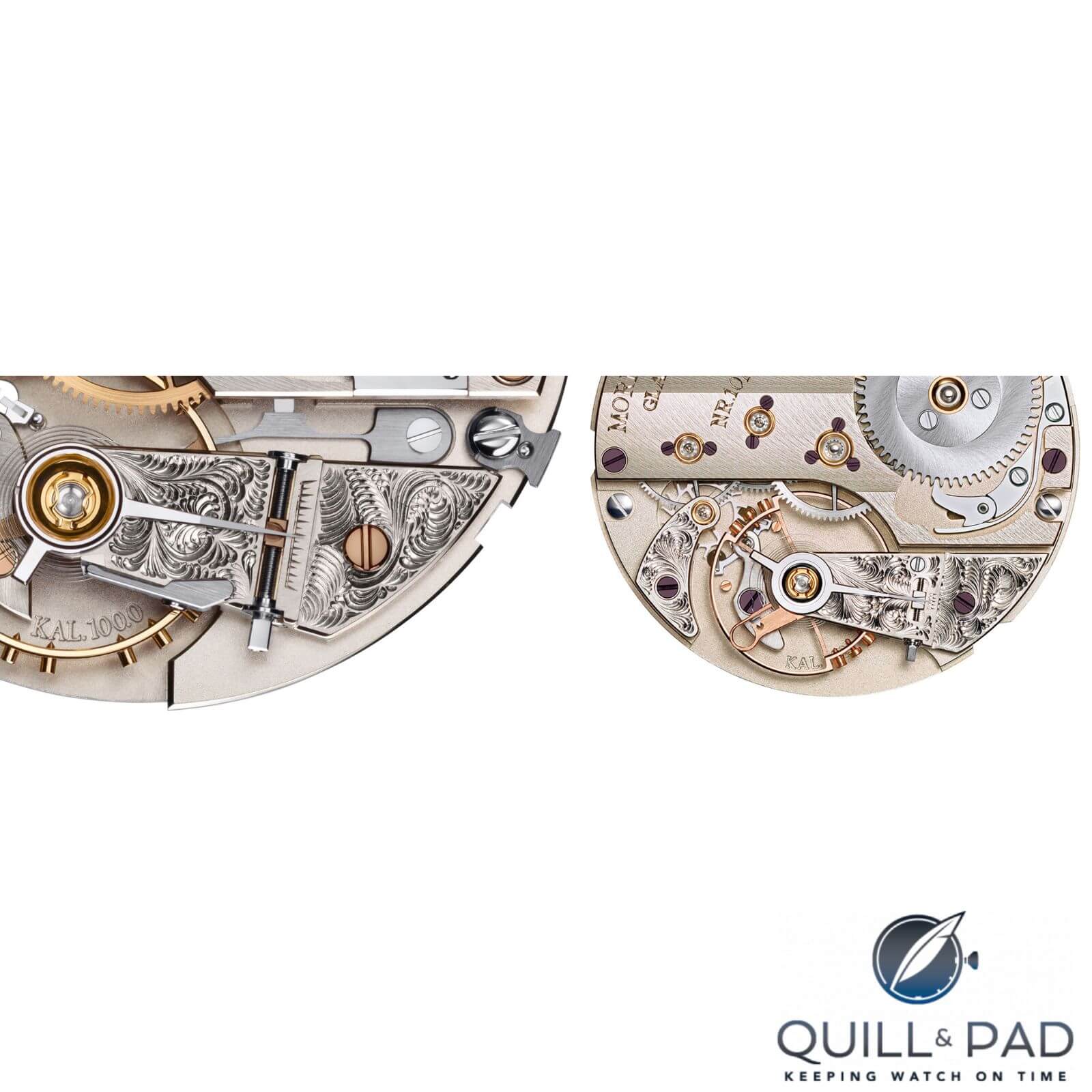
Modern MGr watches employ the Grossmann micrometer screw regulator system for adjusting the hairspring’s effective length. This system, featuring a long micrometer screw and a non-rotating sliding bolt, allows for precise index shifts. The presence of two variations of this regulator – an open style in caliber 100.0 and a semi-open style in later calibers – hints at the brand’s continuous refinement. This regulator is believed to have been invented by Carl Moritz Grossmann himself, with examples found in pocket watches dating back to the 1870s.
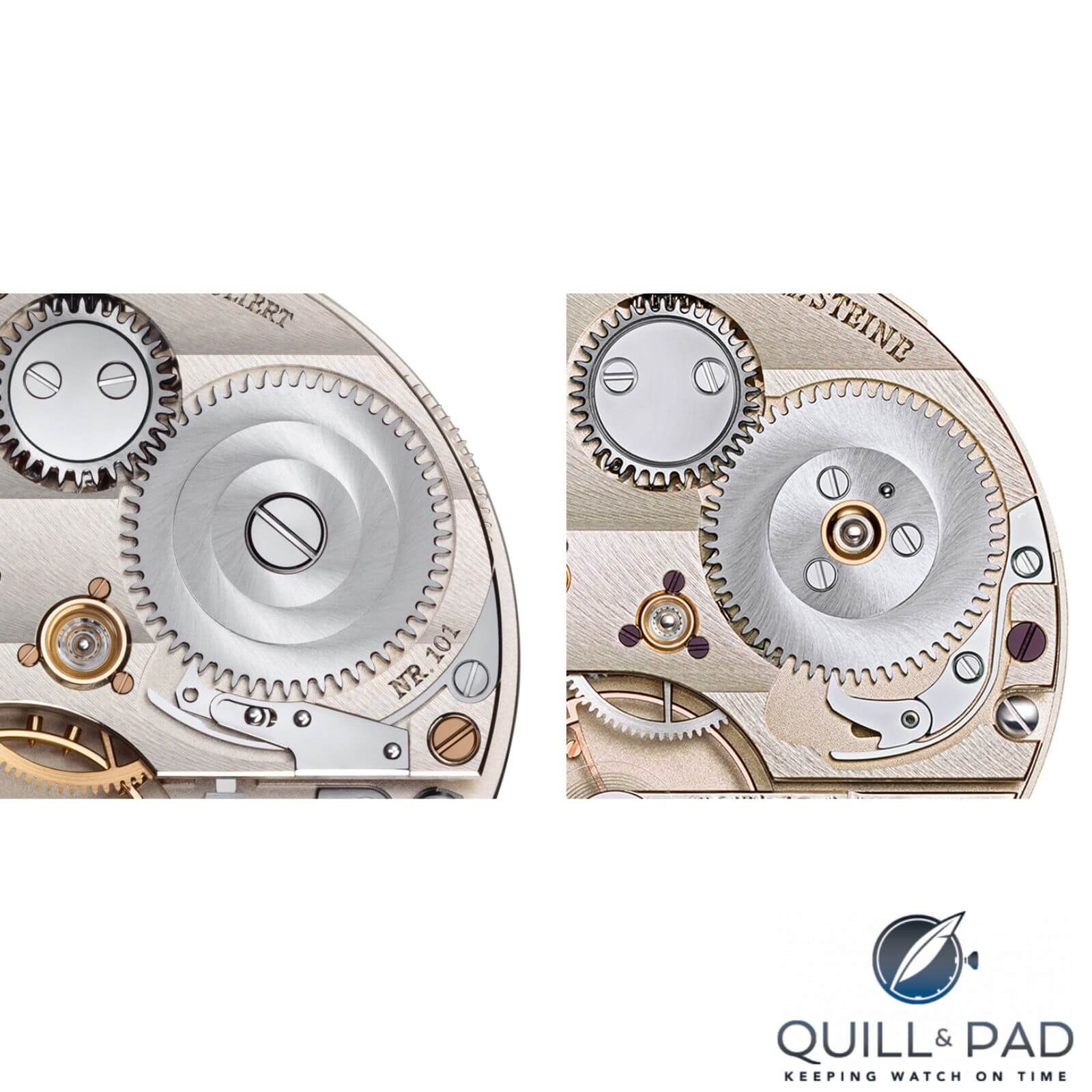
10. Transparent Jewels: A Distinctive Aesthetic Choice
The use of colorless sapphire jewels in many MGr calibers, while technically sound, represents a departure from the traditional aesthetic expectation of red jewels in high-quality movements. While colorless jewels offer no technical disadvantage, the visual impact of large red stones, as seen in some 19th and early 20th-century pocket calibers, is undeniably magnificent. This choice, however, is a deliberate part of MGr’s unique design language.
11. Hand-Engraved Inscriptions: The Mark of a Master
The presence of hand-engraved inscriptions on the two-thirds mainplate is a significant hallmark of niche mechanical watches. Unlike the CNC-machine engraving common in modern luxury watches, MGr’s commitment to exclusively hand engraving imbues its timepieces with the distinctive touch of a master craftsman, adding an artisanal value that cannot be replicated.

12. Exquisite Scroll Engraving: A Flourish of Detail
In most MGr movements, excluding the 200-series calibers, the balance cock and escapement wheel bridge are adorned with an exquisite hand-engraved scroll motif. This is not a subtle embellishment but an extensive engraving that covers almost the entire upper surface of these bridges, leaving only the technically necessary areas unadorned. This detailed artistry elevates the visual complexity of the movement.
13. "Tremblage" Dial Finish: A Textured Canvas
Introduced in 2021, the "tremblage" dial style features a chaotic yet uniform textured engraved finish. While this technique has been employed by other brands, MGr’s application on nickel silver creates a particularly dramatic and vintage mood due to the inevitable patina that develops over time. This choice adds a unique depth and character to the dials.
14. Silver-Plating by Friction: A Rare 19th-Century Technique
The "silver-plating by friction" technique, a rare 19th-century method, imparts a distinctive character to MGr dials. This process, involving rubbing a mixture of silver powder, salt, and cream of tartar onto the dial blank, creates a fine matte texture reminiscent of an eggshell’s surface, bestowing an airy, warm, and soft feel. This finish beautifully complements engraved numerals and hands, resulting in unforgettable color combinations.
These fourteen particularities, from the subtle gleam of polished collets to the rare artistry of friction silver-plating, collectively define the unique character of Moritz Grossmann watches. They are the elements that speak to a deep appreciation for traditional watchmaking, meticulous craftsmanship, and a distinct artistic vision, firmly establishing the brand’s place in the pantheon of haute horlogerie.