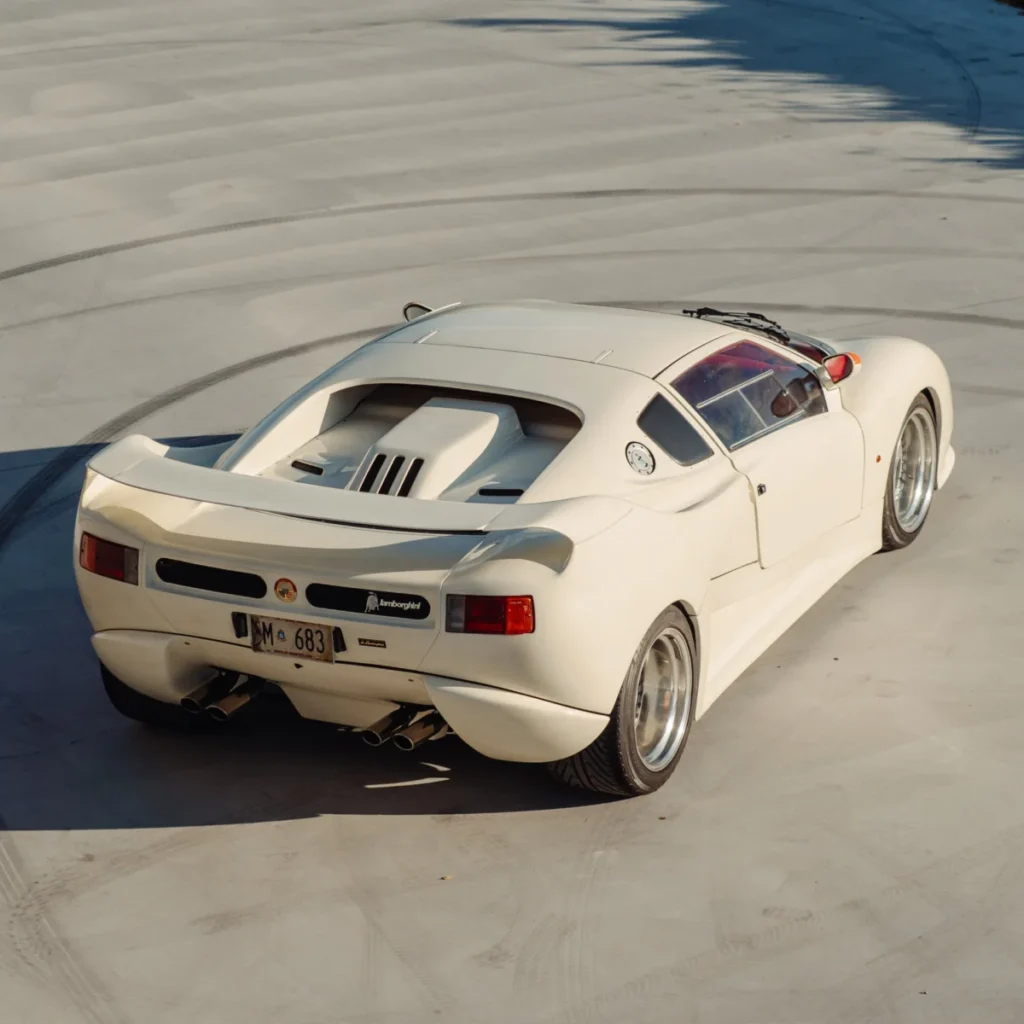
While the automotive world still marvels at the enduring legacies of iconic 1990s supercars like the McLaren F1, Jaguar XJ220, and Bugatti EB110, the same era also bore witness to ambitious projects that, despite immense promise, faded into obscurity. Among these is the Monte Carlo Automobile Centenaire, a vehicle that, on paper, represented a pinnacle of automotive engineering and design. Announced to commemorate the 100th anniversary of the Automobile Club de Monaco, an institution renowned for organizing prestigious events such as the Monaco Grand Prix and the Monte Carlo Rally, the Centenaire’s production was severely limited to just five units. The very first of these rare machines recently crossed the auction block at Broad Arrow Auctions during the Zoute Grand Prix Car Week, offering a poignant glimpse into a fascinating, albeit ill-fated, chapter of 1990s supercar history.
The Genesis of Monte Carlo Automobile
Monte Carlo Automobile (MCA), founded by Italian-born racing driver Fulvio-Maria Ballabio, emerged from a vision to create a world-class supercar. Ballabio, who had honed his skills in Formula 2 and CART racing during the 1980s, assembled a formidable team of automotive luminaries to bring his dream to fruition. This elite group included Carlo Chiti, a distinguished race engineer with a storied career at Alfa Romeo and Ferrari, credited with contributions to the 1961 Formula 1 championship-winning Ferrari 156 "Sharknose." The roster of talent also featured former Formula 1 driver Guglielmo Bellasi, ex-Alfa Romeo Sporting Director Pierluigi Corbari, and F1 specialist Marcel Zunnino. This constellation of expertise underscored the high aspirations for MCA and its inaugural creation.
MCA proudly positioned itself as the first automobile manufacturer to be established and operate from Monte Carlo. The Centenaire, initially conceived as the GBT, underwent a five-year development period before its renaming to honor the centenary of the Automobile Club de Monaco. Its presentation to Prince Albert II of Monaco signaled the vehicle’s significance and the principality’s association with automotive excellence.
Engineering Prowess and Technological Innovation
The Monte Carlo Automobile Centenaire was not merely a design exercise; it was a testament to advanced engineering for its time. Ballabio’s vision was to create a vehicle that could rival the established titans of the supercar world. A key highlight of the Centenaire’s engineering was its groundbreaking construction, with claims suggesting it was the first road-going car to feature a carbon fibre monocoque chassis. This claim, however, is subject to debate, with sources also attributing similar pioneering efforts to the McLaren F1 and the Jaguar XJR-15, both of which were either contemporaries or emerged shortly after. The McLaren F1 entered the market two years later, while the Jaguar XJR-15 was unveiled in November 1990, a few months after the MCA Centenaire’s August debut. Regardless of precise timelines, the Centenaire’s adoption of such advanced materials placed it at the forefront of automotive innovation.
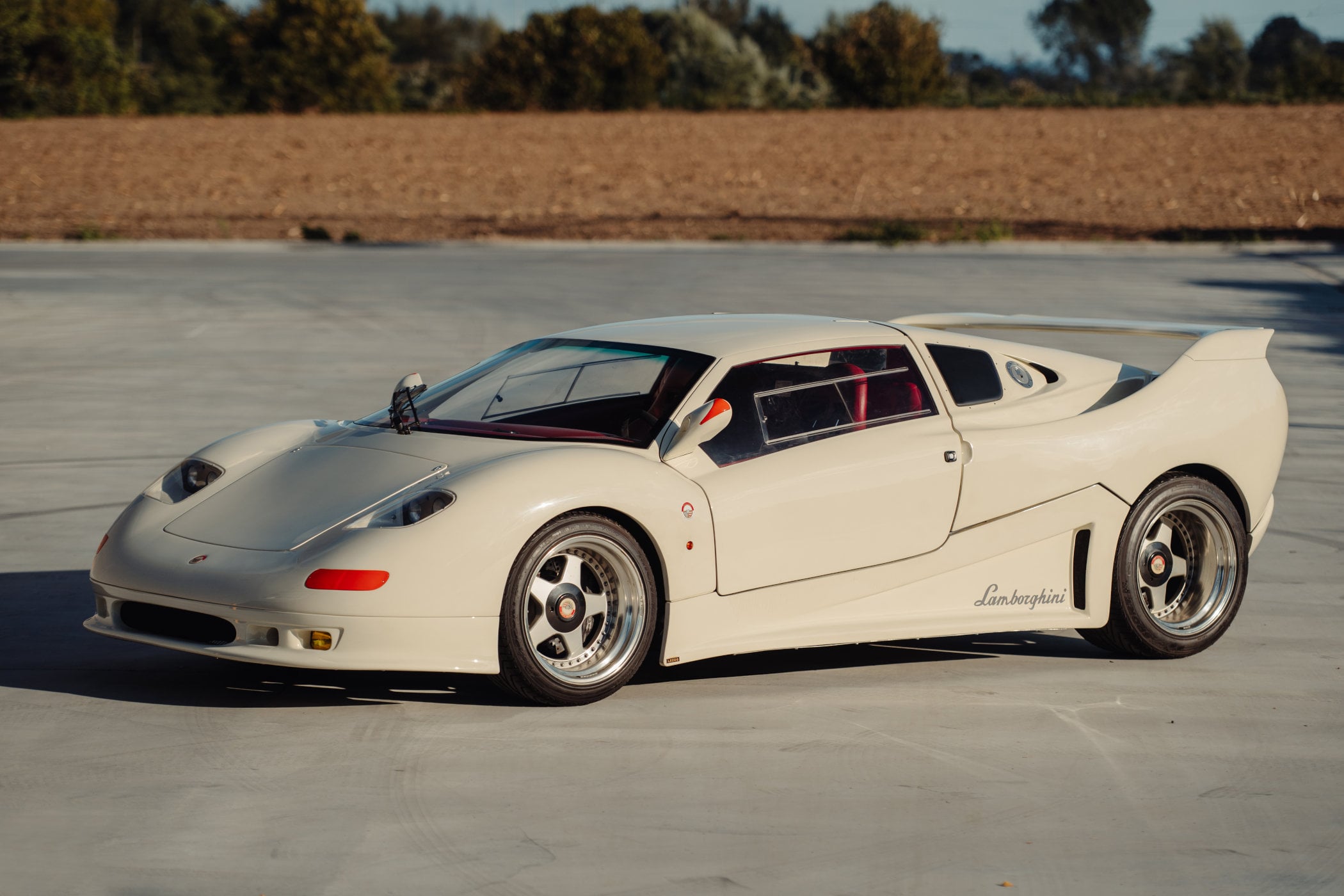
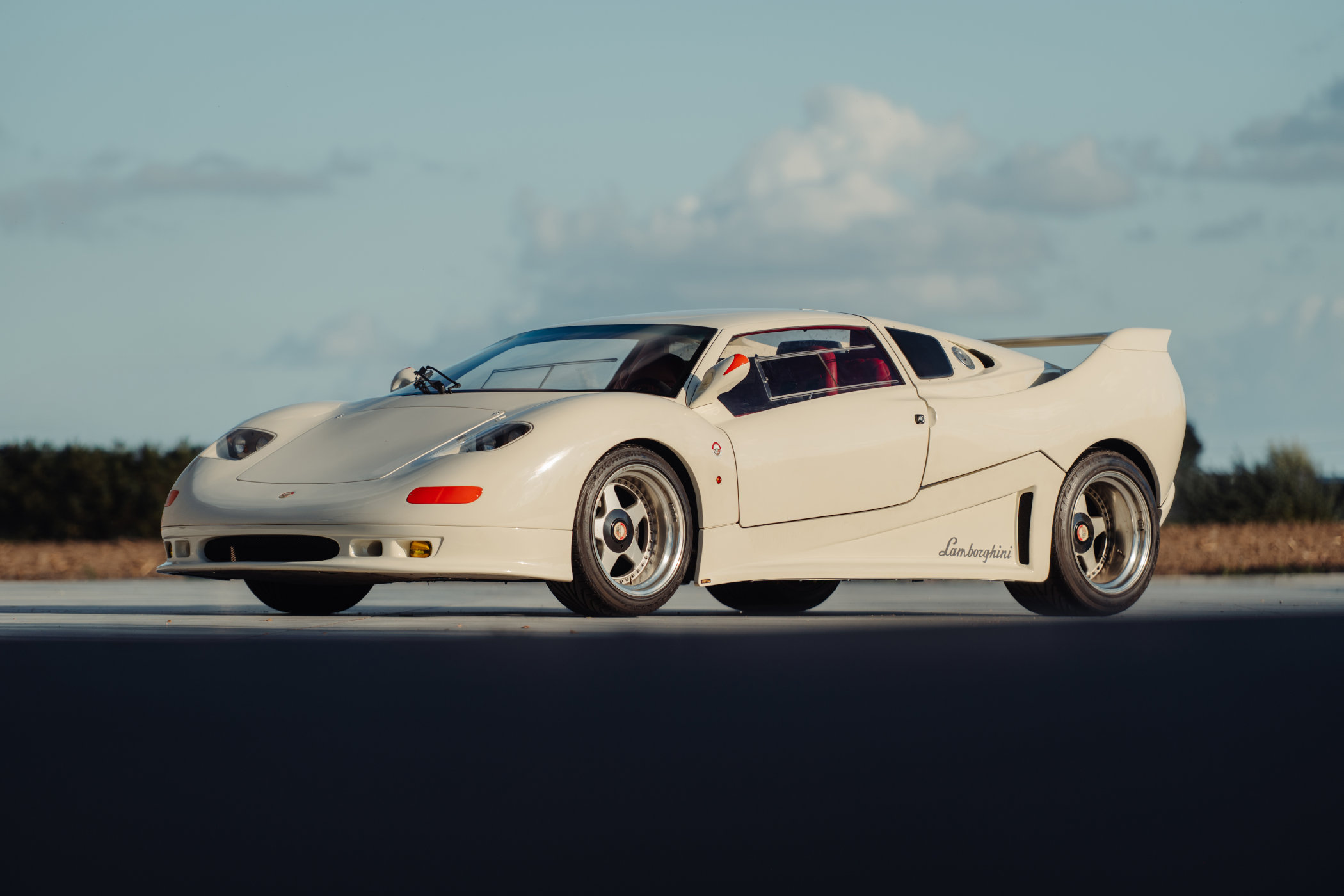
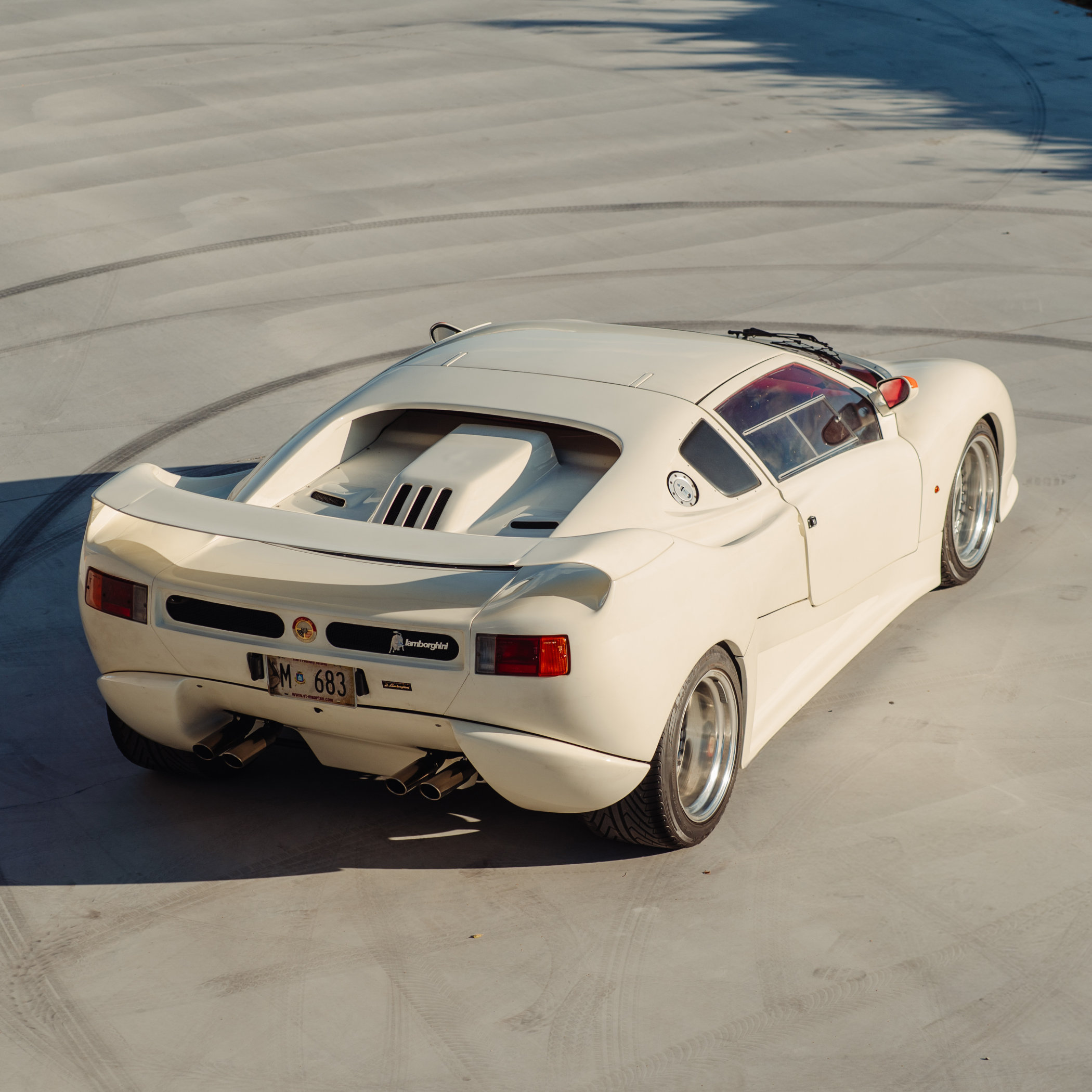
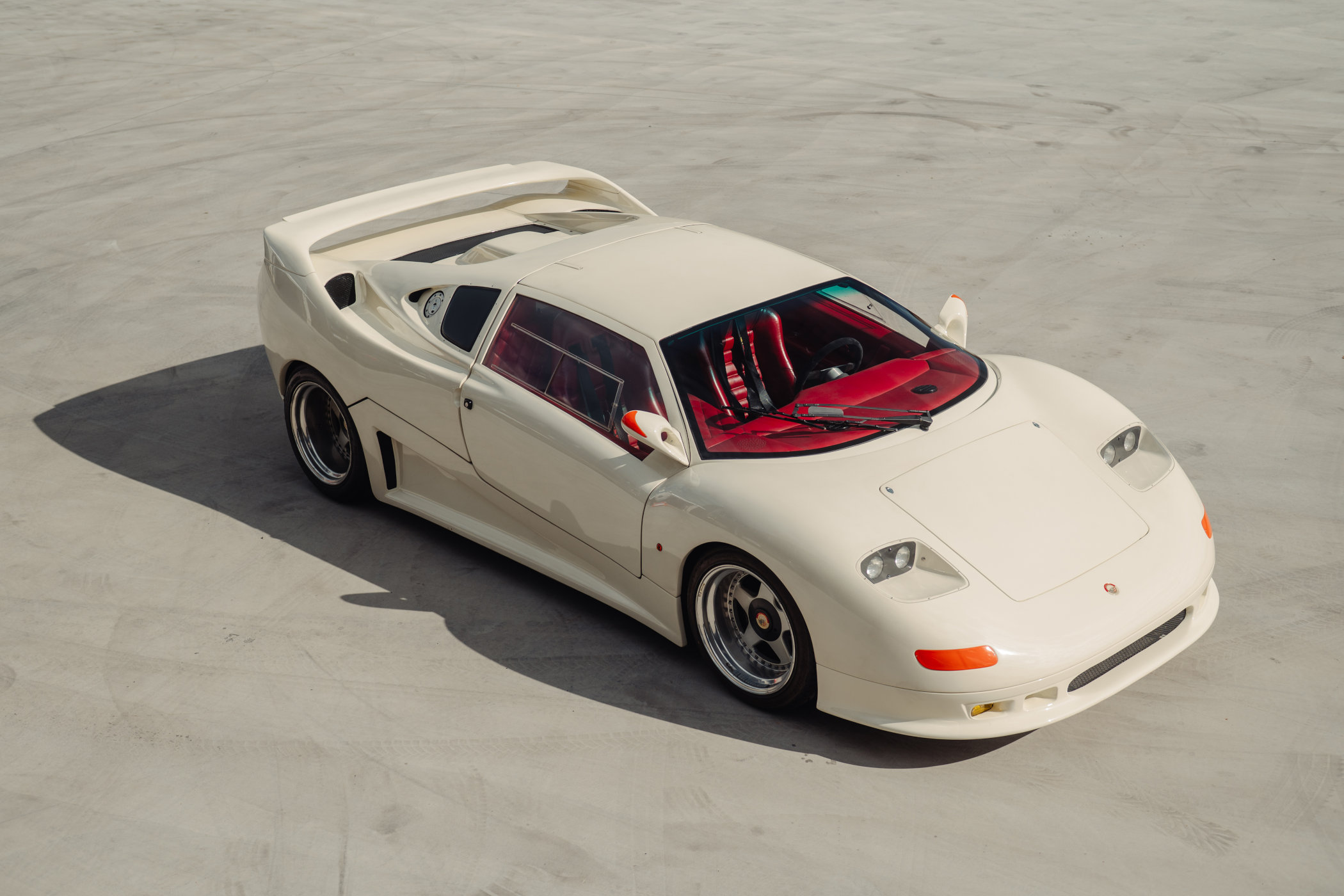
The car’s dimensions were characteristic of the era’s supercar design philosophy: compact yet potent. Measuring just 4.025 meters in length with a wheelbase of 2.520 meters, it possessed a taut, athletic stance. Its design featured short front and rear overhangs, a distinctive clamshell rear section, and a seamlessly integrated rear spoiler. The aesthetic was further enhanced by sharp lines, aggressive cuts, and numerous vents across its bodywork, culminating in dual twin exhaust tips peeking out from beneath the rear bumper. A striking styling cue was the prominent rising character line that began low at the front, ascended significantly towards the rear, accentuating the doors and the clamshell body before sweeping down and up again behind the rear wheels, imbuing the Centenaire with a palpable sense of drama.
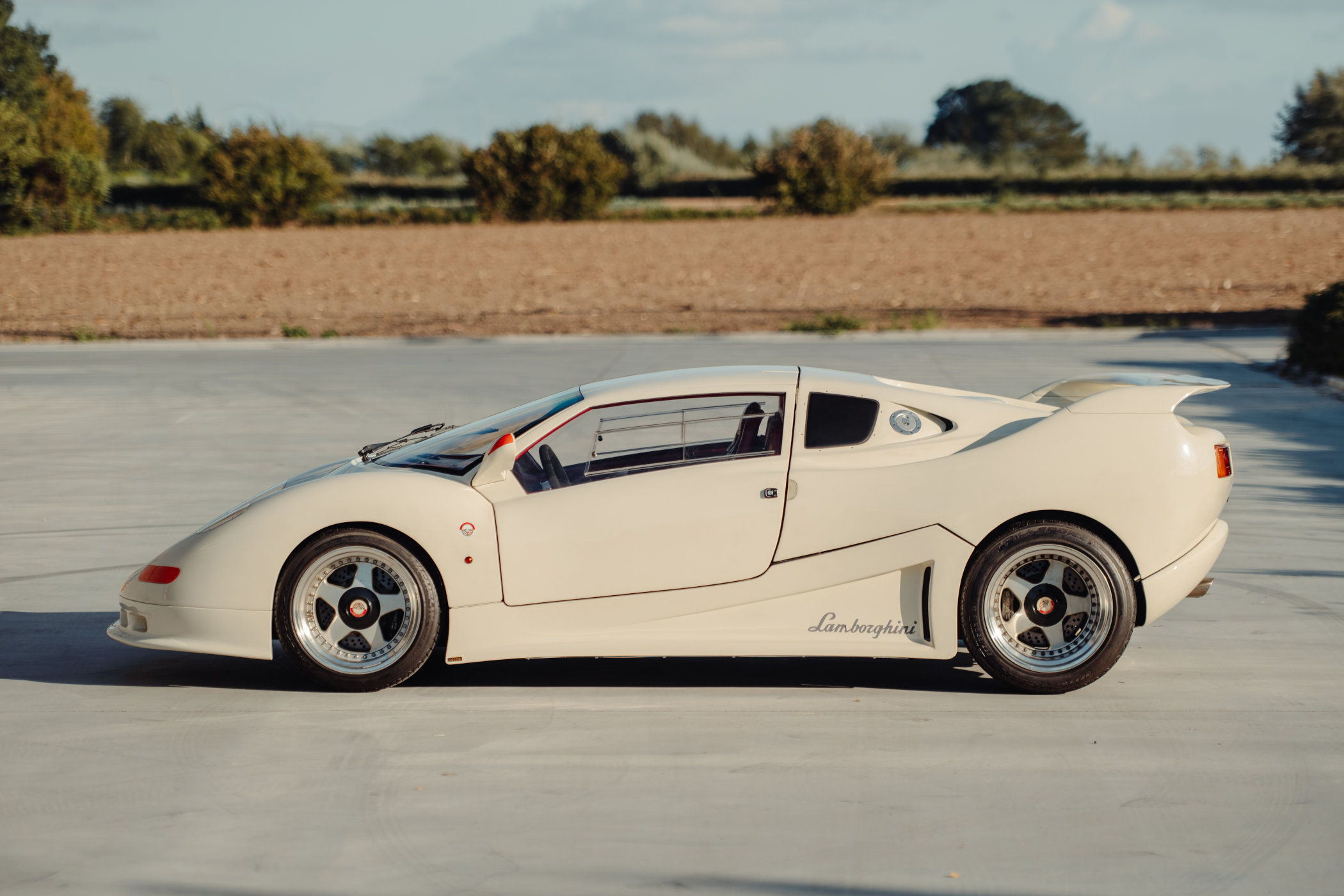
The interior, while not extensively detailed in the initial announcement, hinted at its racing pedigree. The inclusion of sliding plexiglass windows in the doors, a solution often adopted in race cars to save space within the door structure, further emphasized its performance-oriented design.
The Heart of the Beast: A Lamborghini V12
The supercar’s performance credentials were significantly bolstered by its powerplant. In 1989, Ballabio successfully negotiated a deal with Lamborghini to procure the potent 5.2-liter V12 engine from the Countach 5000QV. This formidable engine, mated to a ZF six-speed manual transmission, produced approximately 455 horsepower. Reports also suggested that MCA harbored plans to offer a Formula 1-derived 3.5-liter V12 with a twin-turbo setup, capable of exceeding 600 horsepower. Of the five Centenaires ultimately produced, three were fitted with the Lamborghini V12, including the car that went under the hammer at Zoute.
The association with Lamborghini was not merely functional; the iconic marque’s name was visibly emblazoned on the car’s exterior, a clear statement of its performance pedigree. This strategic choice highlighted MCA’s ambition to align its creation with the established prowess of Italian supercar manufacturing.
The Shadow of Economic Turmoil and Shifting Ownership
Despite its impressive engineering and pedigree, the Monte Carlo Automobile Centenaire’s trajectory was profoundly impacted by external economic forces. The early 1990s were marked by a global financial crisis that significantly dampened demand for ultra-luxury and high-performance vehicles. This economic downturn proved to be the Achilles’ heel of many ambitious supercar projects of the era, and the Centenaire was no exception.
The rights to the company and the car were sold in 1993 to a Georgian businessman who harbored aspirations of competing at Le Mans. However, these plans never materialized beyond the qualification stage. Two years later, the Aixam Mega Group acquired control of MCA. Under their stewardship, the Centenaire underwent a redesign and rebranding as the Mega Monte Carlo. This iteration saw a significant change in its powertrain, with the Lamborghini V12 being replaced by a 6.0-liter V12 engine sourced from Mercedes-Benz. This same engine would later find its way into the first-generation Pagani Zonda, another testament to its high-performance capabilities.
The Aixam Mega Group eventually relinquished control of MCA, returning it to Ballabio. In the subsequent years, MCA pursued several other projects, including a collaboration with the FIA and Carlo Chiti, and the development of the Monte Carlo BRC W12, powered by Volkswagen Audi Group’s 6.0-liter W12 engine in the mid-2000s. In 2014, the company announced yet another supercar project, the Rascasse, intended for a limited production run of 15 units, though the actual build status of these vehicles remains unclear. MCA appears to remain active, though its current operational focus is somewhat enigmatic.
The Centenaire’s Journey: From Prototype to Auction Block
The specific Monte Carlo Automobile Centenaire that featured at the Zoute Grand Prix Car Week is particularly significant as it is the very first chassis produced by MCA. Originally finished in ivory white, it was repainted blue at some point in its history. However, the most recent owner undertook a meticulous restoration, returning the car to its factory specifications, complete with an ivory white exterior and a red leather interior. This restoration effort aimed to preserve its historical integrity and showcase its original design intent.
The car’s provenance is well-documented. It was owned by Lamborghini for approximately a decade before being returned to Fulvio-Maria Ballabio in the early 2000s. In 2007, it was repainted and exhibited at Rétromobile alongside the Lamborghini Pregunta concept car. Its recent restoration has returned it to its original livery, accompanied by comprehensive historical records and documentation. A letter from MCA representative Matteo Ramello confirms its status as the first unit built and its role as a testing and demonstration vehicle.
The Auction Outcome and the "What If" Factor
The appearance of the Monte Carlo Automobile Centenaire at Broad Arrow Auctions during the Zoute Grand Prix Car Week provided a rare opportunity for collectors and enthusiasts to acquire a piece of automotive history that embodies both extraordinary ambition and the harsh realities of market timing. The pre-auction estimate for this unique vehicle was set between EUR 900,000 and EUR 1,200,000, with no reserve. Ultimately, the final hammer price settled at EUR 725,000, exclusive of buyer’s premium and VAT.
While this figure fell short of the higher end of the estimate, it still represents a substantial investment in a car that, for many, symbolizes a tantalizing "what if" scenario in the supercar landscape. The Centenaire stands as a tangible reminder of the audacious dreams and cutting-edge engineering that characterized the 1990s supercar boom, and the unfortunate circumstances that can sideline even the most promising ventures. Its existence serves as a running, driving testament to the potential that was, and the enduring allure of automotive innovation.
For those seeking further details on this remarkable vehicle and its auction, information is available through Broad Arrow Auctions. The editorial note accompanying the original report highlights that the information and images used are sourced from and published with the permission of Broad Arrow Auctions, underscoring the collaborative effort to bring this story to light. The Monte Carlo Automobile Centenaire, though produced in minuscule numbers and hampered by economic headwinds, remains a compelling footnote in the annals of supercar history, a machine that dared to dream big and engineer with the best.