Hyundai Motor, including its premium Genesis division, has outlined an ambitious strategy to launch 41 new or refreshed models in Europe by the year 2030. This significant commitment positions the South Korean automotive giant to actively challenge the growing dominance of Chinese brands in the European market, a region where several other Asian manufacturers have begun to scale back their presence. The comprehensive product offensive, revealed during Hyundai’s annual investor day on August 26th, underscores the company’s unwavering belief in the long-term potential of the European automotive landscape.
A Comprehensive Product Offensive Targeting Electrification and Core Segments
The forthcoming wave of new vehicles will encompass a diverse range of segments, with a particular emphasis on electrification. Hyundai executives disclosed plans for a region-specific small electric SUV, designed to cater to the unique demands and preferences of European consumers, alongside a mid-sized electric SUV. Furthermore, the company intends to bolster its commercial vehicle offerings, signaling a holistic approach to market penetration.
This aggressive product rollout is intrinsically linked to Hyundai’s electrification targets for the continent. The company aims to nearly quadruple its electric vehicle (EV) sales in Europe by 2030, targeting an annual volume exceeding 420,000 units, a substantial leap from the 116,000 units projected for 2025. This ambitious goal reflects a broader industry trend towards electrification, but Hyundai’s commitment stands out against a backdrop of increasing competition and evolving consumer preferences.
Addressing Past Challenges and Reasserting Market Position
Hyundai has historically trailed its sibling brand, Kia, in the pace of electric vehicle launches in Europe, a factor that has contributed to a widening sales gap between the two marques. However, the company is determined to reverse this trend with a revitalized EV strategy. The imminent launch of the new European-built Ioniq 3 later this year will serve as the vanguard of this renewed push, followed closely by the aforementioned Europe-specific small SUV.
Beyond its electric ambitions, Hyundai also recognizes the continued importance of internal combustion engine (ICE) and hybrid vehicles in the European market. New ICE model launches are also on the agenda, including a new i20 hatchback based on a version of the recently revealed Brazilian model, indicating a commitment to refreshing its popular compact offerings. Furthermore, a larger replacement for the Tucson compact SUV, the brand’s best-selling model in Europe, is also slated for introduction. This strategic approach ensures that Hyundai caters to a broad spectrum of customer needs and preferences, from early adopters of electric technology to those still opting for traditional powertrains.
The company is also considering the importation of the extended-range electric version of the Santa Fe SUV, currently being built in the US. This model is touted to deliver an "EV-like" driving and acceleration experience, further expanding Hyundai’s electrified portfolio.
A Strategic Stand Against Market Deprioritization
Hyundai’s steadfast commitment to Europe stands in stark contrast to the strategic shifts observed among other Asian manufacturers. Brands like Nissan and Honda, for instance, have begun to reallocate investment away from the European market, opting to concentrate their resources on other, potentially more lucrative, global territories. This divergence in strategy highlights the unique competitive pressures and opportunities that Hyundai perceives in Europe, particularly in the face of a rapidly expanding Chinese automotive presence.
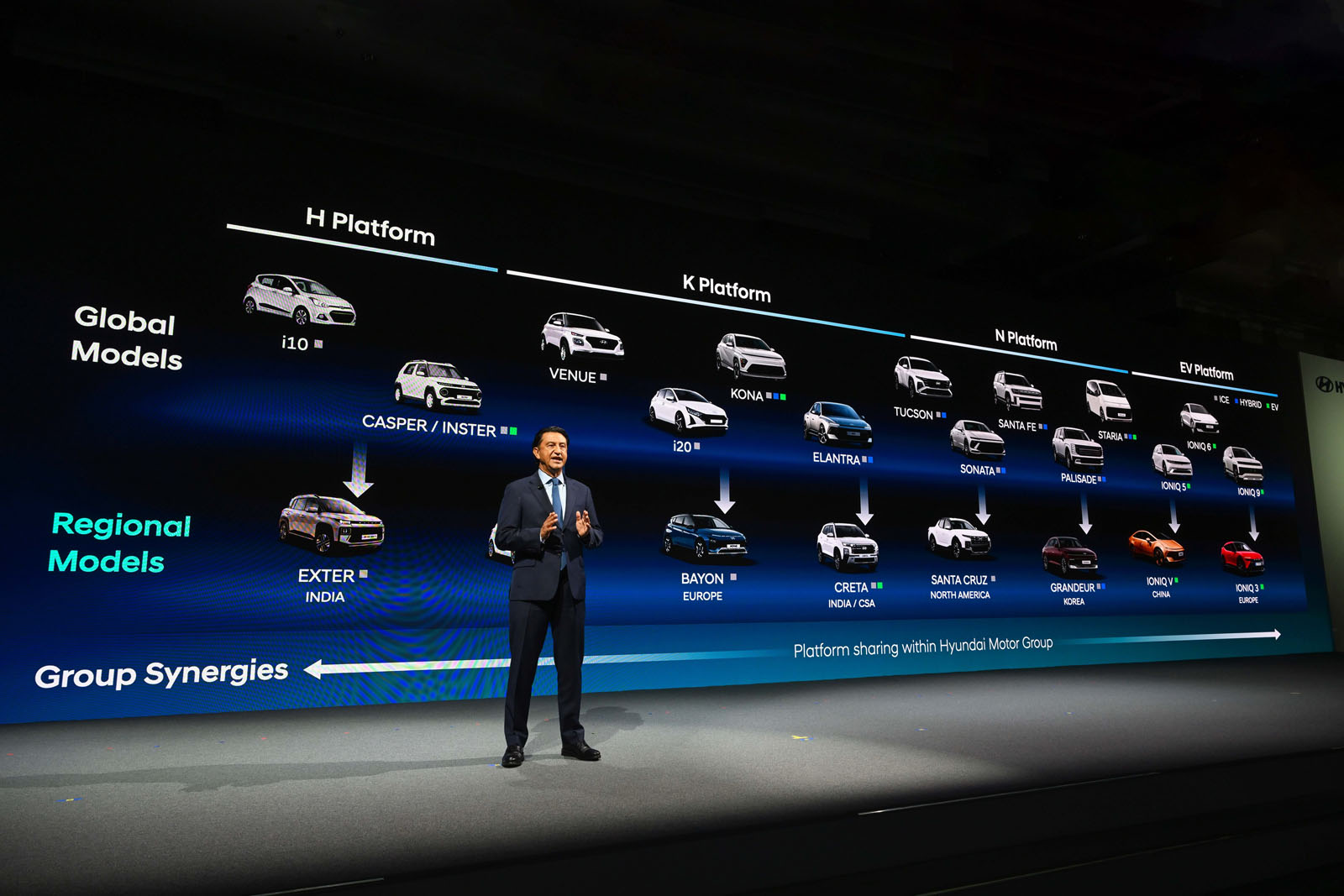
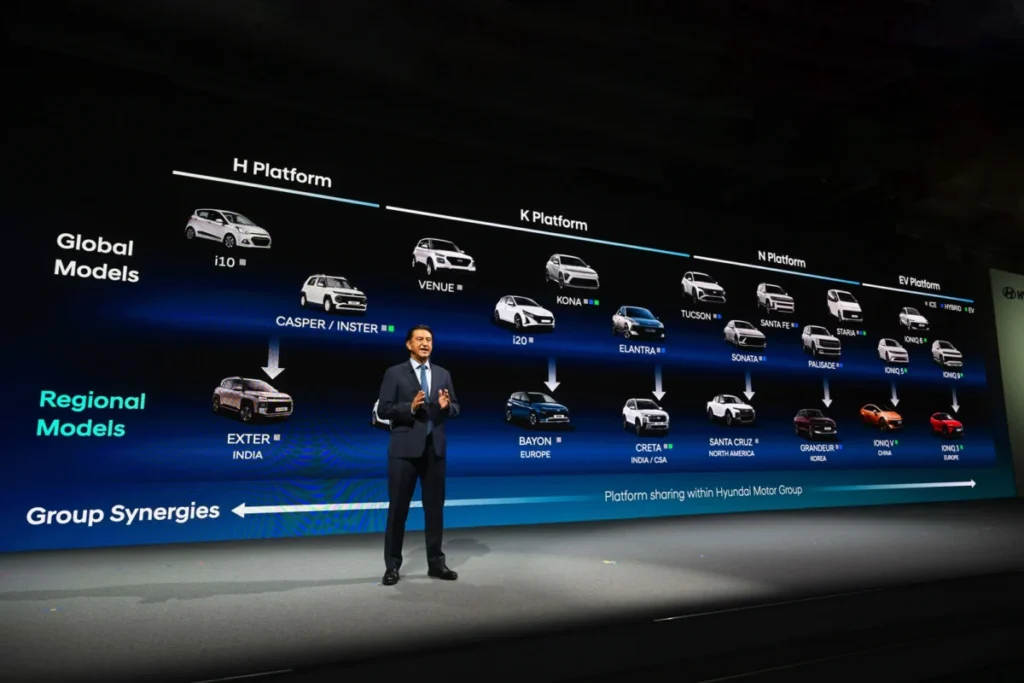
"Europe is one of the most competitive regions on the planet," stated CEO José Muñoz during the investor day event. This acknowledgment underscores the formidable challenge ahead, but also suggests a calculated assessment of Hyundai’s capabilities and market positioning. The company’s decision to double down on Europe suggests a belief that its product development, manufacturing capabilities, and brand perception are well-suited to navigate this complex environment.
Navigating the Cost Challenge and Profitability
The automotive industry globally is grappling with the challenge of matching Chinese competitors on cost, especially within the rapidly evolving electrified segments. Hyundai, however, appears to have a strategic plan to mitigate this pressure. The company announced that it has successfully reduced battery costs by 30% for its next-generation EVs. This cost-saving measure is crucial for maintaining competitiveness and profitability in a price-sensitive market.
Moreover, Hyundai emphasizes that combustion engine sales remain a vital component of its profit strategy in the region. "Every EV credit we earn protects the ICE and hybrid business alongside it," explained Muñoz. This integrated approach allows Hyundai to leverage its existing strengths in ICE technology while simultaneously investing in and expanding its EV offerings. The revenue generated from traditional powertrains can help subsidize the development and deployment of new electric models, creating a more sustainable business model for its European operations.
Genesis: A Long-Term Vision for Premium Electrification
The Genesis brand, Hyundai’s luxury marque, is also slated for continued development and expansion in Europe. Despite a subdued market reception since its launch in 2021, with sales figures reportedly trailing even those of Bentley thus far this year, Hyundai remains committed to building its presence in the premium segment. This long-term vision suggests a belief in Genesis’s potential to gain traction as the European automotive market continues its evolution towards electrification and premium offerings.
Globally, Genesis has ambitious plans for electrification. By 2027, the brand is set to launch a new extended-range EV model, promising an impressive range exceeding 640 miles, partly attributed to a new high-performance battery technology. Additionally, a hybrid version of the GV80 large SUV is in development, alongside the recently unveiled GV90 luxury electric SUV, positioned as a direct competitor to established luxury marques. While specific market assignments for these new Genesis models have not yet been announced, Europe is a highly probable target destination, aligning with the brand’s overall strategy to establish itself as a significant player in the global luxury EV space.
Broader Implications and Future Outlook
Hyundai’s aggressive European strategy has several significant implications for the automotive industry. Firstly, it signals a clear intent to contest market share directly with emerging Chinese players, potentially accelerating the pace of innovation and competition. Secondly, it demonstrates a continued faith in the European market’s resilience and long-term growth potential, despite current economic headwinds and geopolitical uncertainties.
The success of Hyundai’s plan will hinge on its ability to execute its ambitious product roadmap, effectively manage costs, and resonate with European consumers. The company’s focus on both electrification and the continued relevance of ICE and hybrid powertrains suggests a pragmatic approach that acknowledges the diverse needs of the market. Furthermore, the continued investment in the Genesis brand indicates a long-term vision for establishing a premium offering that can compete with established luxury automakers.
The automotive landscape is in a state of rapid transformation, and Hyundai’s bold commitment to Europe is a significant development to watch. By launching 41 new or refreshed models by 2030, the company is not just aiming to maintain its position but to significantly expand its influence across various segments of the European market, from mass-market vehicles to the luxury sector, with a strong emphasis on electrification. This strategic gambit underscores Hyundai’s ambition to be a leading force in the future of mobility in one of the world’s most discerning and competitive automotive markets. The coming years will be crucial in determining the extent to which this ambitious vision translates into tangible market success.