The additive manufacturing (AM) industry, once burned by the speculative fervor of Special Purpose Acquisition Companies (SPACs), is once again finding itself in the spotlight of this revived financial instrument. Ursa Major, a prominent Colorado-based manufacturer specializing in propulsion hardware produced through advanced metal AM, has announced a significant merger with Bleichroeder Acquisition Corp. III, a deal valued at an impressive $2.3 billion. This move marks a critical juncture for both Ursa Major and the broader AM sector, which has historically struggled with the volatility and often disappointing outcomes associated with SPAC-driven public listings.
The initial SPAC boom, which reached its zenith in 2021, saw a massive influx of capital into a wide array of industries, including additive manufacturing. While billions of dollars were injected into AM companies, the long-term impact was largely negative. Many companies that went public through SPACs failed to meet ambitious growth projections, leading to diminished investor confidence and a pervasive skepticism towards AM’s public market potential. This period left an indelible mark, making the current resurgence of SPACs, and particularly Ursa Major’s participation, a subject of intense interest and cautious optimism.
A Calculated Return to the Public Market
Ursa Major’s decision to pursue a SPAC merger is a bold one, especially considering the cautionary tales of past AM companies that faltered after similar transactions. The company, a leader in leveraging metal additive manufacturing for critical aerospace and defense components, is set to receive a substantial financial injection through this deal. The transaction will provide Ursa Major with at least $350 million, with the potential to reach nearly double that amount. An initial $110 million is expected to be funded upon the signing of the agreement, underscoring the immediate financial benefits of the merger. The listing is anticipated to occur in the first quarter of 2027, with Ursa Major’s shares set to trade on the NASDAQ exchange.
This $110 million immediate funding is noteworthy, as it closely mirrors the combined capital from Ursa Major’s two preceding funding rounds. Prior to this SPAC deal, the company had secured just under $400 million in total funding throughout its history. Its Series E round, which closed in December of the previous year, saw a valuation of approximately $600 million, according to Bloomberg. The current $2.3 billion valuation represents a significant leap, but it is largely attributed to the surging demand for the rocket components that Ursa Major is uniquely positioned to deliver, driven by increased activity in the space and defense sectors.
The deal is supported by Inflection Point Asset Management, an investment firm with a strategic focus on infrastructure plays. Their portfolio includes notable companies such as Intuitive Machines, a leader in lunar exploration technology, and USA Rare Earth, a critical supplier of rare earth elements. On the financial advisory front, Cantor Fitzgerald is serving as the lead financial advisor to Bleichroeder Acquisition Corp. III, while Ursa Major is being represented by Moelis.
Historical Context: The Double-Edged Sword of SPACs in AM
The history of SPACs in the additive manufacturing sector is a stark reminder of the risks involved. The boom years saw numerous AM companies, from established players to nascent startups, rush to capitalize on the speculative market. For instance, companies like Desktop Metal and Markforged, both prominent in the AM space, underwent SPAC transactions during this period. While these companies have continued to operate and innovate, the path to profitability and sustained market valuation has been challenging for many.
The core appeal of SPACs lies in their ability to take a private company public more quickly and with potentially less regulatory scrutiny than a traditional Initial Public Offering (IPO). For companies like Ursa Major, which operates in a high-growth, capital-intensive industry, the promise of rapid access to public capital can be incredibly attractive. However, the SPAC structure often involves significant dilution for existing shareholders and can place immense pressure on newly public companies to meet aggressive growth targets, often set during the initial SPAC transaction.
The legacy of the 2021 SPAC boom for AM is one of inflated expectations and, for many investors, significant losses. This has created a cautious environment for any subsequent SPAC-related ventures. However, the landscape is not entirely without precedent for success.
Precedents and Emerging Trends in Strategic Sector Funding
The success of Rocket Lab, a U.S.-based space company that also utilizes AM for its launch vehicle components and went public via a SPAC, offers a glimmer of hope. Rocket Lab’s journey demonstrates that a well-executed SPAC strategy can indeed provide the necessary capital for ambitious growth in the space and defense industries. This precedent is particularly relevant for Ursa Major, given its similar focus on AM for strategic infrastructure.
Furthermore, there is a discernible trend of U.S. strategic sector firms, especially those in defense, exploring unconventional funding avenues to finance capital expenditures (Capex) required for rapid expansion within a mature industrial economy. This shift is driven by the increasing geopolitical importance of domestic manufacturing capabilities and the need for agile, responsive supply chains.
A compelling example of this broader trend is USA Rare Earth. This company recently secured a substantial $750 million investment from the Pentagon’s Economic Defense Unit (EDU). While the existence of such a unit might be news to many observers, its significant investment underscores the government’s commitment to bolstering domestic industrial capacity, particularly in critical materials. This type of government funding, while substantial, also raises questions about risk assessment and the role of experimental funding mechanisms. It is plausible that SPAC ventures are, in some instances, serving as test cases for these new forms of U.S. government support, aiming to de-risk investments in strategically vital sectors.
The underlying driver for these diverse funding strategies—from SPACs to direct government investment—is the perceived need to revitalize domestic heavy industry. Despite the rhetoric of "reshoring," widespread investor enthusiasm for U.S. industrial resurgence has been somewhat muted, with a few notable exceptions among prominent investors. Companies like Ursa Major have the potential to alter this perception by demonstrating tangible success and driving innovation within these critical sectors.
The Competitive Landscape and Ursa Major’s Path Forward
The additive manufacturing market for propulsion systems is becoming increasingly competitive. While Ursa Major has established itself as a leader, other companies are rapidly building capacity and aiming to capture market share. Beehive Industries, for instance, has made significant investments in its AM printing capabilities, signaling its intent to compete directly in the propulsion space that Ursa Major has historically dominated.
This heightened competition is, in many ways, a positive development. It forces companies to innovate, optimize their operations, and deliver superior value. The article’s author suggests that the historical dominance of a few "Big Five" primes in various industries has often led to suboptimal outcomes. The emergence of more agile and innovative players like Ursa Major, fueled by new funding models, could disrupt these established patterns.
However, Ursa Major’s path forward is not without its challenges. The success of its SPAC merger will be a crucial test case, not only for the company itself but also for the broader additive manufacturing industry’s ability to leverage public markets effectively. Proving that it can navigate the complexities of a SPAC transaction and translate that capital into sustained growth and profitability, against a backdrop of intense competition and a historically volatile SPAC market, will be a significant component of its future success. The company’s ability to defy the odds and become another success story in the SPAC arena will be closely watched by investors and industry observers alike.
Ursa Major: A Profile in Innovation
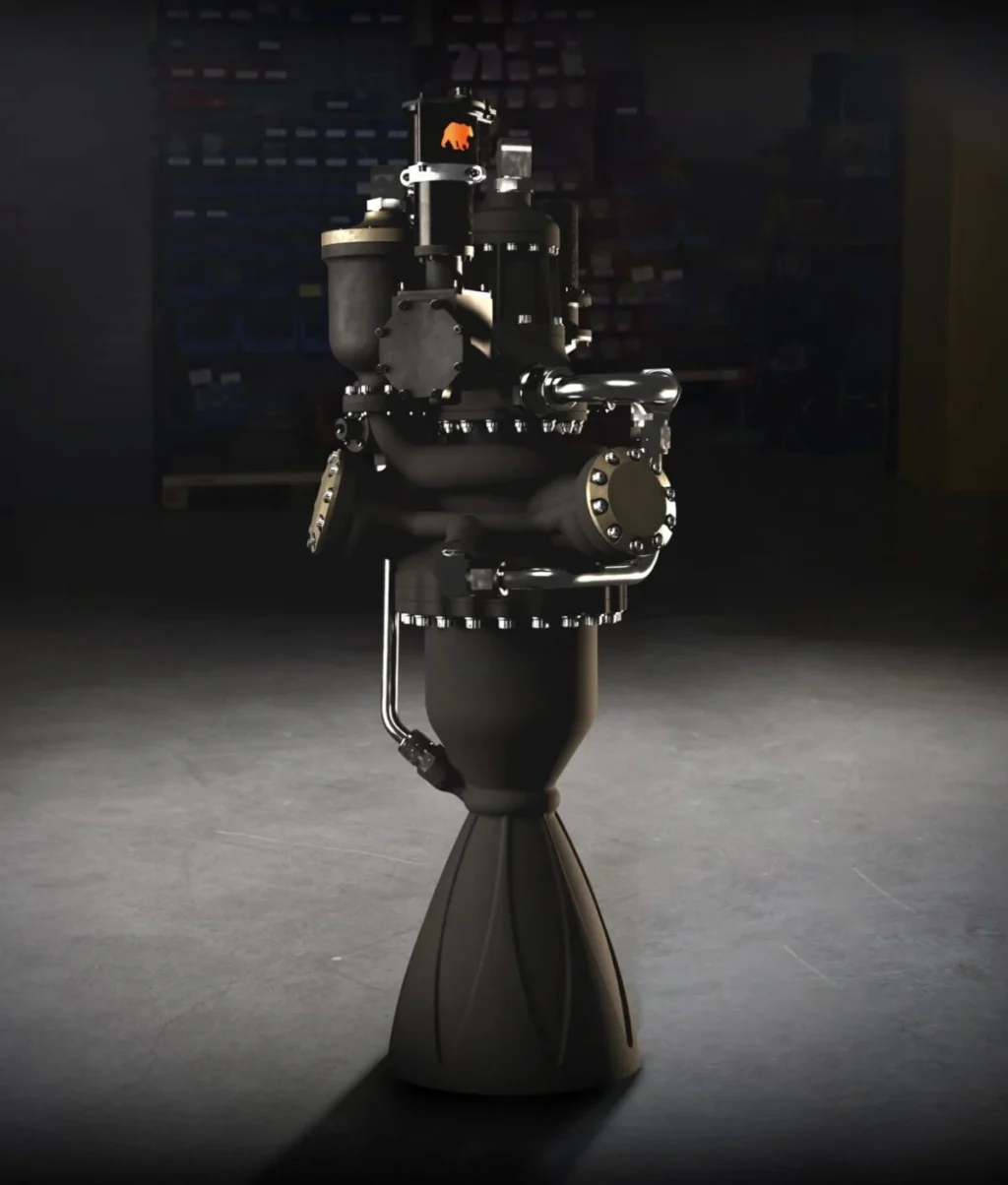
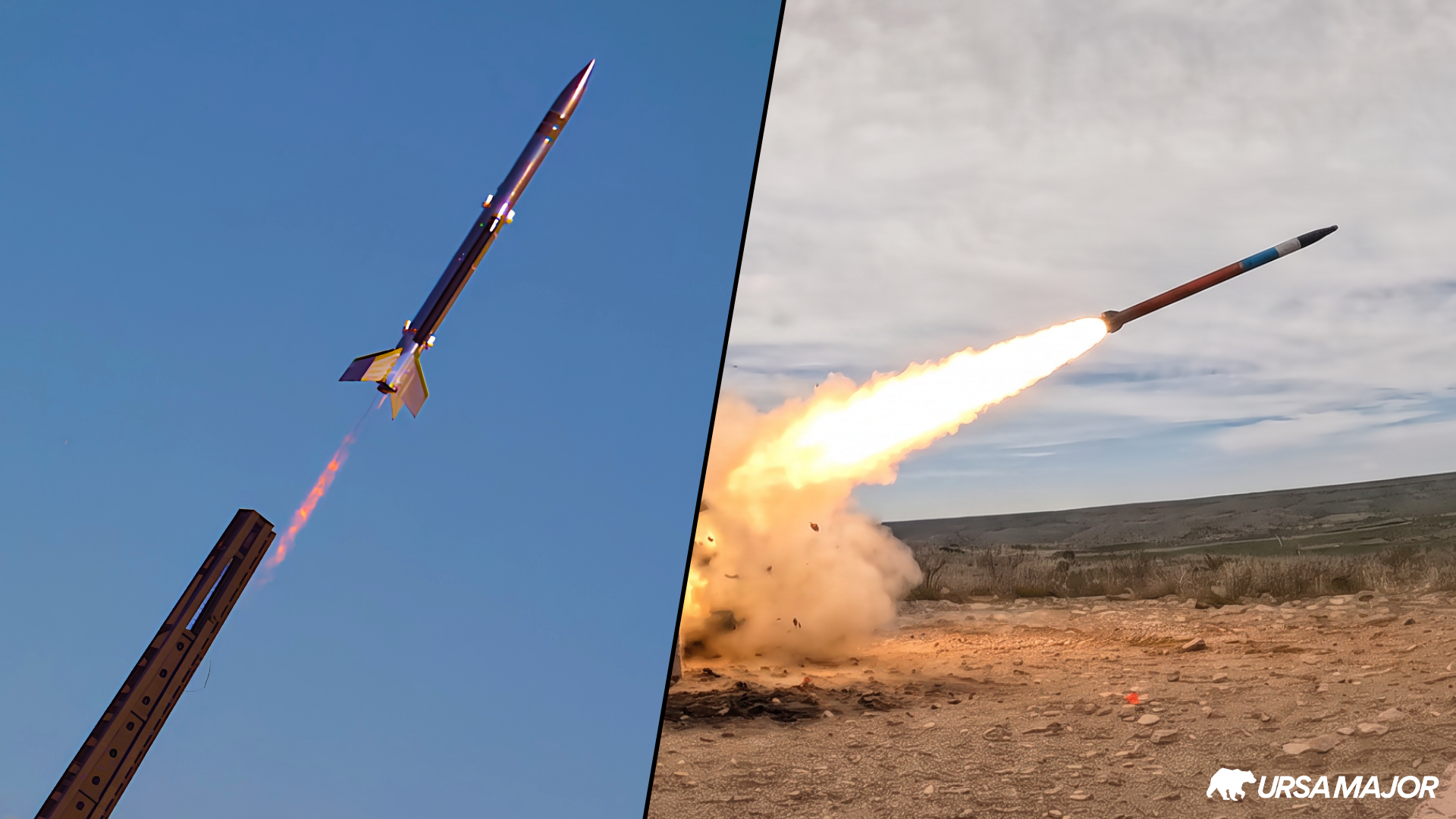
Founded in 2010, Ursa Major has rapidly emerged as a key player in the rapidly expanding space and defense sectors. The company’s core competency lies in its advanced metal additive manufacturing capabilities, which enable the rapid and cost-effective production of complex propulsion hardware. This technology allows for lighter, more efficient, and more durable rocket engines and components, meeting the stringent demands of modern aerospace applications.
The company’s product suite includes a range of rocket engines, from small thrusters for satellite maneuvering to larger engines capable of launching payloads into orbit. Ursa Major’s innovative approach has attracted a diverse customer base, including established aerospace companies, government agencies, and emerging space ventures. Their commitment to utilizing AM for critical components not only speeds up development cycles but also allows for greater design flexibility and the optimization of performance characteristics that are difficult to achieve with traditional manufacturing methods.
The increasing demand for space-based services, from satellite constellations for communication and Earth observation to the burgeoning lunar economy, has created a robust market for Ursa Major’s offerings. Similarly, the heightened focus on national security and the modernization of defense capabilities have further bolstered the demand for advanced propulsion systems. Ursa Major’s ability to scale its production and meet these growing needs is paramount to its long-term success. The $2.3 billion SPAC deal is intended to provide the substantial capital required to achieve this scaling, enabling further investment in manufacturing capacity, research and development, and talent acquisition.
Broader Implications for the Additive Manufacturing Industry
The Ursa Major SPAC deal carries significant implications for the additive manufacturing industry as a whole. Firstly, it signals a potential thaw in investor sentiment towards AM companies seeking public market access, provided they demonstrate a clear path to profitability and operate in high-demand sectors. If Ursa Major can achieve its growth objectives, it may encourage other promising AM companies to consider similar public offerings.
Secondly, the deal highlights the critical role of strategic sectors, such as aerospace and defense, in driving innovation and investment in AM. The unique capabilities of additive manufacturing are particularly well-suited to the demanding requirements of these industries, offering solutions for complex geometries, lightweighting, and rapid prototyping. The increasing government support for domestic manufacturing in these areas further solidifies the strategic importance of AM.
Thirdly, the article’s contemplation of unconventional funding sources, including direct government investment and SPACs, suggests a broader reevaluation of how capital is deployed to support industrial growth in the United States. The traditional venture capital model, while effective for early-stage startups, may not always be sufficient for capital-intensive industries requiring long-term investment and significant scaling. The emergence of multiple funding avenues indicates a more diverse and potentially more robust ecosystem for industrial development.
However, the cautionary tale of the previous SPAC boom serves as a vital reminder of the need for due diligence and realistic expectations. The success of Ursa Major will depend not only on its technological prowess and market demand but also on its ability to navigate the financial complexities of being a publicly traded company. The coming years will undoubtedly reveal whether this latest chapter in AM’s public market journey will be one of sustained success or another cautionary tale.