By 1993, the third-generation Ford Mustang, affectionately known as the "Fox-body," was at the twilight of its remarkable fifteen-year production run. Introduced in 1979, its minimalist, squared-off design and lightweight architecture had become the bedrock for accessible rear-wheel-drive V8 performance for over a decade. This platform, initially conceived as a more economical and agile alternative to the larger, heavier Mustangs of previous eras, had evolved significantly, embracing a potent combination of V8 power and increasingly sophisticated handling. As the venerable Fox-body platform neared its retirement, Ford’s newly established Special Vehicle Team (SVT) was entrusted with the critical mission of crafting a fitting and memorable send-off for this iconic generation. The objective was not merely to create a cosmetic upgrade, but to engineer a performance machine that would encapsulate the spirit of the Fox-body era while pushing the boundaries of its capabilities.
The culmination of SVT’s efforts was the introduction of the 1993 Ford Mustang SVT Cobra. This was far more than a standard GT model adorned with a flashy body kit; it represented a meticulously refined and comprehensively re-engineered performance vehicle. The SVT team focused on enhancing the already potent 5.0-liter High Output V8 engine. Key upgrades included the adoption of GT-40 cast-iron cylinder heads, renowned for their superior airflow characteristics. A high-flow upper intake manifold was integrated to further optimize air delivery, complemented by larger fuel injectors to ensure adequate fuel supply for the increased airflow. The engine’s control unit (ECU) was recalibrated to manage these hardware changes, and a roller-rocker valvetrain was implemented to reduce internal friction and improve efficiency. These enhancements collectively boosted the factory-rated output to a formidable 235 horsepower and 280 lb-ft of torque, providing a significant performance uplift over its predecessors.
However, SVT’s vision for the Cobra extended beyond simply injecting more power to the rear wheels. The team understood that true performance enhancement involved a holistic approach to chassis dynamics and braking. To improve the car’s handling balance, the front spring rates were softened, a move that might seem counterintuitive but was designed to work in conjunction with other suspension modifications to achieve a more composed ride and better tire contact with the road. The shock absorbers were re-valved by Tokico, a respected name in suspension tuning, to provide more controlled damping across a wider range of driving conditions. A significant upgrade was the implementation of four-wheel disc brakes, a substantial improvement over the rear drum brakes found on many contemporary Mustangs, offering superior stopping power and fade resistance. The Cobra was also distinguished by its unique 17×7.5-inch directional "turbine" wheels, a design that was both aesthetically striking and aerodynamically functional.
The result was a multi-dimensional driver’s car that seamlessly blended exhilarating performance with a surprisingly compliant ride. The 1993 SVT Cobra was capable of accelerating from 0 to 60 miles per hour in a brisk 5.6 seconds, a figure that remained competitive for performance cars of its era. This speed was achieved without sacrificing the everyday usability that had made the Mustang so popular. The careful tuning of the suspension and powertrain ensured that the Cobra could be enjoyed on spirited drives and in daily commuting alike. Production numbers for the 1993 model year were deliberately limited, with only 4,993 coupe models being built. This exclusivity, combined with the car’s impressive performance and SVT’s meticulous engineering, quickly cemented its status as an instant classic and a highly sought-after collector’s item. The limited production run ensured that each Cobra was a tangible piece of automotive history, representing the pinnacle of the Fox-body Mustang’s evolution.
Dissecting Chassis 1FACP42D0PF173353: An Opportunity for Restoration Enthusiasts
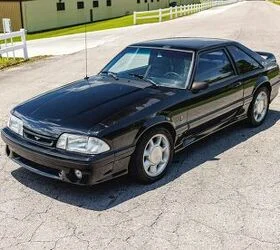
Currently, an intriguing example of this automotive icon is up for auction through Broad Arrow / Hagerty Marketplace. This particular vehicle, bearing the VIN 1FACP42D0PF173353, is presented in a classic Black-on-Black configuration, a highly desirable color combination for the SVT Cobra. The auction is being conducted with no reserve, which significantly amplifies the potential for enthusiasts and collectors to acquire this piece of automotive history. This "no reserve" aspect positions the vehicle as an intriguing opportunity for those who appreciate "project" provenance over meticulously preserved, low-mileage examples. Such vehicles, often referred to as "barn finds" or "survivors," offer a unique narrative and the satisfaction of bringing a classic back to its former glory.
The allure of a project car lies in its potential. While pristine, low-mileage 1993 SVT Cobras are commanding significant premiums in the collector market – routinely fetching between $50,000 and $70,000, and sometimes even more, at major collector auctions – mid-tier examples that require some level of restoration have become increasingly difficult to find. This particular car, as of recent auction activity, was listed at $17,500 with 15 bids. This pricing suggests a significant delta between its current state and the value of a concours-level example, offering a compelling proposition for a buyer willing to invest time and resources into its revival. The fact that it is located in Alabama, often a region associated with classic American muscle cars, adds to its traditional appeal.
The Restoration Dilemma: A Double-Edged Sword
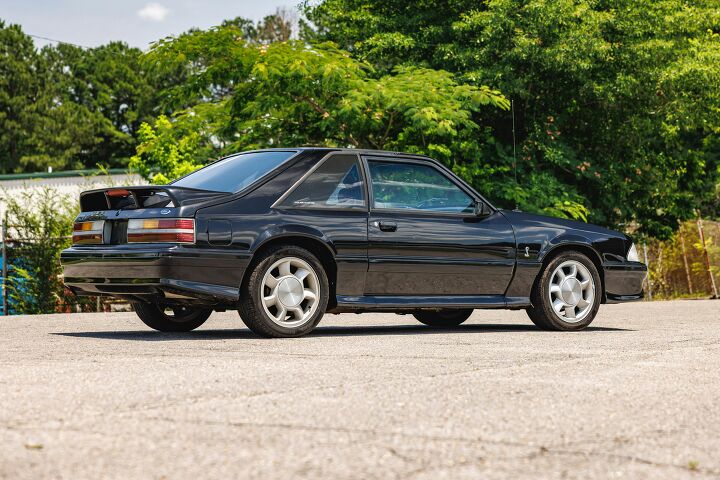
The offering of chassis 173353 presents a classic "double-edged sword" scenario for potential buyers. On one hand, the buyer is acquiring a genuine, limited-production 1993 SVT Cobra. It retains its factory SVT bodywork and the distinctive turbine wheels, crucial elements that define the model’s visual identity and performance intent. The triple-black aesthetic further enhances its classic appeal. This means the core elements of a desirable collectible are present.
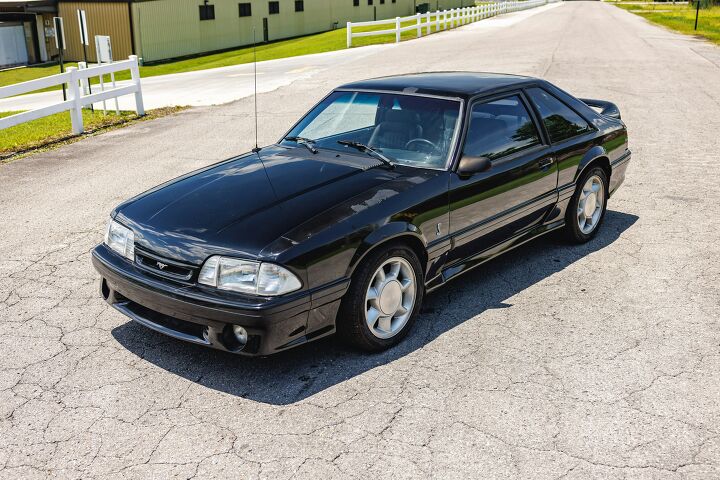
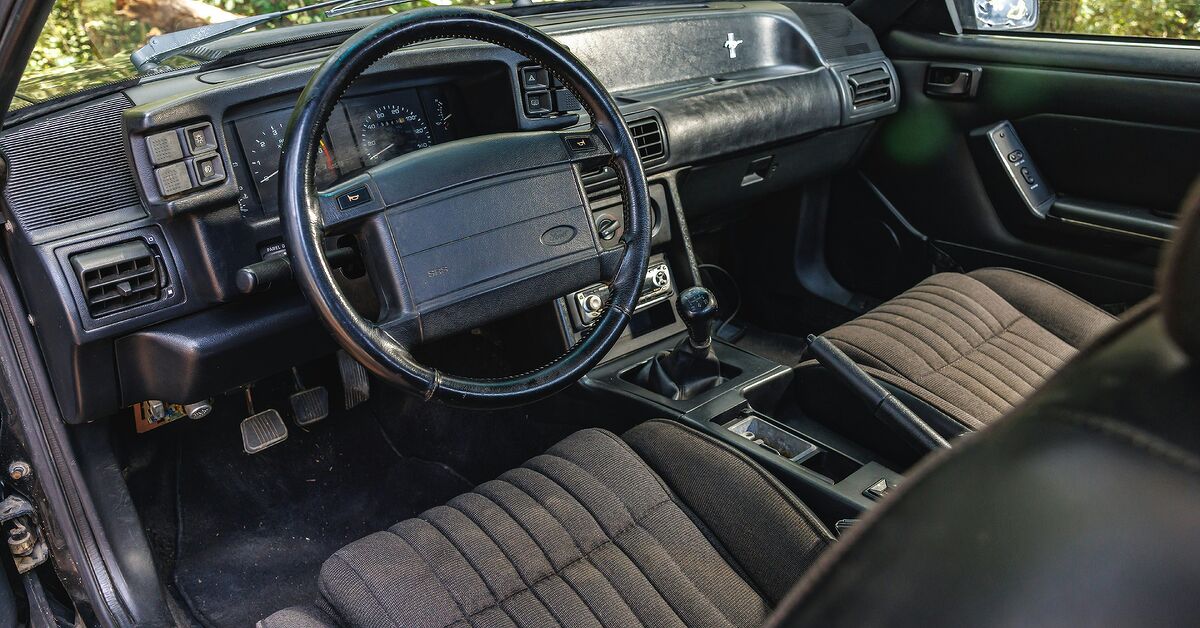
On the other hand, the buyer must meticulously account for the necessary work to bring this vehicle up to a higher standard. The "project" nature implies that a comprehensive assessment and subsequent restoration will be required. This typically involves a thorough fluid flush across all systems, including engine oil, coolant, brake fluid, and transmission/differential fluids. A complete fuel system overhaul is almost certainly on the agenda, addressing the potential degradation of rubber components and the cleaning or replacement of fuel injectors and pumps. Rust mitigation is a critical aspect of restoring any older vehicle, especially one that may have been exposed to varying environmental conditions. Given the era of the car and its potential storage history, careful inspection and treatment of any rust, particularly on the undercarriage, body panels, and structural components, will be paramount. The interior will likely require attention as well, from upholstery and carpet replacement to dashboard and trim refurbishment.
For a dedicated Fox-body purist, however, this situation presents an unparalleled opportunity. A buyer who is not intimidated by the prospect of hands-on work and possesses a passion for automotive restoration can view chassis 173353 not as a challenge, but as a blank canvas. The intrinsic value of the SVT Cobra, even in a project state, is undeniable. The ability to meticulously rebuild and customize the car to one’s exact specifications, while preserving its original character, is a rewarding endeavor for many enthusiasts. The knowledge that one is saving and revitalizing a significant piece of Ford’s performance heritage adds a layer of satisfaction that transcends the monetary investment.
The Legacy of the Fox-Body Mustang and the SVT’s Role
The Fox-body Mustang, spanning from 1979 to 1993, represents a pivotal era in the Mustang’s storied history. Emerging during a period of economic uncertainty and tightening emissions regulations, the Fox-body was a departure from the larger, more flamboyant Mustangs of the 1960s and early 1970s. Its focus on lighter weight and improved aerodynamics, coupled with the introduction of the fuel-efficient 2.3-liter four-cylinder and the potent 5.0-liter V8, resonated with a new generation of car buyers. The platform proved incredibly adaptable, serving as the basis for everything from economical commuters to formidable drag racing machines.
The development of the Special Vehicle Team (SVT) by Ford in the early 1990s was a strategic move to directly compete with performance divisions from other manufacturers, such as Chevrolet’s Corvette and GM’s performance divisions. SVT’s mandate was to create halo performance vehicles that would enhance Ford’s brand image and appeal to driving enthusiasts. The 1993 SVT Mustang Cobra was one of their inaugural projects, and it immediately set a high bar for what the team could achieve. It demonstrated a deep understanding of performance engineering, focusing on balanced improvements rather than brute force alone. The success of the Cobra laid the groundwork for future SVT vehicles, including the Lightning pickup truck and the iconic SVT F-150.
Broader Impact and Implications for the Collector Market
The increasing valuations of well-preserved Fox-body Mustangs, particularly the SVT Cobra variants, reflect a broader trend in the collector car market. There is a growing appreciation for vehicles from the 1980s and 1990s, often referred to as "modern classics." These cars represent a nostalgic link for Gen X and Millennial buyers, offering a combination of attainable performance, distinctive styling, and a tangible connection to automotive history. The SVT Cobra, in particular, stands out as a landmark model that bridged the gap between the enthusiast-focused performance cars of the past and the more sophisticated, technology-laden performance vehicles of the future.
The availability of project cars like the one being auctioned presents a crucial opportunity for the preservation of these automotive artifacts. While pristine examples are valuable in their own right, the ability to restore and maintain a wider range of vehicles ensures that the heritage of these models can be passed on to future generations. The "no reserve" auction format democratizes access to these special vehicles, allowing a broader spectrum of enthusiasts to participate in the collector car market. The success of such auctions also influences market sentiment, signaling continued strong demand for well-executed restorations and for the underlying models themselves. The story of chassis 173353, a car with "project" provenance, highlights the ongoing evolution of the collector car landscape, where the journey of restoration is as valued as the final polished outcome. It underscores the enduring appeal of the Fox-body Mustang and the SVT Cobra’s place as a definitive performance statement of its era.