The Raspberry Pi Foundation has announced a significant expansion of its global "Experience AI" initiative, bringing the specialized educational program to Australia and Aotearoa New Zealand. Supported by a $1.2 million grant from Google.org, the philanthropic arm of the technology giant, the expansion aims to equip 5,000 educators with the tools necessary to provide high-quality artificial intelligence (AI) literacy to an estimated 150,000 students across both nations by the year 2028. This move marks a strategic effort to address the growing demand for digital competencies in the Southern Hemisphere, ensuring that the next generation of learners is prepared for a workforce increasingly defined by automation and algorithmic systems.
The program, which was co-developed by the Raspberry Pi Foundation and Google DeepMind, is designed to demystify the complexities of artificial intelligence. Rather than focusing solely on technical proficiency or coding, Experience AI emphasizes a holistic understanding of how AI technologies function, their societal and ethical implications, and the transformative role they play in modern life. By partnering with local educational bodies in both Australia and New Zealand, the Foundation seeks to tailor its curriculum to meet the specific cultural and regional needs of students, ranging from urban centers to remote indigenous communities.
The Global Context of AI Literacy and Experience AI
The rapid integration of AI into everyday applications—from search engines and social media algorithms to medical diagnostics and autonomous logistics—has created an urgent need for comprehensive digital education. Education experts argue that the ability to simply use AI tools is no longer sufficient; true literacy requires an understanding of the underlying mechanisms, data structures, and the potential for bias within machine learning models.
Experience AI was established to fill this pedagogical gap. The program provides a suite of free classroom resources, including lesson plans, interactive activities, and professional development modules for teachers. Its curriculum covers the full spectrum of AI development, including data collection, model training, and the evaluation of outputs. To date, the program has achieved significant global scale, with its resources utilized in over 195 countries and translated into 22 languages.
The effectiveness and reach of the initiative were recently recognized on the international stage. Experience AI was named a laureate of the 2025 UNESCO King Hamad Bin Isa Al-Khalifa Prize for the Use of ICT in Education. This prestigious accolade highlights programs that leverage technology to enhance learning outcomes and promote educational equity worldwide, underscoring the Foundation’s role as a leader in the global EdTech landscape.
Strategic Implementation in Australia: The CSER Partnership
In Australia, the Raspberry Pi Foundation has established a primary partnership with the Computer Science Education Research Group (CSER) at the University of Adelaide. CSER has long been a pivotal player in the Australian educational sector, providing professional development for teachers to meet the requirements of the national Digital Technologies curriculum.
The integration of Experience AI into the Australian school system comes at a critical juncture. The Australian Government’s recent focus on "Safe and Responsible AI" emphasizes the need for public awareness and educational frameworks that mitigate the risks of misinformation and algorithmic bias. Professor Katrina Falkner, Pro-Vice-Chancellor of Learning and Teaching at the University of Adelaide, noted that the partnership is essential for fostering "self-regulated learning skills."
According to Professor Falkner, the program ensures that a "human lens" remains at the forefront of technological adoption. By focusing on critical thinking and ethical judgment, the initiative prepares students not just to be consumers of technology, but to be informed collaborators with AI tools in their future professional lives. The program in Australia will focus on bridging the gap between theoretical computer science and practical, real-world applications of machine learning.
Aotearoa New Zealand: Fostering Digital Equity and Cultural Relevance
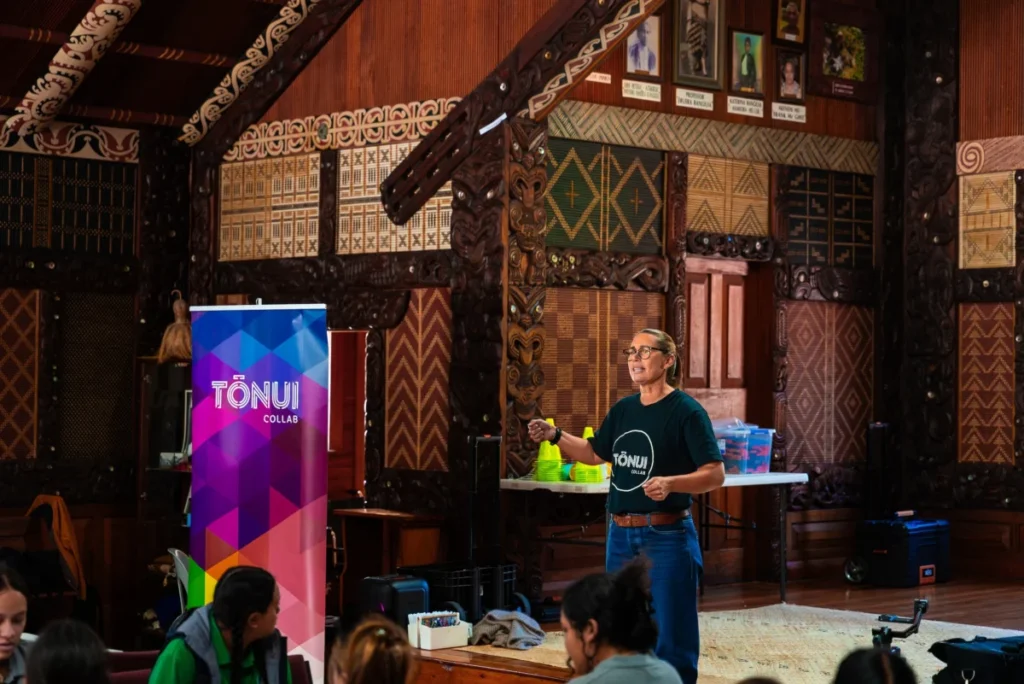
In Aotearoa New Zealand, the expansion is being led in collaboration with the Tōnui Collab Charitable Trust. As a Māori-led organization, Tōnui Collab specializes in creating innovative STEM (Science, Technology, Engineering, and Mathematics) learning opportunities that are grounded in indigenous perspectives and community needs.
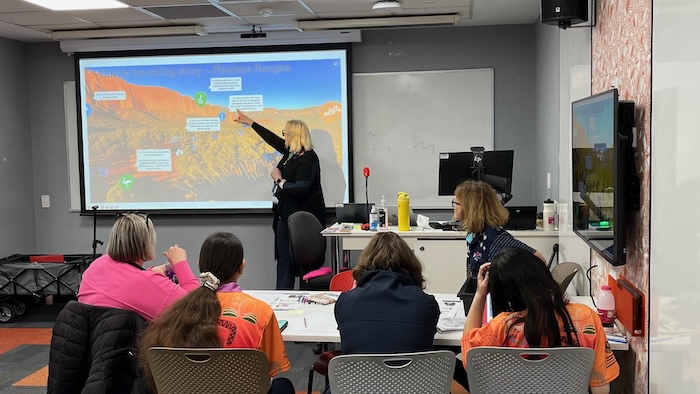
The New Zealand component of the program is particularly focused on digital equity. Shanon O’Connor, Director of Tōnui Collab, has emphasized that the goal is to prevent the "digital divide" from becoming a "digital chasm." For many communities in Aotearoa, access to cutting-edge technology education has historically been limited by socioeconomic and geographic factors.
A unique aspect of the New Zealand rollout is the integration of "tech tikanga"—the application of Māori protocols and ethical frameworks to digital spaces. This involves robust discussions regarding data sovereignty, the inherent biases in global datasets that may exclude or misrepresent Māori culture, and the collective responsibilities of those who develop and use AI. By contextualizing the global Experience AI curriculum, Tōnui Collab ensures that the "kaupapa" (principles or purpose) of the program resonates with "rangatahi" (young people) and educators across the country.
Chronology and Future Milestones
The expansion into Australia and New Zealand is part of a multi-year roadmap designed to scale AI literacy globally. The timeline for the initiative is structured as follows:
- 2023–2024: Initial development and global pilot of Experience AI resources in partnership with Google DeepMind.
- Early 2025: Receipt of the UNESCO King Hamad Bin Isa Al-Khalifa Prize, providing international validation for the program’s methodology.
- Mid-2025: Formal launch of the $1.2 million expansion in Australia and New Zealand, beginning with the recruitment of lead educators and the adaptation of materials for local curricula.
- 2026–2027: Intensive rollout of teacher training workshops, both in-person and via digital platforms, focusing on regional and rural outreach.
- 2028: Target achievement of 5,000 trained educators and 150,000 students reached across the two nations.
Supporting Data and Economic Implications
The investment by Google.org reflects a broader economic reality: the AI sector is projected to contribute trillions of dollars to the global economy by 2030. In Australia alone, reports from organizations such as the CSIRO (Commonwealth Scientific and Industrial Research Organisation) suggest that the demand for AI-specialized roles and AI-literate workers will grow exponentially over the next decade.
Current data indicates a significant skills gap in the region. While many students are familiar with using AI interfaces like chatbots, a much smaller percentage understands the logic of "black box" algorithms. By targeting 150,000 students, the Raspberry Pi Foundation is essentially building a pipeline for the future workforce. Furthermore, the focus on training 5,000 educators creates a "multiplier effect," where the knowledge remains within the school systems long after the initial funding period, ensuring the sustainability of the program.
Analysis of Broader Impacts and Educational Ethics
The Experience AI expansion represents a shift in educational philosophy. Historically, technology education in schools often lagged behind industry developments, focusing on outdated software or basic programming. By introducing AI literacy at the primary and secondary levels, the Raspberry Pi Foundation is advocating for a proactive rather than reactive educational model.
One of the most significant implications of this program is its focus on the "social and ethical implications" of AI. As AI systems are increasingly used in high-stakes decision-making—such as university admissions, credit scoring, and law enforcement—the need for a citizenry that can question the "fairness" of an algorithm is paramount. The program teaches students to identify data bias and understand that AI outputs are only as objective as the data they are fed.
Furthermore, the focus on "creating AI-based solutions" empowers students to see themselves as innovators. In regional areas of Australia and New Zealand, where local industries such as agriculture and environmental conservation are being transformed by AI-driven sensors and drones, these skills have immediate practical value.
Conclusion
The partnership between the Raspberry Pi Foundation, Google.org, the University of Adelaide, and Tōnui Collab underscores a collaborative approach to one of the greatest educational challenges of the 21st century. By combining global expertise with local cultural insights, the Experience AI program aims to democratize access to technological knowledge. As the program progresses toward its 2028 goals, it will likely serve as a blueprint for how international non-profits and technology companies can work together to foster a more equitable and informed digital future. For more information on the curriculum and available resources, the Foundation encourages educators and parents to visit the official Experience AI platform.