The pursuit of watch collecting, a hobby often steeped in passion and personal expression, can be a deeply rewarding endeavor. However, for many enthusiasts, particularly newcomers, the journey can become clouded by the pervasive influence of "popular watches." This article aims to demystify the concept of popularity in the horological world, offering a critical examination of its true value and guiding collectors toward a more fulfilling and personalized collecting experience. The core argument posits that while popular watches may offer initial satisfaction, they are rarely the key to long-term happiness and genuine appreciation within the hobby. True fulfillment, it is argued, lies not in following the crowd, but in cultivating a unique personal taste and actively seeking out timepieces that resonate on an individual level.
Defining Popularity in the Digital Age
For the purposes of this discussion, a "popular watch" is defined by its pervasive presence across various media channels. This includes frequent mentions, extensive online discussions, consistent placement in commercial markets, and widespread recommendations within buyer guides and social media content. Popularity, in this context, is a quantifiable metric of visibility and discourse, often driven by sales success, commercial saturation, and cultural ubiquity. The internet, with its inherent tendency to categorize and rank, plays a significant role in amplifying this popularity. From "top 10" lists to YouTube reviews offering curated "perfect watch collections," the digital information economy often funnels products into easily digestible, quasi-authoritative rankings. This phenomenon disregards individual preferences, tastes, and specific needs, presenting a generalized ideal rather than a personalized recommendation. A simple Google search, for instance, often yields enumerated lists that highlight a single "top choice," shaping consumer perception and guiding purchasing decisions towards the most discussed rather than necessarily the most suitable.

The Paradox of Online Recommendations
The proliferation of online content has created a deluge of recommendations for aspiring watch collectors. Websites, videos, and podcasts dedicated to horology frequently present rankings and comparisons of watch styles worldwide. This overwhelming influx of advice can make it challenging for newcomers to escape the notion of an "ideal collection," a concept that is inherently flawed. The author argues that there is no singular ideal collection because individuals are drawn to different watches for diverse reasons. Purchasing watches solely based on external validation or popular consensus, the article contends, means one is not truly collecting. Authentic collecting implies making personal, intentional decisions about which timepieces to acquire. It is the process of personal discovery and the active pursuit of specific watches that ultimately leads to lasting satisfaction.
Popular Watches: The Benchmark of the Average
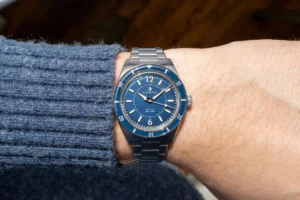
The question of why certain watches achieve widespread popularity warrants examination. The prevailing view presented is that most popular watches are, in fact, good watches. However, they are often not remarkable watches. Their popularity stems from their ability to perform adequately across multiple functions and their sustained presence in the market. While they may bring happiness to some, they typically excel at being acceptable rather than exceptional. These timepieces are often described as "crowd-pleasers" – safe choices made by individuals new to a hobby before they have fully developed their own discerning taste and accumulated experience. In essence, many popular watches represent the most perfectly average options available, excelling at being broadly agreeable without standing out.

This concept can be further illustrated by drawing parallels with other collecting disciplines, such as automobiles and fashion. In both these realms, individuals who deeply engage with the subject matter often gravitate towards more original, rare, and avant-garde choices over time. Fashion enthusiasts, for instance, increasingly seek a signature look that distinguishes them from others, moving away from mainstream trends as their personal style evolves. Similarly, serious car collectors often transition towards acquiring rarer models or even commissioning bespoke vehicles, valuing uniqueness and individuality. The author observes that satisfaction in these fields, much like in watch collecting, tends to lead to greater personalization rather than a pursuit of popular items. The notion of a seasoned car collector reducing their collection to a few mainstream vehicles is presented as an unlikely scenario.
Evaluating Popular Watches: A Stepping Stone, Not the Destination
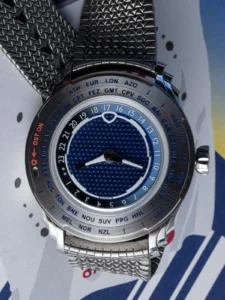
The question of whether popular watches hold collecting value is addressed with a nuanced affirmative. Their value, the article suggests, lies not in their widespread appeal but in their ability to serve as benchmarks. Truly popular watches often excel in specific areas or embody particular styles or themes. Wearing them offers an excellent opportunity for individuals to personally evaluate their preferences regarding aesthetics, size, materials, and overall comfort. In this regard, popular watches are valuable tools for sampling the diverse landscape of watchmaking. They enable new collectors to test and refine their tastes before making more significant or specialized acquisitions. The journey of watch collecting rarely concludes with popular watches; instead, these serve as educational stepping stones, guiding collectors toward increasingly distinctive and rare choices. The author posits that the timepieces coveted by seasoned collectors are rarely those featured in beginner-focused "top 10" lists.
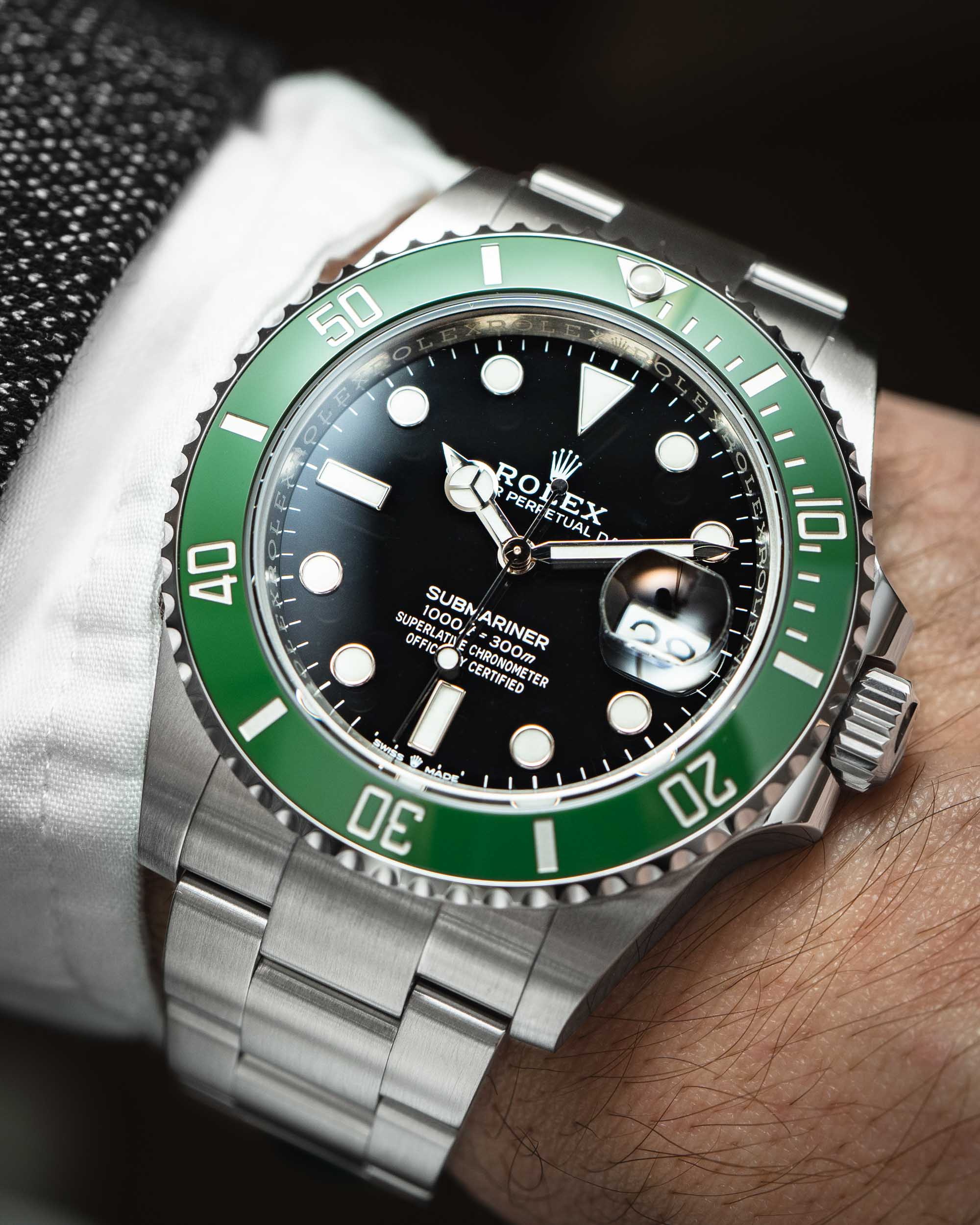
A critical issue highlighted within the contemporary timepiece market is the inflated pricing of popular watches. This is seen as a distortion of a healthy market, where popularity should ideally correlate with availability. In a functional market, watches that are more readily accessible should naturally gain wider popularity. However, the current data economy presents a counterintuitive scenario where rare watches can gain online popularity due to extensive discussion, irrespective of their actual ownership or real-world accessibility. This disconnect means that online popularity does not always align with real-world conditions or availability. Content creators might recommend watches that are difficult to procure, while equally commendable timepieces may remain overlooked due to a lack of media attention. The author asserts that market availability and aggregated consumer choices often have minimal impact on the perceived popularity of watches in media that focuses on promoting these very items.
The Challenge of Authentic Appreciation
Developing watch consumers face a perplexing contradiction: educational content often aims to generate excitement for specific products, simultaneously attempting to impart knowledge about watch appreciation. This approach, the article argues, presents an incomplete picture. Authentic watch appreciation, it is contended, is not a guided process of product acquisition. Instead, it requires enthusiasts to first gain a comprehensive understanding of watches and then allow their personal tastes to dictate their choices. Commencing a watch collection by purchasing a recommended item is deemed fundamentally incorrect. Popular watches, therefore, should be viewed as low-cost experimental purchases, not as substantial investments. Their purpose is to allow individuals to explore common watch designs, colors, functions, and materials, thereby informing more considered and nuanced future acquisitions that align with discovered preferences.

From Popularization to Personalization: Cultivating Individual Taste
True satisfaction in watch collecting, according to the article, is achieved in two distinct phases. The initial phase involves learning about watches through a low-risk process of trial and error. This entails wearing and sampling a variety of timepieces to ascertain personal likes, assess on-wrist feel, and identify genuine curiosities. The second phase commences once individual tastes have been established. This marks the beginning of the "hunting" phase, where the collector, now aware of their preferences, actively seeks out watches that embody those characteristics. At this advanced stage of the hobby, general watch popularity becomes irrelevant. The sole focus shifts to understanding one’s own taste and discovering new timepieces that satisfy those unique and personal inclinations.
The Enduring Value of Personalization
While popular watches offer valuable learning opportunities, their direct collecting value should be approached with caution. They are rarely worth paying a premium for, nor should they consume a significant portion of a collector’s budget with the expectation of long-term collection status. As a collector’s journey progresses, the concept of popularity can become increasingly cliché. What ultimately replaces this pursuit is the profound satisfaction derived from allowing personal preferences to guide every acquisition. This sentiment is echoed by experienced watch collectors, who consistently attest to the importance of individual taste.

The paradox of popularity presents a significant challenge for the contemporary watch market, particularly given the youth and relative inexperience of many emerging consumers. The notion that a fulfilling collecting experience can be achieved by adhering to "top 10" lists is a misleading simplification. Instead, the article advocates for a significant disregard of generalized popularity as a primary criterion. The true beauty of horology lies in its vast diversity and the extensive array of choices available for discussion, collection, and wear. Popular watches have a role to play, but they are not the defining characteristic of the hobby. The most captivating and ultimately rewarding timepieces, the author concludes, are often the slightly unconventional ones – a realization that seasoned collectors eventually embrace.