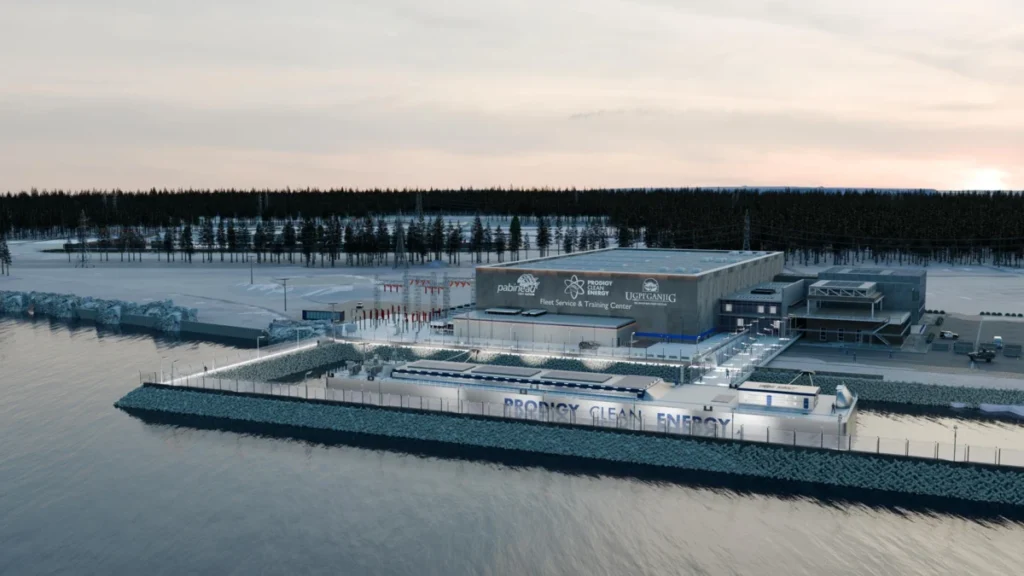
A groundbreaking initiative is underway in Belledune, New Brunswick, with the proposal for a transportable nuclear power plant (TNPP) poised to revolutionize energy deployment in Canada’s vast and often remote regions. The project, spearheaded by Canadian nuclear technology company Prodigy Clean Energy in collaboration with Pabineau First Nation and Eel River Bar First Nation, envisions a facility capable of generating up to 50 megawatts (MW) of clean electricity. Targeted to begin service in the early 2030s, this plant is not merely an energy source but a commercial demonstration intended to establish a replicable model for a future fleet of transportable nuclear facilities across Canada’s North and Arctic.
The provincial government of New Brunswick has already signaled its strong support, signing a Letter of Intent to purchase the electricity generated by the plant. This commitment underscores the province’s dedication to clean energy innovation and its established position within Canada’s nuclear landscape. Furthermore, New Brunswick has formally notified Natural Resources Canada of its backing, advocating for the project’s advancement through Canada’s federal Major Projects Office, a crucial step for nationally significant infrastructure developments.
The Innovation of Transportable Nuclear Power Plants (TNPPs)
At the heart of this project lies Prodigy’s innovative Transportable Nuclear Power Plant (TNPP) design. This concept fundamentally redefines how nuclear power can be delivered, particularly to locations where traditional large-scale nuclear construction is impractical or prohibitively expensive. The TNPP is engineered to integrate either a microreactor or a small modular reactor (SMR) within a modular power plant infrastructure. Crucially, these components can be manufactured and assembled away from the final deployment site, typically in a centralized factory environment.
The design emphasizes flexibility, being "reactor agnostic," meaning its power output and configuration can be adapted to accommodate various reactor technologies as they evolve. Once fully assembled and tested, the entire plant can be transported as cargo aboard a heavy-lift ship, making it uniquely suited for coastal and remote communities accessible by water. Prodigy estimates that a TNPP can be factory-built, shipped, and installed in approximately 18 months, a significantly accelerated timeline compared to conventional nuclear plant construction which can span a decade or more.
This innovative approach directly addresses several critical challenges associated with deploying energy infrastructure in remote Canadian regions. Factors such as extreme environmental conditions, limited local infrastructure, scarcity of skilled labor, and the logistical complexities of transporting heavy components often inflate costs and extend timelines for traditional construction projects. By minimizing the amount of specialized nuclear construction required at the remote deployment site, the TNPP model promises substantial reductions in complexity, cost, and environmental footprint.
Moreover, the TNPP design incorporates a full lifecycle approach to nuclear power. At the end of its operating life, the plant is designed to be removed from its deployment site and transported to a centralized facility for decommissioning. This feature is a significant departure from traditional nuclear plants, which typically involve extensive on-site decommissioning processes that can leave permanent nuclear infrastructure at the original location. The ability to remove and centrally decommission offers enhanced environmental management and simplifies long-term stewardship for remote host communities.
Addressing Canada’s Remote Energy Challenge
Canada’s vast geography presents unique energy challenges, particularly for its numerous remote and Indigenous communities. Many of these communities, especially in the North and Arctic, remain off the main electricity grid, relying heavily on diesel generators for power. This dependence on fossil fuels carries significant drawbacks: high operational costs due to fuel transportation over long distances, vulnerability to supply chain disruptions, and substantial environmental impacts, including greenhouse gas emissions and the risk of diesel spills in pristine environments.
According to Natural Resources Canada, over 200 remote communities in Canada are primarily powered by diesel, consuming hundreds of millions of litres of fuel annually. This translates to an estimated 2 million tonnes of greenhouse gas emissions per year, contributing to climate change and local air pollution. The cost of electricity in these communities can be several times higher than in grid-connected areas, placing a considerable economic burden on residents and businesses. For example, electricity rates in some northern communities can exceed 50 cents per kilowatt-hour, compared to a national average closer to 15 cents.
The TNPP offers a compelling solution to these deeply entrenched issues. By providing a clean, reliable, and baseload power source, it can displace diesel generation, leading to significant reductions in greenhouse gas emissions and improved air quality. A 50 MW nuclear plant operating continuously could offset the CO2 emissions equivalent to tens of thousands of homes or vehicles annually, making a tangible contribution to Canada’s ambitious climate targets, including achieving net-zero emissions by 2050. Furthermore, stable and affordable energy can catalyze economic development, improve quality of life, and enhance energy security for these vulnerable communities, fostering greater resilience against external shocks.
Indigenous Leadership and Economic Sovereignty
A defining characteristic of the Belledune project is the unprecedented level of Indigenous involvement. Pabineau First Nation and Eel River Bar First Nation are not merely stakeholders but active partners who plan to own the facility. This model of Indigenous ownership and operation of major energy infrastructure represents a significant step forward in reconciliation efforts and Indigenous self-determination in Canada. It moves beyond traditional consultation frameworks to empower First Nations with direct economic participation and decision-making authority over projects that impact their traditional territories and communities.
Chief Terry Richardson of Pabineau First Nation emphasized this transformative aspect, stating, "By integrating this Canadian clean baseload energy technology with Indigenous ownership and economic participation, this initiative establishes a replicable model to deploy transportable nuclear power infrastructure across Canada, especially in Northern and Arctic regions." This statement highlights the vision for the Belledune project as a blueprint for future Indigenous-led clean energy developments nationwide. It signifies a shift towards greater Indigenous economic sovereignty, allowing communities to directly benefit from and manage the resources within their lands, rather than being passive recipients of development.
Beyond the power generation itself, the proposed Belledune campus is envisioned as a multifaceted hub. It will serve as an operations and maintenance centre, designed to eventually monitor and service a larger fleet of TNPPs deployed throughout Canada’s northern regions. This hub will also include an Indigenous Energy Innovation Visitor Centre, fostering education and community engagement around advanced nuclear technology. Critically, the site will host facilities for training future plant workers, creating skilled employment opportunities for local and Indigenous community members. The project is expected to generate over 150 jobs during the site preparation and construction phases, followed by approximately 40 permanent, high-skill positions once the plant becomes operational, offering long-term economic stability and career pathways.
New Brunswick’s Nuclear Legacy and Future Vision
New Brunswick holds a unique position within Canada’s nuclear landscape, being home to the Point Lepreau Generating Station, the country’s second operational nuclear power plant. This 660 MW CANDU reactor, which began commercial operation in 1983, has provided a stable source of clean electricity to the province for decades, establishing a strong foundation of nuclear expertise, a skilled workforce, and a robust regulatory environment. This existing nuclear jurisdiction is a significant advantage for the Belledune project, as it provides a familiar and experienced backdrop for the deployment of novel nuclear technologies. Mathias Trojer, President and CEO of Prodigy Clean Energy, underscored this point, noting, "The successful integration of microreactors and Transportable Nuclear Power Plants into Canada’s Northern and Arctic energy portfolio begins with demonstrating a commercially operating facility south of 60 in an established nuclear jurisdiction."
The New Brunswick government’s proactive support for the Belledune project reflects its broader strategy to position the province as a leader in Small Modular Reactor (SMR) deployment. This strategy aligns with the federal government’s SMR Action Plan, which recognizes the potential of advanced nuclear technologies to meet Canada’s climate goals, provide clean energy to remote communities, and support industrial decarbonization. By backing the TNPP project, New Brunswick is not only securing its own clean energy future but also contributing to the national effort to innovate in the nuclear sector. The economic benefits for the region are substantial, including direct job creation, opportunities for local businesses in the supply chain, and the enhancement of New Brunswick’s reputation as a hub for advanced energy technologies.
The Path Forward: Licensing, Development, and Collaboration
The realization of the Belledune TNPP project involves a structured and rigorous development pathway. Following the initial Letter of Intent and federal notification, Prodigy Clean Energy will now establish the dedicated project venture. The immediate next steps include comprehensive site selection and characterization activities, which will assess the geological, environmental, and infrastructural suitability of potential locations within Belledune. Concurrently, the partners will embark on the crucial licensing process with the Canadian Nuclear Safety Commission (CNSC), Canada’s independent nuclear regulator. This process is multi-phased and highly detailed, ensuring the highest standards of safety, security, and environmental protection.
A critical decision point will be the selection of a specific reactor technology. The partners aim to choose a reactor capable of commercial electricity generation by 2032. This selection will be based on factors such as proven safety records, technological maturity, power output, fuel cycle characteristics, and suitability for modular integration into the TNPP platform. Within the next 18 months, the project targets two significant milestones: the submission of a Licence to Prepare Site application to the CNSC and a Final Investment Decision (FID). The FID is contingent on securing all necessary regulatory approvals, financing, and commercial agreements, representing the final commitment to proceed with construction. Once operational, a qualified nuclear operating organization will become the facility licensee, responsible for the safe and secure operation of the plant.
The project is bolstered by key strategic partnerships. BWXT Canada, a leading nuclear engineering and manufacturing company with extensive experience in the Canadian nuclear industry, will provide crucial support for licensing and supply-chain development. BWXT’s expertise in fuel handling, reactor components, and nuclear services is invaluable for a project of this scale and innovation. Additionally, Kinectrics, a BWXT-owned nuclear engineering and services company, will contribute its specialized knowledge in areas such as testing, inspection, and qualification of nuclear systems. These collaborations underscore the depth of expertise within Canada’s nuclear ecosystem and are vital for navigating the complex technical and regulatory requirements of advanced reactor deployment.
Broader Implications and National Impact
The Belledune TNPP project holds profound implications that extend far beyond New Brunswick, potentially reshaping Canada’s energy landscape and its approach to remote development.
Environmental Stewardship: The most direct impact is a significant reduction in greenhouse gas emissions and local air pollution by displacing diesel generation. This aligns with Canada’s national and international climate commitments, positioning the country as a leader in clean energy transition, even in challenging environments. Reduced reliance on fossil fuels also mitigates risks of spills and environmental contamination in ecologically sensitive northern regions.
Energy Security and Resilience: For remote communities, a stable, baseload nuclear power source offers unparalleled energy security. It reduces vulnerability to fluctuating fossil fuel prices, transportation disruptions, and extreme weather events that can impact conventional energy supply chains. This newfound resilience can foster greater community stability and economic predictability.
Economic Catalysis: Beyond the direct jobs created, the project is expected to stimulate broader economic activity. The development of a specialized supply chain for TNPPs, the need for skilled technicians, and the establishment of the Belledune hub could create a regional centre of excellence for advanced nuclear technology. This could attract further investment and talent, strengthening Canada’s industrial capacity in a high-tech sector.
Technological Advancement: By demonstrating the commercial viability of a transportable nuclear power plant, Canada would solidify its position as a global innovator in advanced nuclear technology. This could open doors for exporting Canadian nuclear expertise and technology to other nations facing similar remote energy challenges, creating new economic opportunities and enhancing Canada’s global influence in clean energy.
Social Equity: Providing access to reliable, affordable, and clean energy can dramatically improve the quality of life in remote and Indigenous communities. It can support essential services like healthcare and education, enable economic diversification, and reduce energy poverty. Furthermore, the model of Indigenous ownership and partnership fosters greater social equity and empowers communities to shape their own futures.
Future Fleet Potential: The successful demonstration in Belledune is intended to be a stepping stone for a wider deployment across Canada’s North and Arctic. This could create a national fleet of TNPPs, providing clean energy to mining operations, military installations, and numerous remote communities, fundamentally transforming how these regions are powered and developed. The standardized, replicable nature of the TNPP offers scalability that traditional infrastructure projects often lack.
Challenges and Considerations: While the prospects are immense, the project will undoubtedly face challenges. Public acceptance of nuclear technology, particularly novel designs, will require ongoing transparent communication and engagement. Navigating the stringent regulatory environment for new nuclear technologies, though supported by Canada’s robust CNSC, will demand meticulous planning and execution. Securing the substantial financing required for such a pioneering infrastructure project, even with government backing, will also be a key hurdle. Finally, ensuring the highest standards of safety, security, and waste management for a deployable nuclear fleet will be paramount to its long-term success and public trust.
In conclusion, the proposed transportable nuclear power plant in Belledune, New Brunswick, represents a bold and innovative stride towards addressing Canada’s complex energy challenges. By combining cutting-edge nuclear technology with Indigenous leadership and strong governmental support, the project offers a transformative vision for clean energy, economic development, and self-determination across the nation’s remote and Arctic landscapes. Its successful implementation could not only power communities but also propel Canada to the forefront of global advanced nuclear innovation.