The global landscape of computer science education is marking a significant double milestone this month as the CoderDojo movement celebrates its 15th anniversary alongside the fourth anniversary of the Selby CoderDojo in North Yorkshire. These anniversaries highlight the enduring impact of non-formal education in bridging the digital skills gap and fostering a new generation of "Ninjas"—the young programmers who utilize these free, volunteer-led clubs to master technology on their own terms. From its humble beginnings in a single classroom in Cork, Ireland, to a global network of over 600 active Dojos and 10,000 affiliated Code Clubs, the movement has become a cornerstone of community-led digital literacy.
The Genesis and Growth of a Global Movement
The CoderDojo story began in 2011 at PBC Cork, Ireland, when James Whelton, a high school student who had gained notoriety for hacking the iPod Nano, teamed up with entrepreneur and philanthropist Bill Liao. Their goal was simple yet revolutionary: to create a space where young people could learn to code in a social, non-hierarchical environment. Unlike traditional school settings, CoderDojo emphasized a "be cool" rule—a philosophy centered on mutual respect, creativity, and the absence of rigid curricula.
Over the subsequent decade and a half, the movement scaled rapidly. In 2017, CoderDojo merged with the Raspberry Pi Foundation, a move that provided the organizational infrastructure necessary to sustain a global footprint while maintaining the grassroots spirit of individual clubs. Today, the movement is part of the broader Code Club network, which represents the world’s largest coordinated effort to provide free coding education to children.
The impact of this growth is quantifiable. Data from the Raspberry Pi Foundation suggests that tens of thousands of young people engage with these clubs every month across more than 100 countries. By removing financial barriers—membership in a Dojo is always free—the movement has successfully reached demographics that are often excluded from high-cost private coding bootcamps or specialized STEM tutoring.
The Selby Case Study: A Model for Community Proliferation
While the global statistics are impressive, the true efficacy of the movement is best observed at the local level. Four years ago, the Selby CoderDojo was established in North Yorkshire with a dual purpose: to provide local youth with technological opportunities and to serve as a practical laboratory for understanding the challenges faced by "Champions"—the volunteers who lead individual clubs.
Since its inception, the Selby Dojo has hosted 40 monthly events, maintaining a consistent schedule to meet high local demand. The success of this single club has acted as a regional catalyst, leading to the launch of six additional clubs in the surrounding area. This "multiplier effect" is a hallmark of the CoderDojo model, where successful clubs provide the blueprint and inspiration for nearby communities to follow suit.
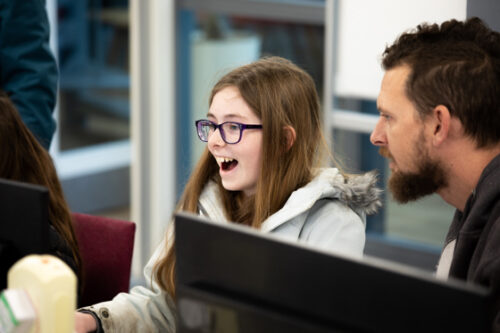
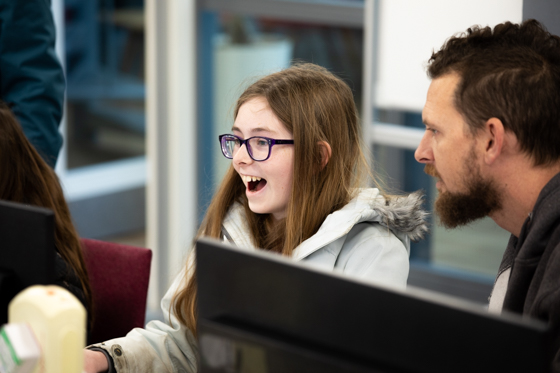
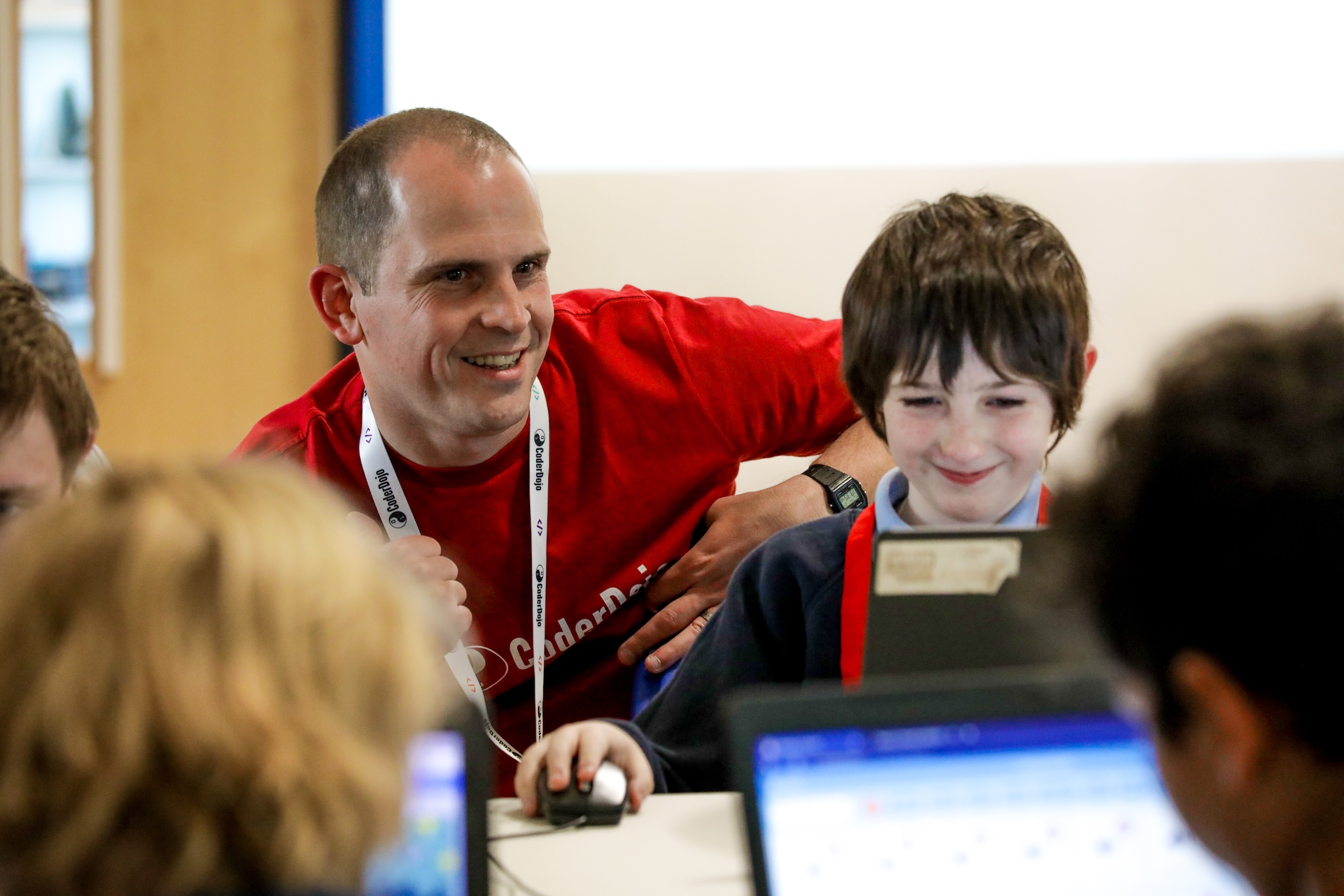
At the 40th event in Selby, organizers reflected on the transformative power of the "Aha!" moment—the specific instance when a child successfully completes a circuit, lights an LED, or executes a complex string of code for the first time. These moments are more than just technical achievements; they are psychological milestones that build confidence and agency. By providing a platform for young people to present their projects to peers and parents, the clubs also foster essential soft skills, such as public speaking, collaboration, and iterative problem-solving.
The Raspberry Fields Summit and the AI Frontier
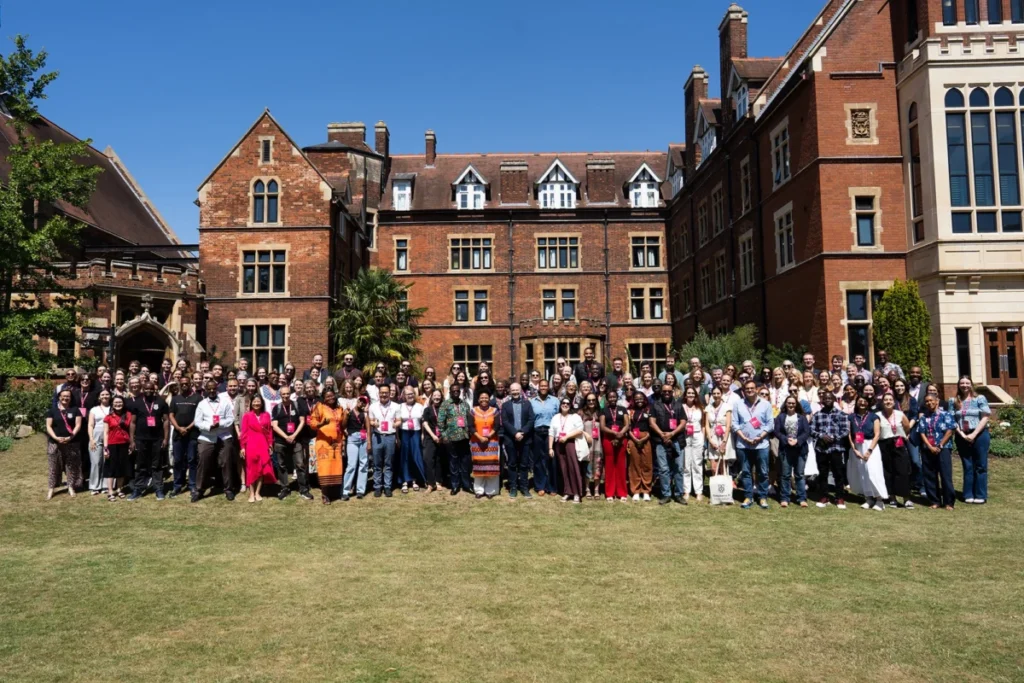
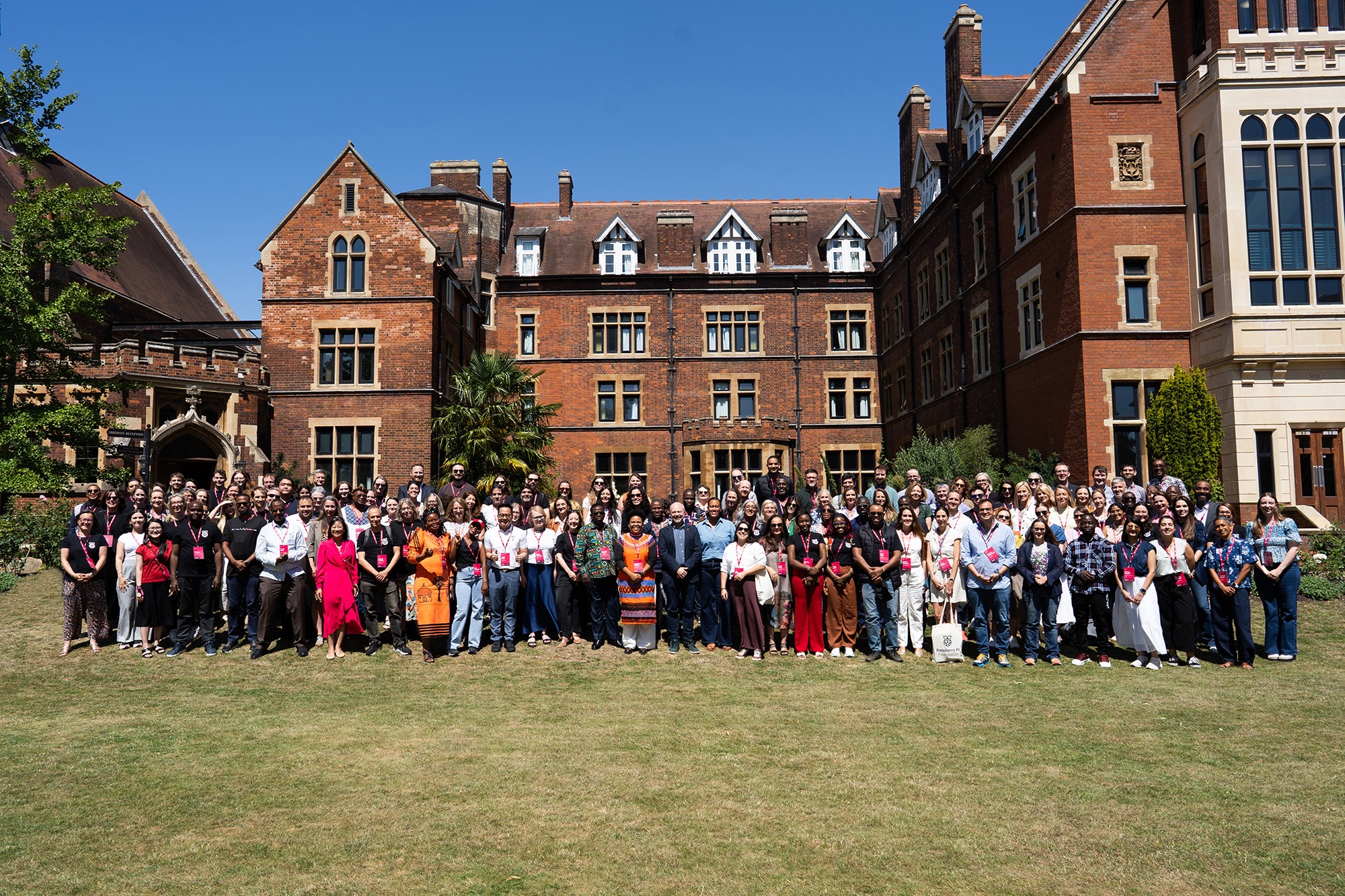
The 15th-anniversary celebrations coincide with the conclusion of "Raspberry Fields," a global partners summit held in Cambridge. The summit brought together educators, volunteers, and tech industry leaders to discuss the shifting paradigms of computing education, with a particular focus on the rise of Artificial Intelligence (AI).
The consensus among summit participants was that the advent of AI does not render traditional coding skills obsolete; rather, it makes them more critical. Understanding the logic behind algorithms is essential for young people to become critical consumers and ethical creators of AI systems. The summit emphasized that in an age of automated code generation, the human elements of programming—creativity, ethical judgment, and system design—become the primary focus of education.
Philip Colligan, CEO of the Raspberry Pi Foundation, has frequently advocated for the importance of reaching children who do not thrive in traditional academic environments. The summit reinforced the idea that non-formal education settings like CoderDojo are uniquely positioned to reach "disengaged" learners. By removing the pressure of grades and standardized testing, Dojos allow students to experiment and fail safely, which is a prerequisite for innovation.
Chronology of Key Milestones in the CoderDojo Movement
To understand the current scale of the movement, one must look at the timeline of its evolution:
- 2011: The first CoderDojo is held at PBC Cork, Ireland. The movement quickly spreads across Ireland and to London.
- 2012: The CoderDojo Foundation is established as a non-profit to support the growing number of clubs worldwide.
- 2013: The first "DojoCon," an annual conference for volunteers, is held, establishing a professional development network for mentors.
- 2017: CoderDojo joins forces with the Raspberry Pi Foundation, significantly increasing its resource pool and global reach.
- 2020: The Selby CoderDojo is founded, marking a new wave of community-led expansion in the UK.
- 2021-2023: The movement pivots to hybrid and remote models during global lockdowns, developing new digital resources that continue to be used today.
- 2024: Celebration of the 15th global anniversary and the 40th event milestone for regional hubs like Selby.
Analysis of the Non-Formal Education Paradigm
The success of CoderDojo provides a compelling argument for the integration of non-formal education into the broader national strategy for STEM (Science, Technology, Engineering, and Mathematics). Traditional school curricula often struggle to keep pace with the rapid evolution of technology. In contrast, the volunteer-led nature of CoderDojo allows for agility. Mentors, who are often professional software engineers or tech enthusiasts, bring real-world industry standards and the latest technological trends directly to the students.
Furthermore, the "collaboration over competition" model addresses the diversity gap in technology. By creating a social environment where parents and children learn together, Dojos break down the intimidation factor associated with computer science. This is particularly vital for encouraging girls and underrepresented minorities to pursue technical paths, as the community-centric approach mitigates the "lone coder" stereotype.
Broad Impact and Future Implications
The long-term implications of the CoderDojo movement extend beyond the classroom. By democratizing access to high-level technical skills, the movement contributes to regional economic resilience. Communities like Selby, which may not be traditional tech hubs, are now producing a pipeline of tech-literate youth who are equipped to participate in the digital economy without needing to migrate to major urban centers.
As the movement looks toward the future, the focus remains on expansion and inclusivity. The upcoming "Meet, Learn, Make" event in Athlone, Ireland, scheduled for October, will serve as a homecoming for the movement. It aims to reunite the original Irish community with global partners to chart the course for the next 15 years.
The challenges ahead are significant. The digital divide remains a persistent issue, with many children lacking the hardware or internet connectivity required to participate in coding activities. The Raspberry Pi Foundation and the CoderDojo movement continue to lobby for better infrastructure and support for underserved areas. However, the success of the last 15 years suggests that the volunteer-led, community-focused model is the most effective tool available for creating a more equitable technological future.
In conclusion, the dual anniversaries of the global CoderDojo movement and the Selby hub serve as a testament to the power of a simple idea: that technology should be accessible, creative, and, above all, fun. As AI and other emerging technologies continue to reshape the world, the mission of CoderDojo—to empower young people to shape their world through code—has never been more relevant. The call to action for communities worldwide remains clear: to launch more clubs, recruit more mentors, and ensure that every child has the opportunity to experience the joy of creation through technology.