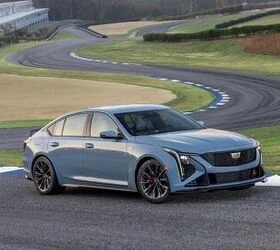
The automotive landscape is in a perpetual state of flux, driven by evolving consumer preferences, stringent emissions regulations, and the relentless march of technological innovation. Within this dynamic environment, certain iconic combinations of performance and driver engagement are becoming increasingly rare, even endangered. One such dwindling breed is the V8-powered, rear-wheel-drive sedan with a manual transmission. In the North American market of 2026, this potent trifecta is embodied by a single, formidable contender: the Cadillac CT5-V Blackwing. However, this automotive anachronism, a bastion of raw power and tactile control, is facing an imminent sunset, with its production slated to conclude in a mere four months. This impending cessation marks not just the end of a specific model, but a significant marker in the decline of an era of automotive engineering that prioritized visceral driving experience over the ubiquitous march towards electrification and automation.
A Dying Breed: The V8, Manual, RWD Sedan
The confluence of a powerful V8 engine, a precise manual gearbox, and rear-wheel-drive has long been the holy grail for driving enthusiasts. This configuration offered a unique blend of brute force, engaging control, and a direct connection between the driver and the machine. For decades, this formula was prevalent across various segments, gracing the driveways of performance sedan aficionados.
Historically, this segment boasted an impressive roster of legendary vehicles. BMW’s E39 and F10 M5 models, the exhilarating E90 M3 sedan, the muscular Chevrolet SS, and the charismatic Pontiac G8 all exemplified this potent combination. These cars were not mere modes of transportation; they were statements of intent, delivering exhilarating performance wrapped in the practicality of a four-door sedan. Even American performance stalwarts like Dodge, which once offered its Charger with a manual transmission, have largely abandoned this traditional setup in favor of more contemporary powertrain options. The gradual erosion of this segment is a testament to shifting market demands and the increasing regulatory pressures that favor fuel efficiency and reduced emissions.
The Cadillac CT5-V Blackwing: A Swan Song of Power
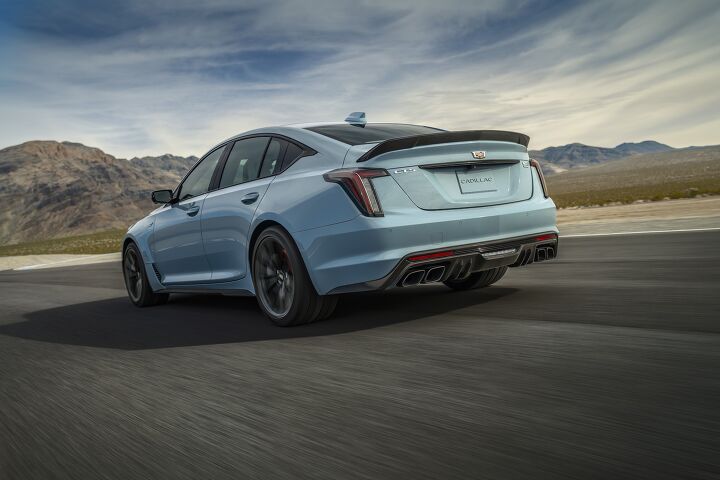
The Cadillac CT5-V Blackwing stands as the solitary inheritor of this rich lineage. It is a vehicle that unapologetically embraces the raw, unadulterated joy of driving, eschewing the trends that have led to the decline of its kin. At its core lies a supercharged 6.2-liter V8 engine, a behemoth of an powerplant that generates a staggering 668 horsepower and 659 lb-ft of torque in its standard configuration. This formidable output is channeled to the rear wheels through a six-speed Tremec manual transmission, a marvel of mechanical engineering that features Cadillac’s proprietary No-Lift Shift and Active Rev-Matching technologies. These systems are designed to facilitate smoother, more aggressive gear changes, allowing the driver to maintain peak performance even during spirited driving.
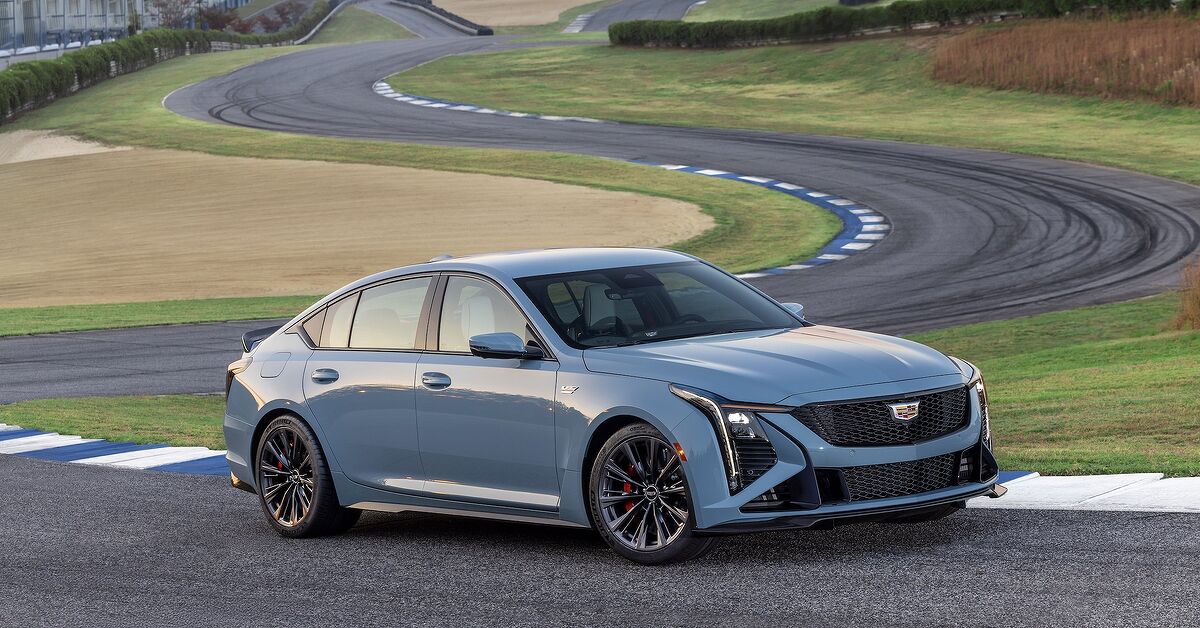
While many of its rivals have transitioned to all-wheel-drive (AWD) systems to better manage similar power outputs, Cadillac has steadfastly refused to compromise the pure rear-wheel-drive ethos of the Blackwing. This commitment to tradition is a significant factor in its appeal to a dedicated enthusiast base. The enduring popularity of the manual transmission in this high-performance sedan is further underscored by its impressive take rate. According to reports from CarBuzz, nearly 50 percent of CT5-V Blackwing models sold in 2023 were equipped with the manual gearbox, a remarkable figure in an era where automatic transmissions have become the overwhelming norm. This statistic alone speaks volumes about the enduring demand for driver involvement and the unique connection that a manual transmission provides.
The F1 Collector Series: A Final, Limited Flourish
In a poignant farewell to its V8 manual sedan legacy, Cadillac has introduced the 2026 CT5-V Blackwing F1 Collector Series. This limited-edition model serves as a tribute to the brand’s involvement in motorsports and its enduring connection to performance driving. The F1 Collector Series boasts an enhanced version of the already potent supercharged V8, with output figures elevated to an even more impressive 685 horsepower and 673 lb-ft of torque. This power bump is attributed to a revised supercharger system, further refining the already exhilarating performance.
Production of the F1 Collector Series is exceptionally limited, with only 26 units slated for creation. This exclusivity further elevates its desirability among collectors and enthusiasts, making it a fitting and highly sought-after send-off for the last of its kind. The unveiling of this special edition coincides with Cadillac’s presence at the U.S. Grand Prix, underscoring the brand’s deep-rooted heritage in motorsport and its commitment to delivering thrilling driving experiences.
A Resilient Resale Value: A Testament to Enduring Appeal
The Cadillac CT5-V Blackwing is not only a performance marvel but also a remarkably sound investment, at least in terms of retaining its value. The initial MSRP for the 2022 debut model was set at $83,995. Today, Kelley Blue Book lists a fair purchase price of approximately $76,250 for a used model. This represents a depreciation of roughly 10 percent over a four-year period, a testament to its desirability and the enduring appeal of its unique performance package. In contrast, many vehicles in its class shed a significantly larger portion of their value within a similar timeframe.
This robust resale value is further amplified by the scarcity of earlier, limited-run editions. The 2022 First Edition, capped at 250 units, and the 2023 120th Anniversary Edition, with its production limited to 120 units, already command significantly higher prices on the used market, according to CarBuzz. This indicates a strong and growing appreciation for these vehicles as future classics, sought after by collectors who recognize their significance as the final exemplars of a bygone era.
The End of an Era: What Lies Ahead
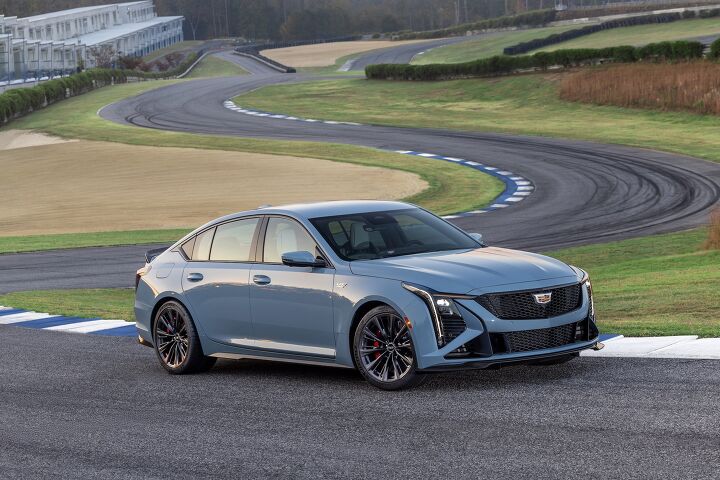
The conclusion of CT5-V Blackwing production in 2026 signifies the end of a chapter for Cadillac and for performance sedans as a whole. The entire CT5 range, including the Blackwing variant, will cease production by the end of the year, leaving buyers with a four-month window to acquire these automotive icons. While Cadillac has confirmed that the CT5 will return with gasoline engines, the future of a Blackwing version remains uncertain. The brand has remained tight-lipped on whether a successor will emerge to carry the torch of V8 manual performance.
The implications of this cessation are far-reaching. For automotive enthusiasts, it represents a poignant loss of choice and a fading opportunity to experience the raw, visceral thrill of a V8 manual sedan. The CT5-V Blackwing, in its final iteration, is not just a car; it’s a symbol of a particular automotive philosophy that prioritizes driver engagement and mechanical purity. Its departure from the market will undoubtedly leave a void that may prove difficult to fill.
The automotive industry’s trajectory is undeniably shifting towards electrification and advanced driver-assistance systems. While these advancements offer undeniable benefits in terms of efficiency and safety, they also contribute to the homogenization of the driving experience. The CT5-V Blackwing, in its unwavering commitment to traditional performance metrics, stands as a powerful reminder of what is being left behind. Its story is one of defiance against the prevailing automotive trends, a glorious swan song for an era of driving that celebrated raw power, mechanical precision, and the intimate connection between man and machine.
Broader Industry Trends and the Future of Performance
The phasing out of V8 manual sedans like the Cadillac CT5-V Blackwing is symptomatic of broader trends impacting the automotive industry. Increasingly stringent global emissions standards, driven by environmental concerns and regulatory mandates, are forcing manufacturers to re-evaluate their powertrain strategies. The inherent fuel consumption and emissions output of large-displacement V8 engines, particularly when paired with manual transmissions that offer less precise fuel management than advanced automatics, make them increasingly difficult to sustain in the face of these regulations.
Furthermore, the rapid advancements in electrification are presenting a compelling alternative. Electric powertrains offer instant torque, impressive acceleration, and the potential for zero tailpipe emissions, aligning with the industry’s sustainability goals. While electric vehicles can be engineered for performance, the driving experience they offer is fundamentally different from that of a combustion engine. The sensory feedback, the mechanical symphony, and the tactile engagement of a manual gearbox are elements that many enthusiasts cherish and which remain difficult to replicate in the electric realm.
The development of advanced driver-assistance systems (ADAS) and autonomous driving technologies also plays a role. As vehicles become more capable of handling driving tasks autonomously, the emphasis on driver engagement and the enjoyment of manual control diminishes for a segment of the car-buying public. While performance-oriented EVs are emerging, and some may offer simulated manual shifting experiences, they do not provide the same direct mechanical connection.
A Legacy and a Question Mark
The Cadillac CT5-V Blackwing’s impending departure from the market leaves a significant legacy. It has served as a beacon of traditional performance, a testament to the enduring appeal of raw power and driver involvement. Its success, particularly the high take rate of the manual transmission, demonstrates that there remains a passionate and dedicated audience for such vehicles.
The critical question that hangs in the air is whether Cadillac, or indeed any manufacturer, will dare to revive this potent formula in the future. The challenges are significant, ranging from meeting ever-tightening emissions regulations to finding a business case for a niche product in a market increasingly dominated by SUVs and EVs. However, the enduring appreciation for vehicles like the CT5-V Blackwing suggests that the desire for such driving experiences will persist.
Perhaps a future iteration could explore hybrid powertrains that still offer a manual option, or perhaps specialized performance divisions will continue to cater to this discerning clientele. For now, however, the focus remains on appreciating the final months of the Cadillac CT5-V Blackwing, a car that embodies the exhilarating spirit of a bygone era and stands as a powerful symbol of automotive passion in an increasingly automated and electrified world. Its story is a reminder that while the automotive industry evolves, the soul of driving – the thrill of control, the roar of the engine, and the connection to the road – will continue to resonate with enthusiasts for generations to come.