Jaguar Land Rover (JLR) is reportedly eyeing a significant expansion into the lucrative American pickup truck segment, with plans to develop a Defender-based truck manufactured in the United States through a nascent joint venture with Stellantis. This strategic move, detailed in a report by the British publication The Times, signals a bold offensive into a market valued at an estimated $80 billion. The initiative is seen as a crucial component of JLR boss PB Balaji’s broader restructuring efforts, which have already included significant workforce reductions, with approximately 4,000 jobs having been cut.
The Strategic Rationale: Tariffs and Market Access
The primary driver behind the potential U.S.-built Defender truck is the complex landscape of international trade tariffs. Currently, the iconic Defender is assembled in Slovakia. This European manufacturing base leaves it vulnerable to fluctuating European Union trade agreements, which can impact pricing and market accessibility in key regions. By establishing production within the United States, JLR aims to circumvent these tariff-related challenges entirely, creating a more stable and cost-effective pathway into the American market.
This strategy aligns with observations made by Stellantis CEO Antonio Filosa earlier in the year. Filosa explicitly noted that "the new trade condition" makes the company’s "installed capacity very attractive to many other competitors or potential partners." This statement underscores a critical reality in the automotive industry: Stellantis possesses significant manufacturing capacity in North America that exceeds its current sales volume. This surplus capacity presents an opportunity for partnerships with other automakers seeking to establish or expand their presence in the U.S. without the substantial capital investment required for new factories.
A Synergistic Partnership: Why Jeep and Land Rover Can Coexist
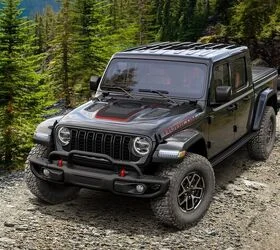
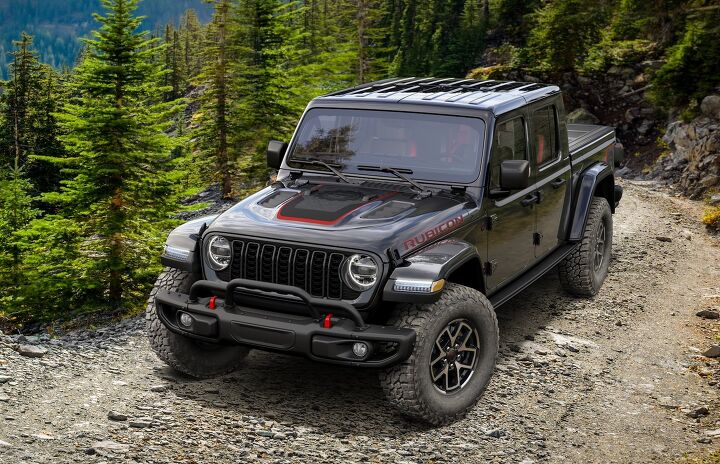
The prospect of Stellantis, the parent company of Jeep, collaborating with Land Rover, a brand often perceived as a direct competitor in the premium off-road segment, might initially seem counterintuitive. However, a closer examination reveals a compelling rationale for this alliance. The core argument is that the two brands, despite their shared off-road heritage, occupy largely distinct market niches. Consumers rarely cross-shop a Jeep Wrangler, known for its raw, utilitarian off-road prowess and accessible price point, with a Range Rover, which epitomizes luxury, refinement, and advanced technology.
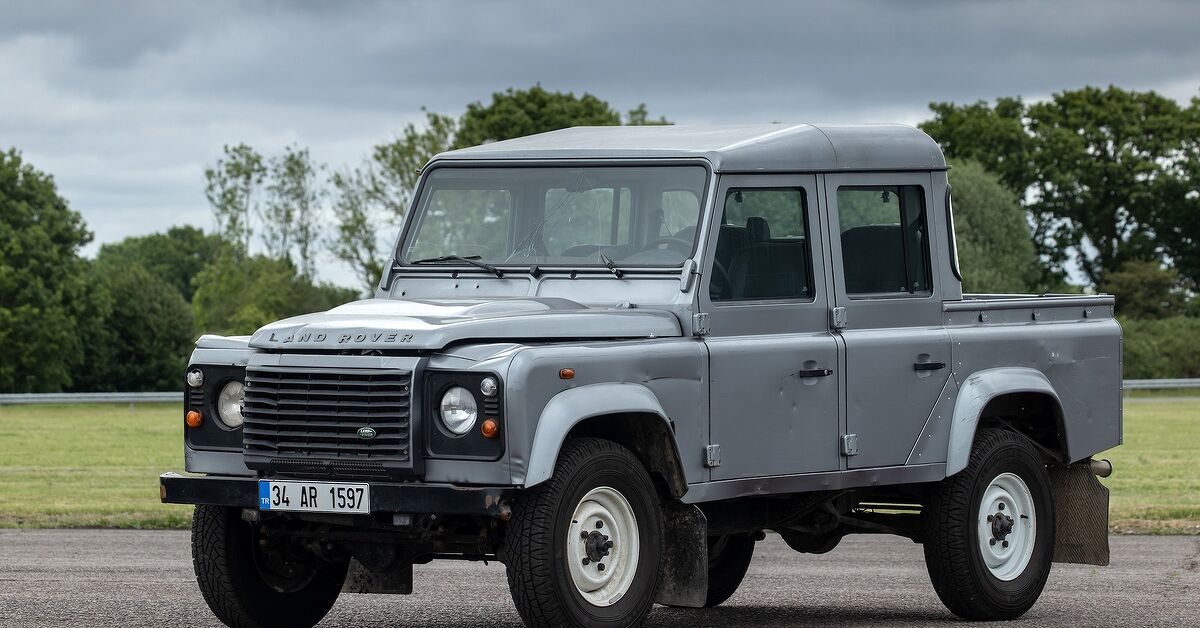
This lack of direct overlap means that a Defender-based truck would not cannibalize Jeep’s existing sales. Instead, it would provide Land Rover with a product it currently lacks in its portfolio – a pickup truck designed to leverage the rugged appeal and premium positioning of the Defender nameplate. For Stellantis, the partnership offers a potential lifeline to underutilized manufacturing facilities, specifically the Warren, Michigan plant. This plant currently produces the Grand Wagoneer, a large luxury SUV that has faced challenges in gaining significant market traction. A joint venture could revitalize this facility by utilizing its production lines for a new, in-demand vehicle.
The Defender Truck: Leveraging an Iconic Nameplate
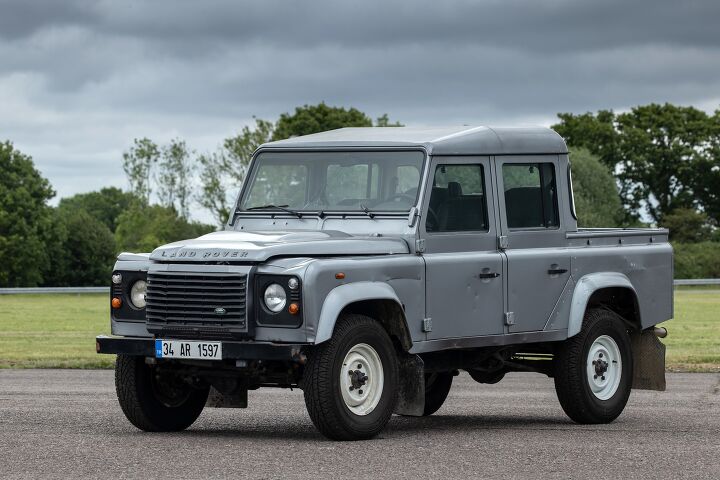
The Defender nameplate carries immense global recognition and a storied history associated with unparalleled off-road capability. Translating this legacy into a pickup truck format presents a significant opportunity. Industry analysts, such as those at S&P Global Mobility, foresee a positive outcome from such a collaboration, anticipating the development of a Defender-branded product. The firm suggests that a larger Defender variant, possibly designated as the "150," could be developed. This hypothetical model would likely be built on a platform shared with a future replacement for the Grand Wagoneer, specifically engineered to cater to the preferences and demands of the American consumer. The logical approach for both parties would involve leveraging shared platforms to reduce development costs and streamline production.
Navigating Powertrain Complexities: The Tariff Loophole and Future Solutions
The issue of powertrains presents a particularly complex challenge for the proposed Defender truck. The current U.S. specification Defender utilizes either the older supercharged JLR V8 engine or the more recent BMW V8, sourced from the BMW X7. Importing engines, even if assembled in the U.S. with European components, can reintroduce tariff considerations, undermining the core strategy of tariff avoidance.
A more elegant solution would involve a jointly developed V8 engine. Drawing inspiration from Stellantis’s current Hemi V8, a collaborative effort could see both companies sharing the substantial costs associated with developing and producing a modern V8 powertrain. This approach becomes increasingly attractive given the current, albeit modest, resurgence in V8 engine popularity and the ongoing uncertainty surrounding future emissions regulations and powertrain mandates. By pooling resources, JLR and Stellantis could create a potent and appealing engine option that complies with evolving standards while satisfying the performance expectations of the American pickup truck market.
A Glimpse into the Future: The Defender "150" and Shared Platforms
While details remain scarce, industry speculation points towards a larger, more imposing Defender variant as the likely candidate for a pickup truck conversion. The "150" designation, if adopted, suggests a vehicle that would compete in the larger end of the pickup truck market, potentially offering substantial payload and towing capabilities alongside the expected off-road prowess.
The proposed platform sharing with a future Grand Wagoneer replacement is a critical element. This would allow for economies of scale in design, engineering, and manufacturing. The Grand Wagoneer platform, known for its robust construction and capacity for accommodating powerful engines and advanced suspension systems, would provide a solid foundation for a capable pickup. This shared architecture would also enable the integration of advanced driver-assistance systems and infotainment technologies, ensuring the Defender truck meets the expectations of a premium segment.
The Broader Implications for the Automotive Landscape
The potential entry of a Defender-based pickup truck into the U.S. market carries significant implications for the existing automotive landscape.
Increased Competition in the Premium Pickup Segment
While the U.S. pickup market is dominated by established players like Ford, Chevrolet, and Ram, there is a growing appetite for more premium and specialized offerings. A Defender truck, with its unique blend of luxury, heritage, and off-road capability, could carve out a distinct niche. This would challenge existing players to innovate and potentially expand their own premium offerings.
Revitalization of U.S. Manufacturing
The decision to build the Defender truck in the United States would be a significant boost for American manufacturing. It would create jobs, support local supply chains, and contribute to the economic vitality of the regions where production facilities are located. This aligns with a broader trend of automakers reconsidering global supply chains and prioritizing regional production for key markets.
A New Direction for Jaguar Land Rover
For JLR, this move represents a crucial step in its strategy to diversify its product portfolio and strengthen its presence in North America. The success of the Defender truck could pave the way for further collaborations with Stellantis, potentially leading to the development of other shared platforms or technologies. This partnership could provide JLR with the agility and resources needed to compete effectively in a rapidly evolving automotive industry.
Stellantis’s Strategic Advantage
For Stellantis, the partnership offers a way to leverage its manufacturing assets more effectively and potentially attract further collaborations. By demonstrating its ability to partner with other automakers, Stellantis could solidify its position as a key player in the global automotive supply chain, particularly in North America. The success of this venture could also open doors for other brands within the Stellantis portfolio to explore similar strategic alliances.
The Road Ahead: A Memorandum of Understanding
It is important to note that, as of the latest reports, JLR has confirmed that only a memorandum of understanding (MOU) has been signed between the two companies. This indicates that the proposed venture is still in its early stages of development. While the strategic rationale and potential benefits are clear, numerous hurdles remain to be overcome, including detailed product planning, engineering validation, and final manufacturing agreements.
The automotive industry is characterized by long development cycles and significant investment. The realization of a Defender-based pickup truck will likely take several years. However, the mere exploration of such a venture underscores the dynamic nature of the global automotive market and the innovative strategies being employed by manufacturers to navigate complex economic and regulatory environments. The potential for a U.S.-built Defender truck represents a fascinating convergence of brand heritage, strategic alliances, and market opportunism, with the promise of significantly reshaping a segment of the American automotive landscape.