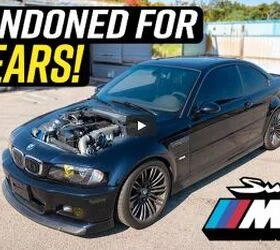
The narrative surrounding highly modified performance vehicles often focuses on the pursuit of ever-increasing power and track dominance. However, a compelling counter-trend is emerging, championed by creators like Speed Academy. Peter Tarach and Dave Pratte, the driving forces behind the Speed Academy website and YouTube channel, are dedicated to the art of making things go fast and, crucially, enjoying the automotive experience. Their latest project, a deeply modified BMW E46 M3 that has undergone a dramatic transformation, exemplifies this evolving philosophy. This isn’t about simply extracting more raw performance; it’s about cultivating a machine that offers both exhilarating speed and everyday usability, a testament to a second-generation build strategy that prioritizes refinement and comfort alongside its potent heart.
The car in question, a 2020 build that initially embraced a track-focused ethos, has been dormant for approximately five years. This period of inactivity has prompted a significant re-evaluation of its purpose. The ambitious goal now is to evolve the heavily modified E46 M3 from a specialized track weapon into a more civilized street and weekend car. This shift necessitates a meticulous approach to enhancing comfort, usability, and overall refinement, addressing the compromises inherent in its previous, more extreme configuration.
The Genesis of a Track Legend: The Original Build
The foundation of this project was a relatively unpretentious, albeit rusty, BMW E46 M3. The initial build was audacious, integrating a potent Toyota 2JZ-GTE engine and an estimated $15,000 worth of aftermarket components. The result was a car that undeniably excelled on the racetrack, capable of delivering thrilling performance. However, the very modifications that made it a track champion proved to be significant impediments to comfortable street driving. The owner’s primary point of contention lies with the motorsport-grade shifter. Its incredibly short, tight throws, coupled with the substantial effort required to engage gears, became a considerable frustration, particularly in the stop-and-go conditions of daily traffic.
Complementing the aggressive shifter was an equally demanding clutch. Described as a Stage 3, six-puck-style unit, it was undeniably effective at handling the engine’s formidable power. Yet, its street manners were less than ideal. As the clutch warmed up, it exhibited a tendency to become grabby and chatter, detracting significantly from the driving experience when navigating urban environments. These components, while perfectly suited for the demands of a race track, highlighted the fundamental disconnect between the car’s original design intent and its new aspirations.
The Enduring Heart: The Toyota 2JZ-GTE
Despite the challenges posed by certain modifications, the enthusiasm for the car remains palpable, largely driven by the enduring appeal of its powerplant. The internally stock 2JZ VVT-i engine has earned widespread praise for its exceptional smoothness, captivating sound, and linear power delivery. The owner has even gone on record stating that its inherent smoothness surpasses that of the original BMW S54 engine, a testament to the engineering prowess of the 2JZ. This engine, a legendary choice in the tuning world for its robustness and potential, continues to be a cornerstone of the car’s value and a primary motivator for its comprehensive refurbishment.
However, the passage of time and its period of inactivity have not been without mechanical consequence. Upon retrieval from storage, a cracked turbo coolant feed line was discovered, leading to a coolant leak. This issue necessitates a rebuild of the turbo water lines. Furthermore, there are suspicions of an exhaust or wastegate leak, although initial visual inspections of the manifold and turbo system have not revealed any obvious signs of soot or cracking.
Another discernible issue impacting the engine’s performance is a noticeable dead spot in its power delivery, typically occurring between approximately 1,500 and 2,000 rpm. The owner’s current hypothesis points towards the injectors as the likely culprit for this hesitation, and a plan is in place to replace them. These mechanical rectifications are crucial steps in restoring the 2JZ’s optimal performance and ensuring its long-term reliability.
Addressing Track-Focused Hardware for Street Comfort
The car’s braking system, another element meticulously engineered for track performance, also presents challenges for street usability. The floating two-piece rotors, while offering excellent stopping power, are prone to rattling over bumps, producing an unwelcome clanking noise that undermines the desired level of refinement. The owner intends to address this by modifying the setup, potentially reverting to a more conventional brake configuration that prioritizes a quieter and smoother operation for everyday driving.
In contrast, the rear suspension and subframe appear to be in robust condition. The reinforcement of the rear mounting points and the continued presence of adjustable arms and JRZ components suggest a solid foundation in this area. Major work in the rear is not anticipated, allowing the team to focus on other critical aspects of the rebuild. Distinctive elements like the BimmerWorld rear diffuser and the single-exit titanium exhaust remain as visual markers of the car’s performance heritage.
Redesigning the Air Intake for Efficiency and Aesthetics
A particularly striking remnant of the car’s initial track-focused build is a rather rudimentary air intake box. This component was hastily fabricated for drag racing purposes and, while functional, lacked any semblance of aesthetic appeal or optimal aerodynamic design. The new direction demands a cleaner, more effective, and visually appealing intake system.
The proposed solution involves the creation of a custom 3D-printed airbox. This ambitious project may involve collaboration with a friend skilled in design, with the printing executed on a Prusa Core One 3D printer. Beyond its application on this specific E46 M3, this endeavor has the potential to establish a new capability within the shop: the design and fabrication of custom 3D-printed parts for a variety of vehicles, opening up new avenues for bespoke automotive solutions.
The Crucial Addition of Air Conditioning
A significant upgrade aimed squarely at enhancing street comfort is the integration of an air conditioning system. This feature is considered indispensable for making the car an enjoyable proposition during warmer months. A comprehensive aftermarket AC kit has been acquired, but the installation presents a considerable challenge: routing the necessary lines around the existing 2JZ turbo hardware. The forthcoming video documentation is expected to provide an in-depth look at the intricacies of installing custom AC in this unique 2JZ-swapped BMW.
Unearthing Undercarriage Issues: Rust and Brake Lines
The five years of inactivity have inevitably brought to light issues lurking beneath the car. While the vehicle exhibits remarkably little oil leakage and the titanium exhaust has proven remarkably durable, a thorough inspection revealed a more pressing concern: a rusted and leaking brake line.
Subsequent testing of the braking system confirmed the leak. Unfortunately, replacing the compromised brake line is a task complicated by limited access. The fuel tank must be dropped to gain the necessary clearance. Given that the gearbox will already be removed for other planned work, the owner plans to address the brake lines concurrently. This presents an opportune moment to inspect and potentially replace additional sections of brake lines that may be showing signs of corrosion, ensuring the integrity of the entire system.
A Return to OEM-Inspired Aesthetics and Functionality
A central theme guiding this extensive rebuild is the deliberate move away from the extreme track-car aesthetic and towards a more refined, OEM-inspired street car appearance. This philosophical shift influences a wide range of planned modifications designed to imbue the car with a sense of factory polish and everyday drivability.
The existing E90 M3 wheels, while aesthetically pleasing, are slated for replacement. The tires, dating back to 2019, are well past their prime, underscoring the immediate need for a completely new wheel and tire package. This renewal of the rolling stock will not only enhance the car’s appearance but also contribute significantly to its ride quality and safety.
Resolving Lingering Electrical Gremlins and Future Plans
The car continues to display several warning lights, including persistent traction control and airbag warnings. The team is optimistic about resolving these issues through advanced CAN bus-related diagnostics and programming. Another minor but irritating problem is a malfunctioning door lock system, where one door responds inconsistently to the locking mechanism. The owner is currently deliberating whether the effort required to rectify this specific issue is warranted, balancing the desire for complete functionality against the pragmatic allocation of resources.
Once all the mechanical and electrical work is successfully completed, the car is scheduled to return to the dyno. This will allow for a fresh tune-up and a new power measurement, providing a definitive benchmark of its performance after its extended hiatus and comprehensive refurbishment.
The Second Generation Build: A New Paradigm for Modified Cars
In essence, this rebuild is not an endeavor to push the 2JZ E46 M3 into even more extreme territory. Instead, it represents a thoughtful and mature "second-generation" build philosophy. The objective is to take a vehicle that was once solely optimized for the unforgiving demands of the racetrack and transform it into something that its owner can genuinely and comfortably enjoy on public roads.
The core elements of its performance identity – the potent 2JZ engine, the robust turbo system, the reinforced chassis, and the high-performance hardware – will remain. However, the emphasis is undergoing a significant recalibration, shifting towards OEM-like refinement, enhanced reliability, improved comfort, the crucial addition of air conditioning, a cleaner and more sophisticated appearance, and ultimately, a far greater degree of street usability. The upcoming work on the gearbox, brake lines, intake system, AC, and both exterior and interior components signifies a concerted effort to preserve the very essence of what makes this car special, while simultaneously eliminating the compromises that previously rendered it challenging to live with on a day-to-day basis. This project by Speed Academy is not just a car build; it’s a statement about the evolving appreciation for well-rounded, enjoyable performance machines.