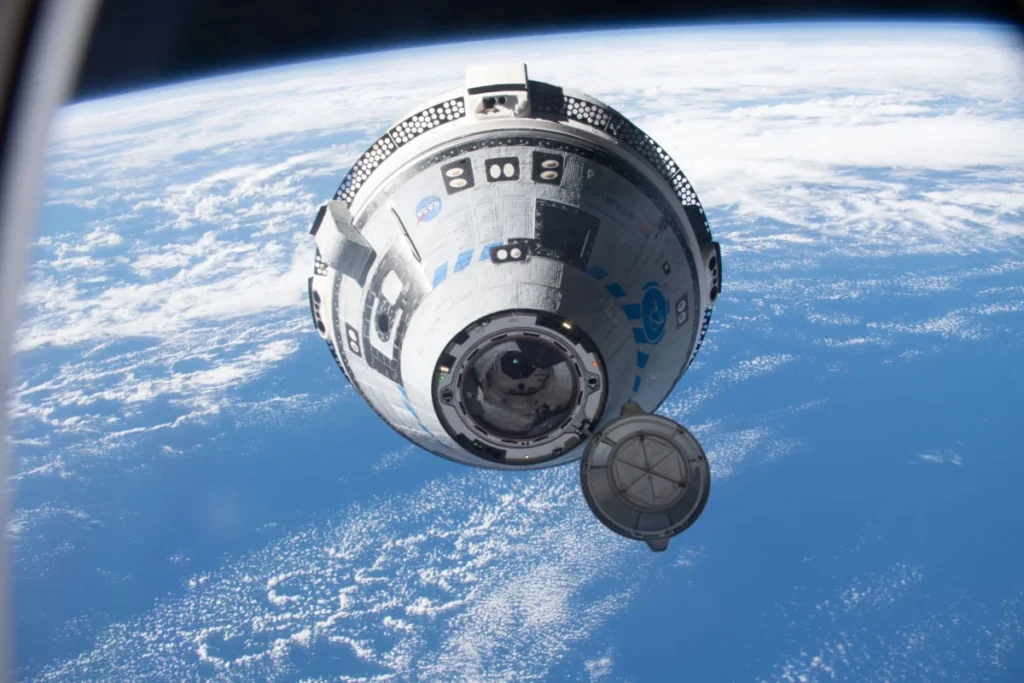
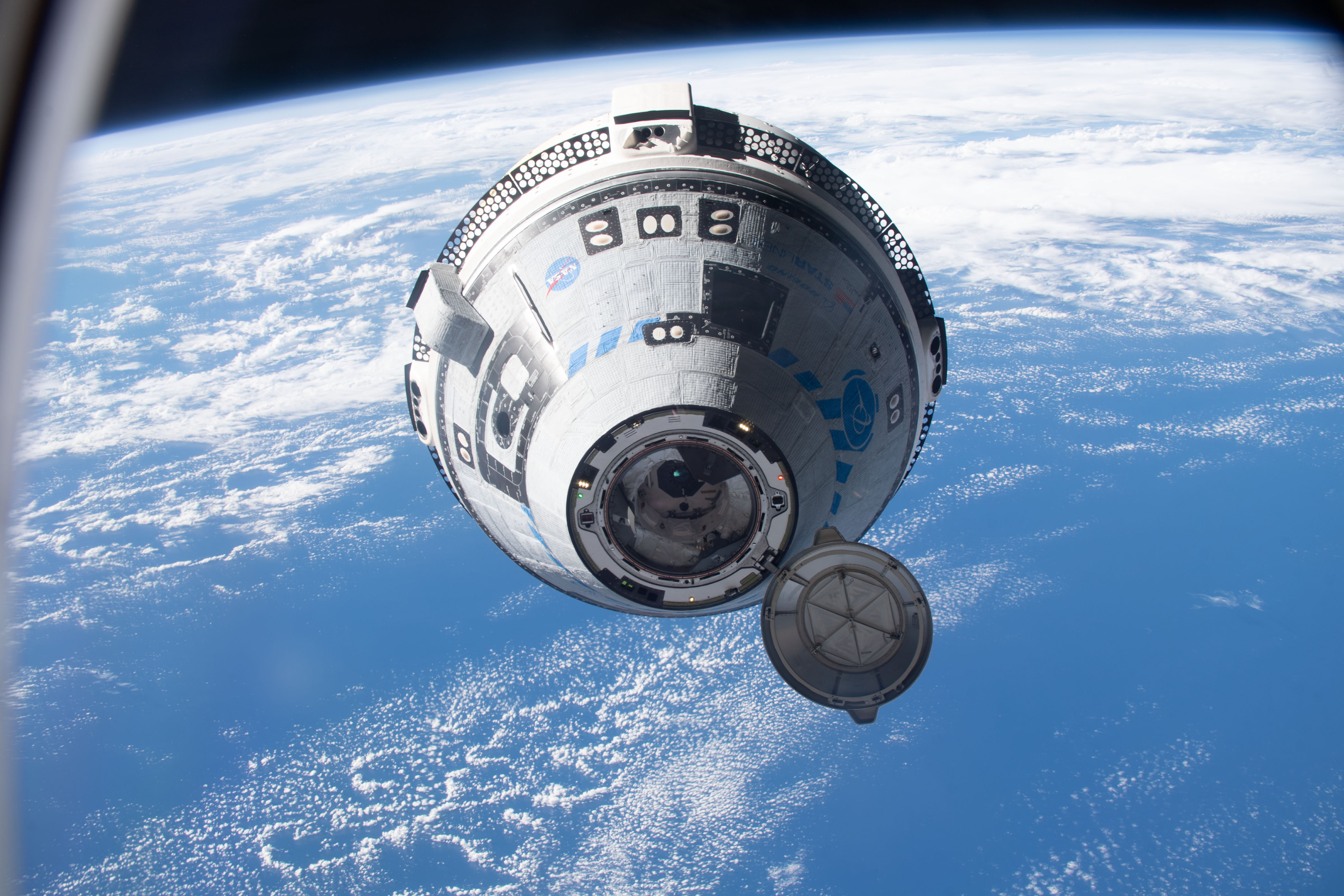
NASA and Boeing leadership are set to convene for a critical news conference on Monday, September 28, at 3 p.m. EDT, to provide comprehensive updates on the development of the Boeing Starliner spacecraft and to outline its anticipated role in facilitating regular crewed transportation to and from the International Space Station (ISS). This briefing is expected to shed light on the programmatic progress, recent testing achievements, and the strategic roadmap for establishing a reliable cadence of crewed flights.
The announcement comes at a pivotal moment for both NASA’s Commercial Crew Program and Boeing’s aerospace division. The Starliner program has faced a series of developmental challenges and delays since its inception, including significant setbacks during uncrewed and crewed test flights. These hurdles have extended the timeline for operationalizing Starliner as a second commercial partner, alongside SpaceX’s Crew Dragon, to ferry astronauts to the orbiting laboratory. The success of this briefing and the subsequent operationalization of Starliner are crucial for ensuring redundancy and sustained human presence on the ISS, particularly as the station’s operational life is extended.
A History of Starliner’s Development and Challenges
The Commercial Crew Program, initiated by NASA in 2010, aimed to revitalize American human spaceflight capabilities by fostering partnerships with private industry. The goal was to develop safe, reliable, and cost-effective systems for transporting astronauts to low-Earth orbit, ending U.S. reliance on Russian Soyuz spacecraft. Boeing, with its extensive aerospace heritage, was selected alongside SpaceX to develop a crewed spacecraft.
Boeing’s CST-100 Starliner, a capsule-style spacecraft designed to launch on a United Launch Alliance (ULA) Atlas V rocket, was envisioned as a key component of this strategy. Its development has been marked by a series of crucial milestones and significant learning experiences.
- Early Development and Design: The initial design phase focused on a robust and reusable spacecraft capable of accommodating up to seven astronauts. Key features include an advanced launch abort system, a spacious crew cabin, and a sophisticated life support system.
- Uncrewed Orbital Flight Test (OFT-1) – December 2019: This mission was intended to be a critical demonstration of Starliner’s capabilities, including reaching orbit, docking with the ISS, and safely returning to Earth. However, the mission encountered significant anomalies. Starliner failed to reach its planned orbit due to issues with its propulsion system and experienced problems with its mission elapsed time clock. Consequently, it was unable to dock with the ISS and had to return to Earth prematurely. The investigation identified several root causes, including software errors and hardware failures, leading to extensive redesign and retesting.
- Crewed Flight Test (CFT) – May 2022 (Original Target): Following the OFT-1 issues, NASA and Boeing conducted a thorough review and implemented corrective actions. The Crewed Flight Test, intended to carry two NASA astronauts to the ISS, was repeatedly delayed to incorporate lessons learned and ensure mission readiness.
- Uncrewed Orbital Flight Test 2 (OFT-2) – May 2022: This second uncrewed test flight was a critical success. Starliner successfully launched, docked with the ISS, spent several days aboard the station, and returned to Earth with no major anomalies. This flight validated the spacecraft’s system performance and operational readiness after extensive modifications.
- Crewed Flight Test (CFT) – July 2024: The long-awaited CFT mission, carrying NASA astronauts Butch Wilmore and Suni Williams, launched successfully. While the mission achieved its primary objective of demonstrating Starliner’s ability to transport a crew to the ISS and back, it encountered unexpected issues with the spacecraft’s propulsion system during its stay in orbit, including helium leaks and thruster performance anomalies. These issues necessitated an extended stay on the ISS and a more cautious approach to the return journey. The astronauts successfully returned to Earth in September 2024.
The upcoming news conference will likely address the findings from the CFT mission’s anomalies, the corrective actions being implemented, and the path forward to certify Starliner for regular operational missions.
Key Participants and the Importance of the Briefing
While the specific names of briefing participants were not listed in the initial announcement, it is customary for such high-profile events to include senior leadership from both NASA and Boeing. This typically includes:
- NASA Administrator or Deputy Administrator: To underscore the agency’s commitment to the Commercial Crew Program and human spaceflight.
- Associate Administrator for the Human Exploration and Operations Mission Directorate: The senior NASA official responsible for astronaut activities and spaceflight operations.
- Director of the Commercial Crew Program: To provide detailed programmatic updates.
- Boeing Vice President and General Manager, Space & Launch: To represent Boeing’s perspective on Starliner’s development and future.
- Starliner Program Manager (Boeing): To offer technical insights into the spacecraft’s performance and improvements.
The discussion is expected to center on:
- Post-CFT Anomaly Resolution: A detailed explanation of the helium leaks and thruster issues encountered during the CFT mission, the root cause analysis, and the implemented or planned solutions.
- Certification Status: Updates on the steps required to achieve full certification from NASA for regular crew rotation missions.
- Operational Cadence: Projections for the frequency of future Starliner missions to the ISS, including crewed and uncrewed cargo flights.
- Integration with ISS Operations: How Starliner will seamlessly integrate into the existing ISS crew rotation schedule and support ongoing scientific research.
- Future Mission Planning: Initial discussions about upcoming crew assignments and mission objectives for Starliner.
Where to Watch and Media Participation
The news conference will be broadcast live online, providing global access to the latest information. Interested parties can tune in via NASA’s official live streaming portal at:
Media representatives who are already credentialed for the upcoming Crew-13 mission have the option to attend the briefing in person at NASA’s Kennedy Space Center in Florida. To participate in the question-and-answer session, accredited media must request the dial-in number from the Kennedy newsroom by emailing:
This request must be submitted no later than one hour prior to the scheduled start of the briefing. NASA’s agency-wide media accreditation policy is available for review on their official website, providing guidelines for media engagement with the agency.
For general information about NASA’s ongoing missions, research, and space exploration endeavors, the agency’s official website remains the primary resource:
Broader Implications for Human Spaceflight
The successful operationalization of the Boeing Starliner is more than just a program milestone; it carries significant implications for the future of human spaceflight and NASA’s long-term strategy.
- Redundancy and Resilience: Having two independent U.S. commercial crew transportation systems (SpaceX Crew Dragon and Boeing Starliner) significantly enhances redundancy and resilience for human spaceflight operations. This dual capability is crucial for ensuring uninterrupted access to the ISS and for mitigating risks associated with a single system.
- Increased Launch Capacity: The addition of Starliner to NASA’s roster will increase the overall launch capacity for transporting astronauts to the ISS. This is vital for supporting extended crew rotations, enabling more astronauts to conduct research on orbit, and facilitating crew exchanges.
- Economic Viability of Low-Earth Orbit: Regular and reliable crewed flights are essential for the economic viability of low-Earth orbit as a destination for scientific research, commercial activities, and potentially future space tourism. Starliner’s contribution will help stabilize this ecosystem.
- Sustaining the ISS: With the International Space Station’s operational life extended into the late 2020s or beyond, a dependable transportation system is paramount. Starliner will play a critical role in ensuring continuous crewed presence and operational support for the station.
- Future Exploration Architectures: The experience gained from developing and operating Starliner will inform NASA’s future exploration architectures, including missions to the Moon and Mars. The lessons learned in commercial partnerships and complex spacecraft development are invaluable for these ambitious endeavors.
- Boeing’s Aerospace Future: For Boeing, the successful integration of Starliner into NASA’s operational fleet is a critical step in reaffirming its capabilities in human spaceflight and its commitment to the sector. It also holds significant commercial implications for the company’s future space endeavors.
The news conference on September 28th is an opportunity for NASA and Boeing to address lingering questions and build confidence in Starliner’s readiness. The public and the aerospace community will be closely watching for clear, concise, and reassuring updates that pave the way for a new era of routine American access to space.
Contact Information:
For media inquiries, NASA Headquarters provides the following contacts:
George Alderman / Joshua Finch
Headquarters, Washington
202-358-1600
[email protected] / [email protected]