
The U.S. Department of Transportation is set to finalize new fuel economy standards that are projected to significantly increase fuel costs for consumers and raise overall fuel consumption. The finalized rule, expected to be announced imminently, marks a substantial rollback of previously established Corporate Average Fuel Economy (CAFE) standards, reversing years of progress in vehicle efficiency. This move comes at a critical juncture, with global energy markets already volatile due to ongoing international conflicts and supply chain disruptions, potentially exacerbating financial pressures on American households.
Background: The Evolution of Fuel Economy Standards
The concept of fuel economy standards in the United States emerged from the energy crises of the 1970s. The Arab oil embargo of 1973 highlighted the nation’s vulnerability to global oil supply shocks and spurred a national effort to reduce dependence on foreign oil. In response, Congress enacted legislation establishing the CAFE program in 1975. This program mandates that automotive manufacturers meet specific average fuel economy targets for their entire fleet of vehicles sold in the U.S. Failure to meet these standards results in substantial fines for each non-compliant vehicle.
Prior to the implementation of CAFE, American automobiles were characterized by their large size and high fuel consumption, with efficiency being a low priority for manufacturers and consumers alike. The CAFE standards, alongside other federal and state regulations aimed at improving air quality, have played a pivotal role in driving technological advancements in the automotive industry. Over the decades, these regulations have incentivized the production of more fuel-efficient and cleaner-burning vehicles, leading to reduced gasoline consumption, lower emissions, and a more livable environment. The cumulative effect of these standards has been a significant improvement in the average fuel economy of the U.S. vehicle fleet, translating into billions of dollars in fuel savings for consumers and substantial reductions in air pollution.

The Proposed Rollback and Its Projected Impact
The Department of Transportation, under the leadership of Secretary Sean Duffy, has indicated its intention to finalize new fuel economy standards that represent a significant departure from current targets. The proposed changes would lower the target average fuel economy for model year 2031 from approximately 50.4 miles per gallon (mpg) to 34.5 mpg. This reduction is substantial and is expected to have a direct and immediate impact on consumers at the pump.
Analysis from the Department of Energy suggests that this rollback could lead to an increase in gasoline prices of approximately 76 cents per gallon. Furthermore, the National Highway Traffic Safety Administration (NHTSA) estimates that these changes could result in a staggering $185 billion increase in fuel costs for consumers over the lifetime of the vehicles affected. Beyond direct fuel expenses, the increased fuel consumption associated with less efficient vehicles will also lead to a projected 5% increase in carbon emissions. This projection, however, does not account for the associated rise in healthcare costs stemming from increased air pollution, a factor that the administration has previously downplayed, suggesting a disregard for the public health implications of environmental policy.
The economic rationale behind the rollback, as articulated by proponents, centers on notions of affordability and regulatory burden on manufacturers. However, critics argue that the purported savings for consumers are illusory, as the increased cost of fuel will far outweigh any potential reduction in vehicle purchase prices. Moreover, the rollback is viewed by many as a direct repudiation of efforts to promote energy independence and combat climate change.
Chronology of the Rulemaking Process
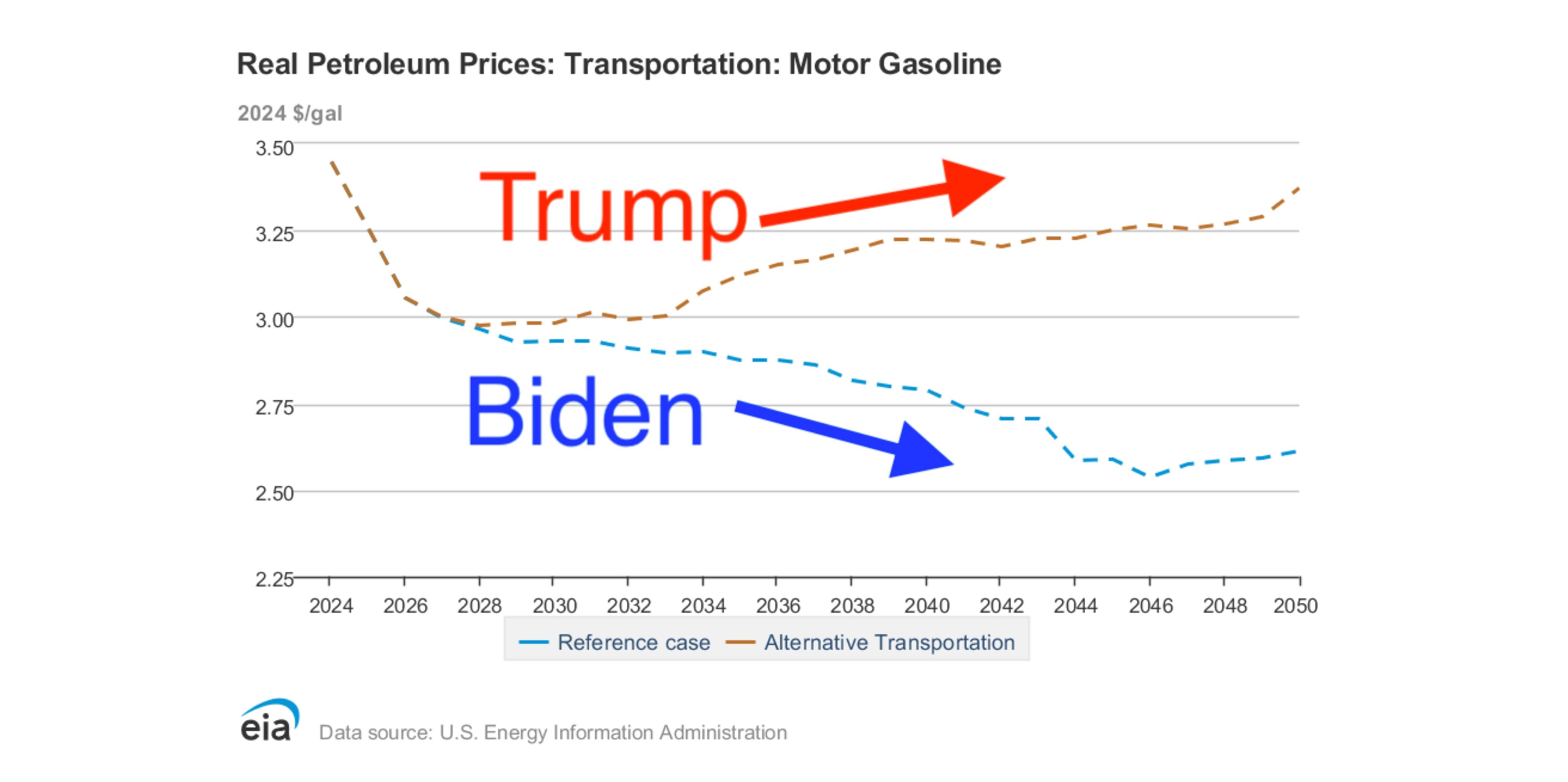
The move to revise fuel economy standards has been a developing issue over several months, marked by policy shifts and public engagement.
- Early Indications and Policy Direction: Shortly after assuming office, Secretary Duffy signed a memo signaling an intent to revise existing fuel economy standards. This initial action suggested a departure from the previous administration’s focus on increasing efficiency, with reports indicating a potential reversal of standards that were estimated to save Americans $23 billion in fuel costs.
- Formal Proposal and Public Comment Period: The Department of Transportation formally proposed the reduction in CAFE standards, setting the 2031 target average fuel economy at 34.5 mpg. This proposal was then opened for a public comment period, allowing stakeholders, including environmental groups, consumer advocates, and industry representatives, to voice their opinions.
- Public Opposition: The public comment period generated significant feedback, with the vast majority of the 68,294 submitted comments reportedly opposing the proposed changes. This overwhelming opposition underscores public concern regarding the potential negative impacts on fuel costs, health, and the environment.
- Imminent Finalization: The Department of Transportation has announced that the final rule is slated for official promulgation on Monday, following an initial announcement of the impending change on Saturday. This rapid timeline suggests a decisive push to enact the rollback.
Analysis of Projected Fuel Cost Increases
The calculation of increased fuel costs is based on a straightforward comparison of the old and new fuel economy standards. A reduction in average fuel economy from 50.4 mpg to 34.5 mpg implies that, on average, vehicles will require 45% more fuel to cover the same distance. This directly translates to an increase in average total fuel costs for drivers.
The estimate of a 45% increase in fuel required is a baseline calculation. The actual impact on consumer wallets is likely to be even greater. This is because increased demand for gasoline, driven by less efficient vehicles, will likely lead to further upward pressure on gasoline prices. This phenomenon, where reduced supply or increased demand leads to price hikes, is a fundamental economic principle.
Furthermore, an analysis released by the Department of Energy, which was reportedly signed off on by Chris Wright, a former oil CEO now in a leadership position at the department, corroborates these projections. This report specifically indicated a potential 76-cent per gallon increase in gas prices. The involvement of an industry executive with a vested interest in higher fossil fuel prices in an analysis predicting such an outcome raises questions about the objectivity of the findings and suggests a potential alignment of policy with industry interests.

Reactions and Criticisms
The proposed rollback has drawn sharp criticism from a broad coalition of environmental organizations, consumer advocacy groups, and industry observers who champion renewable energy and efficiency. These groups contend that the move is economically shortsighted and environmentally irresponsible.
- Environmental Impact: Critics argue that increasing carbon emissions by 5% at a time when the world is grappling with the escalating consequences of climate change is a regressive step. The long-term implications for public health and environmental sustainability are a significant concern.
- Economic Burden on Consumers: The projected increase in fuel costs is seen as an undue burden on American households, particularly during periods of economic uncertainty and inflation. This added expense can impact household budgets, reducing disposable income and potentially hindering economic growth.
- Undermining Energy Independence: The rollback is viewed as counterproductive to the goal of achieving energy independence. By increasing reliance on fossil fuels and discouraging the adoption of more efficient and alternative energy vehicles, the policy could weaken the nation’s energy security.
- Political Motivations: Some analyses suggest that the policy shift is driven by political considerations rather than sound economic or environmental principles. Comparisons have been drawn to previous efforts by Republican administrations to dismantle or weaken environmental regulations, often in response to lobbying from the fossil fuel industry.
The narrative surrounding the proposed changes has also been contentious. Former President Trump, who has been a vocal critic of existing fuel economy and electric vehicle (EV) mandates, has framed the rollback as a measure to "lower prices." However, this assertion is contradicted by internal government analyses and the fundamental economic principles governing supply and demand. The administration has also sought to tie these changes to a rollback of an alleged "EV mandate," despite the fact that no such mandate exists in current federal law.
The Broader Context: An Assault on Regulations
The current effort to weaken fuel economy standards is not an isolated incident. It appears to be part of a broader strategy by Republicans in various federal departments to dismantle or weaken regulations that promote environmental protection, consumer safety, and energy efficiency.

- Elimination of CAFE Fines: While the proposed new standards represent a rollback, it is worth noting that the enforcement mechanism for CAFE standards has already been significantly weakened. Congressional Republicans have previously used procedural maneuvers to set CAFE fines at $0, effectively nullifying the financial penalties for non-compliance. This action, part of a larger legislative package, has rendered the CAFE program largely symbolic in its enforcement capacity.
- Departmental Actions: Reports indicate similar policy shifts across other departments. The Department of Transportation has also reportedly eliminated government guidance related to bike lanes and road safety measures, a move critics warn could lead to a significant increase in pedestrian and cyclist fatalities. Actions by the Department of Energy, EPA, and Interior have also been cited as contributing to increased energy costs and reduced environmental protections.
- Legal Challenges: The arbitrary and capricious nature of some of these regulatory changes has led to legal challenges. Courts have, in some instances, reversed agency actions due to procedural flaws or a lack of scientific or economic justification. This suggests that further legal battles may be on the horizon as advocates seek to defend existing regulations and protect consumer interests.
The repeated attempts to weaken or eliminate regulations, even those already effectively circumvented, suggest a strategic effort to create lasting damage. By attacking on multiple fronts and through various legislative and administrative channels, the aim may be to make it more difficult for future administrations to reinstate or strengthen these protections. This approach serves the interests of industries that benefit from deregulation, particularly fossil fuel companies that may see extended periods of higher profits due to sustained demand for gasoline.
Conclusion and Looking Ahead
The finalization of new, less stringent fuel economy standards by the Department of Transportation signals a significant shift in U.S. energy and environmental policy. The projected increases in fuel costs and carbon emissions have raised serious concerns among consumer advocates, environmentalists, and public health experts.
The historical context of CAFE standards underscores their importance in driving technological innovation, reducing dependence on foreign oil, and mitigating environmental damage. The current rollback appears to prioritize short-term gains for certain industries over long-term economic and environmental well-being.
As this policy is implemented, the ripple effects on consumer finances, public health, and the environment will be closely scrutinized. The ongoing efforts to challenge these regulatory changes through legal avenues and public advocacy will likely continue, reflecting a deep division in the nation’s approach to energy, environmental stewardship, and the balance between economic interests and public welfare. The upcoming elections may also play a crucial role in shaping the future direction of these critical policies.