The rapidly evolving landscape of heavy-duty industrial operations has witnessed a significant technological leap as Volvo Autonomous Solutions (VAS) announced a monumental achievement: its fleet of ultra-heavy-duty trucks and mining equipment has successfully hauled an accumulated three million tonnes of material from mine sites without a single human driver. This milestone underscores the growing maturity and commercial viability of autonomous hauling solutions in demanding, real-world environments.
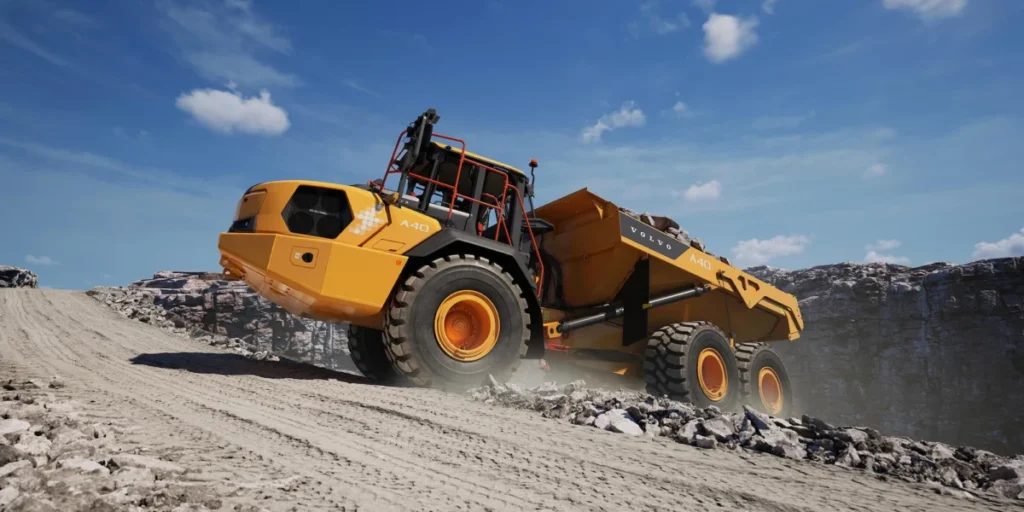
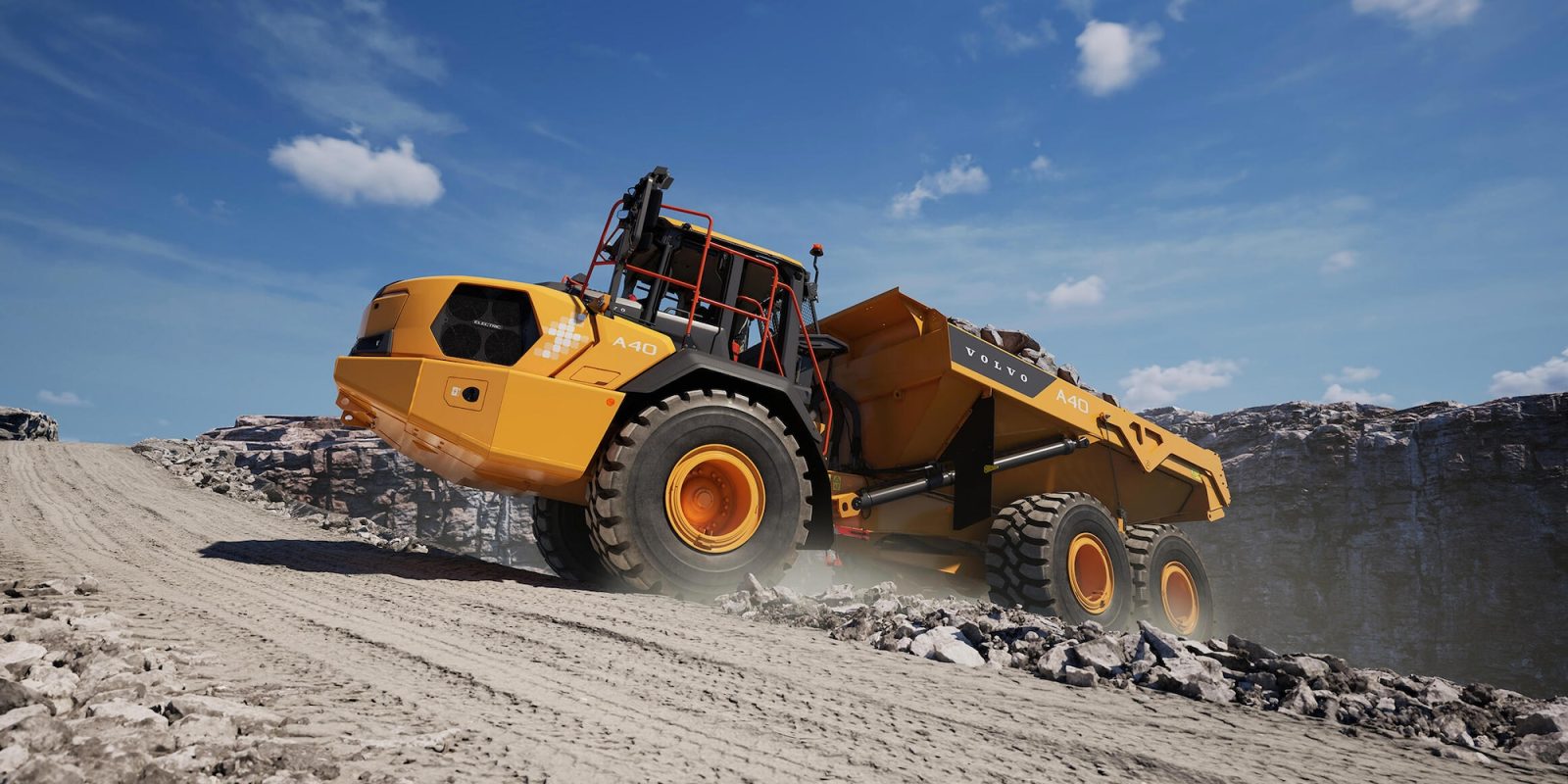
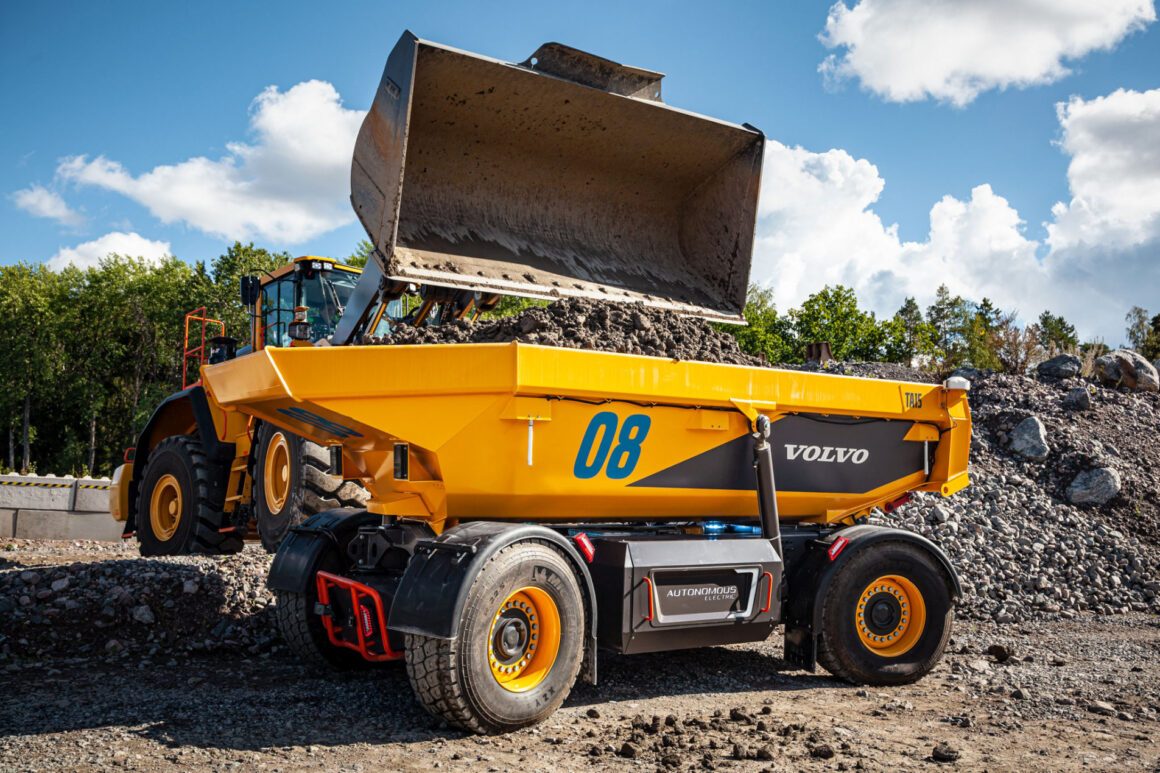
The groundbreaking progress was primarily realized at two key customer sites: Boliden Garpenberg in Sweden and Brønnøy Kalk in Norway. Volvo CE initially deployed its pilot autonomous hauling solutions with these partners in 2023, setting an ambitious target of moving one million tonnes of earth autonomously by 2025. As of earlier this summer, the VAS fleet not only met but significantly surpassed this initial goal, crossing the three-million-tonne threshold at Boliden’s Garpenberg mine. This achievement, formally announced last week, was accompanied by a release of new imagery showcasing the advanced machinery at work, and has generated considerable enthusiasm among Volvo executives regarding the trajectory of their autonomous technology.
Ingo Stürmer, Chief Technology Officer at VAS, articulated the significance of this accomplishment. "Reaching three million tonnes hauled autonomously is an important milestone that demonstrates the maturity of our autonomous transport solution and the value it delivers in customer operations," Stürmer stated. He further emphasized the collaborative nature of this success: "This achievement reflects years of close collaboration between the Volvo Autonomous Solutions team and our customers to develop, deploy, and scale autonomous hauling in real-world environments." This sentiment highlights a crucial aspect of autonomous technology adoption – the deep integration and partnership required with end-users to tailor and refine solutions for specific operational challenges.
A Phased Approach to Autonomous Mining
The journey to this impressive three-million-tonne figure began with carefully planned pilot programs. In 2023, Volvo Autonomous Solutions strategically partnered with Boliden Garpenberg and Brønnøy Kalk, two established players in the mining and quarrying sectors. The initial phase focused on validating the reliability, safety, and efficiency of their autonomous electric articulated haulers in the complex and often hazardous conditions inherent to mining operations.
The choice of these specific partners was strategic. Boliden Garpenberg, a long-standing mining operation, provided a robust environment for testing under diverse geological conditions and varying extraction needs. Similarly, Brønnøy Kalk, a significant limestone producer, offered a different set of operational parameters, allowing Volvo to gather data across a broader spectrum of mining applications.
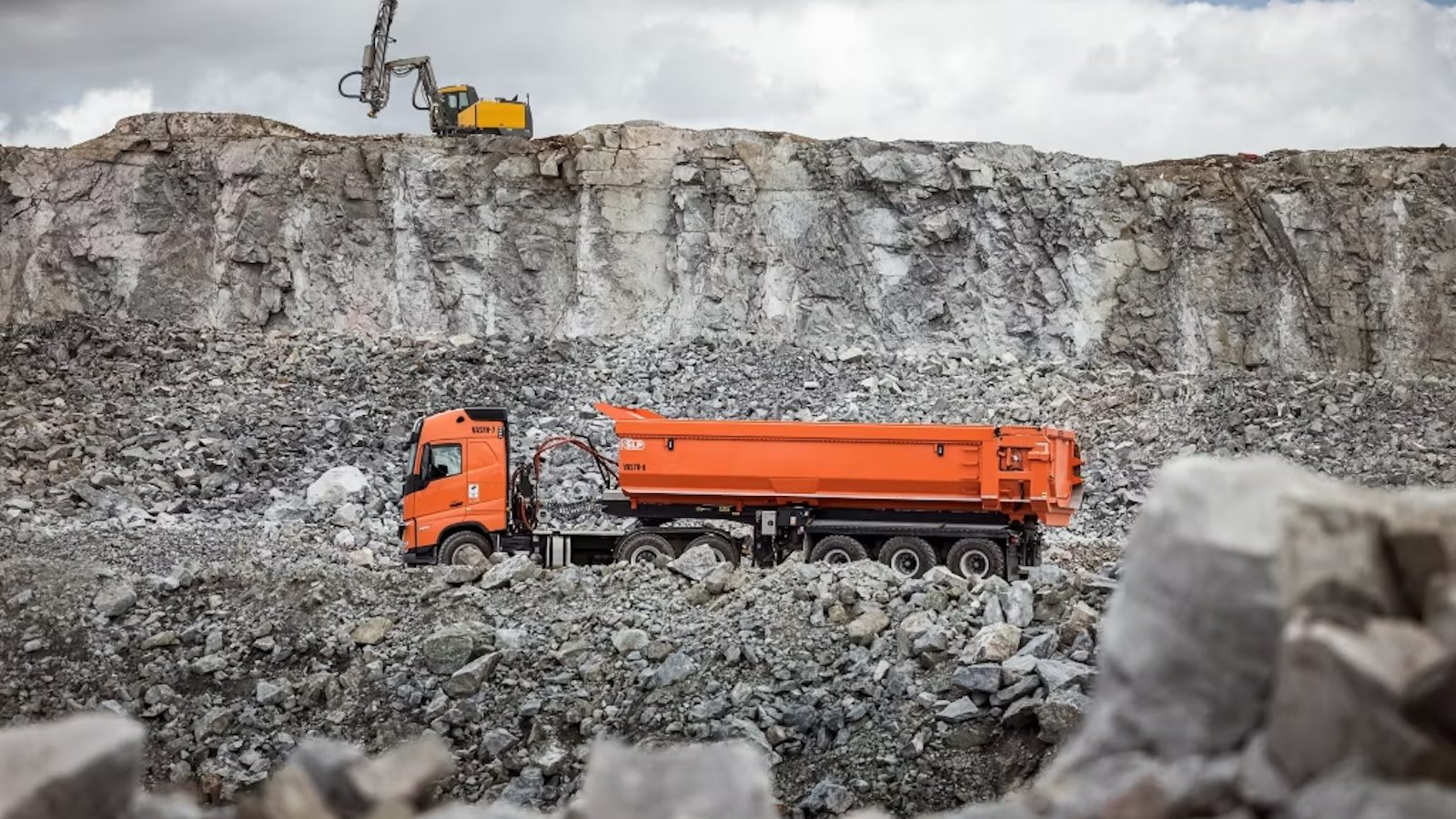
The initial target of one million tonnes by 2025 served as a crucial benchmark for progress. Meeting and exceeding this goal indicates a faster-than-anticipated ramp-up in operational efficiency and system reliability. The leap from one million to three million tonnes within a relatively short subsequent period suggests that the technology has moved beyond the initial proving stages and is now operating at a scale that delivers substantial material movement.
The "Autona / earth" Ecosystem
Volvo’s approach to autonomous hauling is not merely about individual vehicles; it encompasses a comprehensive ecosystem that the company brands as "Autona / earth." This integrated solution is designed to be a complete, factory-assembled offering for autonomous hauling, aiming to simplify the adoption process for mines and quarries. The "Autona / earth" package typically includes:
- Autonomous Electric Articulated Haulers: The core of the system, these are heavy-duty trucks specifically designed for mining environments, powered by electric drivetrains for reduced emissions and operating costs.
- Proprietary Software and AI: The intelligent systems that manage vehicle navigation, obstacle detection, fleet coordination, and operational optimization.
- On-Site Physical Infrastructure: This can include charging stations, communication networks, and potentially modifications to haul roads to support autonomous operations.
- Operational Support and Services: Volvo provides ongoing technical support, maintenance, and performance monitoring to ensure seamless operation.
This bundled approach is a key differentiator. It alleviates the burden on mining companies, many of which may not possess the in-house expertise required to develop, implement, and manage complex autonomous systems. By offering a complete, integrated solution, Volvo aims to accelerate the transition to autonomous hauling, allowing mining operations to focus on their core business while leveraging advanced technology for enhanced productivity and safety.
Broader Implications for the Mining Sector and Beyond
The success of Volvo’s autonomous electric haulers is emblematic of a broader transformation occurring across the global mining industry. While the adoption of electric vehicles (EVs) in the passenger car segment often captures public attention, the most compelling economic and operational arguments for electrification and automation are frequently found in industrial and logistical applications. These sectors, characterized by fixed routes, high energy consumption, and continuous operation, present an ideal proving ground for these technologies.
In mining, the displacement of diesel-powered heavy machinery with electric and autonomous alternatives yields significant benefits:
- Reduced Operating Costs: Electrification eliminates the fluctuating costs of diesel fuel and reduces maintenance needs associated with complex internal combustion engines. Autonomous operation can optimize fuel (or electricity) consumption and reduce wear and tear through smoother driving patterns.
- Environmental Impact Reduction: Electric haulers produce zero tailpipe emissions, significantly improving air quality within mines, which are often enclosed environments. This also contributes to a company’s overall sustainability goals and reduces its carbon footprint.
- Enhanced Safety: Autonomous systems can operate with a higher degree of precision and consistency than human drivers, especially in high-risk environments. They are programmed to adhere strictly to safety protocols, reducing the likelihood of accidents caused by human error, fatigue, or distraction. This is particularly critical in mines where operations are 24/7 and visibility can be compromised.
- Increased Productivity: Autonomous fleets can operate continuously without the need for driver breaks or shift changes, leading to higher utilization rates and increased material throughput. Optimized routing and coordinated movements further enhance efficiency.
The financial incentives for adopting these technologies are substantial. Electrified and autonomous mining operations can lead to millions of dollars in savings annually through reduced fuel consumption, lower maintenance expenditures, and improved operational efficiency. For large-scale mining companies, the return on investment in autonomous technology can be significant enough to justify the substantial upfront capital expenditure. As Electrek has previously noted, electric haul trucks could potentially save companies like Fortescue over $400 million per year in fuel alone, illustrating the profound economic advantages.

This trend is not unique to Volvo. Other companies and initiatives are also pushing the boundaries of automation in mining. For instance, a Huawei-automated coal mine in Mongolia, which Electrek covered in March, demonstrated the potential of integrating advanced digital technologies, including AI and autonomous systems, to create highly efficient and optimized mining operations. These parallel developments highlight a global industry-wide shift towards embracing cutting-edge technology to address operational challenges, improve sustainability, and drive economic growth.
The Future of Autonomous Hauling
The achievement of hauling three million tonnes autonomously is a clear indicator that autonomous technology in heavy industry is moving beyond pilot phases and into mainstream adoption. As the technology continues to mature, and as more mining companies recognize the economic and operational benefits, the deployment of autonomous fleets is expected to accelerate.
Challenges remain, of course. These include the initial capital investment, the need for robust digital infrastructure, cybersecurity concerns, and the societal implications of a shift towards automated labor. However, the demonstrated success of companies like Volvo Autonomous Solutions provides a compelling case for the future of mining, suggesting a trajectory towards safer, more efficient, and more sustainable operations powered by intelligent automation.

The ongoing collaboration between technology providers and mining operators will be crucial in navigating these challenges and unlocking the full potential of autonomous hauling. With each tonne hauled autonomously, Volvo and its partners are not just moving material; they are paving the way for a new era in resource extraction, one that is increasingly driven by innovation and technological advancement. The ability of these electric autonomous trucks to consistently perform in demanding environments signals a significant step forward, promising a future where mining operations are more productive, safer, and environmentally responsible.