The world of horology, much like time itself, is characterized by constant evolution and inevitable change. While the intricate mechanisms within a watch may strive for perpetual motion, the models themselves are subject to the ebb and flow of market trends, technological advancements, and strategic brand decisions. This cyclical nature often leads to the discontinuation of beloved timepieces, leaving a void in the hearts of enthusiasts and collectors. The painstaking process of watchmaking, involving extensive research and development, intricate tooling, precise machining, and rigorous training, underscores the significant investment brands make in each model. Consequently, the decision to retire a successful collection is rarely taken lightly; it is a carefully calculated move that impacts the brand’s bottom line. However, the watch industry also thrives on a pervasive element of exclusivity and scarcity. The knowledge that a coveted model will soon be unavailable often fuels a frenzy of demand, a phenomenon that brands are acutely aware of when contemplating the cessation of production. This article aims to articulate a compelling case, a collective wish, and a well-deserved acknowledgment of admiration for several discontinued watch models that deserve a resurgence in the modern horological landscape.
The A. Lange & Söhne Datograph: A Legacy of Chronographic Prowess
The introduction of the original A. Lange & Söhne Datograph in 1999 marked a watershed moment in the history of mechanical chronographs. Unlike many contemporary timepieces that relied on modified base movements, the Datograph was conceived and engineered entirely from the ground up, boasting a completely new chronograph caliber. This pioneering spirit continued for over a decade until 2012, when the market was graced with the Datograph Up/Down. This successor introduced notable enhancements, most significantly an increase in case diameter from the original 39mm to a more substantial 41mm. The movement also underwent an upgrade, extending the power reserve from 36 hours to a more practical 60 hours. A key visual differentiator was the incorporation of a power reserve indicator, prominently positioned at the 6 o’clock position, which lent the model its "Up/Down" designation.
While the technical advancements and the larger dimensions of the Datograph Up/Down are objectively sound, a compelling argument can be made for the enduring appeal of the original Datograph’s more accessible 39mm sizing. This smaller diameter offered a more versatile fit for a wider range of wrist sizes and a certain understated elegance that resonated with many enthusiasts. Furthermore, the debate surrounding the power reserve indicator, while fitting the sporty nature of a chronograph and aligning with Lange’s established design language seen in the Lange 1 collection, can also be viewed through the lens of dial aesthetics. The cleaner, more unadorned dial of the original Datograph possesses a timeless purity that many collectors still yearn for. The decision to discontinue the original Datograph in favor of the Up/Down, while commercially understandable due to the perceived market demand for larger watches and enhanced functionality, left a segment of the watch community longing for the more compact and perhaps more refined proportions of its predecessor. The potential for a reintroduction of the original Datograph, perhaps with subtle modernizations in materials or finishing, would undoubtedly be met with significant enthusiasm.
The Heuer Camaro: A Niche Classic with Enduring Charm
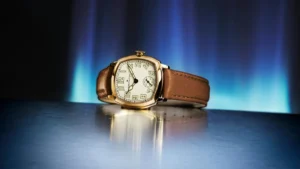
While some discontinued models boast widespread recognition, others, like the Heuer Camaro, occupy a more specialized niche. Produced for a relatively brief period between 1968 and 1972, the Camaro represents a unique chapter in Heuer’s storied history, a brand deeply intertwined with the world of motorsports and racing. Modern TAG Heuer continues to draw inspiration from this rich heritage, evident in iconic models such as the Carrera and Monaco. The Camaro, however, offered a distinct interpretation of the chronograph complication. It presented a more subtle and refined aesthetic compared to its sportier siblings. Its distinctive cushion-shaped case exuded a softer, more approachable charm, setting it apart from the overtly athletic designs often associated with racing chronographs.
The Camaro’s compact dimensions and classic proportions, coupled with its manually wound movement, contributed to its understated elegance. In the current TAG Heuer catalog, which has largely embraced larger and more contemporary designs, there exists a discernible gap for a timepiece that embodies the Camaro’s specific blend of historical motorsport lineage and sophisticated subtlety. A revival of the Camaro, perhaps as a limited edition or a regular production model that faithfully captures its original spirit, would cater to collectors who appreciate vintage aesthetics and a less ostentatious approach to the chronograph. The market for such a watch, while perhaps not as broad as for a mainstream sports model, is passionate and discerning, suggesting that a re-edition could prove highly successful. The strategic implication of reintroducing the Camaro lies in its ability to tap into a desire for historical authenticity and a departure from the prevailing design trends, potentially attracting a new generation of collectors to Heuer’s rich past.

The Nodus Trieste: A Modern Diver with Vintage Soul
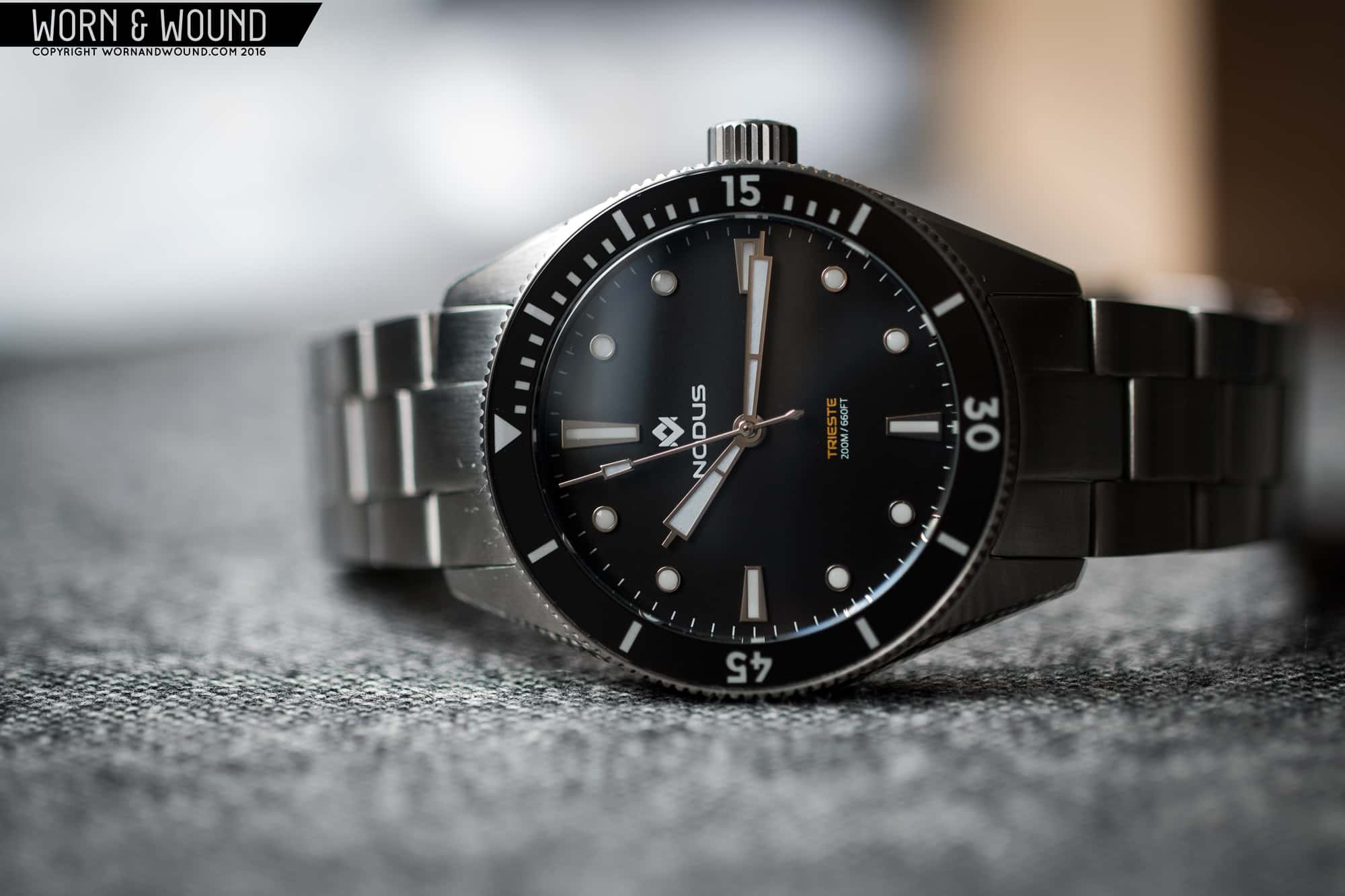
In the realm of contemporary independent watchmaking, the Nodus Trieste, first launched in 2017, stands out as a modern classic that merits a second chance. As Nodus’s inaugural model, the Trieste embodied a timeless dive watch aesthetic, drawing heavily from the design language of 1960s and 1970s skin divers. Its 41mm stainless steel case, while on the larger side for vintage-inspired pieces, provided a contemporary wearability. The black dial, adorned with luminous hour markers, and the matching unidirectional coin-edge bezel with luminescent numerals and markers, created a quintessential diver’s watch configuration. The "Trieste" name itself was emblazoned in a vibrant orange, adding a welcome pop of color that completed the classic palette.
Despite its initial success and inherent appeal, the Trieste had a relatively short production run, eventually being superseded by Nodus’s more established Sector collection, which includes models like the Sector II Dive GMT and Sector Deep. While these newer models represent an evolution in Nodus’s design language and an enhancement of their technical capabilities, the Trieste offered a unique value proposition. It provided an accessible entry point for individuals seeking a timeless vintage diver’s watch experience within a contemporary package. The discontinuation of the Trieste, while understandable as brands refine their offerings and establish distinct design identities, means that a segment of the market that appreciates its specific blend of vintage charm and modern robustness is left wanting. A potential reintroduction of the Trieste, perhaps with minor updates to the movement or material specifications while retaining its core aesthetic, could revitalize interest in this understated yet highly desirable dive watch. The implications of such a return extend beyond mere nostalgia; it would signify a brand’s responsiveness to collector sentiment and its willingness to revisit successful designs that have cultivated a loyal following.
The Oris Divers Sixty-Five 36mm: A Compact Icon’s Return
Oris has long been a respected name in the watchmaking industry, known for its commitment to producing high-quality, accessible timepieces with a strong emphasis on heritage and functionality. The Divers Sixty-Five collection, in particular, has garnered significant acclaim for its faithful homage to vintage dive watches. However, the specific 36mm variant of the Divers Sixty-Five, introduced around 2018, quietly exited the catalog, making way for the newer Divers Date models. This departure has left a notable void for enthusiasts who appreciated its compact and supremely wearable dimensions.

The 36mm Divers Sixty-Five offered a delightful sweet spot in terms of size, catering to those with smaller wrists or a preference for more retro-proportioned watches. Even the more recent "Cotton Candy" subset of the Divers Sixty-Five, which embraces a decidedly feminine aesthetic, is now offered in a minimum size of 38mm. This trend towards larger case sizes, while reflecting broader market preferences, overlooks the enduring appeal of smaller, more discreet timepieces. The reintroduction of the 36mm Divers Sixty-Five, whether in its original configurations or with updated materials and movements, would be a welcome development for a significant portion of the watch-buying public. It would not only re-establish a highly desirable size option within a popular collection but also demonstrate Oris’s attentiveness to the diverse preferences of its customer base. The broader impact of such a decision could be a renewed appreciation for smaller-sized dive watches, encouraging other brands to consider a wider range of case diameters in their future releases.
The Rolex Milgauss: Embracing Quirky Innovation
Choosing a single discontinued Rolex model to advocate for a comeback is a formidable task, given the brand’s consistent output and the enduring desirability of its core offerings. However, the Rolex Milgauss stands out as a compelling candidate for a return. While Rolex is celebrated for its steadfast commitment to classic design principles and its reluctance to chase fleeting trends, this very consistency can, at times, lead to designs that are perceived as overly conservative or even monotonous. The Milgauss, however, represented a delightful departure from this norm.
This model dared to be different, most notably through its distinctive lightning bolt seconds hand, a feature that immediately set it apart. What is particularly commendable is Rolex’s unwavering embrace of the Milgauss’s inherent quirkiness. Instead of attempting to subdue its unique character over time, Rolex amplified it. The introduction of the green-tinted sapphire crystal in the new millennium re-edition, a feature that became an iconic hallmark of the model, further solidified its unconventional identity. This edition, in particular, transcended its predecessor in terms of recognition and desirability, suggesting a clear appetite among certain Rolex aficionados for watches that allow for a more expressive and individualistic style. The fact that a brand as inherently conservative as Rolex could produce and celebrate such an unconventional timepiece speaks volumes about the potential market for adventurous designs. A resurgence of the Milgauss, perhaps with even bolder design choices or an expanded range of unique crystal colors and dial treatments, would undoubtedly be met with enthusiasm from those who appreciate Rolex’s ability to occasionally "let their freak flags fly." The implications of such a comeback would be the affirmation that even within a brand synonymous with tradition, there is space for bold innovation and a celebration of individuality.
The Seiko SKX Series: An Unbeatable Value Proposition Lost
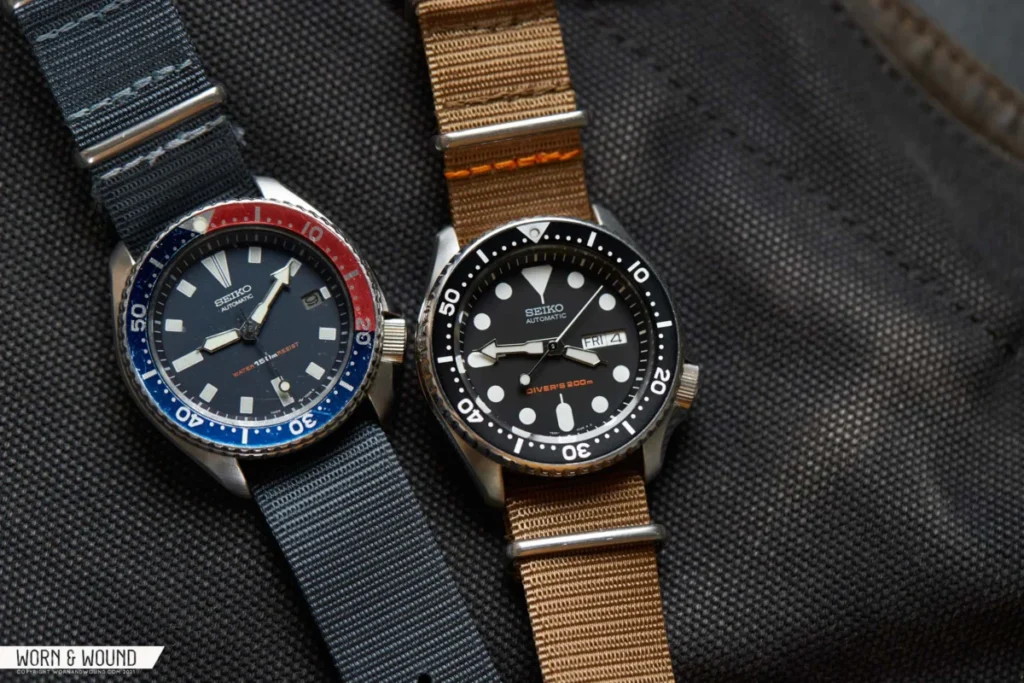
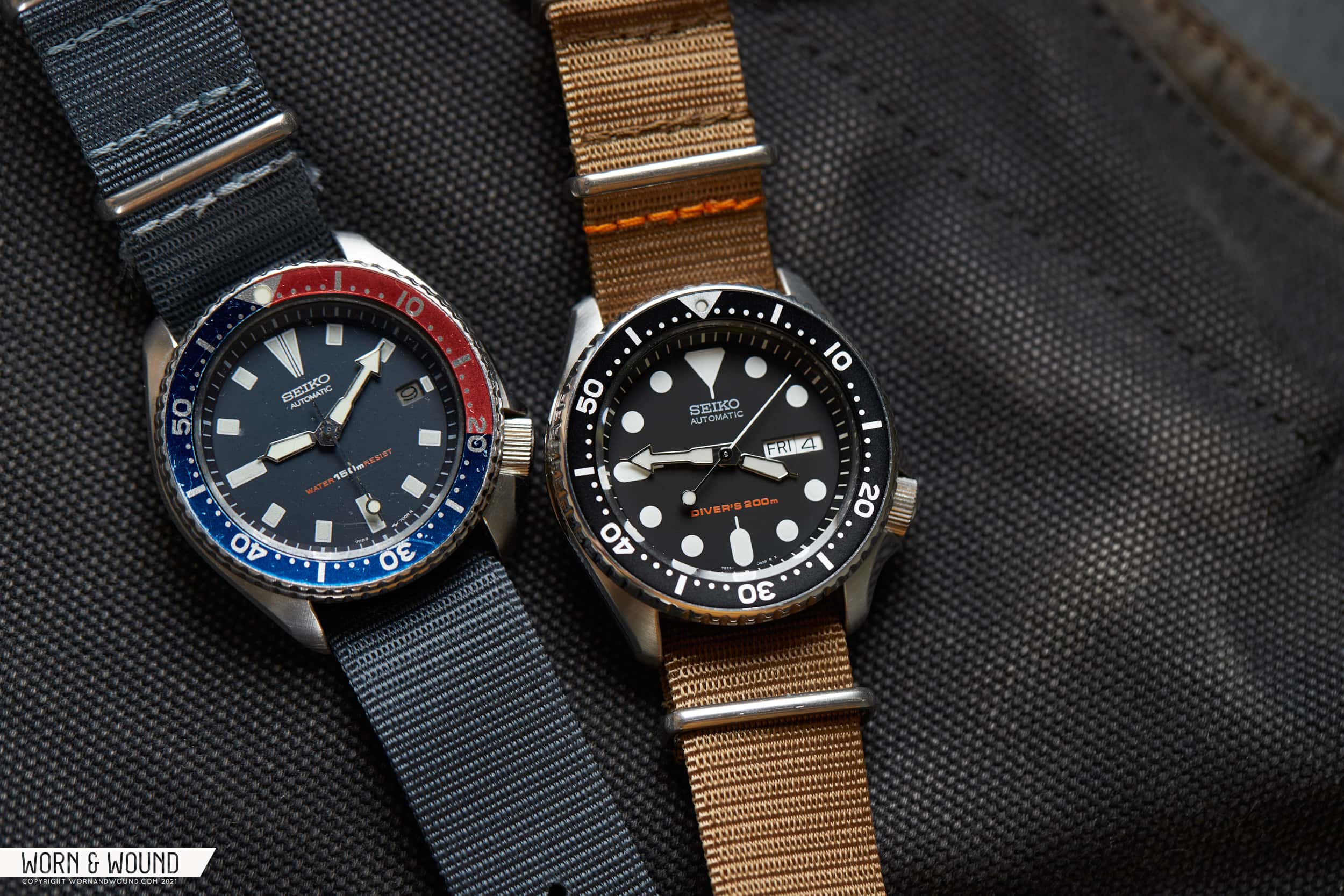
The discontinuation of Seiko’s iconic SKX series, specifically the SKX007 and SKX009 references, represents a loss that resonates deeply within the watch community. Seiko, much like Rolex, boasts a rich history of discontinued models that are mourned by collectors. However, the transition from the SKX to the Seiko 5 Sports series felt particularly jarring for many. While many discontinued models are phased out in favor of advancements in materials or technology, the shift from the SKX to the Seiko 5 Sports series appeared to represent a step sideways, or perhaps even a step back, in terms of core specifications and value proposition.
The SKX series was renowned for offering robust, ISO-certified professional dive watches with a substantial 200 meters of water resistance and a secure screw-down crown, all at an exceptionally competitive retail price point of under $350. These watches were the epitome of affordable, reliable tool watches, suitable for serious diving and everyday wear. In contrast, the current Seiko 5 Sports series, while retaining a visual resemblance, presents a significantly different set of specifications. It lacks ISO certification, offers only 100 meters of water resistance, and foregoes the screw-down crown, effectively positioning it as a "desk diver" rather than a professional instrument. To achieve comparable specifications to the discontinued SKX within Seiko’s current catalog now requires a significant price increase, often exceeding $500. The widespread sentiment is that the Seiko 5 Sports series, while perhaps appealing to a broader casual market, fails to adequately fill the void left by the SKX for those seeking genuine dive watch capabilities at an accessible price. The return of the SKX series, even with a minor price adjustment to reflect current manufacturing costs, would undoubtedly make a significant splash in the market, reaffirming Seiko’s commitment to offering exceptional value and robust tool watches. The broader implication of such a comeback would be a powerful statement about the enduring demand for functional, well-built, and affordable dive watches, potentially influencing future product development strategies across the industry.
The enduring appeal of these discontinued timepieces underscores a fundamental truth in the watch world: certain designs transcend fleeting trends and possess an intrinsic quality that commands lasting admiration. While the business of watchmaking necessitates adaptation and evolution, the deliberate discontinuation of iconic models often overlooks the deep emotional and aesthetic connection collectors forge with these objects. The collective desire for the return of the A. Lange & Söhne Datograph, Heuer Camaro, Nodus Trieste, Oris Divers Sixty-Five 36mm, Rolex Milgauss, and Seiko SKX series is not merely a nostalgic yearning; it is a testament to their inherent excellence, their historical significance, and their unique ability to capture the imagination. As the industry continues its relentless march forward, a thoughtful reconsideration of these cherished designs could not only satisfy a passionate collector base but also reaffirm the timeless principles of horological artistry and enduring value.