The persistent and alarming rise in vehicle thefts, a trend that has long cast a shadow over the automotive industry and insurance sector, has finally reversed. New figures released by the National Insurance Crime Bureau (NICB) reveal a substantial 21 percent decrease in vehicle thefts nationwide during the first half of 2026 when compared to the same period in 2025. This encouraging trend suggests a genuine shift rather than a temporary anomaly, offering a much-needed reprieve for consumers and law enforcement agencies alike.
A Comprehensive Decline Across All States
The latest data from the NICB indicates that a total of 268,415 vehicles were reported stolen to law enforcement agencies across the United States between January and June 2026. This translates to a theft rate of approximately 77.81 per 100,000 people, a notable improvement from previous years. What makes this decline particularly striking is its universality; every single one of the 50 states recorded a year-over-year decrease in vehicle thefts. Such a uniform reduction across all jurisdictions is a rare occurrence in crime statistics and underscores the effectiveness of recent prevention and enforcement efforts.
While the overall trend is positive, the degree of improvement varies significantly. The District of Columbia, despite experiencing the most dramatic percentage drop at 52 percent, still holds the unenviable position of having the highest theft rate per capita, with 181.94 thefts per 100,000 residents. This highlights that even with substantial progress, some areas continue to face a disproportionately high risk of vehicle theft, emphasizing the need for continued vigilance and targeted interventions.

California, a state that has historically grappled with high vehicle theft numbers, remains the volume leader, with 57,821 vehicles reported stolen during the first six months of 2026. The concentration of thefts in densely populated metropolitan areas persists, with the Los Angeles-Long Beach-Anaheim metroplex alone accounting for a significant portion of the state’s stolen vehicles, reporting 21,540 thefts in the same period. This pattern reinforces the understanding that urban environments often present greater opportunities for vehicle theft due to factors such as higher population density, increased traffic, and potentially more vulnerable parking situations.
Industry Efforts Bearing Fruit
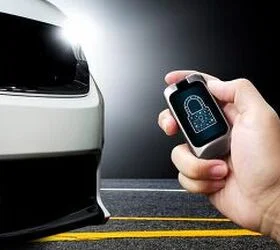
The decline in vehicle thefts is being attributed, in part, to the concerted efforts made by automakers and the insurance industry over the past several years to enhance vehicle security. The NICB’s findings suggest that these investments in anti-theft technology and design are finally yielding tangible results. While specific models like the Ford F-150 continue to be attractive targets for thieves, the overall effectiveness of modern security systems is becoming increasingly evident.
The implementation of advanced immobilizers, alarm systems, and even GPS tracking technologies has made it more difficult for opportunistic thieves to steal vehicles. Furthermore, law enforcement agencies have been deploying more sophisticated methods for identifying and recovering stolen vehicles, often leveraging data analytics and inter-agency cooperation.
A Collaborative Approach to Crime Prevention
Tim Slater, Chief Operating Officer of the NICB, emphasized the crucial role of sustained collaboration in achieving this positive outcome. He credited the nationwide decline to "sustained collaboration among law enforcement, insurers, auto theft prevention authorities and other partners." This multi-faceted approach, involving a coordinated effort between various stakeholders, has been instrumental in dismantling theft rings, intercepting stolen vehicles, and educating the public about prevention measures.

Slater also provided a crucial dose of realism, cautioning against premature celebration. He stated, "With more than a quarter-million vehicles stolen in just six months, continued investment in these partnerships, as well as prevention and public awareness, is paramount to sustaining positive progress." This sentiment underscores that while the current trend is encouraging, the fight against vehicle theft is an ongoing battle that requires continuous effort and adaptation. The sheer number of vehicles still being stolen – 268,415 in six months – indicates that significant challenges remain.
Understanding the Broader Context and Implications
The history of vehicle theft in the United States has been a complex and often troubling one. Following a period of relative stability, vehicle thefts began a significant upward trajectory in the late 2010s and early 2020s. Several factors contributed to this surge, including the widespread availability of easily bypassed vehicle security systems, particularly in older models, and the rise of organized crime syndicates involved in the theft and resale of vehicles and their parts. The COVID-19 pandemic also played a role, with disruptions to supply chains and changes in commuting patterns potentially influencing theft rates.
The NICB’s data provides a crucial benchmark for understanding the current landscape of auto theft. The 21 percent reduction represents a significant step in the right direction, but it is essential to examine the underlying causes of the earlier increases to ensure that future prevention strategies are robust and effective.
Key Contributing Factors to the Decline:
- Technological Advancements in Vehicle Security: Modern vehicles are increasingly equipped with sophisticated anti-theft systems that are harder for thieves to circumvent. This includes advanced immobilizers, sophisticated alarm systems, and keyless entry systems with enhanced security protocols.
- Enhanced Law Enforcement Efforts: Coordinated efforts between local, state, and federal law enforcement agencies have led to the dismantling of numerous auto theft rings and the recovery of stolen vehicles. The use of data analytics and intelligence sharing has become more prevalent.
- Industry Collaboration and Information Sharing: The NICB, as an organization, plays a vital role in facilitating information sharing between insurance companies, law enforcement, and the automotive industry. This collaboration allows for quicker identification of theft trends and the development of targeted countermeasures.
- Public Awareness Campaigns: Increased public awareness regarding vehicle security best practices, such as not leaving vehicles unlocked or keys inside, and the importance of reporting suspicious activity, can also contribute to reducing theft opportunities.
- Legislative and Policy Changes: In some jurisdictions, stricter penalties for auto theft and related offenses may have acted as a deterrent.
Analysis of the Current Data:
The fact that every state saw a reduction in vehicle thefts is a powerful indicator that the strategies being employed are broadly effective. However, the persistent high theft rate in the District of Columbia, despite a significant percentage decrease, points to systemic issues that require ongoing attention. The concentration of thefts in major metropolitan areas like Los Angeles underscores the urban challenge and the need for tailored solutions in these environments.
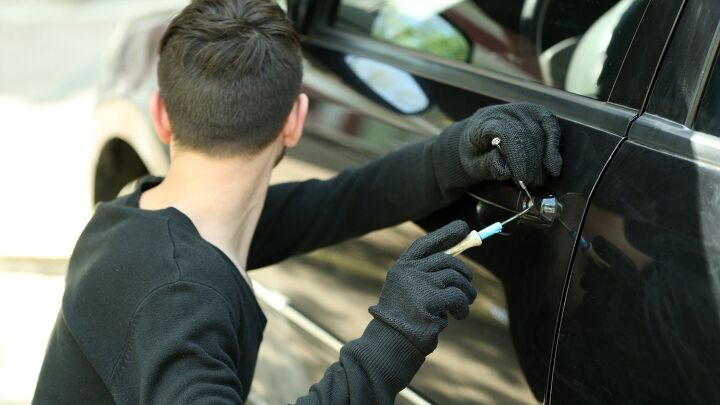
The continued prominence of certain models, such as the Ford F-150, as targets for thieves, suggests that while overall security has improved, specific vulnerabilities or high demand for certain parts may still exist. This highlights the importance of ongoing research and development by automakers to address any lingering weaknesses in their popular models.
Future Implications and Recommendations:
The positive trend in vehicle theft reduction offers a glimmer of hope, but sustained effort is critical. The NICB’s call for continued investment in partnerships, prevention, and public awareness is a salient reminder that this is not a problem that can be solved with a single initiative.
- Continued Investment in Technology: Automakers must continue to innovate and integrate the latest anti-theft technologies into all vehicle models, not just premium ones.
- Data-Driven Enforcement: Law enforcement agencies should continue to leverage data analytics to identify hotspots, understand emerging theft methods, and deploy resources effectively.
- Inter-Agency Cooperation: Strengthening collaboration between different law enforcement agencies, including those focused on organized crime, is crucial for dismantling sophisticated theft operations.
- Targeted Public Education: Campaigns should be tailored to address specific vulnerabilities and risks in different communities, focusing on practical advice for vehicle owners.
- Legislative Support: Policymakers should consider measures that enhance penalties for repeat offenders and provide resources for auto theft prevention programs.
In conclusion, the significant decrease in vehicle thefts reported by the NICB for the first half of 2026 is a welcome development. It reflects the positive impact of collaborative efforts and technological advancements. However, the ongoing challenge of over a quarter-million stolen vehicles in six months necessitates a continued commitment to robust prevention strategies, innovative technology, and strong partnerships between all stakeholders. The journey towards a safer automotive landscape is far from over, but this recent data offers a promising indication that the tide may finally be turning.