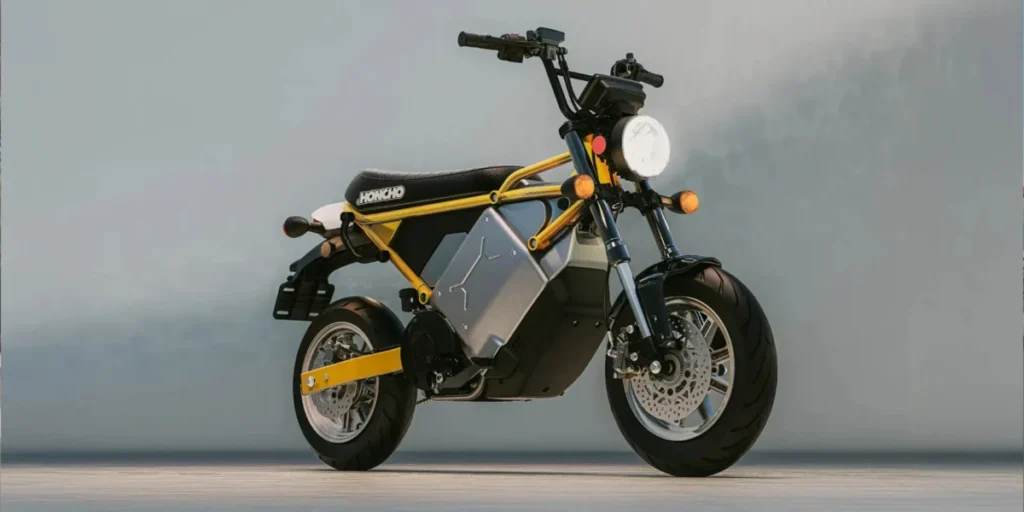
The landscape of motorcycle rider education is poised for a significant transformation with the LiveWire S4 Honcho Street’s recent achievement of Motorcycle Safety Foundation (MSF) criteria for use in training programs. This pivotal development opens a more accessible and less intimidating pathway for aspiring riders to enter the world of motorcycling, potentially earning their endorsements without the immediate hurdle of mastering a clutch and gearbox on traditional gasoline-powered motorcycles. This evolution is particularly timely, coinciding with a noticeable influx of new riders drawn to motorcycling through the growing popularity of electric bikes and other electric two-wheelers.
LiveWire, a name synonymous with electric performance motorcycles, strategically designed the S4 Honcho to be its most compact and approachable model to date. These very attributes, designed to broaden the appeal of electric motorcycling, coincidentally align perfectly with the requirements of foundational rider training. Functioning as a 125cc equivalent in the conventional motorcycling spectrum, the S4 Honcho occupies the entry-level segment, making it an ideal platform for introducing new riders to the fundamentals of two-wheeled mobility.
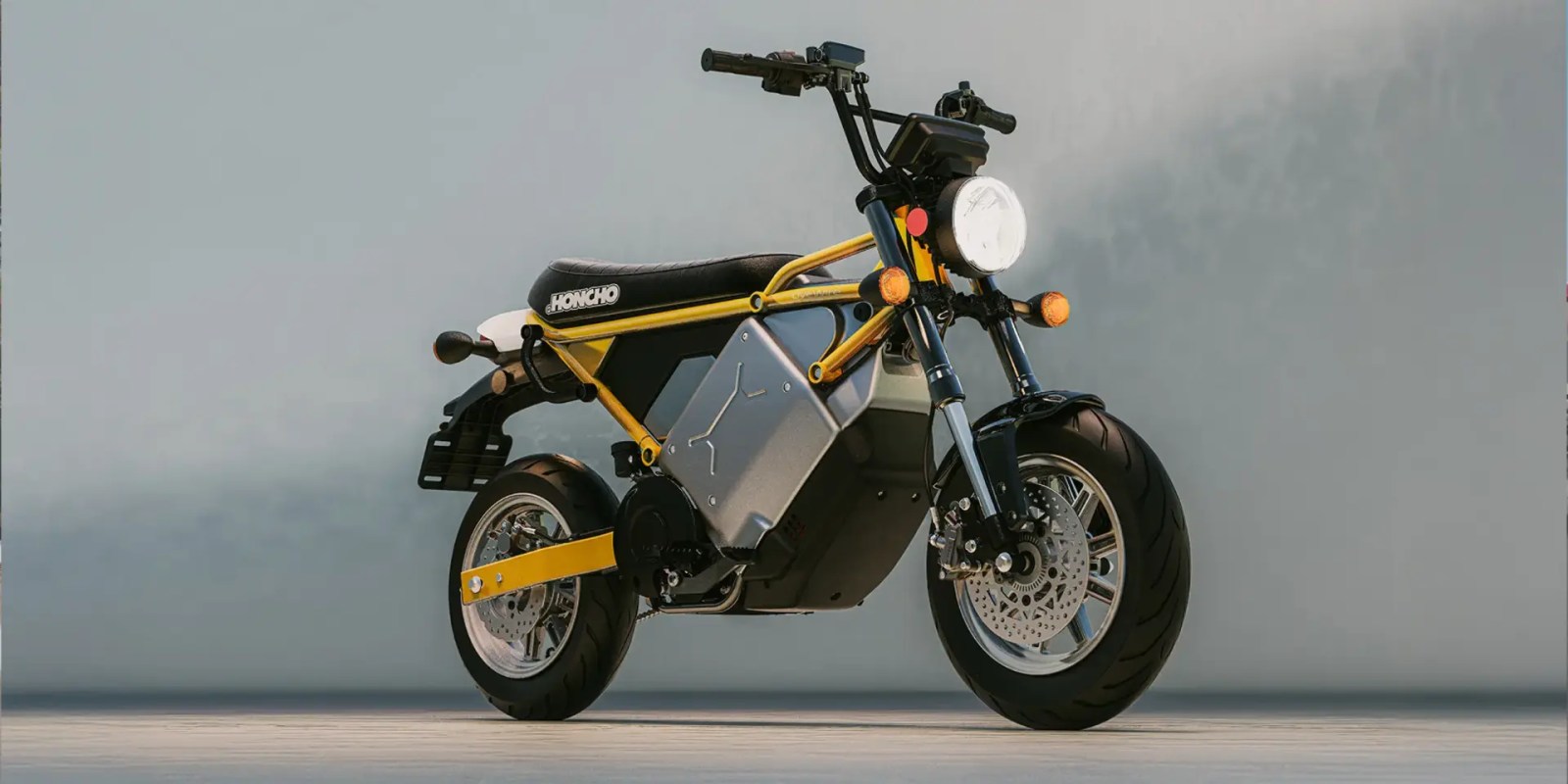
Key Features Facilitating Rider Training
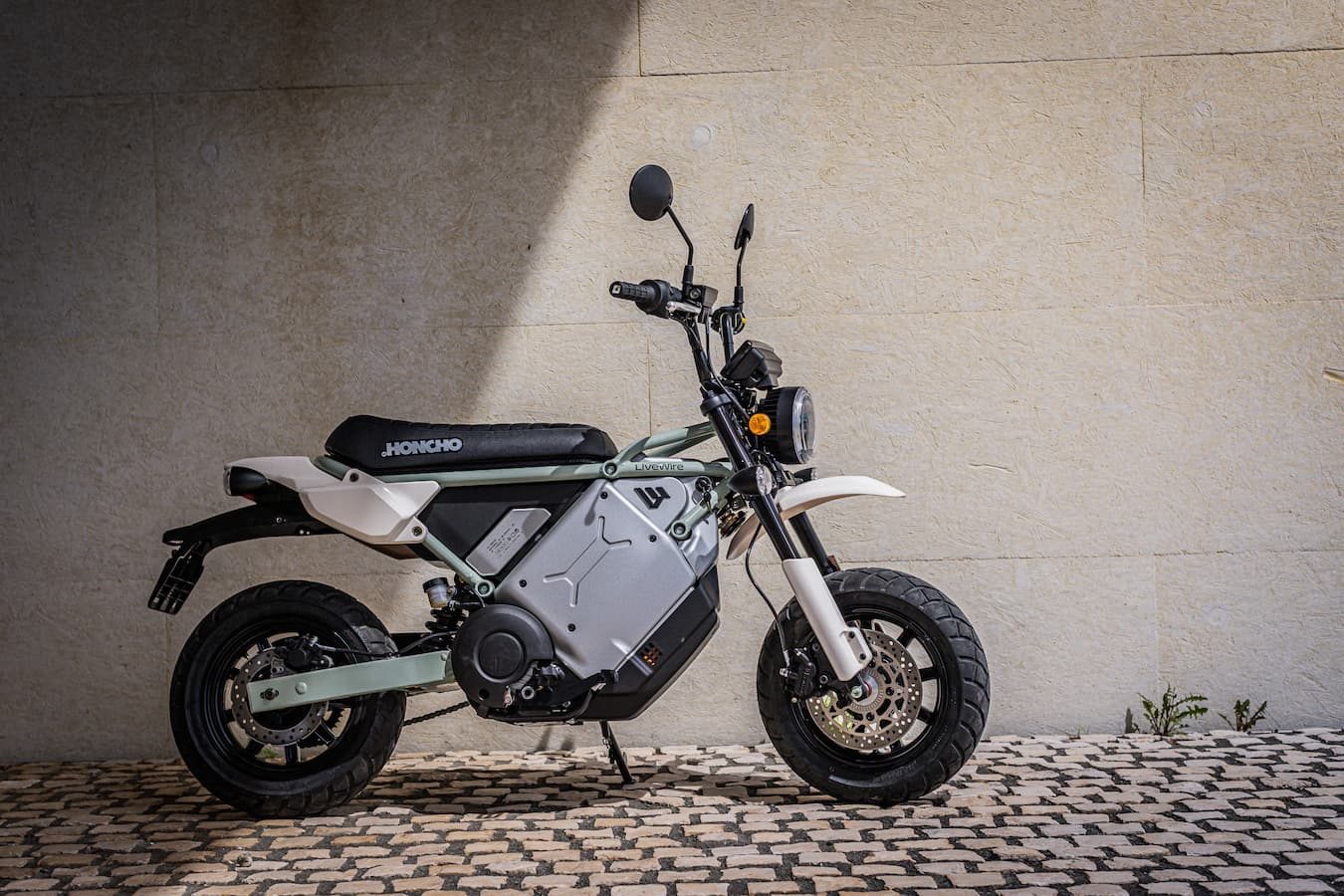
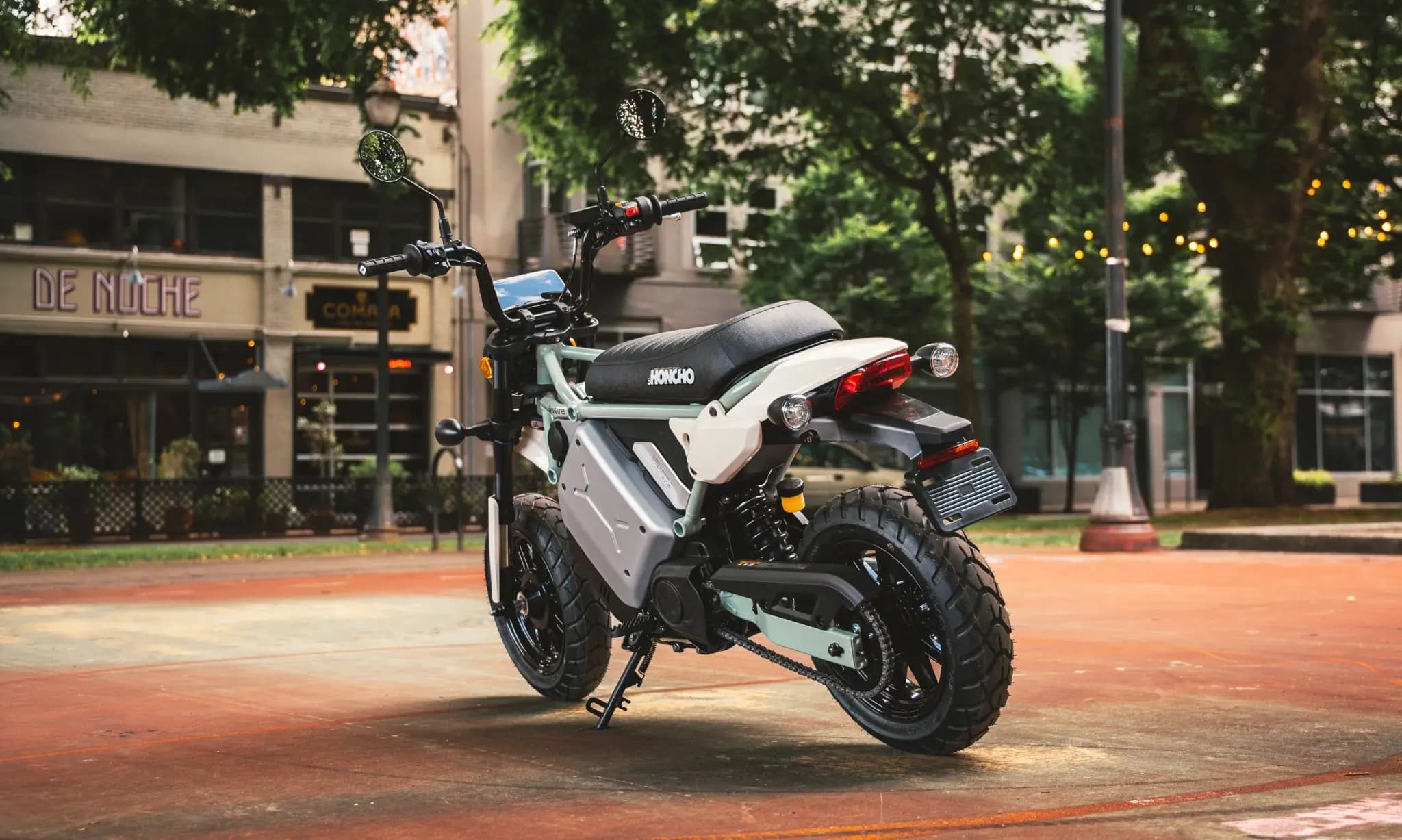
The S4 Honcho distinguishes itself through a combination of user-friendly features that significantly lower the barriers to entry for novice riders. Weighing a mere 266 pounds (121 kg) and featuring a seat height under 30 inches, the motorcycle presents a far less daunting prospect than many full-sized gasoline-powered machines. Crucially, its electric drivetrain eliminates the need to coordinate clutch engagement and gear changes. The operation is as simple as twisting the throttle, a design choice that mirrors the intuitive functionality of scooters and Class 2 electric bicycles, while still maintaining the aesthetic and riding posture of a traditional motorcycle.
Performance and Training Capabilities
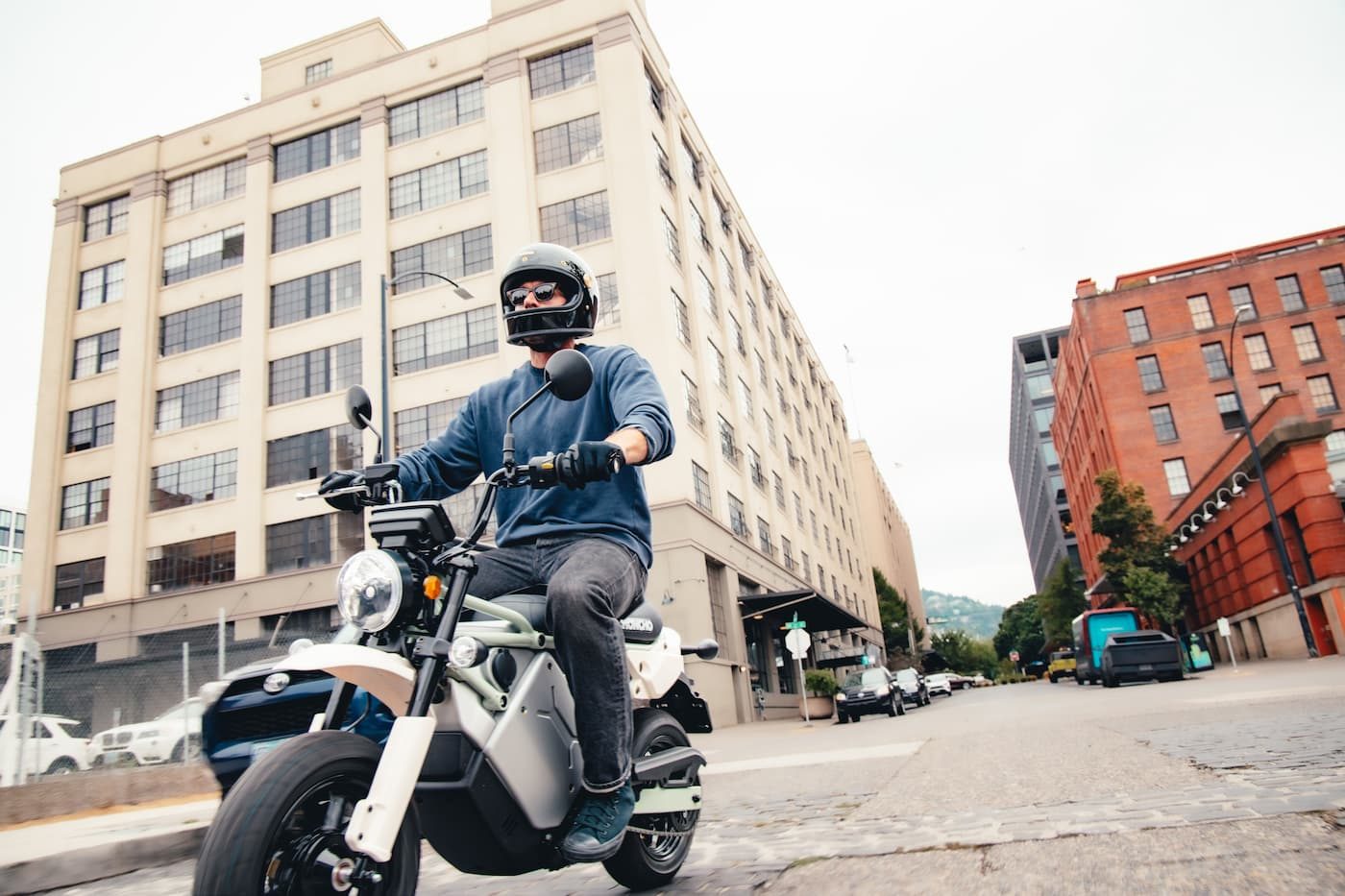
The urban-focused S4 Honcho boasts a top-rated speed of 59 mph (95 km/h). More importantly for training purposes, it incorporates distinct reduced-speed riding profiles. LiveWire has engineered these profiles to simulate the experience of first and second gears, limiting the motorcycle’s speed to either 18 mph (29 km/h) or 28 mph (45 km/h). These controlled speed settings are exceptionally well-suited for the controlled environment of parking-lot-style training sessions, which are a cornerstone of MSF courses designed to equip new riders with essential operating skills in a safe setting.
Range and Battery Management for Training Facilities
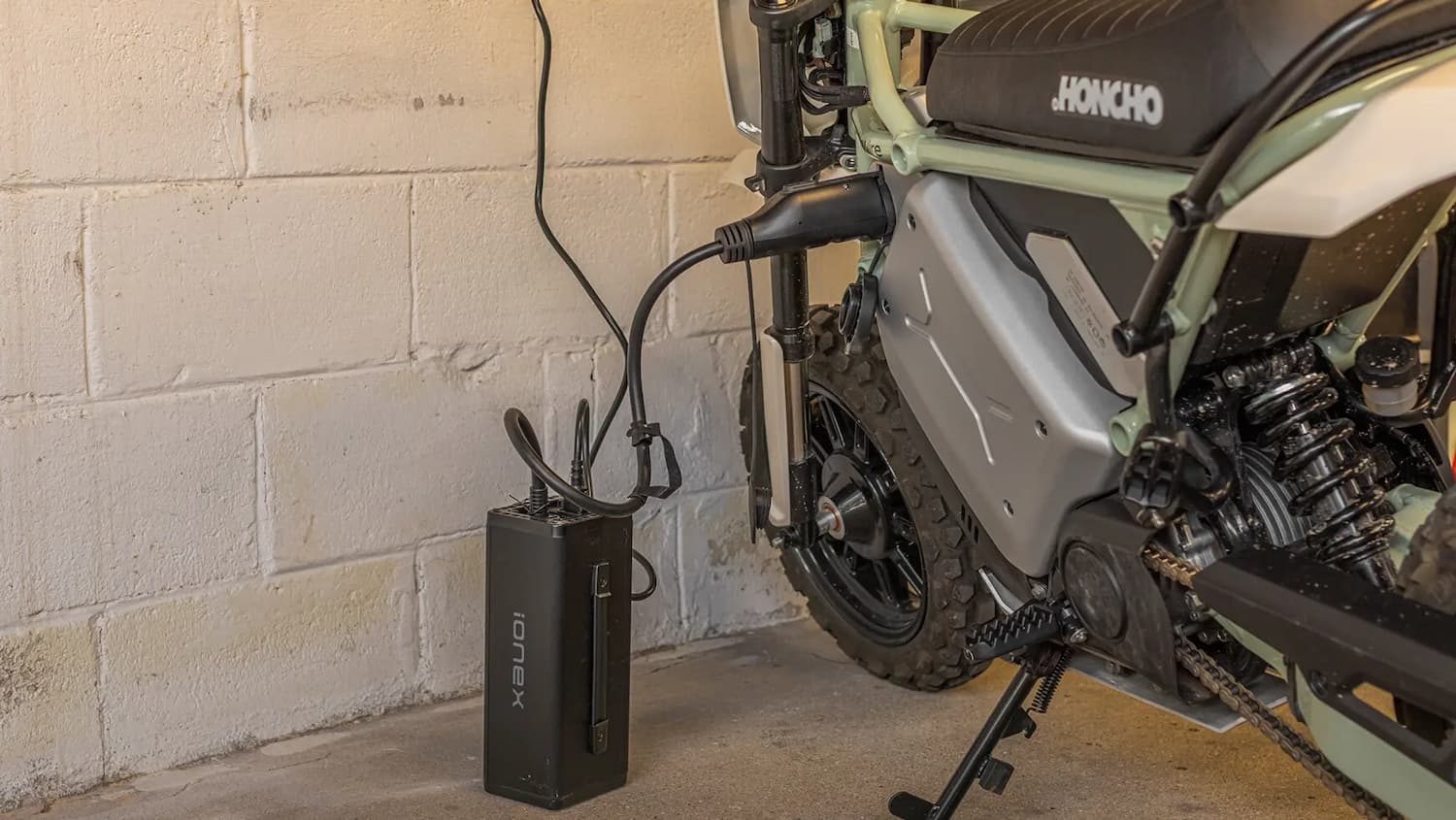
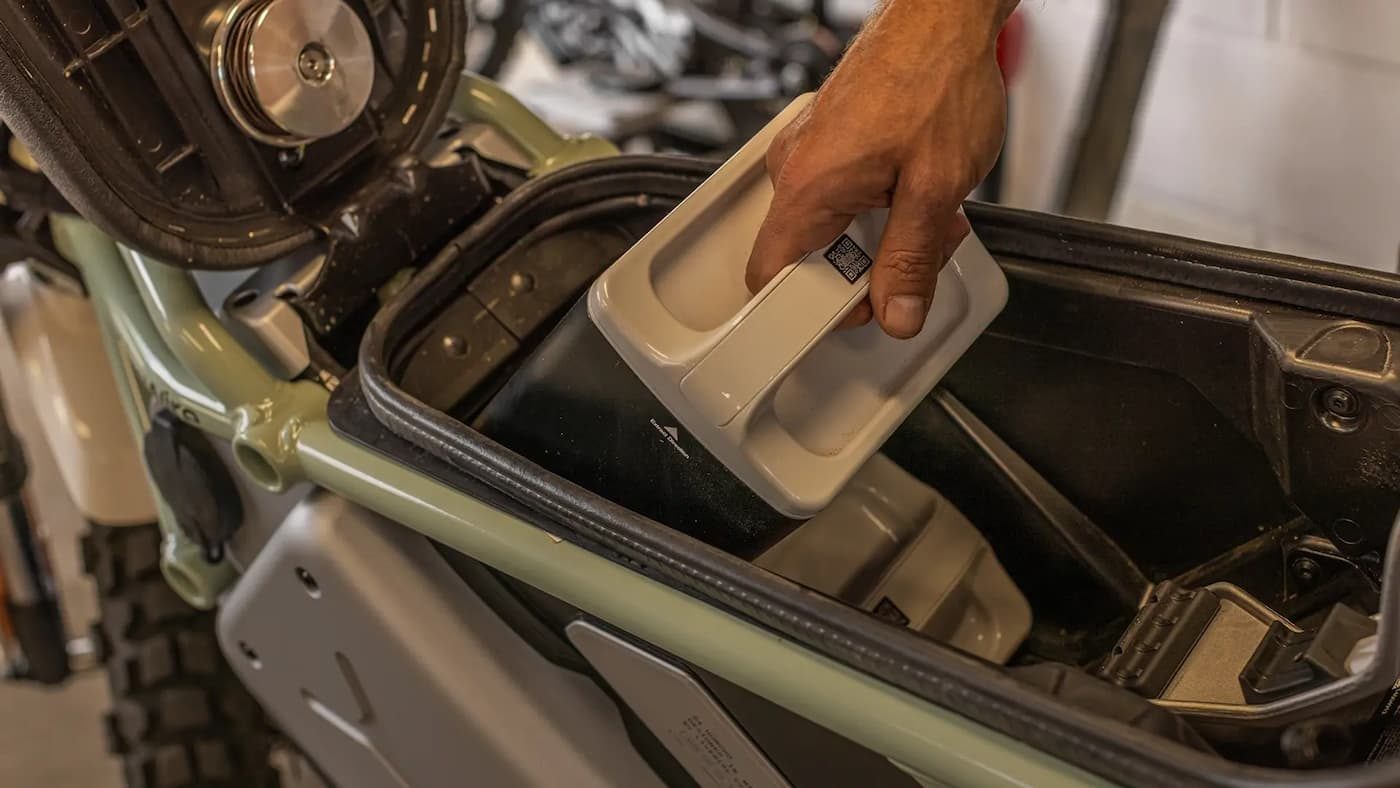
For rider training programs, the S4 Honcho’s range is more than adequate. It is rated at 53 miles (85 km) under the WMTC standard, extending to an impressive 73 miles (117 km) when ridden at a consistent 20 mph (32 km/h). This capacity is sufficient to cover an entire day of training activities without requiring frequent recharges. Furthermore, the inclusion of a swappable battery system is a significant advantage for training schools. This feature allows for continuous operation of the motorcycles, minimizing downtime and eliminating the need for extended charging periods between sessions, thereby optimizing the efficiency of training operations.
Bridging the Gap for the Next Generation of Riders
Jon Bekefy, LiveWire’s Head of Commercial, articulated the strategic importance of this development. "The next generation of riders is coming up on e-bikes and electric vehicles, so their expectations for mobility are changing," Bekefy stated. "For many, an electric motorcycle is a more natural first step into motorcycling. The S4 Honcho removes traditional barriers to entry and paired with MSF’s world-class training programs, Honcho gives new riders a more approachable way to learn safely and build confidence. That matters for LiveWire, and it matters for the future of motorcycling."
The Motorcycle Safety Foundation also recognizes the profound potential of this initiative. Corey Eastman, the MSF’s Director of Rider Education Expansion, confirmed that the S4 Honcho will be integrated into the training demonstration fleet for the MSF RiderCoach Tour. This will provide experienced instructors with hands-on experience using the electric motorcycle in various MSF exercises, enabling them to evaluate its suitability for their respective training programs. While specific MSF programs and geographic locations that will adopt the Honcho have not yet been finalized, further details are anticipated as the rollout progresses throughout the year. The integration of the S4 Honcho into these programs offers LiveWire a strategic avenue to introduce a new demographic of riders to electric motorcycles early in their motorcycling journey.
Electrek’s Perspective: A Strategic Move for Accessibility and Growth
From an industry analysis standpoint, this integration represents a significant leap forward. The earlier adoption of the LiveWire S2 platform for rider training in the previous year already signaled a positive trend. However, the introduction of the smaller and more manageable S4 Honcho further democratizes the learning process, making it less intimidating and more accessible to a broader audience. With a starting price of $4,999 (or $5,499 for the street version), the S4 Honcho is not only an effective training tool but also an affordable option for new riders who may wish to continue their motorcycling journey on the same electric platform after obtaining their licenses.
The assertion that small, lightweight, and approachable electric motorcycles are poised to play a crucial role in transitioning individuals from automobiles to two-wheeled transportation is well-founded. The need for a 500-pound motorcycle with 100 horsepower is a niche requirement, far removed from the daily realities of most commuters. For the prevalent single-occupant car trips, a compact and affordable electric motorcycle offers a compelling alternative or a valuable addition to a household’s transportation options.
Recalling personal experiences, obtaining a US motorcycle license often involved learning on heavy, gasoline-powered machines, a stark contrast to the electric bikes that many riders, including myself, predominantly use. The availability of an electric option during rider training at the time would have been a highly desirable alternative. The S4 Honcho, with its comfortable, unintimidating, cost-effective operation, and capability on urban and suburban roads, represents a pragmatic transportation solution for a vast segment of the population.
Addressing the "Chicken-and-Egg" Dilemma of Licensing
A persistent challenge for prospective electric motorcycle riders has been the licensing process itself. Many individuals who have transitioned from e-bikes to electric motorcycles are comfortable on two wheels and seek the performance capabilities of a motorcycle without any inclination towards gasoline-powered machinery. The requirement to learn clutch control and shifting on a gasoline bike, for someone who has no intention of ever riding such a vehicle, presents a logical disconnect.
While clutch control is an undeniably important skill for operating manual transmission motorcycles, its relevance for a rider solely intending to operate electric motorcycles is debatable. It’s akin to requiring someone to learn how to hand-crank a vintage automobile before being permitted to drive a modern electric vehicle. The core skills necessary for safe motorcycling—braking, cornering, low-speed maneuvering, situational awareness, effective cornering techniques, emergency evasive actions, and the critical ability to be seen by other road users—are universal and transferable. Many of these skills are also highly beneficial for electric bicycle riders, underscoring the cross-applicability of MSF training.
The strategic decision to integrate the S4 Honcho into MSF training programs extends beyond simply augmenting the available fleet. It directly addresses the onboarding barrier for a significant demographic. The widespread adoption of e-bikes has introduced millions to electric two-wheelers, including individuals who might not have previously identified as "motorcycle people." As these riders seek greater speed, range, and capability, small electric motorcycles like the S4 Honcho represent the natural progression.
By allowing riders to complete their training and testing on the same type of clutch-free electric motorcycle they intend to purchase, the pathway to motorcycling becomes substantially more streamlined and appealing. This initiative holds the potential to not only benefit LiveWire by expanding its market reach but, more importantly, to welcome a new cohort of riders into the motorcycling community—riders who might have been deterred by the traditional requirement of mastering a gasoline-powered motorcycle’s clutch. This strategic move is poised to redefine accessibility in motorcycling, fostering growth and diversification within the industry.