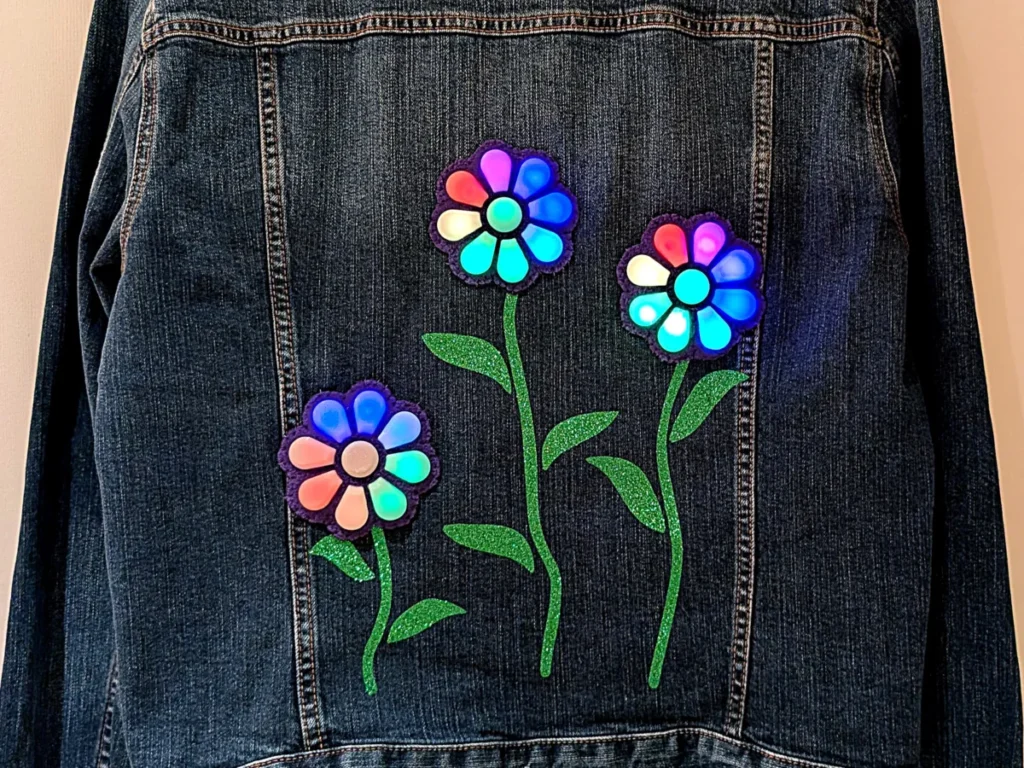
The intersection of additive manufacturing and traditional textile work has reached a new milestone with the release of the BedazzLED Jean Jacket project, a sophisticated fusion of 3D printing, soft circuitry, and sustainable fashion. Originally featured in Make: Magazine Volume 97, this project, developed by maker and educator Debra Ansell, demonstrates how hobbyist-level technology can be leveraged to create high-fashion wearable art that is both durable and interactive. By utilizing translucent PETG filaments, addressable LED "pebble" lights, and open-source WLED software, the project provides a blueprint for the future of personalized, tech-enhanced apparel.
The Convergence of Maker Culture and Wearable Technology
The BedazzLED project emerges at a time when the global smart fabrics market is experiencing significant growth. According to industry analysts, the wearable technology sector is projected to reach a valuation of over $150 billion by 2028, with a increasing focus on "e-textiles" that move beyond simple fitness trackers into the realm of aesthetic expression. While industrial-scale wearable tech often relies on proprietary components and complex manufacturing, the BedazzLED Jean Jacket utilizes accessible tools such as 3D printers and microcontrollers, empowering individuals to act as both designers and engineers.
Debra Ansell, the project’s creator, has long advocated for the integration of LEDs into everyday objects to enhance their visual appeal and functional versatility. Her "Light Wash Denim" collection, which has been exhibited at various maker events, serves as the primary inspiration for this latest iteration. The project emphasizes the democratization of fashion technology, moving it away from the runway and into the home workshop.
Technical Chronology: From Concept to Construction
The development of a BedazzLED jacket follows a rigorous technical workflow that spans several disciplines, including material science, mechanical assembly, and electrical engineering.
Material Selection and Sustainable Sourcing
The process begins with the selection of a denim jacket, where the project encourages the use of the resale market. Denim’s inherent durability makes it an ideal candidate for upcycling, a practice that addresses the fashion industry’s significant environmental footprint. By repurposing a thrifted jacket, makers can reduce waste while providing a sturdy canvas for the 3D-printed components.
Innovative 3D Printing on Fabric
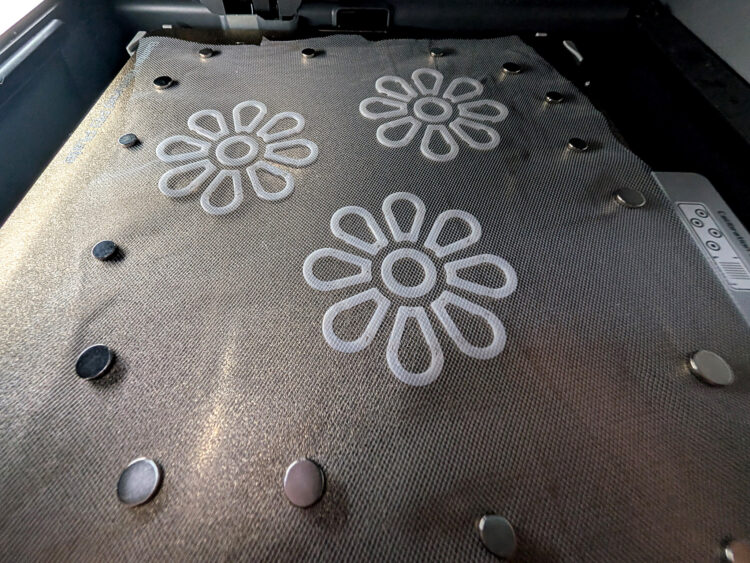
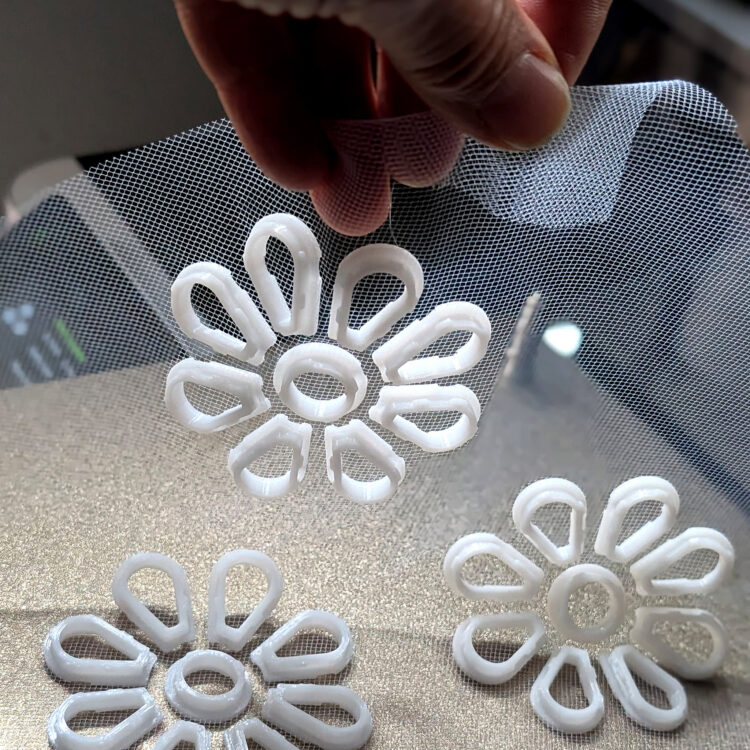
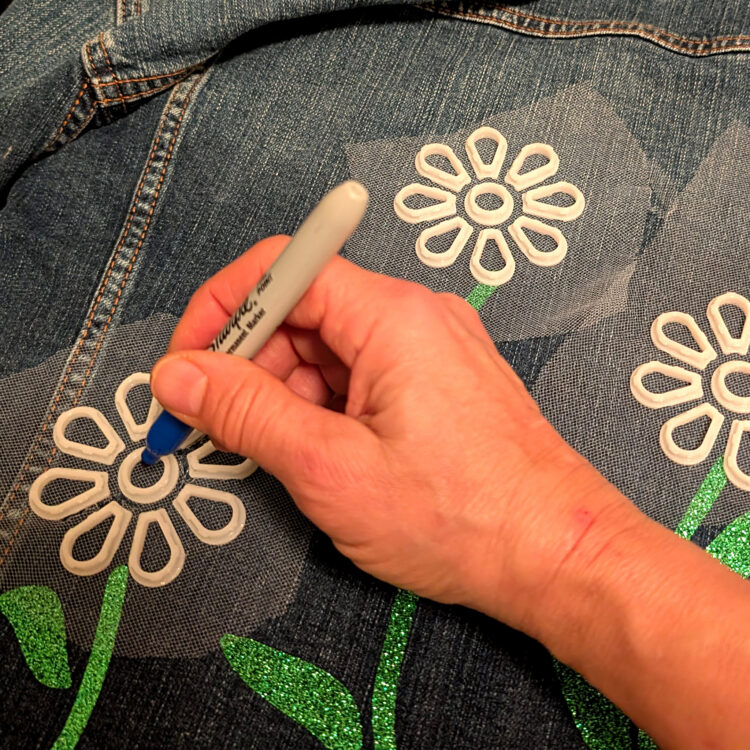
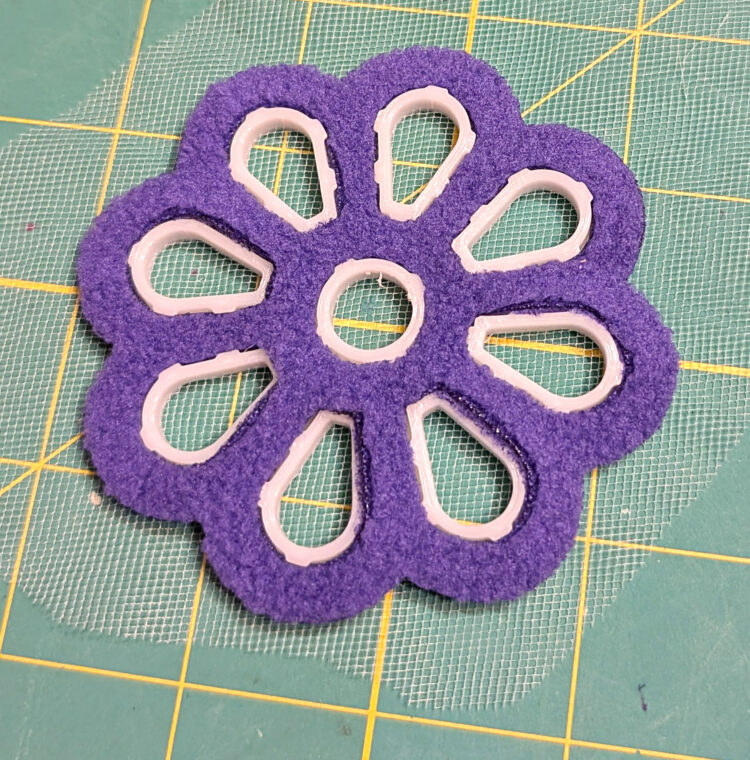
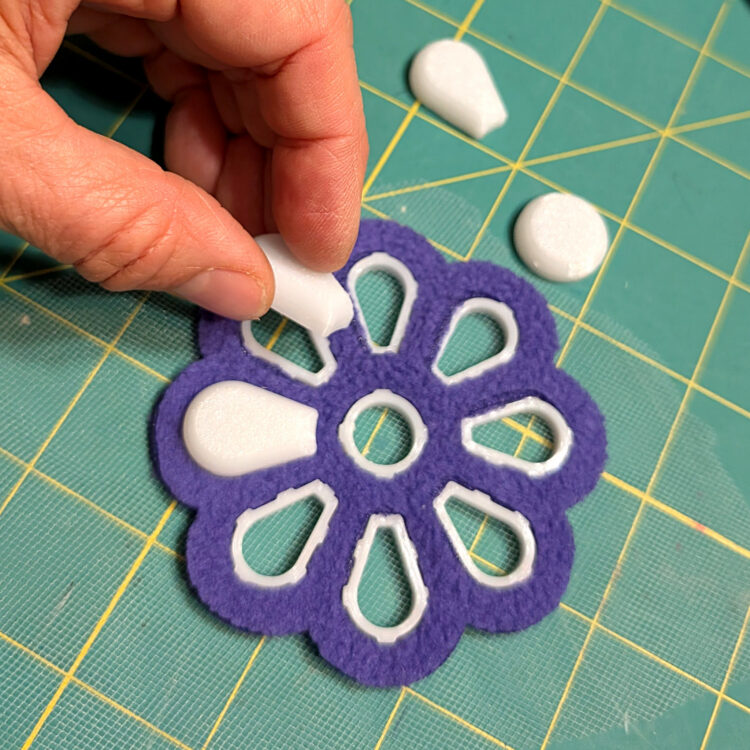
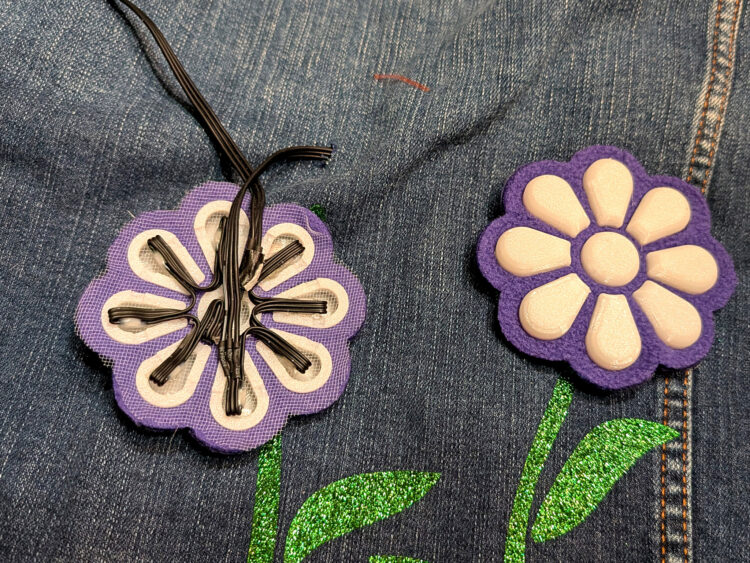
A critical innovation in this project is the technique of printing 3D structures directly onto mesh fabric. This "sandwich" method involves importing a flower base layer into a slicer and inserting a pause in the print at a height of approximately 1.5mm. At this juncture, a piece of tulle or mesh fabric is laid over the initial layers.
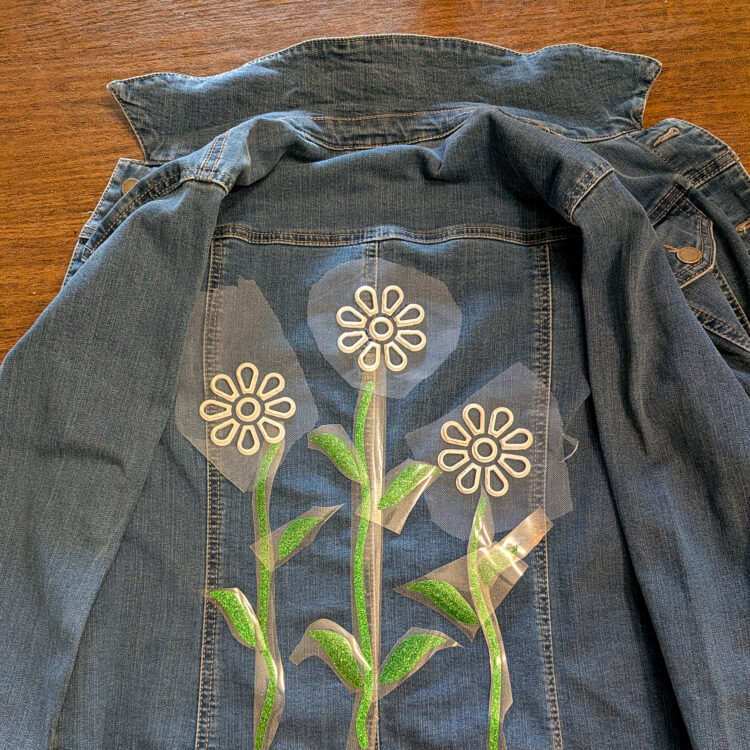
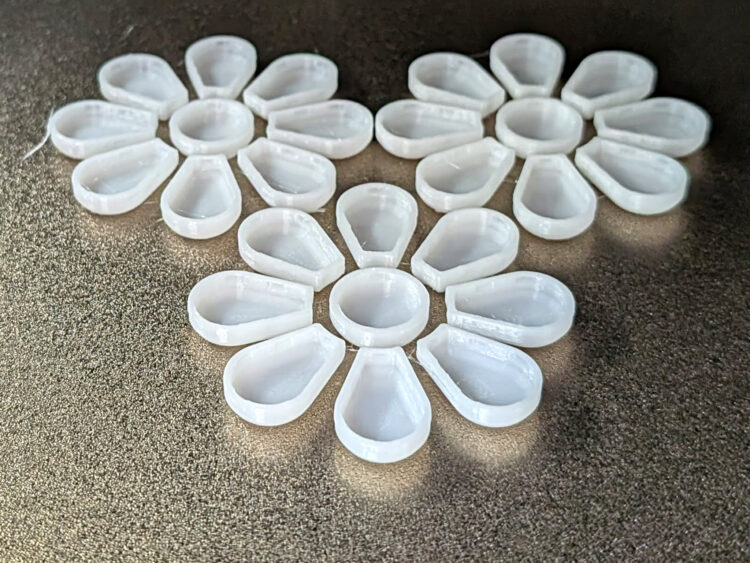
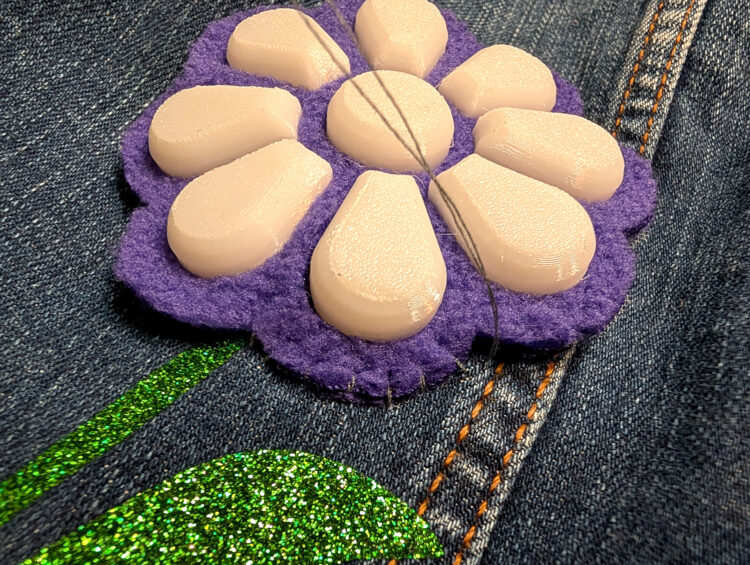
The choice of filament is vital; while PLA is common in hobbyist printing, PETG (Polyethylene Terephthalate Glycol) is specified for its superior durability and heat resistance. Specifically, "Cloudy White" PETG is recommended for its light-diffusing properties, which are essential for creating the "lithophane" effect when illuminated by LEDs. When the print resumes, the molten plastic bonds through the pores of the mesh, creating a flexible yet secure attachment point for the flower petals and central discs.
Design and Aesthetic Customization
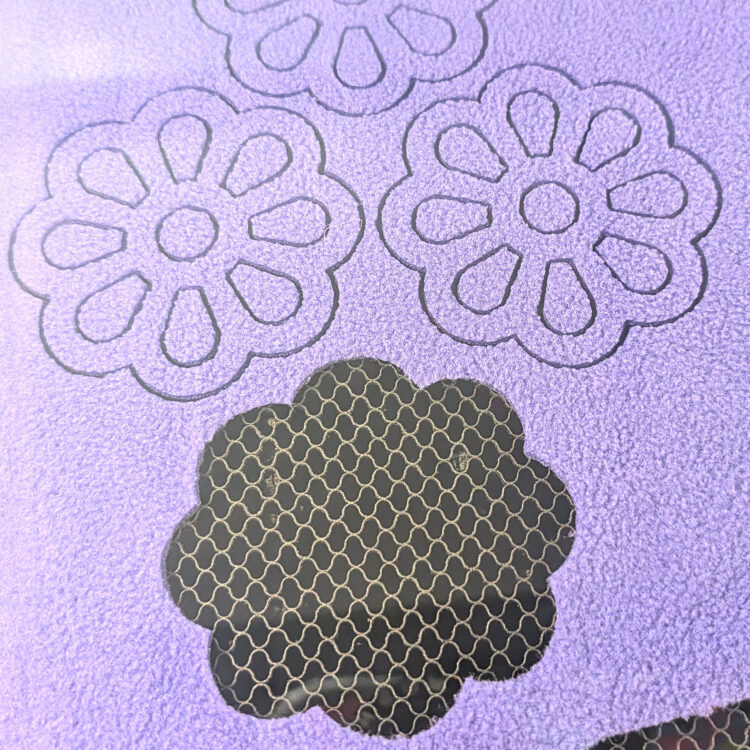
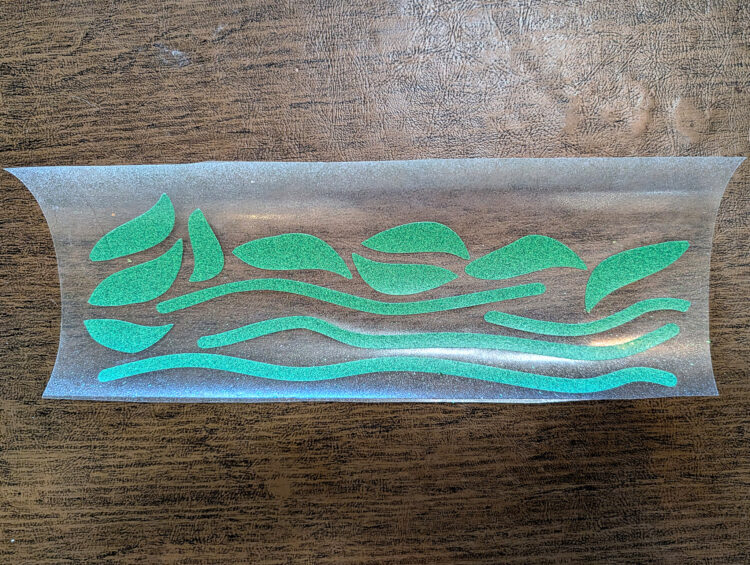
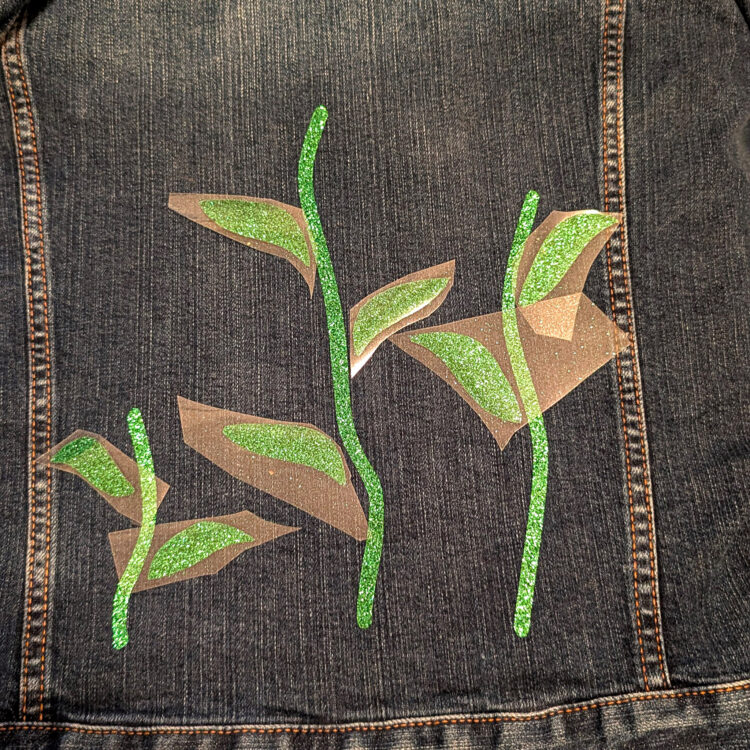
Beyond the 3D-printed elements, the project incorporates Heat Transfer Vinyl (HTV) for the creation of stems and leaves. This adds a layer of 2D graphic design to the 3D structural elements. Makers are encouraged to use laser cutters or vinyl plotters to achieve precision in these organic shapes. The aesthetic transition between the hard plastic flowers and the rugged denim is softened through the use of non-fraying border fabrics like fleece or faux leather, which also serve the functional purpose of hiding the underlying wiring.
Integrating Soft Circuitry and the WLED Ecosystem
The "intelligence" of the jacket is powered by an addressable LED system controlled by the WLED open-source project. This software has become the gold standard for DIY lighting projects due to its massive library of customizable animations and its ability to be controlled via a smartphone app.
Soldering and Electronic Assembly
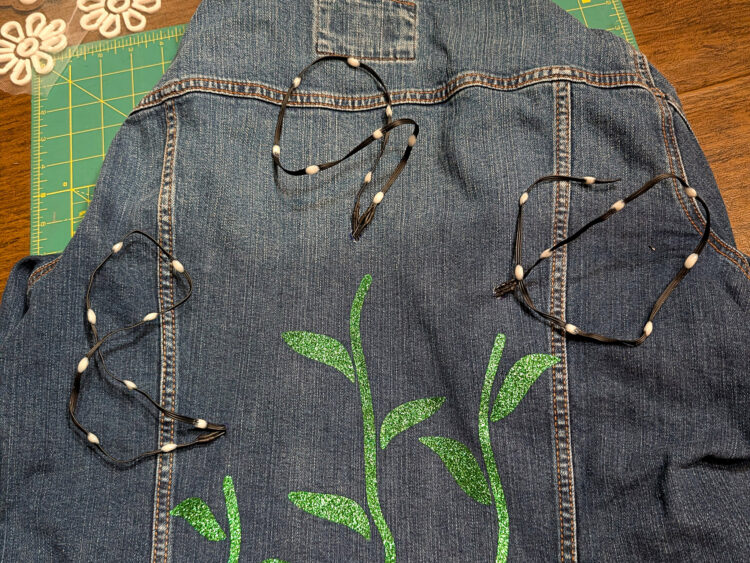
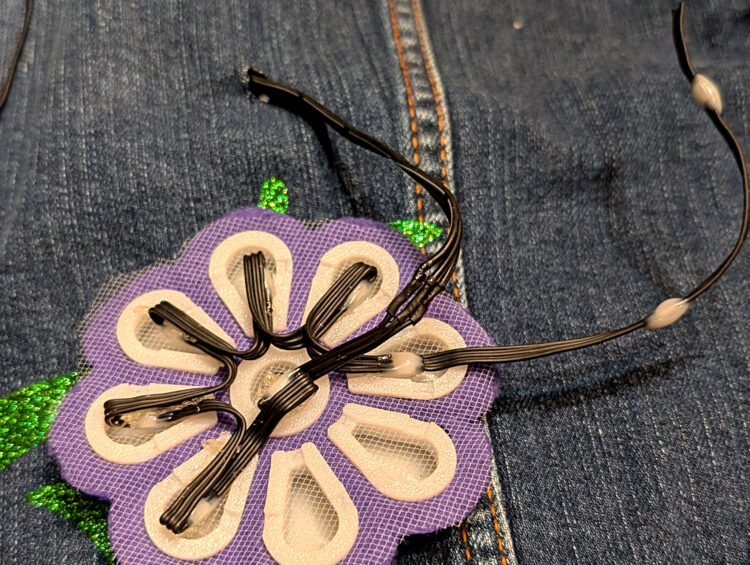
The electronic backbone of the jacket consists of "pebble" light strands—miniature, waterproof addressable LEDs that are low-profile enough to be embedded within clothing. The assembly requires precise soldering of three-wire silicone cables, which are chosen for their flexibility and resistance to the heat of an iron during the later stages of construction.
The LEDs are indexed in a specific sequence (1–27 for a three-flower arrangement) to ensure that animations flow logically across the garment. Each flower contains nine LEDs: one for the central disc and eight for the surrounding petals. This mapping allows for complex light patterns, such as radial pulses or sequential rotations, to be programmed with ease.
Installation and Internal Management
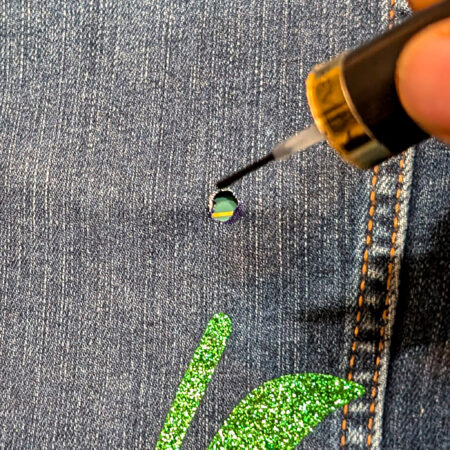
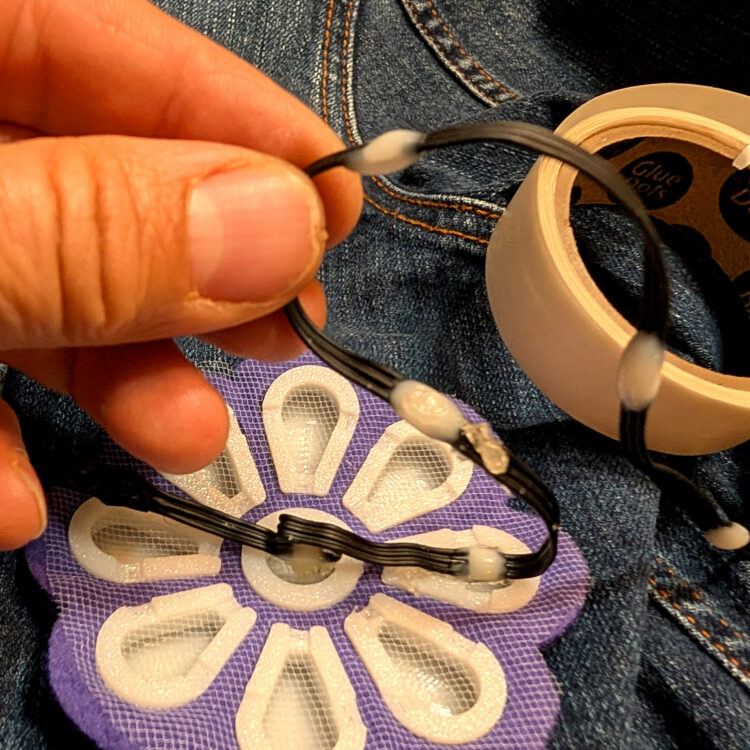
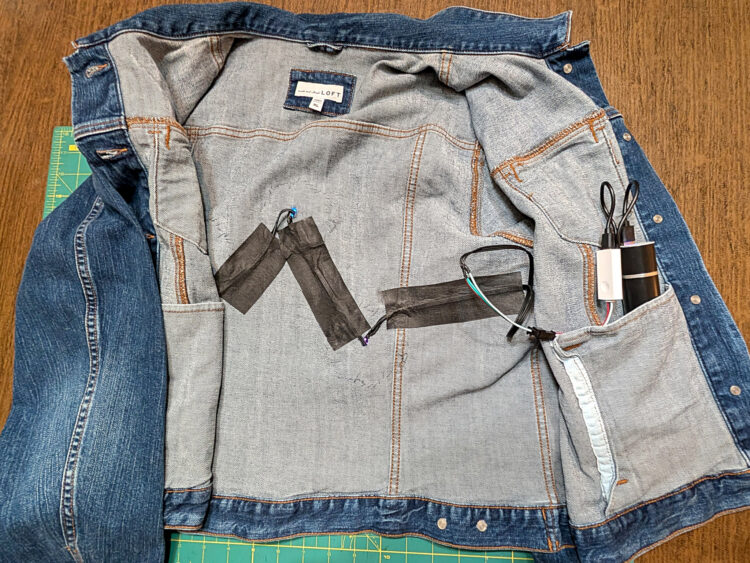
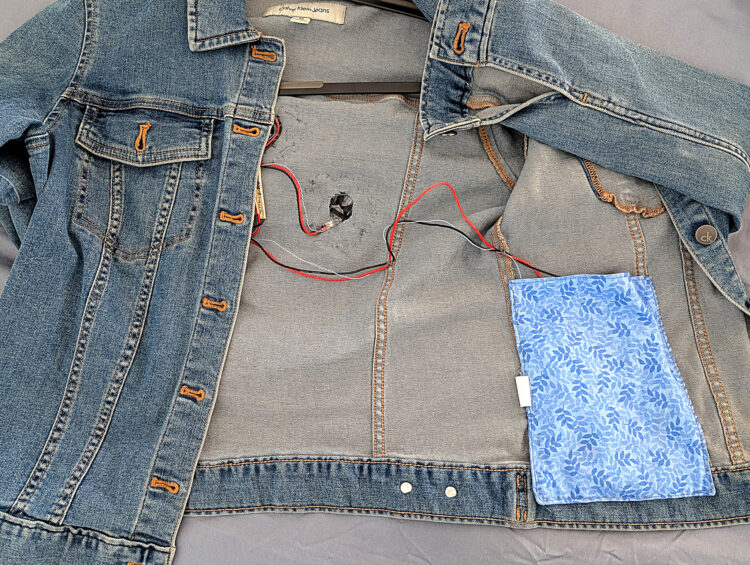
To maintain the jacket’s wearability, all wiring is routed through 1cm holes to the interior of the garment. These holes are treated with clear nail polish or fabric glue to prevent the denim from fraying. Once the flowers are hand-sewn to the exterior using whipstitch or blanket stitch techniques, the internal wires are secured using iron-on fusible interfacing. This step is crucial for protecting the circuitry from the mechanical stresses of movement and for ensuring that the wearer does not come into direct contact with the wiring.
Supporting Data: Performance and Durability
The BedazzLED Jean Jacket is designed with practical longevity in mind. Technical specifications for the project include:
- Power Requirements: 5V DC, typically supplied by a standard portable USB power bank.
- Controller Compatibility: ESP32-based controllers such as QuinLED or Athom, which offer high-speed processing for smooth LED transitions.
- Material Integrity: PETG prints can withstand temperatures up to 80°C, making them stable under direct sunlight, while silicone-coated wires remain flexible in cold temperatures.
- Maintenance: The use of waterproof pebble lights and sealed electronic connections allows the jacket to be hand-washed in cold water, provided the controller and power bank are disconnected.
Expert Perspectives and Broader Implications
Industry experts view projects like the BedazzLED Jean Jacket as essential stepping stones for STEAM (Science, Technology, Engineering, Art, and Mathematics) education. By combining the "soft" skill of sewing with the "hard" skills of 3D design and coding, the project appeals to a diverse demographic of creators.
"LEDs improve everything," states Debra Ansell, reflecting a sentiment common in the maker community. This philosophy suggests that the integration of technology into fashion is not merely about "gadgetry" but about enhancing the expressive potential of the individual.
The implications for the fashion industry are notable. As consumers increasingly move away from "fast fashion" in favor of personalized, high-quality items, the ability to "bedazzle" existing garments with high-tech components offers a sustainable alternative to buying new clothes. Furthermore, the open-source nature of the project allows for continuous iteration. Makers are already experimenting with modifying the CAD files to create different floral species or geometric patterns, suggesting a future where clothing is a living, evolving medium.
Future Outlook: The Scaling of DIY Wearables
The success of the BedazzLED project points toward a broader trend of "modular wearables." The techniques described—printing on mesh, internal wire management, and mobile app control—can be easily adapted to other accessories. Ansell suggests that the next logical steps involve applying these methods to baseball caps, tote bags, and even interior home decor.
As 3D printing technology continues to advance, with multi-material printers and more flexible filaments becoming affordable, the complexity of these wearable art pieces will only increase. For now, the BedazzLED Jean Jacket stands as a definitive example of how modern tools can be used to breathe new life into classic styles, proving that with a bit of code and some molten plastic, anyone can shine.
The project remains a highlight of Make: Volume 97, serving as a testament to the creativity of the maker community and the enduring appeal of denim as a canvas for innovation. Whether worn at a high-tech art gallery or a local community event, the jacket serves as a conversation starter, bridging the gap between the digital and physical worlds one LED at a time.