A significant shift in the luxury watch landscape is underway as Movado Group, Inc. has announced the sale of a 95% stake in the iconic Ebel brand to a distinguished consortium of buyers. The deal, valued at $66.5 million, unites the independent watchmaking prowess of François-Paul Journe with the formidable luxury empire of Chanel, alongside the strategic vision of industry veteran Pierre Jacques. This acquisition signals a concerted effort to revive Ebel, a brand that once stood as a titan of Swiss watchmaking, aiming to restore it to its former glory.
A Strategic Acquisition to Rekindle Ebel’s Legacy
Ebel, a name synonymous with sophisticated design and horological innovation during its peak, has experienced a period of relative obscurity under Movado’s stewardship since its acquisition from LVMH in 2004. The current transaction, however, marks a pivotal moment, driven by a clear ambition to re-establish Ebel as a prominent force in the luxury watch sector. The involvement of François-Paul Journe, an independent watchmaker whose own creations command astronomical prices and are highly sought after by collectors, suggests a commitment to horological excellence. Chanel’s participation further amplifies the brand’s luxury appeal, leveraging its established global presence and expertise in high-end consumer markets.
Pierre Jacques, who previously led the acclaimed independent watch brand De Bethune for over a decade, is slated to assume the role of CEO of Ebel. His extensive experience in managing and elevating luxury watch brands is expected to be instrumental in charting Ebel’s future course. Movado Group will retain a minority 5% stake, indicating a continued belief in the brand’s underlying potential, even as control shifts to the new ownership.

Historical Context: The Rise and Fall of a Swiss Watchmaking Icon
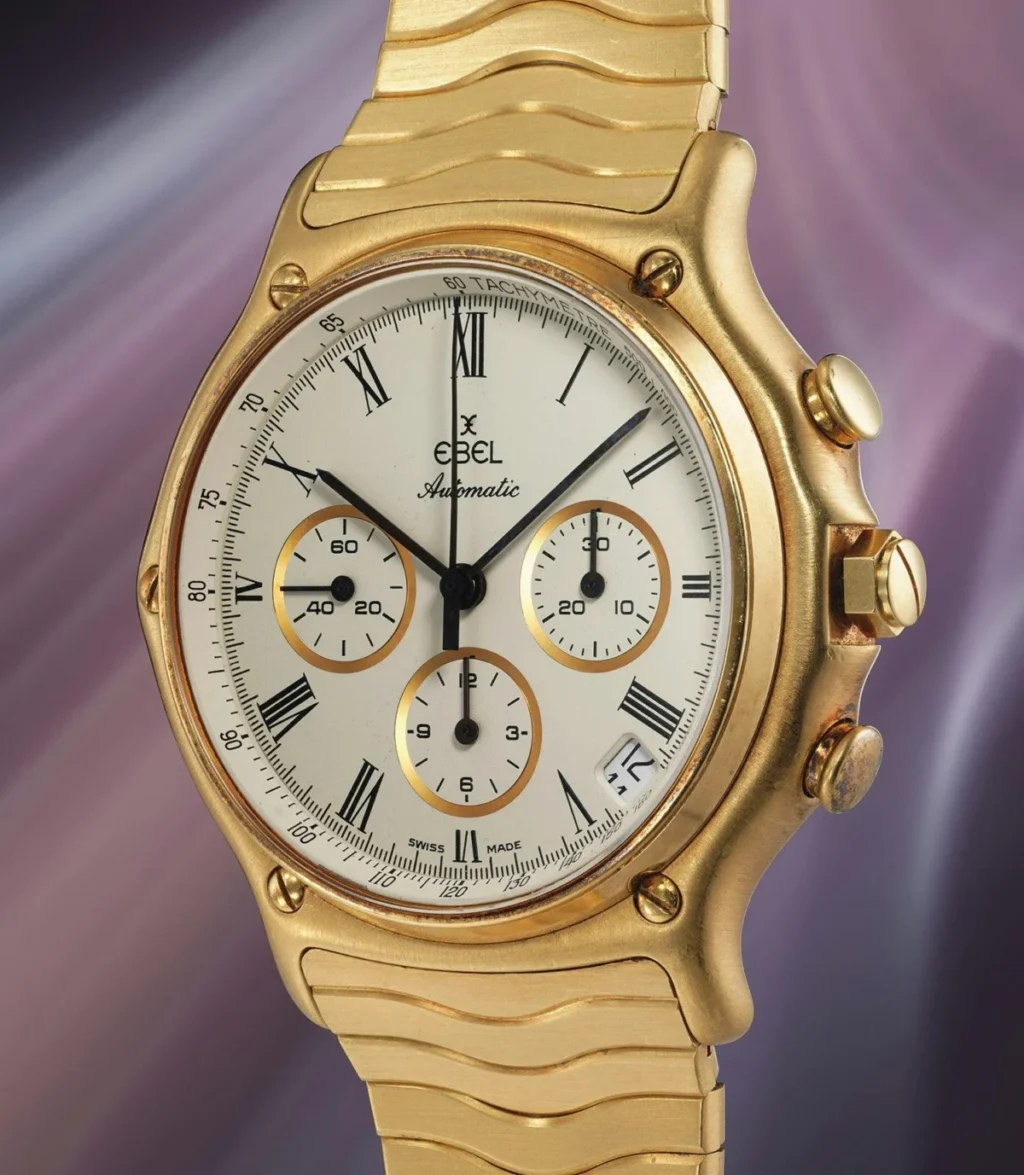
Founded in 1911 in La Chaux-de-Fonds, Switzerland, Ebel quickly established itself as a brand of distinction. During the transformative eras of the 1970s, 1980s, and 1990s, Ebel flourished under the leadership of Pierre-Alain Blum, a third-generation scion of the founding family. Blum’s astute marketing strategies and contemporary design sensibilities resonated with a global audience. The brand achieved significant commercial success, notably with its signature "Wave bracelet" introduced on the Sport Classique model, a design that became instantly recognizable.
At its zenith, Ebel was among the top five Swiss watch manufacturers, boasting a workforce of over 500 employees at its Swiss manufacture. The brand was not only known for its own sophisticated quartz movements and components but also for its significant collaborations, including producing watches for Cartier during a crucial period. Ebel’s commitment to in-house production and design innovation cemented its reputation as a formidable player in the watch industry.
The Shifting Tides of Ownership
The trajectory of Ebel’s ownership reflects broader trends in the watch industry. Financial challenges stemming from other business ventures led Pierre-Alain Blum to sell the brand to the Bahrain-based private equity group Investcorp in 1994. This marked the end of its era as a family-owned enterprise. The subsequent acquisition by LVMH in 1999, as part of a broader strategy to consolidate luxury watch assets that also included TAG Heuer and Zenith, placed Ebel within a vast luxury conglomerate. Zenith, notably, had a history of supplying Ebel with its renowned El Primero automatic movements for chronographs, a movement later famously adopted by Rolex for its Daytona model.

However, under successive ownerships following the Blum family’s divestment, Ebel struggled to recapture the sales momentum and market prominence it had previously enjoyed. The competitive landscape of the luxury watch market intensified, and brands that failed to adapt or innovate risked being overshadowed. Movado Group’s acquisition in 2004 was an attempt to revitalize the brand, but its success remained limited.
A Resurgence Fueled by Strategic Investment
The current acquisition by Journe, Chanel, and Jacques aligns with a growing trend in the watch industry: the strategic revival of historically significant but underperforming Swiss watch brands. This phenomenon was recently exemplified by Breitling’s acquisition of the Universal Genève brand and its archives for over CHF 60 million, followed by a high-end relaunch. Such moves indicate a recognition of the enduring value and potential embedded within heritage brands, provided they are revitalized with the right strategic vision and financial backing.
The price tag of $66.5 million for a 95% stake underscores the perceived value of Ebel’s brand equity, intellectual property, and historical significance. While specific details regarding the future product roadmap remain undisclosed, the caliber of the new owners suggests a focus on reintroducing Ebel’s signature design elements, perhaps with modern interpretations, and potentially re-emphasizing its watchmaking capabilities.
Ebel’s Cultural Footprint: From Chronographs to Pop Culture
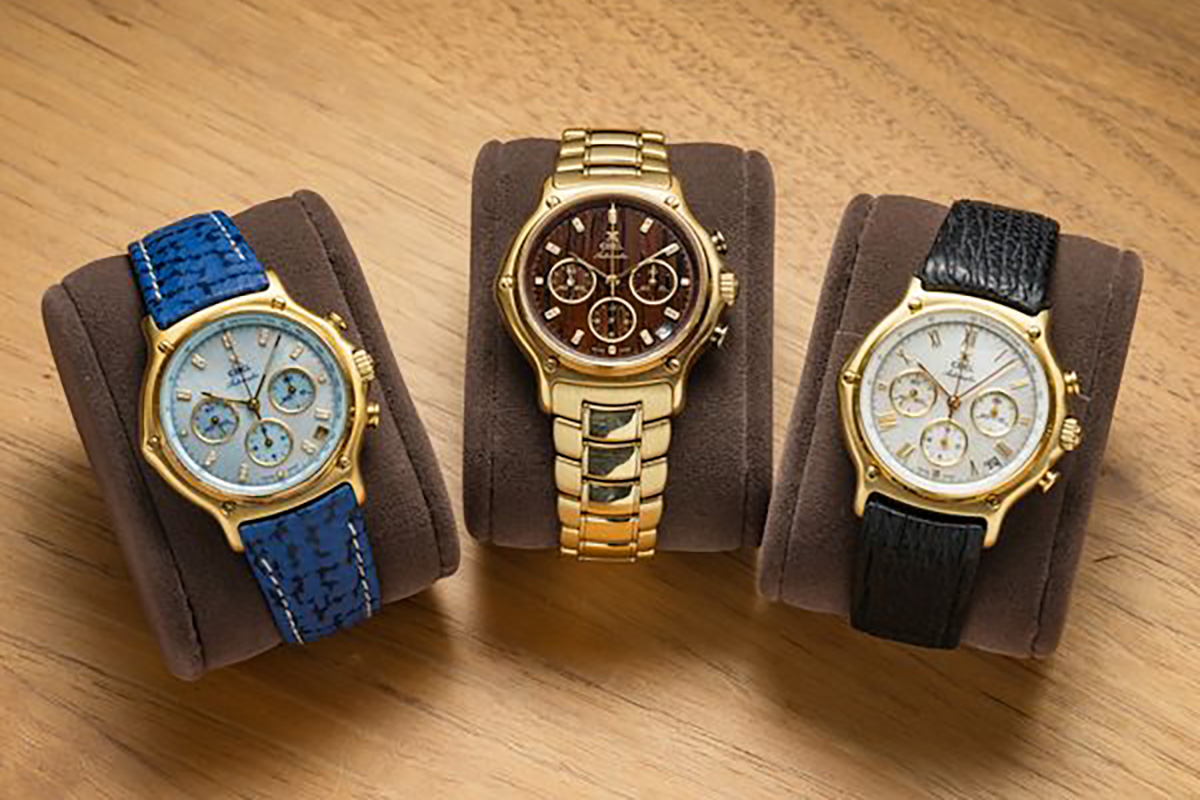
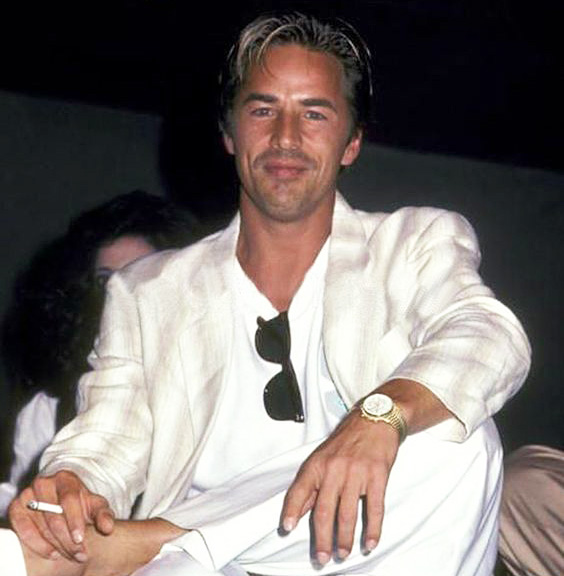
Ebel’s influence extended beyond watch enthusiast circles, notably gaining significant traction in popular culture during the 1980s. The brand achieved widespread recognition when Don Johnson, portraying Detective James "Sonny" Crockett in the iconic television series Miami Vice, was frequently seen wearing an Ebel 1911 chronograph. This product placement was highly effective, imbuing the Ebel watch with an aura of cool sophistication and desirability that resonated with a broad audience. The Ebel 1911 chronograph, often equipped with the Zenith El Primero movement, has since become a coveted neo-vintage timepiece, admired by collectors such as Alfredo Paramico, who notably sold a significant portion of his Ebel collection through a specialized auction at Phillips in 2024.
The New Guardians of Ebel: A Synergistic Vision
The collaborative approach of François-Paul Journe, Chanel, and Pierre Jacques presents a compelling synergy for Ebel’s revival. Journe’s dedication to independent watchmaking and his discerning eye for quality are expected to guide the brand’s horological direction. Chanel’s involvement brings unparalleled luxury market expertise, global distribution networks, and a deep understanding of brand building in the high-end sector. As a significant shareholder in F.P. Journe (holding a 20% stake), Chanel has demonstrated a strategic commitment to the Swiss watchmaking industry, with prior investments in brands and component manufacturers like Romain Gauthier, Max Büsser & Friends, Kenissi (a movement maker closely associated with Tudor), Bell & Ross, and Kross Studios.
François-Paul Journe articulated his vision, stating in a press release, "Like Michelangelo and so many others after him: the product, the product, the product. Ebel has always stood for exceptional product, and I am delighted to contribute to its next chapter alongside my friends and partners." This statement emphasizes a core belief in the enduring power of well-crafted timepieces.
Frédéric Grangié, President of Chanel Fine Watches and Jewelry, echoed this sentiment, highlighting Ebel’s rich heritage and distinctive identity: "Ebel is one of the great names of Swiss watchmaking, with a rich heritage, a distinctive creative identity and a strong foundation for future growth. This investment reflects our confidence in the brand’s long-term potential and our commitment to supporting its development while preserving the craftsmanship, excellence and values that have defined Ebel for generations."
Operational and Asset Considerations
Movado Group has indicated that certain assets primarily dedicated to the Ebel business will be transferred to a newly formed Swiss subsidiary of Movado Group. This includes trademarks, intellectual property, inventory, and notably, Villa Turque. The Villa Turque, a historic modernist house in La Chaux-de-Fonds designed by the renowned architect Le Corbusier, represents a significant cultural and architectural asset, underscoring Ebel’s deep roots in Swiss design and heritage. Key personnel within Movado Group dedicated to the Ebel business are expected to transition to employment within this new Swiss subsidiary.
The closing of the transaction is anticipated to occur within the next few months. Upon completion, the buyer group will acquire the 95% equity interest in the newly established Ebel subsidiary. This structured approach ensures a smooth transition of operations and assets, laying the groundwork for the brand’s renewed chapter under its new custodians. The strategic implications of this acquisition are substantial, potentially reshaping segments of the luxury watch market and signaling a renewed appreciation for heritage brands with strong design legacies.