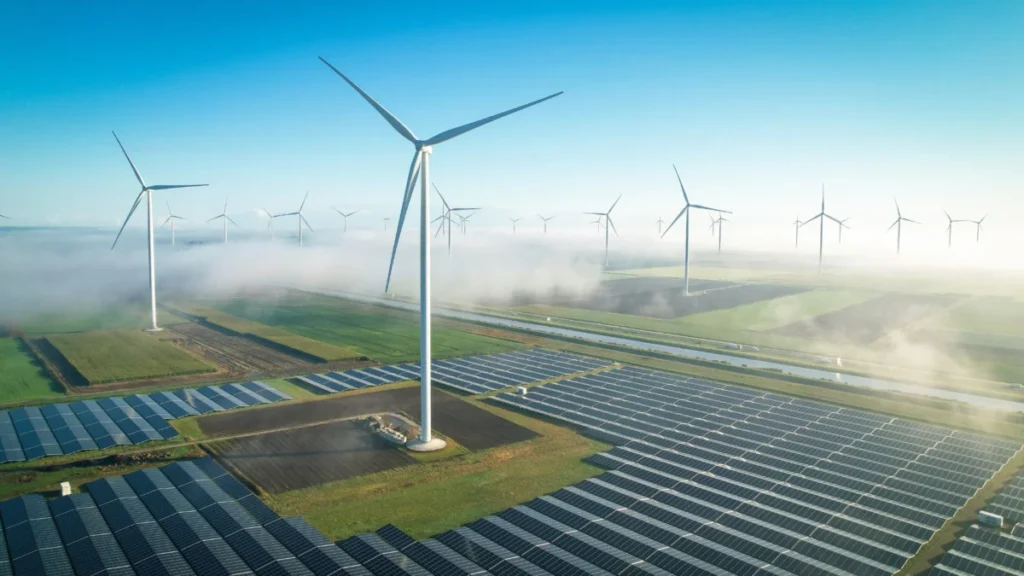
A groundbreaking report has revealed that countries dependent on energy imports are accelerating their clean energy generation at a rate three times faster than their energy-exporting counterparts. This significant divergence, detailed in the tenth edition of DNV’s Energy Transition Outlook, underscores a profound reshaping of the global energy landscape, primarily propelled by heightened concerns over energy security and supply chain vulnerabilities, particularly those stemming from geopolitical disruptions like those affecting the Strait of Hormuz.
The comprehensive analysis by DNV, a global assurance and risk management company, highlights a clear bifurcation in the global energy transition trajectory. Importing nations, acutely aware of their reliance on external fossil fuel sources, are rapidly scaling up domestic renewable energy capacities, electrification, and energy storage solutions. Conversely, many energy-exporting nations, particularly those outside the Middle East, have responded to current supply shortages by increasing fossil fuel production and investment, often leading to a comparatively slower pace in their own decarbonization efforts. This widening gap signifies not just a shift in energy sources, but a fundamental re-evaluation of national security and economic resilience strategies worldwide.
The Widening Divide: Quantitative Insights from DNV
Over the past five years, the share of non-fossil energy in the primary energy mix of importing regions has surged by 2.2 percentage points. In stark contrast, exporting regions have seen a modest increase of just 0.7 percentage points during the same period. This translates to a remarkable statistic: major energy importers such as China, India, and the collective European Union have transitioned towards non-fossil energy sources more than three times as rapidly as key exporting blocs, including the Middle East, North America, and Russia.
Ditlev Engel, CEO – Energy Systems at DNV, articulated the essence of this shift, stating, “Energy security is redrawing the map of the energy transition. Importing regions are accelerating electrification, renewables, and storage to reduce their exposure to the most insecure fossil-fuel markets. Exporters, meanwhile, are responding to today’s shortages by increasing investments and production. The result is a widening divide in the speed and direction of the transition.” This statement underscores the strategic imperative driving policy decisions in diverse global economies.
Geopolitical Undercurrents: The Strait of Hormuz and Middle East Dynamics
The report explicitly links the accelerated shift in importing nations to disruptions in energy supply, specifically citing the Strait of Hormuz. This narrow waterway, a critical chokepoint in the Persian Gulf, is one of the world’s most strategically important oil passages, through which roughly a fifth of the world’s total oil consumption and a significant portion of liquefied natural gas (LNG) passes. Frequent geopolitical tensions, including historical conflicts, piracy concerns, and recent incidents involving shipping, have consistently highlighted the fragility of global energy supply chains reliant on this corridor.
The vulnerability of the Strait of Hormuz serves as a potent reminder for importing countries to diversify their energy portfolios and mitigate risks associated with over-reliance on a single, volatile supply route. This has strengthened incentives for governments to invest heavily in domestic renewable energy infrastructure, energy efficiency measures, and strategic energy reserves.
Moreover, a DNV sensitivity analysis delves into the potential long-term impacts of a prolonged conflict in the Middle East, extending until 2030. Under such a scenario, where oil and gas prices remain moderately elevated, global oil and gas demand is projected to be 4–6% lower while the conflict persists. Crucially, demand would remain 2–5% below DNV’s main forecast for the remainder of the forecast period, indicating a permanent demand destruction. This analysis suggests that sustained geopolitical instability can accelerate the pivot to alternative energy sources by compelling consumers and governments to make lasting shifts away from fossil fuels. The implications for traditional fossil fuel exporters are profound, with DNV’s new forecast predicting that the Middle East will supply approximately 40% of global oil production by 2050, a notable decrease from last year’s outlook of 50%. This signifies a long-term erosion of market share for fossil fuel-rich regions if global demand continues its accelerated shift.
The European Imperative: A Case Study in Diversification
Europe stands out as a prime example of an importing region aggressively pursuing energy transition. Historically reliant on Russian gas and Middle Eastern oil, the continent experienced a severe energy crisis following geopolitical events, which spurred an unprecedented push towards renewables. The European Union’s REPowerEU plan, launched in response, aims to rapidly reduce dependence on Russian fossil fuels and accelerate the green transition. This initiative sets ambitious targets for renewable energy deployment, energy efficiency, and hydrogen infrastructure.
For instance, the EU has increased its binding renewable energy target for 2030 from 32% to 42.5% of gross final energy consumption, with an aspiration to reach 45%. This translates into massive investments in solar, wind, and battery storage. In 2023 alone, the EU added over 60 GW of new renewable capacity, primarily solar and wind, demonstrating the scale of this commitment. Countries like Germany, traditionally an industrial powerhouse, are fast-tracking wind and solar projects, streamlining permitting processes, and investing heavily in grid modernization. The impetus is clear: energy independence equates to national security.
Asia’s Giants: China and India Leading the Charge
China, the world’s largest energy consumer and importer, is simultaneously the largest investor and developer of renewable energy. Its drive for clean energy is multifaceted, addressing not only energy security but also severe air pollution and its commitment to carbon neutrality by 2060. China’s solar and wind capacity additions are staggering; in 2023, the country installed more solar PV capacity than the entire world did in 2022, and its wind power growth is equally robust. While China still heavily relies on coal for a significant portion of its energy mix, its massive investments in renewables demonstrate a clear strategic direction to reduce long-term fossil fuel import dependency and dominate the global clean energy supply chain.
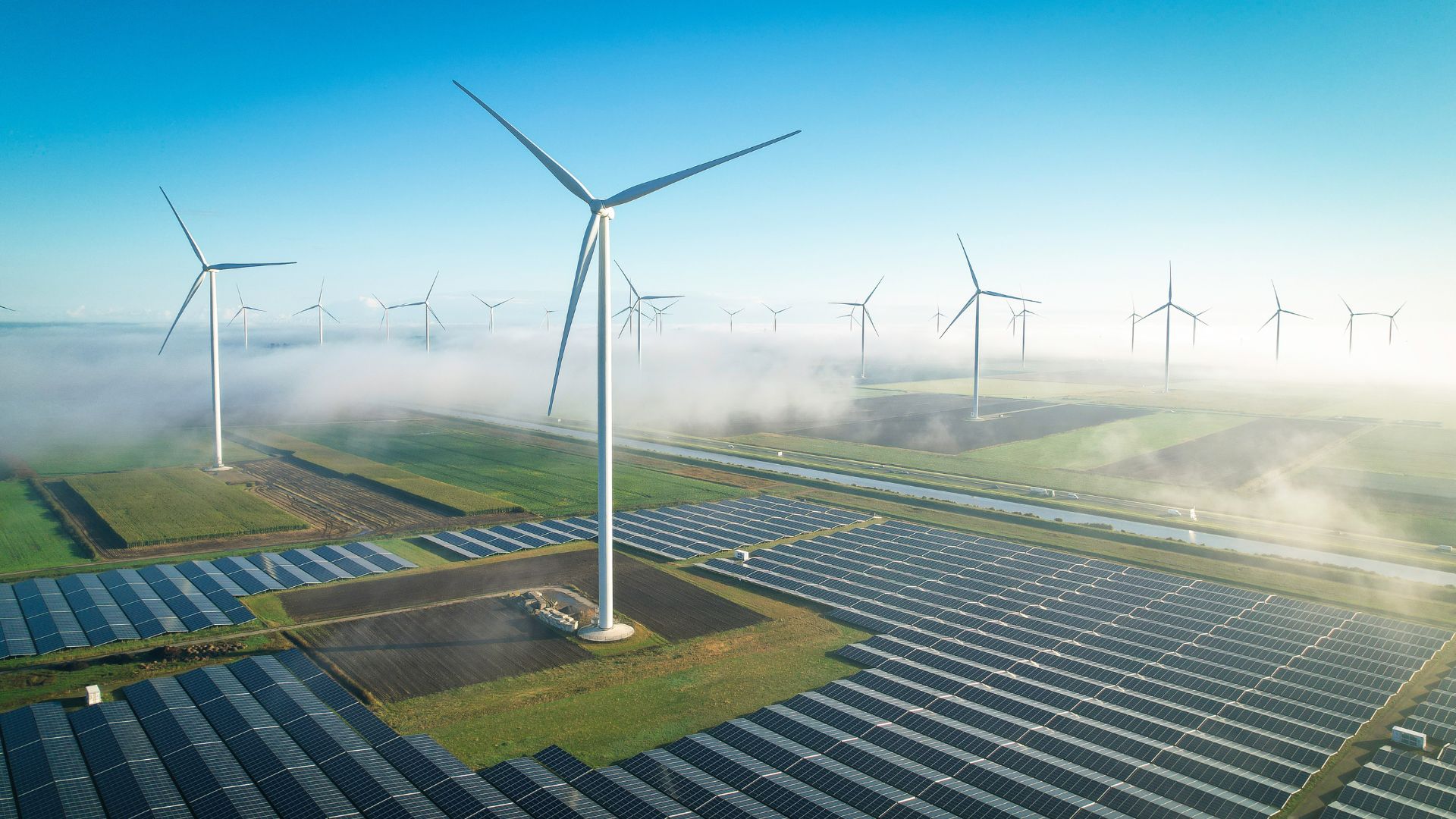
Similarly, India, another rapidly growing economy with substantial energy import needs, is making significant strides in its clean energy transition. With ambitious targets to achieve 500 GW of non-fossil fuel electricity capacity by 2030, India is expanding its solar and wind infrastructure at an impressive pace. Government initiatives like the National Green Hydrogen Mission aim to position India as a global hub for green hydrogen production, further reducing its reliance on imported fossil fuels. The twin pressures of energy security and a burgeoning population’s energy demand are compelling India to accelerate its shift towards indigenous, renewable sources.
The Exporting Nations’ Conundrum: Balancing Revenue and Transition
While importing nations are aggressively diversifying, many traditional fossil fuel exporters face a complex challenge. For countries whose economies are heavily reliant on oil and gas revenues, the immediate response to supply disruptions (and subsequent price spikes) has often been to increase production to capitalize on market opportunities. This short-term gain, however, risks delaying their own essential energy transition, creating a long-term vulnerability as global demand for fossil fuels is projected to decline.
Some major oil and gas producers, particularly in the Middle East, are beginning to invest in renewable energy and green hydrogen projects (e.g., Saudi Arabia’s NEOM project, UAE’s clean energy targets). However, the scale and pace of these investments often lag behind the rapid decarbonization efforts seen in importing regions. Russia, a major gas and oil exporter, has also shown a slower pace in decarbonization, with its focus remaining largely on maximizing fossil fuel exports, particularly to new markets. North America, while having significant renewable growth, also continues to be a major producer and exporter of oil and gas, influencing its overall decarbonization trajectory. The report indicates that these exporting regions’ decarbonization journeys are "increasingly slower compared to the rest of the world," highlighting a potential economic and environmental reckoning in the decades to come.
Technological Momentum and Policy Gaps
The DNV report also sheds light on the differential progress of various clean energy technologies. Established and cost-competitive technologies like solar photovoltaic (PV), onshore wind, and battery storage are experiencing unprecedented deployment rates. The costs of solar power have plummeted by over 80-90% in the last decade, making it the cheapest form of electricity generation in many parts of the world. Onshore wind has followed a similar trajectory. Consequently, installed battery capacity, crucial for grid stability and renewable energy integration, has increased a remarkable 14-fold over the past five years. These technologies are increasingly displacing fossil fuels from power generation, forming the backbone of the accelerated electrification trend.
However, the report also highlights significant hurdles for emerging technologies essential for decarbonizing "hard-to-electrify" sectors like heavy industry, aviation, and shipping. Technologies such as hydrogen and carbon capture and storage (CCS) are not being prioritized at the necessary scale due to their high costs and concerns about industrial competitiveness. Compared to DNV’s previous outlook, the amount of hydrogen projected in its long-term forecast has decreased by 29%, and CCS by 15%. While both technologies are expected to grow rapidly from a low base, stronger and more consistent policy support, including financial incentives, regulatory frameworks, and international collaboration, will be critical to bridge the cost gap and accelerate their deployment. Without such support, these vital decarbonization tools risk lagging behind, potentially delaying global climate targets.
A notable exception among higher-cost technologies is nuclear power. Despite its high upfront costs, long construction times, and supply chain risks, nuclear is forecast to maintain its current share of global power generation as electrification accelerates. DNV projects a 30% growth in installed nuclear capacity over the next decade, and a substantial 170% increase by 2060. This resurgence is driven by the demand for reliable, baseload, carbon-free power, particularly in countries seeking to enhance energy security and reduce reliance on intermittent renewables.
The Electrification Imperative: A Global Trend
Sverre Alvik, Director of Energy Transition Research at DNV, emphasized the overarching trend: “Driven by solar, wind and increasingly battery storage, electricity is emerging as the clear winner of the energy transition. The pace of electrification over the next two decades will be more than twice that of the past two decades. Although importing countries are leading the shift, fossil-fuel exporters are also embracing electrification because it delivers greater efficiency and lower costs.”
This signifies a fundamental transformation where electricity will become the dominant energy carrier across an expanding range of sectors, from transportation and heating to industrial processes. The efficiency gains and cost reductions associated with electrification, powered increasingly by renewables, make it an attractive pathway for all nations, irrespective of their current energy export/import status.
Broader Implications and the Path Forward
The findings of DNV’s Energy Transition Outlook carry profound implications for global climate action, economic development, and international relations. The widening divide in energy transition speeds suggests that while some regions are rapidly decarbonizing, others may face increasing pressure to adapt or risk being left behind in a changing global energy market. This disparity could complicate efforts to achieve the collective goals of the Paris Agreement, which requires widespread and equitable decarbonization.
The shift towards domestic clean energy sources in importing nations fosters greater energy independence, potentially reducing geopolitical leverage historically wielded by major fossil fuel exporters. This rebalancing of power could lead to new alliances and trade patterns centered around renewable energy technologies, critical minerals, and green hydrogen. Investment flows are expected to increasingly favor regions demonstrating strong policy support for clean energy and robust project pipelines.
As Ditlev Engel concluded, “While the geopolitical landscape is becoming more complex, there should be no doubt that the energy transition is happening, and that it is already large in scale. However, we must continue to embrace and accelerate it, as everyone is starting to recognize that energy is now part of our critical infrastructure and must be prioritized accordingly.” The report serves as a clarion call for continued and accelerated action, urging policymakers to foster environments that support both mature and emerging clean energy technologies, ensuring a secure, sustainable, and equitable energy future for all. The coming decades will undoubtedly witness a further acceleration of these trends, fundamentally altering how the world produces, consumes, and trades energy.