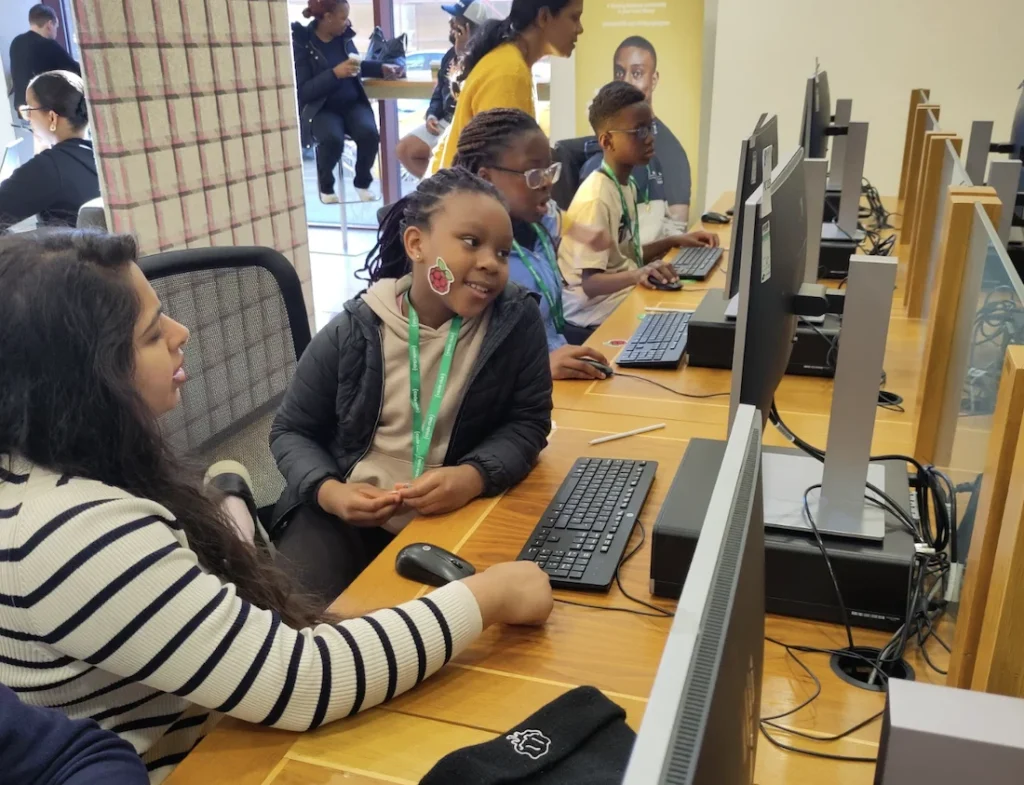
In the heart of Glasgow’s public library system, a transformative movement is bridging the digital divide, led by an initiative that prioritizes creativity and community over rigid curricula. Across the city’s network of libraries, from the historic Mitchell Library to community hubs in Gorbals and Drumchapel, Code Clubs are providing young people with the tools to navigate an increasingly technological world. These sessions, orchestrated by Claire Quigley in collaboration with Glasgow Life, represent a shift in how digital literacy is delivered, moving away from formal academic structures toward inclusive, community-centered environments. By blending technical instruction with creative expression—such as linking coding to medieval manuscripts, wearable technology, and electronic music—the program is fostering a new generation of problem-solvers who view technology not as a barrier, but as a medium for innovation.
The Evolution of Community Digital Literacy in Glasgow
The rise of Code Clubs in Glasgow is part of a broader national effort to address the "digital skills gap" in Scotland. According to recent industry reports, the technology sector is one of the fastest-growing components of the Scottish economy, yet many young people remain disconnected from the pathways required to enter these fields. Libraries have historically served as the "great equalizers" of information access, and their evolution into tech-learning hubs is a logical progression in the 21st century.
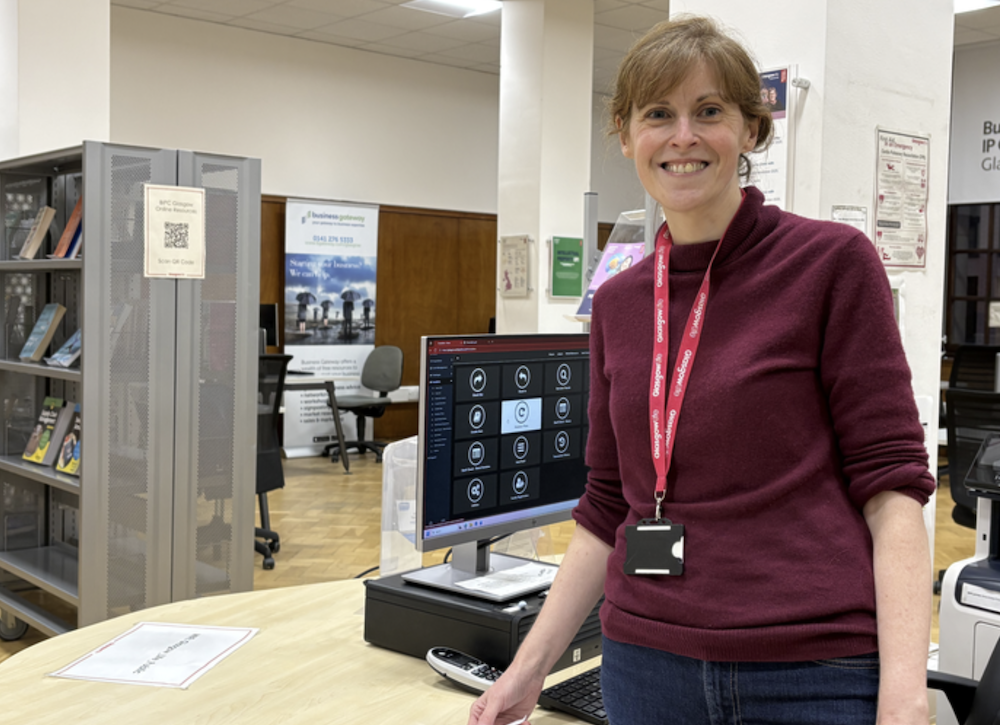
Claire Quigley, who holds a PhD in computer science, has been a pivotal figure in this transition. Her journey reflects a growing trend among high-level tech professionals who are moving away from traditional academia to focus on grassroots impact. After working as a postdoctoral researcher, Quigley identified a disconnect between formal computer science education and the creative potential of young learners. This realization led her to CoderDojo—a global volunteer-led community—and eventually to her current role coordinating Code Clubs for Glasgow Life. By integrating these clubs into the library system, the program ensures that high-quality tech mentorship is available to children regardless of their socio-economic background.
A Chronology of Growth and Resilience
The development of Glasgow’s Code Clubs can be viewed through several distinct phases:
- The Foundational Phase (Pre-2019): Initially, coding sessions were sporadic and often relied on the initiative of individual library staff members. During this period, the focus was on introducing basic block-based programming through Scratch.
- The Integration Phase: Recognizing the potential for city-wide impact, Glasgow Life began formalizing the partnership with the Raspberry Pi Foundation’s Code Club network. This allowed for standardized resources and better support for volunteers.
- The Pandemic Disruption (2020–2022): Like most community programs, Code Clubs faced significant hurdles during the COVID-19 lockdowns. Physical library closures meant a temporary halt to in-person sessions. However, this period served as a catalyst for re-evaluating the volunteer model.
- The Post-Pandemic Rebuilding (2022–Present): As libraries reopened, the program faced a shortage of traditional library staff to run sessions. This necessitated a "wider net" approach to recruitment, bringing in a more diverse array of volunteers, including career-changers, students, and refugees.
This chronology highlights the program’s adaptability. The post-pandemic shift, in particular, has been credited with enriching the clubs’ learning environments. The influx of volunteers with non-traditional backgrounds has introduced a variety of problem-solving approaches that resonate with a broader demographic of young learners.
Methodology: Beyond the Syntax of Code
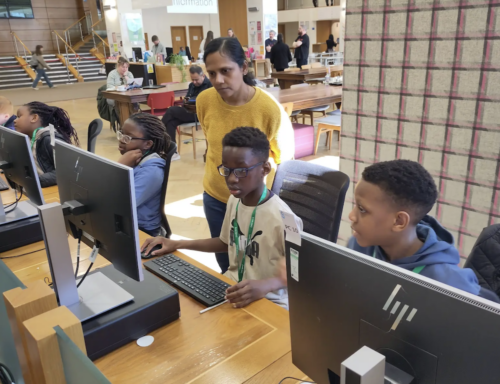
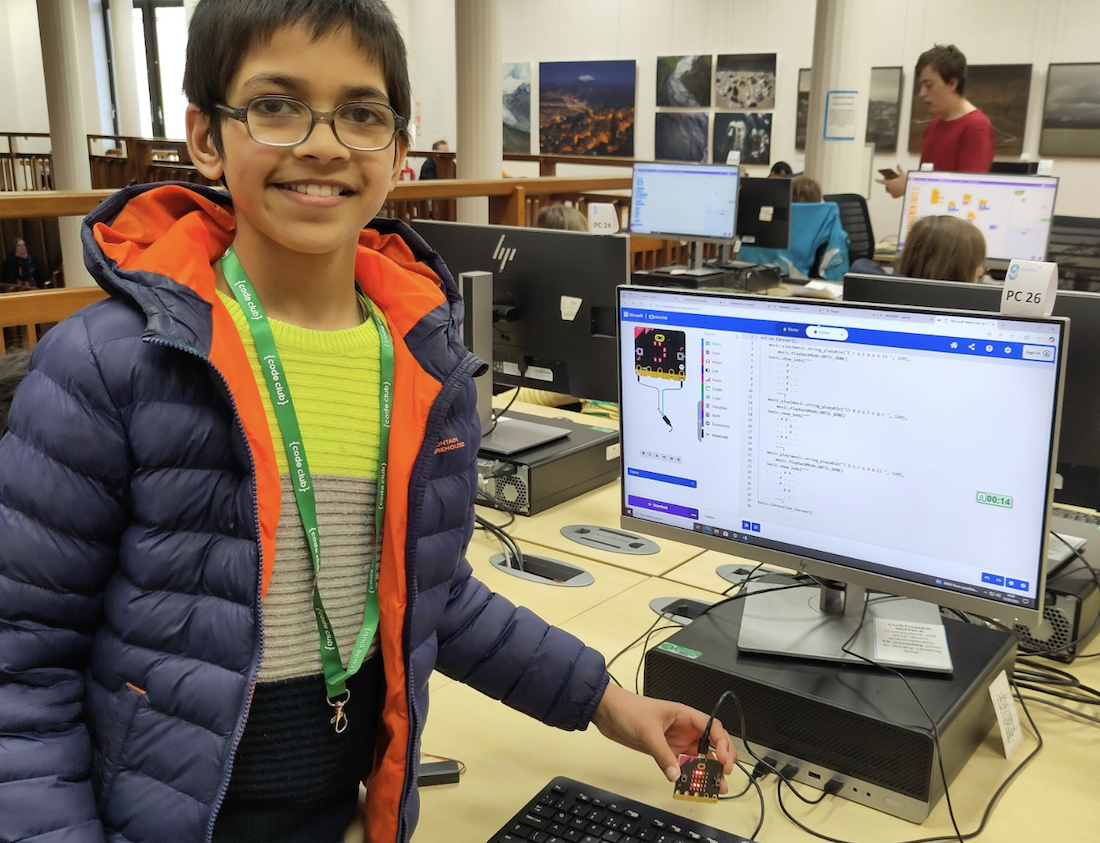
A typical session in a Glasgow Code Club is characterized by what Quigley describes as "creative chaos." Unlike a classroom, where the emphasis may be on passing assessments, Code Clubs focus on project-based learning. Participants use Scratch to build animations, experiment with micro:bits (small programmable devices), and delve into Python as they progress.
The pedagogical approach is intentionally non-linear. By mixing coding with diverse subjects, the program lowers the "barrier to entry" for those who might not see themselves as "math people." For example, using code to generate poetry or design digital interfaces for historical archives allows children to see the utility of technology in the arts and humanities. This interdisciplinary approach is backed by educational research suggesting that "contextualized computing"—learning to code within the framework of a personal interest—significantly increases retention and engagement among underrepresented groups in STEM.
Supporting Data: The Impact of Informal Learning
Data from the Raspberry Pi Foundation and similar digital literacy initiatives suggest that informal learning environments like Code Clubs have a measurable impact on student confidence. In a 2023 survey of similar UK-based clubs, 85% of participants reported increased confidence in their problem-solving abilities, while 72% expressed a greater interest in pursuing STEM subjects in secondary school.
In Glasgow, the impact is often seen in individual success stories. Quigley recounts the experience of a "boisterous" student who, despite initial hesitation, demonstrated an innate talent for solving complex coding puzzles. The simple act of receiving a "Problem-solving Champion" certificate was a turning point for the student’s self-perception. Such anecdotes are supported by wider educational theories regarding "growth mindset," where students learn that intelligence and skill are developed through persistence rather than being innate traits.
The Volunteer Backbone and Diversity Initiatives
The success of the Glasgow model relies heavily on its volunteer network. Quigley’s recruitment strategy is multifaceted, utilizing the Glasgow Life volunteering portal, STEM Ambassadors, and local university networks. However, the most significant shift has been the move toward valuing "soft skills" alongside technical proficiency.
"I’m really keen to try and get a mixture of qualities in a team," Quigley noted. While having at least one confident programmer per session is ideal for troubleshooting "trickier bugs," the presence of volunteers who are simply "good at chatting to children" is equally vital. This diversity in the volunteer pool—which includes refugees and neurodivergent individuals—provides young people with a range of role models. It reinforces the idea that there is no single "correct" way to be a person in technology.
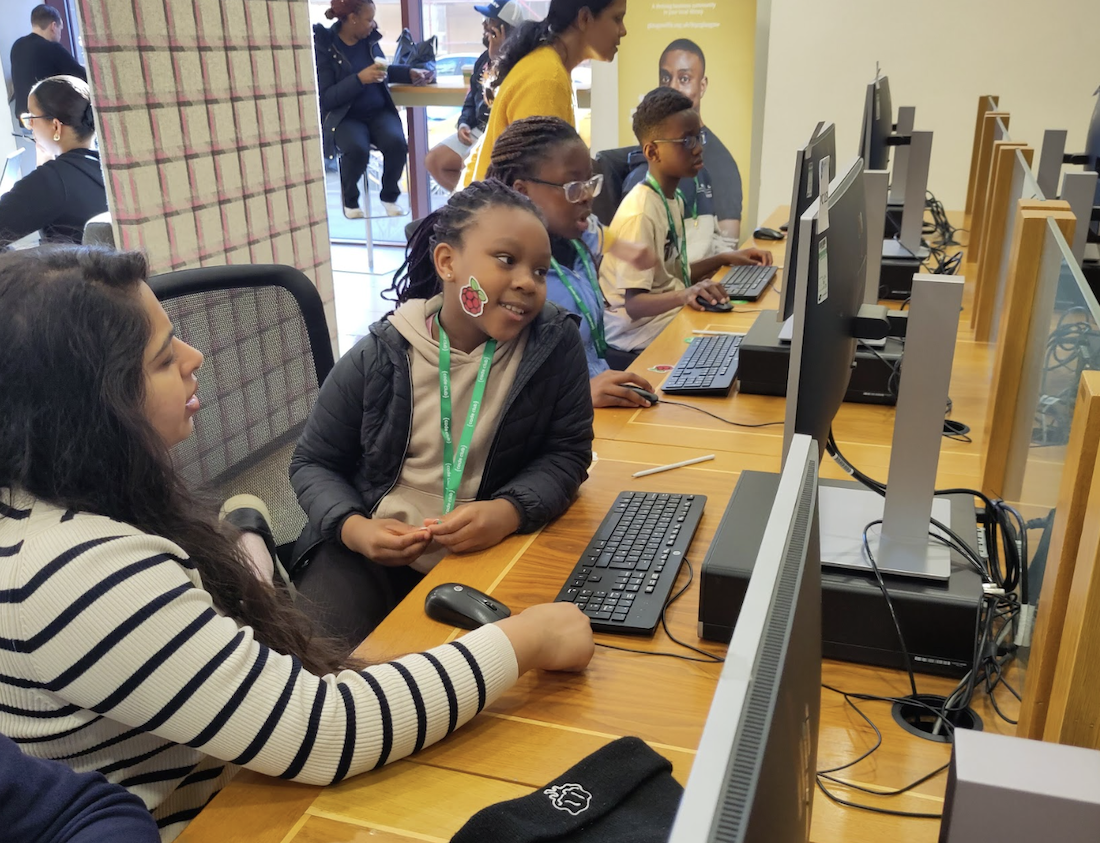
Furthermore, the program has made strides in gender inclusivity. By hosting all-girls sessions, the clubs address the documented "leaky pipeline" in tech, where girls often lose interest in computer science during their early teenage years due to social pressures and a lack of representation.
Analysis: Implications for Glasgow’s Future
The broader implications of these Code Clubs extend to the economic and social fabric of the city. Glasgow is currently positioning itself as a major tech hub in the UK, with significant investments in the "Innovation District" and a growing startup ecosystem. However, for this growth to be sustainable and equitable, the local workforce must be equipped with the necessary skills.
By hosting these clubs in libraries, Glasgow Life is ensuring that digital literacy is not a luxury. If coding skills are only available through expensive private tutors or well-funded private schools, the "digital divide" will only widen, leading to increased social stratification. The library-based model democratizes this knowledge.
Experts in urban development suggest that such community-based tech initiatives have a "multiplier effect." Children who learn to code in their local library are more likely to see themselves as participants in the digital economy, which can lead to higher-wage employment and greater social mobility. Moreover, the volunteer experience itself serves as a professional development tool, with several Glasgow volunteers using their Code Club experience as a stepping stone to full-time employment in the tech sector.
Official Responses and Future Outlook
Representatives from Glasgow Life have emphasized the library’s role as a cornerstone of community resilience. The Mitchell Library, as a flagship venue, continues to serve as a hub for these activities, but the expansion into smaller neighborhood libraries is seen as the key to long-term success.
"Working with Glasgow Life colleagues across libraries, communities, and museums has given me the chance to connect with children, young people, and adults in a non-threatening environment," Quigley stated. This sentiment is echoed by city officials who view the library system as an essential partner in delivering the Scottish Government’s digital strategy.
As the program looks to the future, the goal is to further integrate emerging technologies, such as artificial intelligence and advanced robotics, into the curriculum. However, the core philosophy will remain unchanged: technology is a tool for empowerment, and the best way to learn is through community, curiosity, and play.
For the residents of Glasgow, the Code Clubs are more than just a place to learn a programming language; they are a testament to the power of public spaces to evolve and meet the needs of a new generation. By investing in the digital potential of its youth today, Glasgow is securing its place as a leader in the global technological landscape of tomorrow. Through the continued dedication of mentors like Claire Quigley and the diverse army of volunteers, the city’s libraries remain at the forefront of this vital educational frontier.