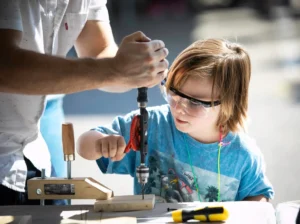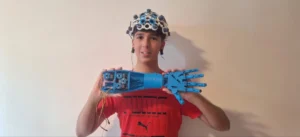
The 2026 edition of Coolest Projects, the world’s leading technology showcase for young people, has concluded with record-breaking participation and a significant milestone in gender representation. This year, more than 15,000 young creators from 40 countries participated in the online event, collectively presenting over 4,500 unique technological solutions, games, and hardware innovations. The event, which culminated in a global livestream celebration, highlights the growing accessibility of computer science education and the burgeoning talent of a new generation that is increasingly focused on using technology for social good.
A defining characteristic of the 2026 showcase was its diversity. Organizers reported that 47% of the participants were girls, a figure that nears gender parity and stands in stark contrast to historical trends in the global technology sector. This demographic shift reflects years of targeted outreach by the Raspberry Pi Foundation and its partners to bridge the gender gap in STEM (Science, Technology, Engineering, and Mathematics). The participants ranged from first-time coders who had just completed their first "Hello World" scripts to seasoned makers with years of experience in hardware engineering and complex software development.
A Global Stage for Digital Innovation
Coolest Projects has evolved from a local initiative into a massive international platform. The 2026 online showcase allowed creators from geographically diverse regions—including major hubs in Europe, North America, and Asia, as well as emerging tech communities in Africa and South America—to share their work without the barriers of travel costs or visa requirements. The digital format has proven essential in democratizing access to high-level mentorship and peer recognition.
The event’s chronology follows a rigorous cycle designed to encourage iterative learning. The journey for these 15,000 participants began months ago with the ideation phase, supported by the Raspberry Pi Foundation’s library of over 200 free coding projects. Following the submission period, projects were categorized into seven distinct streams, including Games, Web, Mobile Apps, Hardware, and Advanced Programming. The final phase, the 2026 LIVE celebration, served as the formal recognition of their efforts, featuring insights from industry leaders and the announcement of top honors.
Industry Experts Evaluate the Future of Tech
Central to the success of Coolest Projects is the involvement of VIP judges who provide professional validation for the young creators. The 2026 panel featured a diverse array of experts from the worlds of artificial intelligence, game development, and educational entrepreneurship.
Ronit Levavi Morad, the Strategy and Operations Lead at Google Research, served as a key judge for this year’s cohort. In her professional capacity at Google, Morad focuses on reimagining the future of learning through AI literacy and human-centered technology. Her advocacy for "pedagogy first, technology second" was evident in her project selections. Morad has been a vocal proponent of initiatives like AI Quests, which gamify the learning process to teach teenagers how artificial intelligence can address humanity’s most pressing challenges, such as climate change and healthcare accessibility.
Representing the gaming industry was Ben Powley, a Senior Developer at Jagex. Powley’s career path serves as an inspiration for many participants; he began coding at the age of 12 by creating modifications for Minecraft. His professional portfolio includes work on high-profile titles such as RuneScape, the Assassin’s Creed series, and Avatar: Frontiers of Pandora. Powley’s participation emphasizes the "hobbyist-to-professional" pipeline that Coolest Projects seeks to foster, proving that early experimentation in digital spaces can lead to successful careers in global software engineering.
The 2026 panel also included a unique perspective from the youth community itself. Akari Kawaguchi, a 16-year-old mentor from CoderDojo Japan, joined the judging panel after having showcased her own projects at Coolest Projects seven times. Her inclusion represents a commitment to peer-led mentorship, ensuring that the judging process remains grounded in the realities and creative logic of young developers.
Finally, Sebin Sunny, CEO of the Entrepreneurship and Innovation Center (EIC) at the Indian Institute of Information Technology and Management – Kerala (IIITM-K), brought an entrepreneurial lens to the showcase. As a leader in IoT sensor research and sustainable solutions, Sunny looked for projects with the potential for real-world scalability and commercial viability. His presence underscored the event’s role in identifying the tech entrepreneurs of tomorrow.
The Intersection of Coding and Global Sustainability
One of the most prestigious honors at the event is the Broadcom Coding with Commitment® award. This recognition is reserved for creators who utilize their technical skills to address the United Nations’ 17 Sustainable Development Goals (SDGs). The award highlights projects that move beyond mere entertainment to offer solutions for community development and environmental protection.
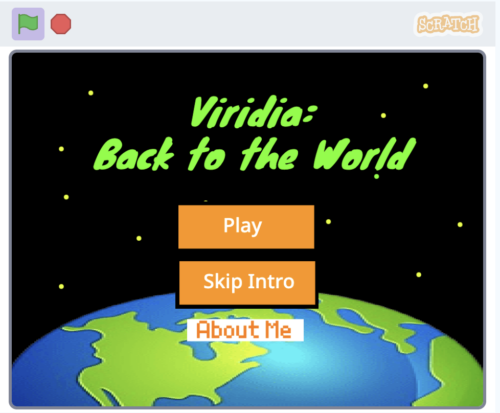
The 2026 recipient for the online showcase was Egehan, a young developer from Türkiye. Egehan’s project, titled "Viridia – Back to the World," is an educational game developed using the Scratch programming language. The project focuses on water conservation, teaching players the critical importance of responsible water usage through interactive storytelling and gameplay mechanics. By selecting this project, the judges acknowledged the power of "edutainment"—the use of games to foster environmental consciousness in younger audiences.
The emphasis on social impact was a recurring theme throughout the 4,500 submissions. Data provided by the organizers suggests a growing trend of "altruistic coding," where participants focus on accessibility tools for the disabled, climate tracking systems, and platforms for community organizing. This shift suggests that the next generation of developers views technology not just as a tool for economic gain, but as a primary medium for social activism.
Statistical Breakdown and Educational Implications
The scale of Coolest Projects 2026 provides a wealth of data regarding the current state of global digital literacy. With participants from 40 different nations, the event serves as a barometer for how different education systems are integrating computer science into their curricula.
- Participation Volume: 15,000+ young people.
- Project Count: 4,500+ submissions.
- Gender Diversity: 47% female participation, a significant increase from previous years.
- Geographic Reach: 40 countries represented.
- Platform Usage: While Scratch remains the entry point for many, there was a noted increase in projects utilizing Python, C++, and various AI frameworks.
The high level of female participation is particularly noteworthy. Industry analysts suggest that early exposure to low-stakes, high-reward environments like Coolest Projects is essential for dismantling the stereotypes that often discourage girls from pursuing computer science in higher education. By providing a platform where creative expression is valued as much as technical precision, the event fosters a sense of belonging that is often missing in traditional tech environments.
Broader Impact and the Road to 2027
The success of Coolest Projects 2026 is bolstered by a coalition of global sponsors, including the Broadcom Foundation, Amazon Future Engineer, Vilros, Qube-RT, Avnet, and GoTo. These organizations view the event as a critical component of the global talent pipeline. For instance, the Amazon Future Engineer program aims to increase access to computer science education for children from underserved communities, a goal that aligns perfectly with the open-access nature of the Coolest Projects online gallery.
The impact of the showcase extends beyond the participants themselves. The online gallery, which remains open to the public, serves as a repository of inspiration for educators and students worldwide. By browsing thousands of peer-created projects, young people who may feel intimidated by professional software development can see what is possible with persistence and basic tools.
Looking forward, the Coolest Projects initiative shows no signs of slowing down. While the global online showcase has concluded for 2026, the community is already preparing for in-person events, including Coolest Projects India. These regional events provide local communities with the opportunity to celebrate innovation in a face-to-face setting, further strengthening the network of young makers.
The Raspberry Pi Foundation has confirmed that Coolest Projects will return to the global online stage in 2027. In the interim, the foundation continues to provide resources to support the ongoing development of these young creators. The transition from the 2026 event to the 2027 planning phase involves analyzing feedback from judges and participants to further refine the categories and judging criteria, ensuring the event remains at the cutting edge of educational technology.
Conclusion: A Vision for the Future
Coolest Projects 2026 has demonstrated that when young people are given the tools and the platform to create, they will rise to the occasion with projects that are both technically impressive and socially conscious. The 15,000 participants of this year’s showcase are not just learning to code; they are learning to think critically, solve problems, and communicate complex ideas to a global audience.
As the tech industry continues to grapple with challenges related to diversity, ethics, and sustainability, the creators showcased this year offer a glimpse of a more inclusive and responsible future. From Egehan’s water conservation game in Türkiye to the thousands of other innovations across 40 countries, the message is clear: the next generation of tech creators is ready to lead, and they are bringing their creativity to bear on the world’s most important challenges. The Raspberry Pi Foundation and its partners have succeeded in creating more than just a competition; they have built a global community that celebrates the "coolest" thing of all—the power of a young person with an idea and the skills to bring it to life.