The automotive media landscape is awash with complimentary offerings, a reality that, while seldom openly discussed, underpins much of how vehicles are reviewed and presented to the public. From the ubiquitous loan of a car for a week of testing to more elaborate press event hospitality, journalists often find themselves beneficiaries of manufacturers’ generosity. While these perks can enhance the testing experience and streamline logistical challenges for carmakers, a critical question arises: do these gifts influence the objectivity of the subsequent reviews? This article delves into the complex relationship between automotive manufacturers and the media, examining the prevalence of freebies, the logistical considerations driving them, and the ethical imperative of maintaining editorial independence.
The Nature of Automotive Media Perks
The most fundamental and arguably indispensable perk in automotive journalism is the temporary use of a vehicle for review purposes. A comprehensive assessment of a car’s performance, handling, comfort, and technology necessitates extended periods of driving in various conditions. This loan period, typically spanning several days to a week, is effectively a "free" car for the reviewer. Manufacturers readily provide these vehicles, as it is the cornerstone of their marketing and public relations efforts to have their products evaluated by reputable media outlets.
Beyond the vehicle itself, manufacturers frequently organize press events to launch new models or provide journalists with opportunities to experience them. These events are often held in exotic or strategically chosen locations, such as Spain or other sun-drenched destinations. The rationale behind this practice is primarily logistical. For manufacturers with limited early production vehicles, flying a select group of European media to a single, centralized location is far more efficient and cost-effective than transporting these scarce vehicles to individual countries for each journalist to test. These events typically cover travel, accommodation, meals, and the all-important test drives, creating a comprehensive experience for the assembled press.
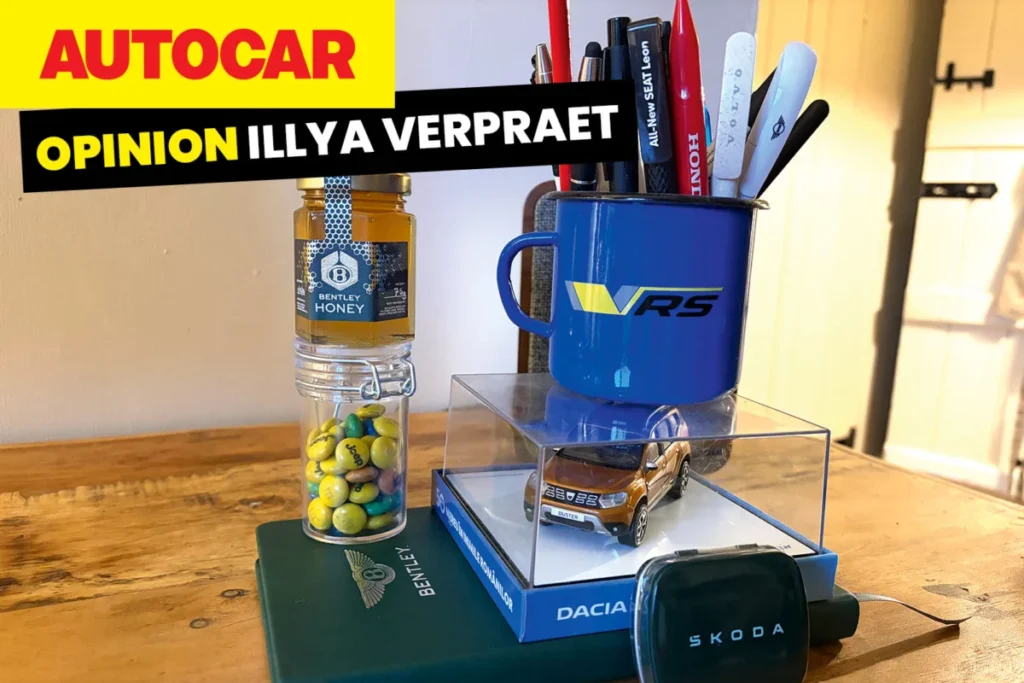
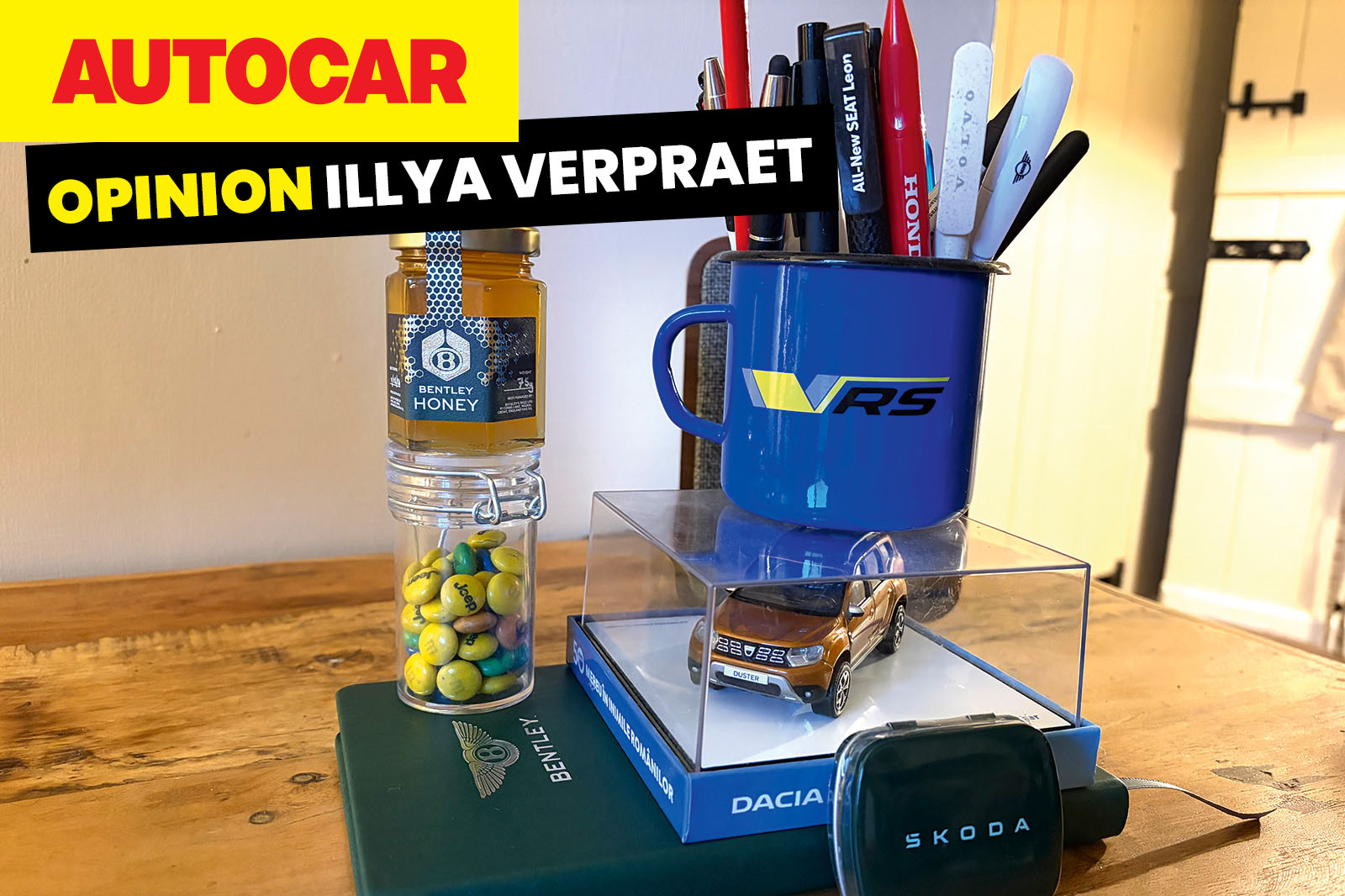
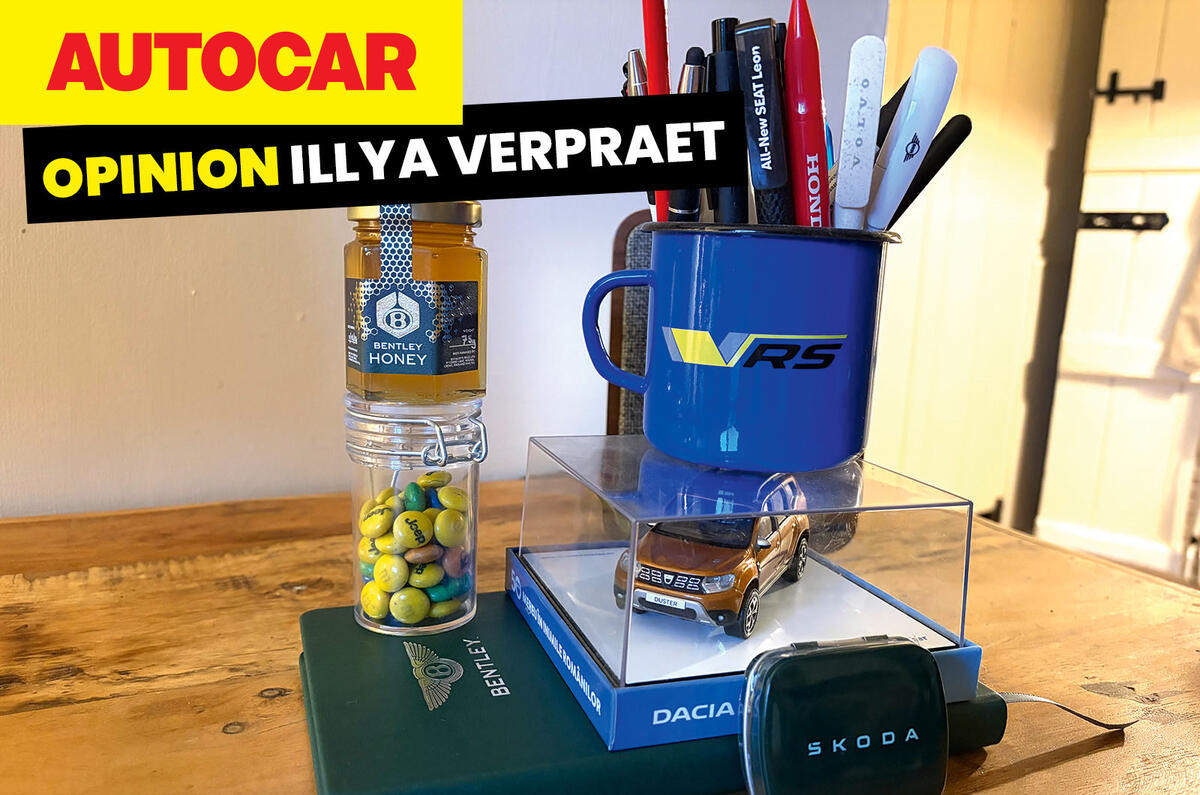
However, the proliferation of smaller, more personal gifts – such as branded merchandise like M&Ms from Jeep or a Polestar-branded water bottle – has become increasingly common. While these items may seem trivial, their consistent presence raises questions about their cumulative impact, even if subtle, on the reviewer’s perception.
Logistical Imperatives and Manufacturer Strategies
The strategic deployment of press fleets and the organization of global launch events are not mere acts of largesse; they are sophisticated marketing and public relations strategies. Car manufacturers invest significant resources into ensuring positive media coverage. A well-received review in a prominent publication can translate into tangible sales figures, influencing consumer purchasing decisions.
Timeline of Typical Media Engagement:
- Pre-Launch Teasers: Months before a vehicle’s public debut, manufacturers often provide select media with early access to information, spy shots, or even discreet previews to generate anticipation.
- Global Launch Events: Typically held several months prior to a vehicle’s market availability, these events are the primary opportunity for widespread media testing. Dates are meticulously planned to maximize impact and coordinate global coverage.
- Extended Loan Programs: Following launch events, journalists may receive vehicles for longer-term loan periods, allowing for more in-depth, real-world testing and comparison with rivals.
- First Service/Update Reviews: Manufacturers may offer vehicles again after initial market reception to review any software updates or early service experiences.
The decision to host events in picturesque locales is driven by several factors. Firstly, it provides a controlled environment where the vehicle’s strengths can be showcased under ideal conditions. Secondly, it offers a more relaxed and conducive atmosphere for journalists to engage with product engineers and marketing teams, facilitating the collection of detailed information. Thirdly, it creates a memorable experience, fostering a more positive overall impression.
The Ethical Tightrope: Maintaining Editorial Integrity
The core of the debate lies in the potential for these "freebies" to compromise journalistic objectivity. While most seasoned journalists are adept at separating personal appreciation for hospitality from their professional duty to provide unbiased assessments, the sheer volume and nature of these perks can present a subtle challenge.
Key Considerations for Objectivity:
- The "Quid Pro Quo" Perception: Even if no explicit agreement exists, the perception that positive coverage is exchanged for gifts or hospitality can erode public trust.
- Cognitive Bias: The psychological principle of reciprocity suggests that receiving favors can unconsciously influence an individual’s inclination to reciprocate, potentially leading to a more favorable disposition towards the giver.
- Subtle Influences: While a reviewer might not intentionally skew a review, the overall positive experience at a launch event – good food, pleasant surroundings, friendly interactions – could subtly color their perception of the vehicle itself.
Reputable automotive media organizations typically have strict editorial guidelines in place to address these potential conflicts of interest. These guidelines often stipulate that:
- Gifts of significant value must be declared and often returned. The value threshold for "significant" can vary but generally aims to encompass items that could reasonably influence judgment.
- Editorial decisions are independent of marketing departments. Reviews are based on the merits of the product, not on the advertiser’s relationship with the publication.
- Transparency is paramount. In some cases, publications may disclose the nature of press event hospitality to their readers, allowing them to make their own informed judgments.
Supporting Data and Industry Trends
The automotive industry is a multi-billion dollar global enterprise, and its marketing budgets reflect this scale. According to Statista, global advertising spending in the automotive sector was projected to reach over $50 billion in 2023. A significant portion of this budget is allocated to public relations, media events, and product placement.
Examples of Industry Practices:
- Long-Term Test Fleets: Many publications maintain long-term test fleets, receiving vehicles for extended periods (six months to a year) to conduct in-depth, real-world evaluations. This practice is crucial for assessing reliability and the long-term ownership experience.
- Manufacturer-Sponsored Drives: Beyond initial launch events, manufacturers often organize specialized drives focusing on specific aspects of a vehicle, such as off-roading capabilities, track performance, or fuel efficiency demonstrations.
- Press Days at Auto Shows: Major international auto shows dedicate specific days for media attendance, offering exclusive access to new vehicle reveals and opportunities to interview key personnel.
The economic impact of these practices on the automotive media is substantial. For many specialized publications, the revenue generated from advertising by car manufacturers is a critical component of their financial viability. This creates an inherent dynamic that requires careful navigation to maintain editorial independence.
Official Responses and Industry Perspectives
Automotive manufacturers, when addressing these issues, typically emphasize their commitment to transparency and the integrity of media reviews. A spokesperson for a major European car manufacturer, who wished to remain anonymous due to the sensitive nature of the topic, stated, "We understand the importance of unbiased reporting. Our press events are designed to provide journalists with the best possible environment to experience our vehicles and gather accurate information. We trust the professionalism of the media to report their findings objectively."
Similarly, industry bodies like the Society of Motor Manufacturers and Traders (SMMT) in the UK advocate for ethical practices within the automotive sector, including responsible engagement with the media. While specific guidelines on gift-giving may not be universally codified, the underlying principle of fostering trust and credibility is paramount.
Broader Impact and Implications
The prevalence of gifts and hospitality in automotive journalism has several broader implications:
- Consumer Trust: The ultimate beneficiary of objective reviews is the consumer. If consumers perceive that reviews are unduly influenced by freebies, their trust in automotive media diminishes, potentially leading them to rely on less-vetted sources or personal anecdotes.
- Market Dynamics: Unbiased reviews play a crucial role in driving market competition. When all vehicles are assessed fairly, manufacturers are incentivized to improve their products to gain positive press. Conversely, if a manufacturer can secure favorable reviews through non-product-related means, it can distort the market.
- The Future of Automotive Journalism: As the media landscape evolves with the rise of digital platforms and social media influencers, the lines between editorial content and sponsored content can become blurred. Maintaining clear ethical boundaries is essential for the continued relevance and credibility of professional automotive journalism.
The Jeep M&Ms and the Polestar bottle, while seemingly innocuous, represent a small facet of a much larger ecosystem. The automotive industry’s engagement with the media is a complex dance, requiring a delicate balance between showcasing products and ensuring that the voices reporting on them remain independent and unimpeachable. The ongoing commitment to transparency and ethical conduct by both manufacturers and media outlets is vital for fostering informed consumer choices and a healthy, competitive automotive market. The true value of a review lies not in the trinkets it might accompany, but in its unwavering commitment to truth and impartiality.